
Finding the right grip trainer for a small HDB flat requires balancing physical footprint, storage flexibility, and ergonomic usability. In space-constrained Singapore apartments, where built-in wardrobes, shallow vanity drawers, and multi-functional living spaces are the norm, every square centimeter of storage counts. Choosing the right tool requires looking beyond just the resistance level; you must evaluate how the device behaves when it is tucked away.
By focusing on compact designs that slide easily into existing storage setups, you can maintain a clutter-free home while keeping your fitness goals on track. This guide will help you assess your available space, compare different grip trainer form factors, and identify the key features that make these tools easy to store.
Defining "Compact" for Your HDB Storage Space
Before browsing online marketplaces or sports stores, measure your intended storage zones. Check the depth of your desk drawers, the height of your bedside table shelves, or the clearance under your bed or sofa. A grip trainer that is even a few millimeters too tall for a shallow drawer will end up cluttering your tabletop, defeating the purpose of a compact workout tool.
Products mentioned in this guide
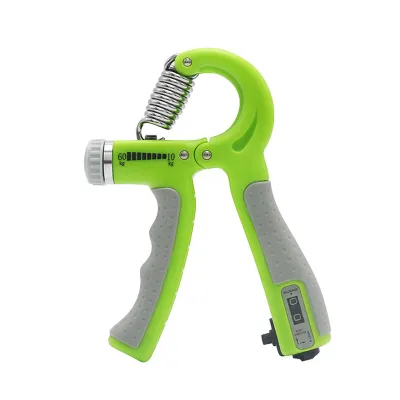
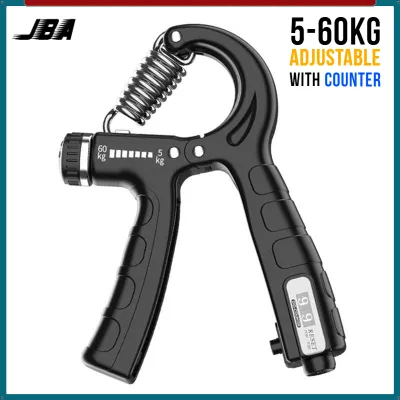
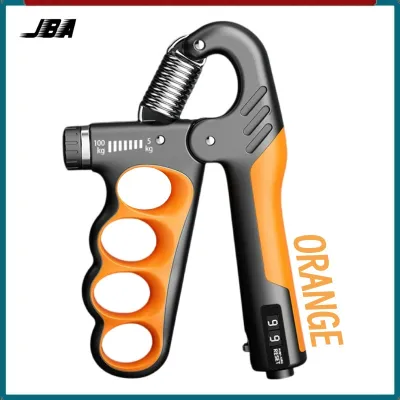
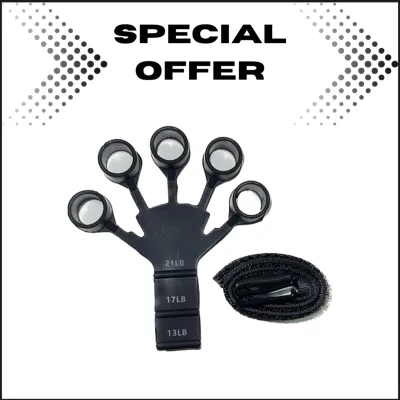
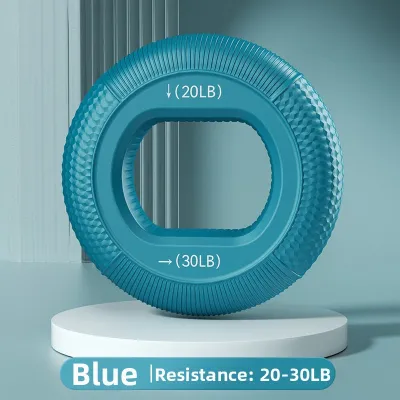
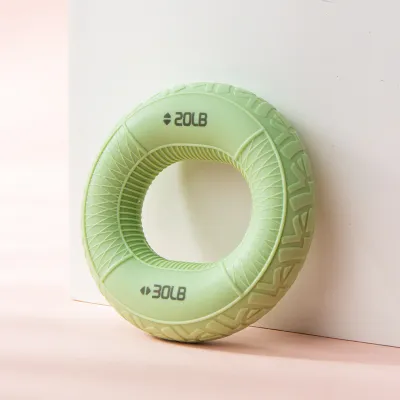
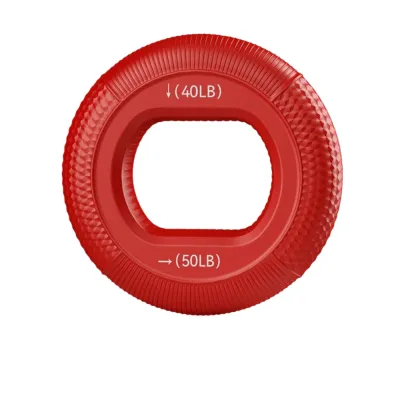
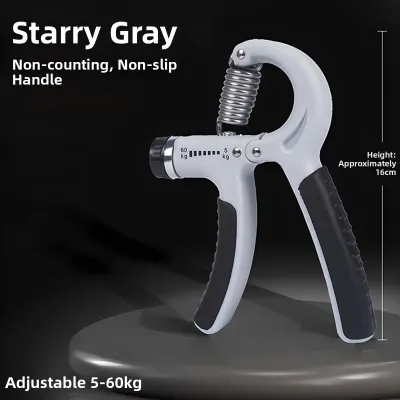
Prices are valid at publication and may change. Please refer to the product page for the latest price.
It is also essential to differentiate between visual clutter and actual volume. A bulky, irregular shape takes up more usable space than a flat-profile or collapsible item. A round, rigid device cannot be stacked easily, whereas flat silicone rings or collapsible models slide neatly into narrow gaps between books or storage boxes.
While ultra-compact designs are easy to hide, they must still fit your hand comfortably. If a grip trainer is too small, your fingers may bunch up, leading to poor form or hand strain during use. Ensure the handle length and grip width match your hand span, even if it means allocating slightly more storage space for a proper fit.
Comparing Grip Trainer Types by Storage Footprint
Classic spring-loaded hand grippers are highly effective but have a natural splay. When relaxed, the handles flare outward, creating an awkward triangular footprint that can take up unexpected space in a drawer. If you choose this type, verify whether the handles can be locked or strapped closed to minimize their footprint when not in use.

Adjustable resistance models often feature a dial, screw, or tension wheel at the top. While highly versatile for progressive training, these adjustment knobs protrude significantly. This extra bulk can catch on other items in a shallow drawer or snag on fabrics if you toss the trainer into a gym bag or backpack.
Silicone grip rings and resistance bands are exceptionally flat, lightweight, and flexible. They can be squeezed into tight corners, laid flat in a drawer, or even slipped into a pocket. However, silicone requires proper care; if left in warm, humid environments typical of Singapore, these materials can degrade or become sticky over time.
Finger exercisers and therapy putty offer a very small physical footprint, making them highly appealing for minimalist homes. However, they come with unique storage risks. Putty must remain sealed in its container to prevent drying out or leaking onto surfaces, while finger exercisers with small, detachable parts run the risk of losing components in a cluttered drawer.
Space-Saving Features That Actually Matter
When evaluating different models, look for built-in locking mechanisms, pins, or heavy-duty Velcro straps. These features keep spring-loaded grippers compressed, reducing their storage volume by up to fifty percent and preventing them from springing open unexpectedly inside a drawer or cabinet.
Some modern designs feature telescopic or folding handles. These allow you to collapse the overall length of the trainer, making it much easier to fit into shallow desk organizers, pencil cases, or travel pouches. This design is particularly useful if you prefer to keep your fitness gear hidden away in a home office setup.
If drawer space is completely full, look for models with integrated eyelets, hanging loops, or lanyards. This allows you to hang the trainer on adhesive wall hooks, pegboards, or the back of a closet door. Hanging your gear keeps your flat surfaces entirely clear and ensures your training tools remain highly visible and accessible.
Steer clear of models with delicate digital screens, protruding plastic battery compartments, or complex external linkages. These irregular shapes not only take up more space but also require dedicated protective cases to prevent damage. A simple, durable mechanical design is almost always easier to store and maintain in a small home.
Practical Storage Solutions for Small Flats
In an HDB flat, vertical surfaces are prime real estate for storage. Install simple adhesive hooks on the inside of wardrobe doors or utility closet walls to hang your grip training gear. Always ensure the adhesive is rated for the weight of your equipment to prevent it from falling and damaging your flooring or the device itself.
Use shallow plastic or fabric drawer dividers to keep your fitness gear organized. This prevents flexible silicone rings, finger bands, or small grippers from tangling with charging cables, stationery, or other household items. Keeping a dedicated slot for your trainer also makes it easier to build a consistent daily habit.
If you commute regularly or work in an office, consider storing your grip trainer directly in your daily-carry backpack or work bag. This completely eliminates the need for dedicated home storage. It also ensures you can squeeze in a quick training session during your daily commute, lunch break, or while waiting between appointments.
If you are considering wall-mounting any heavy, tension-based, or pull-up style grip training equipment, stop and consult a qualified contractor or check your HDB renovation guidelines. Ensure the wall material (such as partition drywall versus structural concrete) and the anchors used are fully rated to support dynamic loads safely before drilling.
Frequently Asked Questions (FAQ)
Can I leave my spring grip trainer fully compressed to save space?
Storing a spring-loaded grip trainer in a fully compressed state for extended periods can lead to metal fatigue and a gradual loss of spring tension. Over time, this reduces the maximum resistance the device can provide. Always check the manufacturer’s manual for specific storage instructions; some high-end steel grippers explicitly warn against keeping them bound or locked to avoid voiding the warranty or causing sudden mechanical failure.
Are digital grip trainers worth the extra storage hassle?
Digital grip trainers offer excellent tracking features but come with physical storage trade-offs. Their rigid plastic casings, digital screens, and battery compartments make them bulkier and more fragile than simple mechanical models. You must store them carefully to avoid scratching the screen, and if you plan to store them long-term, you should remove the batteries to prevent corrosive leaks from damaging the internal electronics.
How do I prevent silicone grip rings from sticking together in a drawer?
Silicone and rubber grip rings can become sticky when stored together in confined, warm spaces. To prevent this, store them in separate breathable mesh pouches rather than airtight plastic bags. You can also apply a very light dusting of talc-free powder to the surfaces if recommended by the manufacturer. Keep them away from direct sunlight and heat sources, such as windows or electronics, to prevent the material from degrading.
Community discussion
Share your experience or ask a question. Comments are reviewed before publication.