
Finding the right balance between health tracking and space efficiency is a common challenge in modern Singapore homes. In a typical Housing & Development Board (HDB) flat, where every square meter of floor space is highly valued, bulky fitness equipment can quickly clutter your living areas. Choosing a compact Tanita scale requires a systematic approach that balances physical dimensions, storage convenience, and environmental durability.
By focusing on precise measurements, material suitability, and smart storage designs, you can easily find a high-quality scale that fits seamlessly into your daily routine without disrupting your home’s layout. This guide outlines the essential steps to evaluate your space and select a model that meets your practical needs.
Measure Your HDB Floor and Storage Clearances
Before browsing online marketplaces or visiting local department stores, you must establish the physical boundaries of your home. Singapore HDB flats, particularly newer Build-To-Order (BTO) units, feature highly optimized layouts where every centimeter counts. A scale that looks compact in a spacious showroom can easily block a doorway or crowd a narrow vanity area once brought home.
Products mentioned in this guide
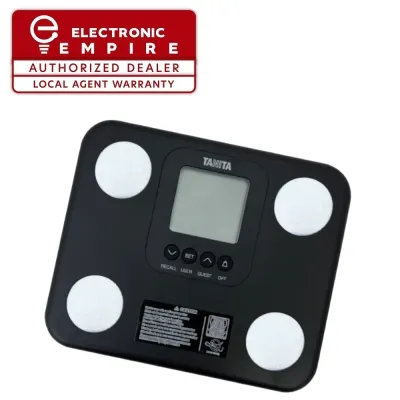
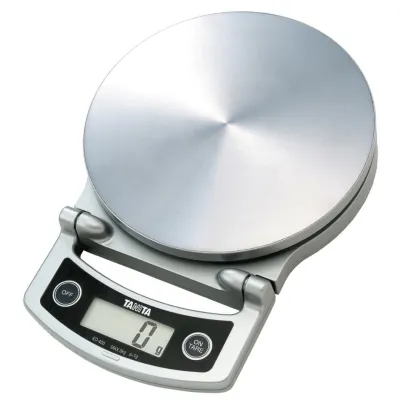
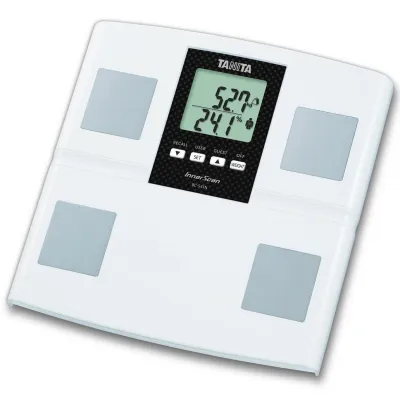
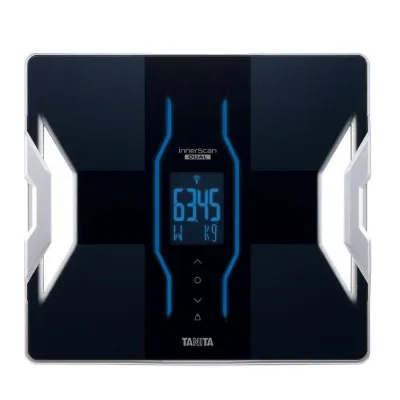
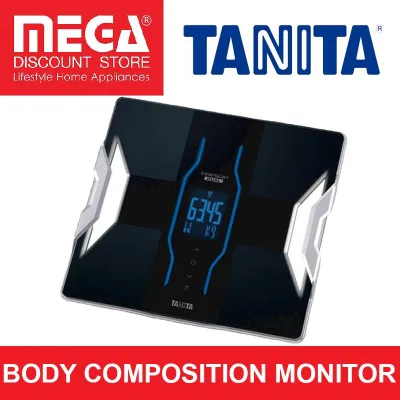
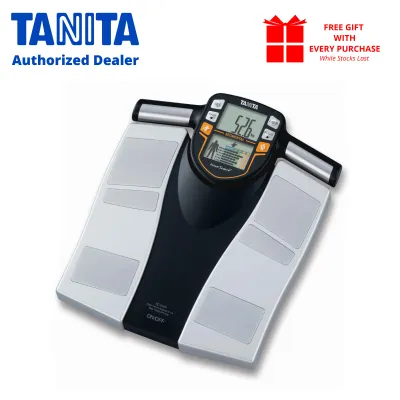
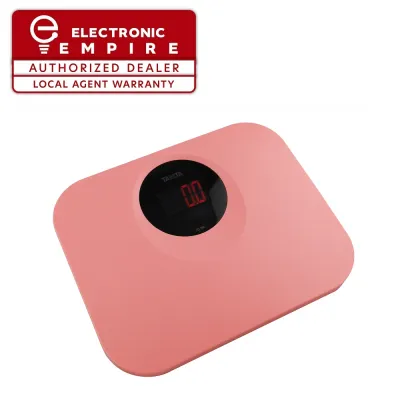
Prices are valid at publication and may change. Please refer to the product page for the latest price.
Start by identifying the exact spot where you intend to use the scale. If you prefer the bathroom, measure the clear floor space away from the swing of the bathroom door and the toilet base. The scale must sit entirely on a flat surface without overlapping transition strips or wet shower zones. Placing a scale too close to the shower entry increases the risk of water exposure and accidental slips.
If you plan to use or store the scale in the bedroom, look for hidden storage opportunities. Measure the vertical clearance under your bed frame, wardrobe base, or bedside table. Many modern storage bed frames have very low clearance, sometimes less than five centimeters, which will restrict your options to ultra-thin models.
Finally, map out your household’s daily foot traffic. A scale left permanently on the floor in a narrow bedroom walkway or next to a wardrobe door can quickly become a tripping hazard. If floor space is exceptionally tight, prioritize locations where the scale can be easily slid vertically into a gap or tucked away in a cabinet when not in use.
Match Tanita Scale Footprints to Your Measured Spaces
Once you have your physical measurements, you can begin comparing the dimensions of different Tanita models. Manufacturer specifications typically list the length, width, and height (or profile thickness) of each model. Pay close attention to the profile height, as ultra-thin models are much easier to slide under low-clearance furniture.

The shape of the scale platform also plays a significant role in how well it fits into your designated space. Square or rectangular platforms are highly efficient for sliding into tight corners or aligning flush against a wall or wardrobe side. Round platforms, while aesthetically pleasing, can sometimes leave awkward, unused gaps in tight corners, making them better suited for open floor areas.
While prioritizing a small footprint, you must also verify that the platform size safely accommodates your stance. Check the manufacturer’s label for both the maximum weight capacity and the physical platform dimensions. If the platform is too narrow, your feet may overhang the edges, which can compromise your balance and lead to inaccurate readings.
Additionally, compare the retail price in S$ against the specific space-saving features of each model. Basic compact models often offer excellent value for straightforward weight tracking, while advanced body composition analyzers with slim profiles may command a higher price. Evaluate whether the premium for an ultra-thin, multi-functional model aligns with your personal fitness goals and household budget.
Choose Moisture-Resistant and Aesthetic Materials
The environment where you place your scale dictates the materials you should choose. Singapore’s tropical climate brings high humidity, which is amplified in compact HDB bathrooms. If you plan to keep the scale in the bathroom, look for models featuring robust, slip-resistant rubber feet on the base to prevent the unit from sliding on wet tiles.
Material selection also affects durability and maintenance. Tempered glass platforms offer a sleek, modern look that complements contemporary bathroom fixtures, but they can feel cold to the step and may show water spots or footprints. High-quality matte plastic or textured composite surfaces are excellent alternatives for bedrooms, as they resist smudges and blend seamlessly with wooden furniture.
The readability of the digital display is another critical factor to verify. In a dimly lit bedroom during an early morning weigh-in, a non-backlit screen can be incredibly difficult to read. Look for models with high-contrast digital displays or backlit screens that remain clear under both bright bathroom vanity lights and soft bedroom lighting.
Always check the manufacturer’s product care instructions regarding moisture exposure. Even water-resistant models are generally not designed to be submerged or placed directly under running water. Choosing a material that is easy to wipe dry with a microfiber cloth will help maintain both the appearance and the functionality of the scale over time.
Plan for Easy Daily Storage and Movement
If your HDB layout requires you to store the scale after every use, ease of movement becomes a daily priority. A scale that is heavy or awkward to grip will quickly discourage you from maintaining a consistent tracking routine. Check the product specifications for the net weight of the scale to ensure it can be comfortably lifted by all household members.
Some compact scales are specifically designed with vertical storage in mind, featuring rubber bumpers on the side that allow them to stand upright without tipping. This design is incredibly useful for sliding the scale into the narrow gap between a washing machine and a wall, or alongside a wardrobe. If vertical storage is your goal, verify that the model’s internal sensors are calibrated to handle being stored on their side without losing accuracy.
Maintenance accessibility is another practical consideration for small spaces. Ensure the battery compartment is easy to access without requiring specialized tools, as you may need to change batteries in a confined area. Models with automatic power-off features are highly recommended, as they conserve battery life and reduce the frequency of maintenance.
Frequently Asked Questions (FAQ)
Can I leave my Tanita scale on the bathroom floor permanently?
Leaving a digital scale on the bathroom floor permanently is generally not recommended in typical HDB flats unless the manufacturer explicitly rates the model for high-humidity environments. Singapore’s humid climate, combined with steam from daily showers, can cause moisture to slowly penetrate the battery compartment and damage the sensitive internal strain-gauge sensors. To prolong the lifespan of your scale, it is best to store it in a dry area, such as a bedroom cabinet or a hallway closet, and bring it out only when needed.
Do ultra-thin Tanita scales sacrifice weighing accuracy?
Ultra-thin designs do not inherently sacrifice accuracy, as modern compact scales utilize highly precise, low-profile electronic sensors. However, thinner platforms have less structural tolerance for uneven surfaces. To ensure reliable measurements, you must place the scale on a hard, completely level floor. Placing the scale on soft bath mats, uneven vinyl sheets, or bathroom tiles with deep, wide grout lines can cause the scale to tilt slightly, leading to inconsistent or incorrect weight readings.
Community discussion
Share your experience or ask a question. Comments are reviewed before publication.