
Flying a large kite is a captivating experience that combines outdoor recreation with aerodynamic science. However, the transition from a standard pocket kite to a large-scale model introduces significant changes in wind resistance, pull force, and control complexity. To choose the right large kite brand, you must first evaluate your own experience level and understand how different manufacturers design their products for specific skills. A mismatched kite can lead to frustrating crashes, damaged equipment, or even safety hazards in public spaces.
By aligning your current handling capabilities with the design philosophies of reputable kite makers, you can ensure a rewarding flight every time you head to the field. Beginners require stability, durability, and forgiving flight characteristics that keep the kite aloft with minimal input. Experienced flyers, on the other hand, look for responsiveness, high-speed tracking, and customizable bridle configurations that allow them to push the limits of wind window performance. Understanding these distinctions is the first step toward finding your ideal outdoor companion.
Choosing a brand that provides clear specifications and matches your skill level will help you avoid common pitfalls and ensure a safe, enjoyable flying experience.
Products mentioned in this guide
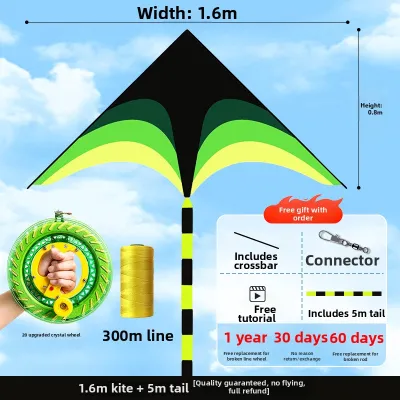
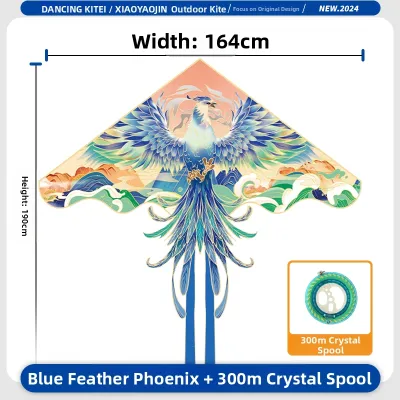
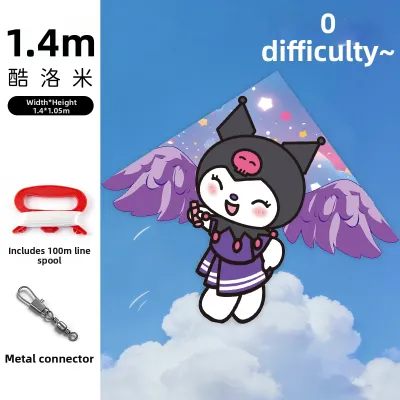

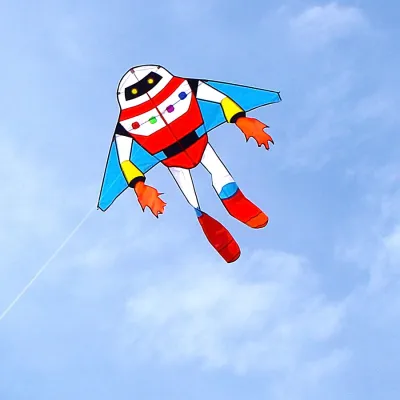
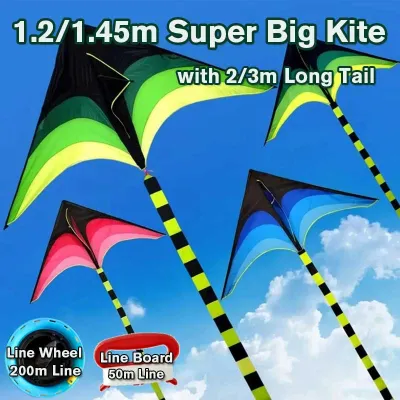
Prices are valid at publication and may change. Please refer to the product page for the latest price.
Assessing Your Skill Level and Flying Goals
Before browsing any brand catalog, you must define your flying goals. Casual flyers typically seek stable, high-altitude cruising where the kite remains parked in the sky with minimal active steering. This style relies on single-line designs that use wind pressure and tail drag to maintain equilibrium. If your goal is to relax at a park while watching a massive shape drift overhead, focus on brands specializing in high-volume, high-lift single-line kites.
In contrast, active flyers crave dynamic interaction, which requires multi-line stunt or traction kites. Dual-line and quad-line models allow you to perform loops, dives, and precise maneuvers. Traction or power kites go further, generating immense pull designed to drag the flyer across land or water. These active disciplines demand physical strength, quick reflexes, and a deep understanding of wind dynamics, as the line pull can easily overpower an unprepared operator.
Your physical strength and handling experience must directly match the expected line pull of a large kite. A kite with a wingspan exceeding two meters can generate substantial lift, even in moderate breezes. If you lack experience managing heavy tension, a sudden gust can cause line burns or pull you off balance. Therefore, honest self-assessment is crucial; beginners should start with manageable sizes and lower-pull designs before graduating to high-tension power models.
Local environmental constraints also dictate your choice. In highly urbanized environments like Singapore, open spaces such as Marina Barrage or East Coast Park are shared with many park-goers. These locations feature shifting coastal breezes and strict spatial boundaries. You must select a kite that matches typical local wind speeds and fits safely within available clearance zones, ensuring you do not endanger others or tangle with nearby obstacles.
Identifying Beginner-Friendly Brand Features
For those new to the hobby, the ideal brand prioritizes ease of use, structural resilience, and clear instruction. Novice flyers should look for brands emphasizing single-line delta, parafoil, or diamond shapes. Delta kites are renowned for inherent aerodynamic stability, as their triangular geometry allows them to shed excess wind and maintain a steady angle of attack. Parafoils are also excellent because they lack rigid frames, making them virtually indestructible during hard impacts.

When evaluating beginner-friendly brands, pay attention to the out-of-the-box experience. Reputable entry-level brands supply their kites as complete packages, including pre-attached flying lines wrapped on ergonomic winders. They also utilize simplified bridle systems requiring no manual adjustment, ensuring the kite is perfectly balanced from the factory. Clear, illustrated assembly instructions are a hallmark of a quality beginner brand, helping you avoid common setup mistakes.
Material selection is another critical factor for novices. Look for brands that construct sails from durable ripstop nylon, which resists tearing when scraped against grass or sand. The frame, or spars, should be made of flexible fiberglass or high-durability composite materials. Fiberglass offers excellent flex and impact absorption, allowing the frame to bend rather than snap when the kite hits the ground.
Additionally, beginner-focused brands design their kites to launch easily in light winds. This low-wind launch capability is essential for building confidence, allowing you to practice basic launching and retrieving techniques without needing perfect conditions. By choosing a brand that focuses on these forgiving characteristics, you can minimize frustration and focus on mastering the fundamentals of wind awareness and line management.
Evaluating Advanced Brand Features for Experienced Flyers
Experienced flyers require a different set of features, focusing on precision, customization, and high-performance materials. If you have mastered basic flight, look for brands specializing in dual-line, quad-line, or traction kites. These advanced models feature sophisticated bridle systems with adjustable attachment points. By shifting the bridle position, you can tune the kite’s angle of attack to match specific wind speeds, altering the balance between speed, pull, and turning rate.
High-performance brands distinguish themselves through premium, lightweight materials that maximize responsiveness. Instead of standard fiberglass, advanced frames utilize high-modulus carbon fiber spars. Carbon fiber is incredibly stiff and lightweight, allowing the kite to maintain its structural shape during high-speed turns or in strong gusts. This rigidity translates to instantaneous control feedback, giving you precise command over every loop and stall.
The sail fabrics used by professional-grade brands are also highly specialized. Look for lightweight, high-tear-resistance fabrics such as high-grade ripstop polyester. These materials resist stretching over time and maintain their airtight qualities, which is crucial for generating consistent lift. The seams are typically reinforced with heavy-duty stitching and Dacron tape to withstand high-velocity maneuvers.
Furthermore, advanced brands design products with modularity in mind. Because high-performance flying pushes equipment to its limits, components will eventually wear out or break. Leading brands offer easily replaceable high-stress parts, such as leading-edge connectors, standoffs, and bridle lines. This modular design ensures a single broken spar does not ruin your investment, allowing you to quickly swap out parts and return to the air.
Comparing Key Specifications by Experience Level
To navigate the selection process, compare key technical specifications across experience levels. The wingspan and sail area of a large kite directly influence its lift capacity and wind range. A larger sail area catches more wind, allowing the kite to fly in lighter breezes, but generates significantly more pull as wind speed increases. Aspect ratio—the ratio of wingspan to chord depth—is another critical metric; high-aspect-ratio kites are sleek and fast, while low-aspect-ratio designs offer stable, predictable pull.
The complexity of the bridle and the choice of spar materials also scale with skill level. Entry-level models feature fixed, simple bridles and flexible spars that prioritize safety and ease of use. Performance models feature complex, multi-point adjustable bridles and ultra-stiff carbon frames that require active pilot input to manage safely.
The following matrix outlines how these key specifications align with different experience levels and typical flying conditions:
| Specification / Feature | Beginner (Entry-Level) | Intermediate (Sport/Stunt) | Advanced (Power/Traction) |
|---|---|---|---|
| Kite Type | Single-line Delta, Diamond, Parafoil | Dual-line Stunt, Foil | Quad-line, Traction Foil, Power Kite |
| Wingspan Range | 1.5 to 2.5 meters | 1.8 to 2.4 meters | 2.5 to 5.0+ meters |
| Frame Material | Fiberglass or composite | Standard carbon fiber | High-modulus carbon or frameless foil |
| Bridle System | Fixed, single-point | Adjustable dual-line | Multi-point active bridle |
| Line Strength | 30 to 50 kg test | 50 to 100 kg test | 100 to 300+ kg test |
| Wind Range | 8 to 25 km/h | 10 to 35 km/h | 12 to 40+ km/h |
| Primary Goal | Stable lofting, easy launch | Precision tricks, tracking | High pull, speed, traction |
When selecting a kite, cross-reference these specifications with local wind patterns. If your local flying site typically experiences light, gentle breezes, a large, lightweight delta with a wide wingspan is ideal. If you live in an area with strong, gusty coastal winds, a smaller, more robustly framed stunt kite or a durable parafoil will provide a safer and more controllable experience.
Essential Safety and Site Checks for Large Kites
Flying a large kite carries inherent responsibilities regarding safety and environmental awareness. Because of their size and the tension they generate, large kites can become hazardous if flown in inappropriate locations. Before unpacking your kite, perform a thorough site check. Ensure you are far away from power lines, active roads, airports, and crowded public spaces. In Singapore, remain mindful of local aviation guidelines and park regulations, ensuring your flying activities do not interfere with low-flying aircraft or public safety.
Always verify the manufacturer’s recommended wind limits before launching. Attempting to fly a large kite in winds exceeding its specified range can result in structural failure, broken lines, or loss of control. For high-pull kites, use high-strength flying lines rated for the kite’s specific pull capacity. Wearing protective gloves is recommended to prevent line burns, and using secure ground anchors can help you manage the kite’s tension safely when taking a break.
Finally, maintain constant vigilance regarding changing weather conditions. Sudden wind gusts, approaching storms, or shifting wind directions can rapidly alter how your kite behaves. If you notice the kite’s spars bending excessively, the sail flapping violently, or the line tension becoming difficult to manage physically, these are clear signs of equipment stress. In such situations, immediately bring the kite down safely, pack up your gear, and wait for better conditions. Equipment can never replace sound judgment and proactive safety habits.
Frequently Asked Questions (FAQ)
Can a beginner safely fly a large power kite?
No, beginners should avoid starting with large power or traction kites due to the high physical risks involved. Power kites are designed to generate immense pull that can easily drag an adult, and managing them requires precise multi-line steering skills and an advanced understanding of the wind window. If you are interested in power kiting, start with a small, two-line trainer foil kite. This allows you to safely learn how the kite behaves in different parts of the wind window without the risk of being lifted or dragged by excessive force.
How do I know if a kite brand offers good replacement parts?
A reputable kite brand will typically offer dedicated replacement parts directly through their website or authorized local hobby shops. Before purchasing, check if the brand sells individual spars, bridle lines, and connector clips for your specific model. Brands that cater to serious hobbyists understand that wear and tear are part of the sport, so they make it easy to source standardized carbon rods, fiberglass spars, and repair tape. Reading user forums or asking local flying clubs about a brand’s long-term support is also an excellent way to verify parts availability.
What is the ideal wind speed for flying a large single-line kite?
The ideal wind speed depends on the specific design of the kite, but most large single-line kites perform best in steady winds ranging from 8 to 20 km/h. You can check local conditions by observing natural indicators: if leaves are rustling gently and flags are extended but not flapping violently, the wind is likely suitable. Always consult the manufacturer’s wind range guidelines printed on the kite’s packaging or manual, as flying in too little wind will prevent the kite from launching, while excessive wind can damage the frame.
Community discussion
Share your experience or ask a question. Comments are reviewed before publication.