
Selecting the right massage ball brand for muscle recovery in Singapore requires matching your specific physical needs with the material properties, design features, and local availability of the tool. With a wide array of options ranging from dense rubber lacrosse balls to specialized cork and textured rollers, the ideal choice is not a one-size-fits-all product. Instead, it is a decision based on your target muscle groups, personal pain tolerance, and how well a brand’s materials withstand the local tropical climate. By focusing on verifiable material quality, ergonomic design, and authorized local retail channels, you can secure a recovery tool that provides safe, effective, and long-lasting relief.
The active lifestyle in Singapore—ranging from running along the East Coast Park to high-intensity gym workouts and long hours at office desks—creates distinct patterns of muscle tightness. Self-myofascial release (SMR) is a highly effective way to address these issues, but using the wrong tool can lead to bruising, skin irritation, or ineffective recovery. A well-chosen massage ball allows you to apply targeted pressure to specific trigger points, releasing tension in the fascia and improving overall mobility. Understanding the nuances of these tools ensures you invest in a product that truly supports your physical well-being.
Understanding Your Muscle Recovery Needs
To select the most effective massage ball, you must first identify your primary recovery goals and the specific muscle groups that require attention. Deep tissue release targets the thicker, larger muscle groups like the glutes, hamstrings, and quadriceps. This technique requires a larger, firmer ball that can sink deep into the tissue without collapsing under your body weight.
Products mentioned in this guide
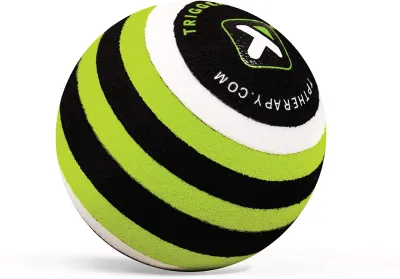
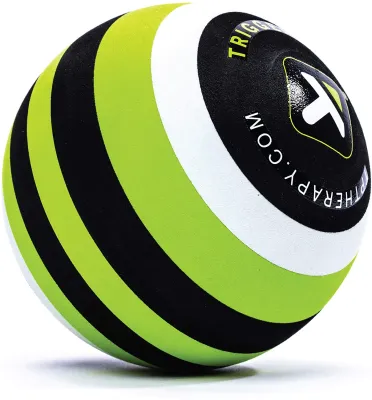
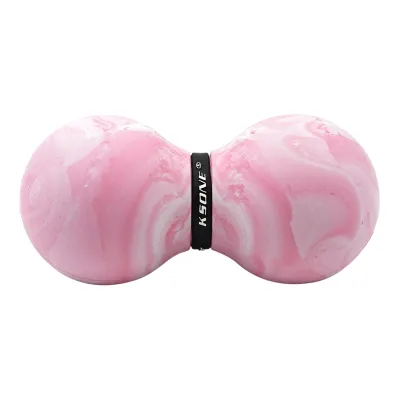
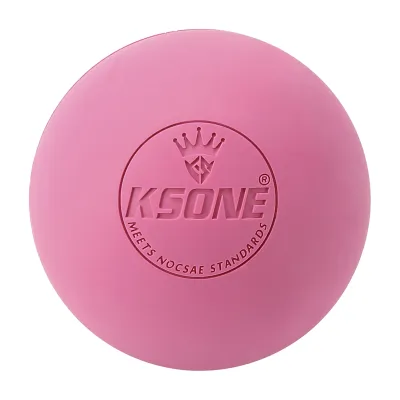
Prices are valid at publication and may change. Please refer to the product page for the latest price.
In contrast, myofascial trigger point therapy focuses on hyperirritable spots within a taut band of skeletal muscle, commonly referred to as muscle knots. These localized areas require precise, concentrated pressure to encourage the muscle fibers to release. A smaller, highly dense ball is ideal for this purpose, as it allows you to isolate the trigger point without dispersing the pressure across surrounding tissues. If your goal is simply general surface relaxation, a softer, more pliable ball is more appropriate to stimulate blood flow without causing discomfort.
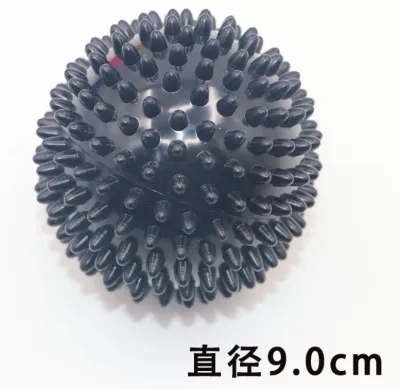
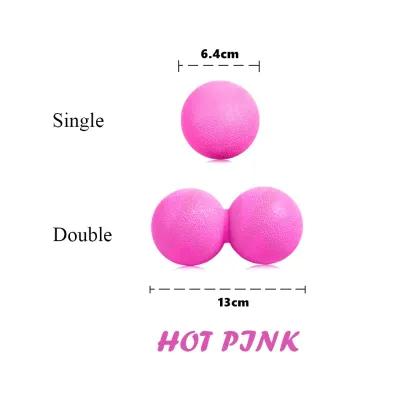
Your target body parts dictate the size and firmness requirements of the tool. For the plantar fascia on the sole of the foot—a common area of tightness for runners navigating hard pavements—a small, firm ball of about five to six centimeters in diameter is highly effective. For larger muscle groups like the glutes and hips, a larger ball of eight to ten centimeters prevents the tool from causing sharp pain near bony structures. The upper back and shoulders, with their complex muscular layers and proximity to the spine, benefit from specialized shapes that avoid direct pressure on the vertebrae.
Personal pain tolerance and experience level with self-myofascial release are critical factors in this decision. Beginners should avoid ultra-firm, solid rubber or hard plastic balls, as the intense sensation can cause defensive muscle bracing. Starting with softer materials, such as high-density foam or air-filled options, allows your nervous system to adapt to the pressure before transitioning to firmer materials.
Key Evaluation Criteria for Massage Ball Brands
When evaluating different massage ball brands, the material composition and density of the product are the most critical factors determining performance and durability. Solid rubber is a traditional choice that offers excellent density and grip, ensuring the ball does not slip against the floor or wall during use. High-grade silicone is an excellent alternative, offering a premium, slightly yielding texture while maintaining its shape under heavy loads. Silicone is non-porous, hypoallergenic, and highly resistant to moisture, making it exceptionally hygienic.

Natural cork has gained popularity as an eco-friendly, lightweight material for recovery tools. Cork massage balls provide a firm, solid feel with a textured surface that naturally grips clothing and skin, preventing slippage. Because cork is incredibly lightweight, it is an ideal option for those who travel frequently or carry their recovery gear in a gym bag. However, cork requires careful maintenance to prevent moisture absorption in humid environments.
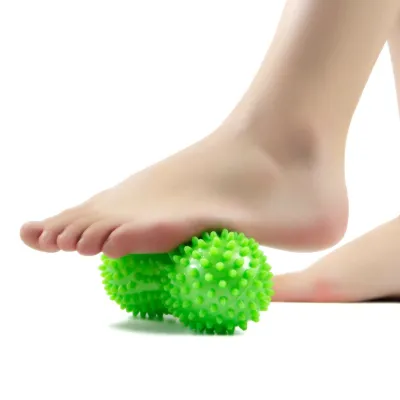
Surface texture variations play a significant role in the physiological effects of the massage ball. Smooth surfaces provide consistent, even pressure across the target area, making them ideal for slow, sliding strokes and cross-friction techniques. Ridged or grooved surfaces are designed to simulate the scraping action of a massage therapist’s fingers, helping to channel blood flow and warm up the fascia. Spiky or multi-point surfaces provide intense sensory stimulation, which can help desensitize painful areas and stimulate nerve endings, particularly on the soles of the feet.
Brand reputation is an important indicator of quality, safety, and long-term value. Reputable brands demonstrate manufacturing transparency by clearly listing the materials used and certifying that their products are free from harmful chemicals like phthalates and heavy metals. They also tend to offer clear warranty terms, which is a sign of confidence in their product’s durability. Checking for these indicators helps you distinguish between high-quality therapeutic tools and cheap, unbranded novelties.
Matching Massage Ball Types to Specific Recovery Goals
Understanding the physical design of different massage balls allows you to match the tool to your specific recovery routine. Standard solid balls, often resembling lacrosse balls, are the most versatile option for general self-myofascial release. They are highly effective for broad pressure application on the glutes, hamstrings, calves, and shoulders. By placing the ball under the target muscle and using your body weight to apply pressure, you can perform static compression on tight spots or roll slowly to break up fascial adhesions.
Textured or spiky massage balls are engineered for targeted trigger point stimulation and sensory feedback. The raised points on these balls compress and release the skin and superficial fascia as you roll, which significantly increases local blood circulation and helps alleviate localized tension. These are particularly beneficial for individuals suffering from plantar fasciitis, as the texture helps stretch and stimulate the tough connective tissue on the bottom of the foot.
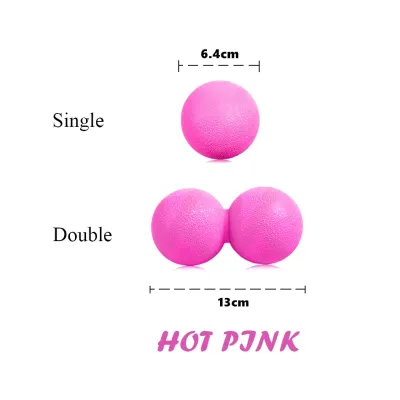
Dual-ball, or peanut-shaped, designs are specifically engineered for spinal alignment and paraspinal muscle release. The central groove of the peanut shape cradles the spinous processes of the vertebrae, ensuring that no direct pressure is applied to the bones of the spine. The two rounded ends apply targeted pressure to the erector spinae muscles running along either side of the spine. This design is highly effective for relieving tension in the thoracic spine, upper back, and neck.
Hollow or air-filled massage balls offer adjustable firmness and excellent portability. Some of these designs feature a small valve that allows you to inflate or deflate the ball using a standard ball pump, giving you complete control over the level of pressure. This adjustability makes them highly versatile for users who require a gentler touch on sensitive areas, such as the neck or abdomen, or those recovering from minor muscle strains.
What to Verify Before Purchasing in Singapore
Before finalizing your purchase, there are several critical factors to verify to ensure you are buying a safe, authentic, and durable product. First, always verify that you are purchasing from authorized retailers or official brand stores. The local market features a wide range of fitness accessories, and purchasing from unverified sources increases the risk of buying counterfeit products. Counterfeit massage balls are often made from low-grade plastics or recycled rubbers that can leach harmful chemicals when exposed to body heat and sweat, potentially leading to skin irritation or allergic contact dermatitis.
Checking local warranty coverage and return policies is essential for hygiene-sensitive fitness accessories. Because massage balls come into direct contact with bare skin and sweat, many retailers have strict policies regarding returns. Authorized local distributors typically offer clear warranties against manufacturing defects, such as splitting seams or premature material degradation. Purchasing through official channels ensures you have access to local customer support and a straightforward exchange process if the product does not meet quality standards upon arrival.
Reviewing product labels for non-toxic, hypoallergenic material certifications is particularly important in Singapore’s warm and humid climate. High humidity levels cause increased sweating during and after workouts, which opens up skin pores and makes the skin more sensitive to environmental irritants. Look for products that are explicitly certified as BPA-free, phthalate-free, and latex-free. Materials like medical-grade silicone or certified non-toxic TPE are highly recommended, as they do not harbor bacteria, are easy to sanitize, and will not degrade or become sticky when exposed to sweat and humidity over time.
Building Your Shortlist: A Step-by-Step Selection Process
To make an informed decision, follow a structured selection process to narrow down your options and choose the best massage ball for your needs. Start by filtering the available options based on your mandatory physical requirements. Identify the primary muscle groups you need to target and select the appropriate size, firmness, and texture. For example, if your main goal is to relieve upper back tension, prioritize peanut-shaped designs. If you are a beginner, eliminate ultra-firm solid rubber options in favor of softer silicone or cork alternatives.
Next, compare your shortlisted options based on value metrics rather than price alone. While a basic massage ball can cost as little as S$10, a high-quality, durable tool typically ranges from S$15 to S$40. Evaluate this cost against the expected lifespan of the product. A cheap, low-density foam ball that loses its shape after a few weeks of use represents poor value compared to a solid silicone or cork ball that retains its physical properties for years. Additionally, consider whether the brand includes useful accessories, such as a breathable mesh carrying bag—which is highly beneficial for letting the ball air dry in humid conditions.
Finally, establish a safe trial plan to test your selected massage ball once it arrives. When using the tool for the first time, start by pressing it against a wall rather than lying on it on the floor. This technique allows you to control the amount of body weight applied to the ball, making it easier to gauge the firmness and texture without risking bruising. Gradually transition to floor-based rolling as your muscles adapt to the pressure.
Frequently Asked Questions (FAQ)
How often should I use a massage ball for muscle recovery?
For general muscle maintenance, short sessions of five to ten minutes per target area are highly effective and safe for daily use. You can integrate massage ball rolling into your pre-workout routine to increase blood flow and joint mobility, or use it post-workout to help relax tight muscles and promote recovery.
It is crucial to monitor your body for signs of overuse, such as persistent muscle soreness, bruising, or skin redness. If a muscle group feels tender to the touch or bruised the day after a session, avoid applying pressure to that area until it has fully recovered. Never apply continuous, intense pressure to a single trigger point for more than two minutes, as prolonged compression can restrict localized blood flow and potentially cause tissue damage.
Can I use a massage ball on acute injuries or inflamed joints?
No, you should never apply direct pressure with a massage ball to acute injuries, fresh bruises, or inflamed joints. Conditions such as muscle strains, ligament sprains, joint swelling, and acute inflammatory flare-ups require rest and proper medical evaluation. Applying intense, localized pressure to an already damaged or inflamed structure can exacerbate the injury, increase swelling, and significantly delay the natural healing process.
If you are recovering from a specific injury or suffer from chronic joint pain, always consult a qualified physiotherapist or medical professional before using a massage ball. A professional can assess your condition and advise you on safe recovery techniques. In many cases, they may recommend massaging the surrounding, non-injured muscle groups to help relieve compensatory tension without putting direct pressure on the injured site itself.
How do I clean and maintain my massage ball?
Proper hygiene and maintenance are essential to prolong the lifespan of your massage ball, especially in Singapore’s warm and humid climate, which can promote the growth of bacteria and mold on sweat-exposed surfaces. For solid rubber, silicone, and TPE massage balls, wash them regularly with warm water and a mild, unscented soap. Avoid using harsh chemical cleaners, bleach, or alcohol-based wipes, as these substances can degrade the material, causing it to become sticky or brittle.
For cork massage balls, do not submerge them in water or expose them to excessive moisture, as cork is a natural, porous material. Instead, wipe the surface down with a damp cloth and allow it to air dry completely in a well-ventilated area away from direct sunlight. Store all massage balls in a cool, dry place. Avoid leaving your recovery tools in hot environments, such as inside a parked car or in direct sunlight on a balcony, as extreme heat can warp the shape and compromise the structural integrity of the materials.

Community discussion
Share your experience or ask a question. Comments are reviewed before publication.