
Finding the right spine corrector for daily posture support in Singapore requires balancing physical feedback with long-term muscle health. In a busy urban environment where long hours at a desk or commuting are common, many individuals seek external support to counteract slouching and rounded shoulders. However, selecting a reliable device involves understanding that these tools are designed to assist your body, not replace its natural strength. The ideal choice is a highly adjustable, breathable, and low-profile wearable spine corrector that serves as a gentle reminder for alignment rather than a rigid splint.
To make an informed purchase, you must look beyond marketing claims of instant alignment or permanent structural cures. A successful selection process focuses on material quality, ergonomic fit, and a clear understanding of how to integrate the device safely into your daily routine. By evaluating key physical features and sourcing products through reputable local channels, you can find a supportive tool that complements your active efforts toward better spinal health.
Understanding What Spine Correctors Can and Cannot Do
Before purchasing a wearable spine corrector, it is essential to establish realistic expectations regarding its capabilities and limitations. The primary function of a posture brace or wearable spine corrector is to provide tactile feedback. When your shoulders begin to roll forward or your upper back rounds, the tension in the straps increases, signaling your nervous system to actively pull your shoulders back and engage your core. It acts as a physical cue, training your brain to recognize what neutral alignment feels like throughout the day.
Products mentioned in this guide
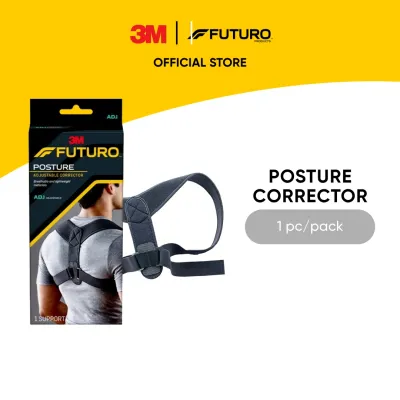
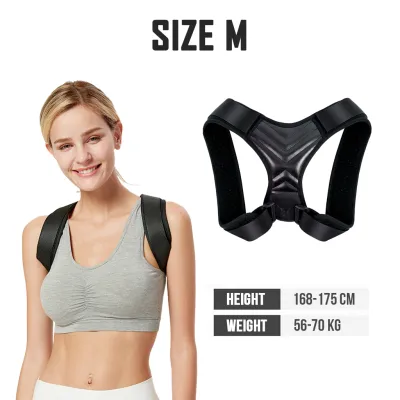
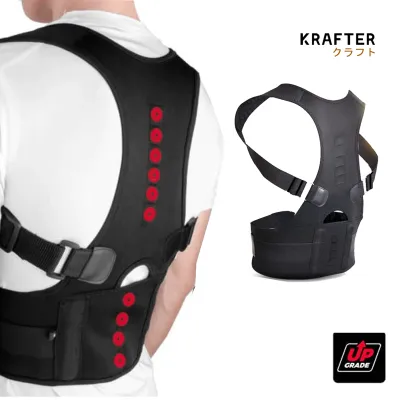
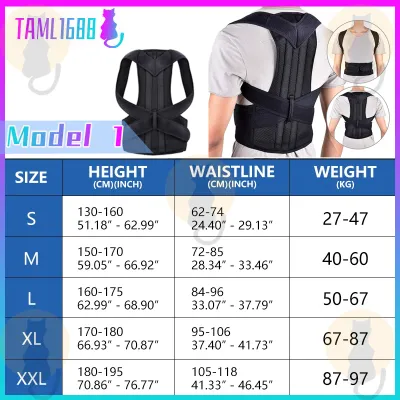
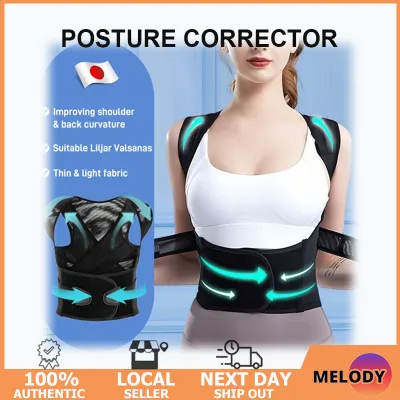
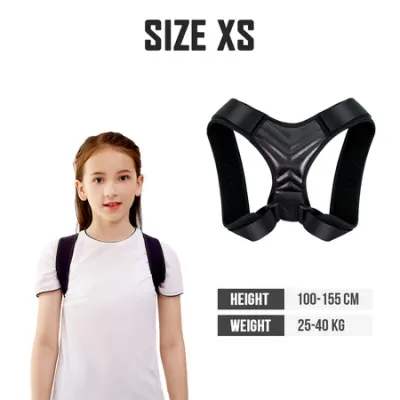
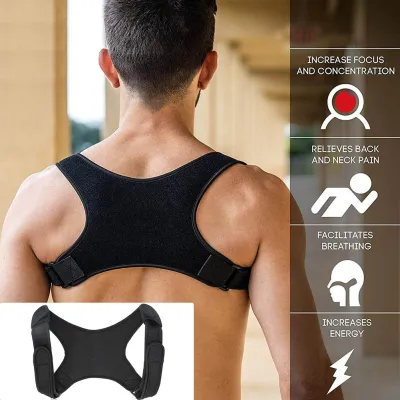
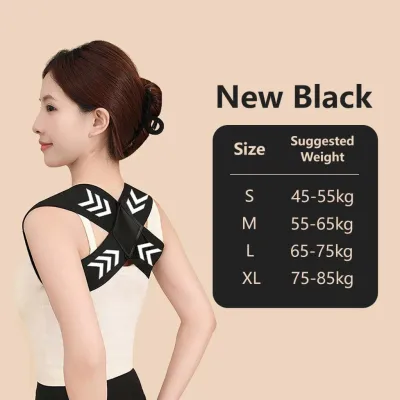
Prices are valid at publication and may change. Please refer to the product page for the latest price.
It is a common misconception that these devices can permanently cure structural spinal deformities such as severe scoliosis or structural kyphosis. Structural changes in the spine involve bone alignment and deep ligament adaptations that a simple elastic or fabric brace cannot alter. A wearable spine corrector is a supportive aid, not a corrective medical cure for underlying skeletal issues. Relying on a brace to fix a structural condition without professional medical intervention can delay appropriate treatment and potentially worsen the issue.
Furthermore, external supports do not replace active muscle strengthening, ergonomic workspace adjustments, or targeted physical therapy. True posture improvement comes from the balanced strength of your deep core, rhomboids, middle trapezius, and erector spinae muscles. If you rely solely on a brace to hold your body upright, your muscles will have no incentive to work. Over time, this lack of engagement can lead to muscle dependency, where your natural supporting tissues weaken further, leaving you more prone to slouching and discomfort when the brace is removed.
To avoid this cycle of dependency, a spine corrector should always be viewed as a temporary training tool. It should be paired with daily mobility exercises, chest stretches, and upper back strengthening routines. By using the brace to build postural awareness while simultaneously training your muscles to support that alignment, you create a sustainable path toward long-term spinal health.
Key Features to Evaluate for Daily Comfort and Support
Selecting a spine corrector that you can comfortably wear throughout a typical day in Singapore requires careful inspection of its design and materials. Singapore’s tropical climate, characterized by high humidity and warm temperatures, makes material breathability a primary consideration. Synthetic fabrics that trap heat and moisture can quickly lead to sweat accumulation, skin irritation, and unpleasant odors. Look for braces constructed from lightweight, perforated neoprene, mesh panels, or moisture-wicking fabrics that allow air to circulate freely against your skin.

Adjustability and fit are equally critical to ensure the device provides effective feedback without causing harm. A reliable spine corrector must feature high-quality fasteners, such as durable hook-and-loop straps, that do not slip under tension. Sizing charts provided by manufacturers should be consulted carefully, as a brace that is too small will restrict your breathing and limit natural shoulder movement, while one that is too large will fail to provide any tactile feedback. The straps should be wide enough to distribute pressure evenly across your shoulders and back rather than cutting into your skin.
For those planning to wear a posture support during office hours or social outings, the profile and discretion of the design are major factors. A bulky, heavily structured brace will be highly visible under lightweight office wear or casual t-shirts, which may discourage you from wearing it consistently. Opt for low-profile, minimalist designs that lay flat against your back and feature thin, streamlined straps. These can be worn discreetly under a standard button-down shirt or blouse, allowing you to maintain your posture training without drawing unwanted attention.
Finally, pay close attention to the cushioning around high-friction areas, particularly the clavicle, collarbone, and underarms. The skin around the armpits is highly sensitive and contains major nerve pathways and blood vessels. A poorly designed spine corrector with unpadded or rough-edged straps can cause severe chafing, skin irritation, or even nerve compression, leading to numbness in your arms. Ensure the model you choose features thick, soft padding in these critical zones, or comes with removable slip-on pads that can be adjusted to fit your specific anatomy.
How to Source Reliable Posture Supports in Singapore
Navigating the market to find a genuine, high-quality spine corrector requires a cautious approach, especially with the abundance of low-cost options available online. To ensure you are purchasing a safe and effective product, prioritize established local purchasing channels. Registered local pharmacies, physical therapy clinics, and specialized sports medicine retailers in Singapore are excellent starting points. These brick-and-mortar establishments typically stock products that meet basic safety and material standards, and their staff can often assist you with basic sizing questions.
If you prefer the convenience of online shopping, stick to official brand stores or authorized distributors on major e-commerce platforms. Be highly skeptical of unverified third-party sellers who make absolute medical claims, such as promising to “cure scoliosis in two weeks” or “permanently eliminate back pain.” These exaggerated claims are clear red flags. Additionally, avoid product listings that lack detailed sizing guides, material specifications, or those that feature suspiciously uniform, overly enthusiastic reviews that lack specific details about the product’s actual performance.
Before finalizing your purchase, perform a few quick verification steps to protect your investment. Check if the seller or manufacturer provides clear contact details, a responsive customer service channel, and a reasonable return or exchange policy. Because proper fit is essential for a spine corrector to work safely, a flexible return policy is invaluable if you discover the sizing chart did not align with your body shape. Take the time to read critical, low-star reviews on independent forums or retail sites; these often highlight practical issues such as rapid strap degradation, failing fasteners, or stitching that unravels after a few washes.
When evaluating the price of a spine corrector, which can range from under S$20 to over S$100 in Singapore, balance the upfront cost against long-term value. A very cheap, unbranded brace may seem appealing, but it often utilizes low-grade elastic that loses its tension within a few weeks, rendering it useless. Investing a bit more in a well-engineered model with durable stitching, high-grade fasteners, and a manufacturer’s warranty ensures that the device will maintain its structural integrity and provide consistent support throughout your posture training journey.
Proper Fitting, Usage Limits, and Safety Checks
Once you have selected a suitable spine corrector, fitting it correctly is the most important step to prevent injury and ensure comfort. Begin by putting the brace on and adjusting the straps so they are snug but not overly tight. The brace should gently pull your shoulders back into a natural, relaxed alignment when you begin to slouch. If you feel the straps digging deeply into your armpits, or if you find it difficult to take a deep, comfortable breath, the brace is too tight. You should always be able to move your arms freely and expand your chest fully without resistance.
Establishing a safe usage routine is essential to prevent muscle fatigue and dependency. As a general guideline, start by wearing the spine corrector for short intervals, such as 15 to 30 minutes once or twice a day. This allows your body and nervous system to adapt to the feedback without overworking your muscles. You can gradually increase this duration as your comfort improves, but always defer to the specific usage limits provided by the manufacturer. Continuous, uninterrupted wear for hours on end is highly discouraged unless specifically prescribed by a healthcare professional.
Throughout the day, perform regular physical checks to monitor how your body is responding to the brace. If you experience any signs of restricted circulation or nerve compression—such as numbness, tingling, a “pins and needles” sensation in your arms or hands, or cold fingers—remove the brace immediately. Similarly, check your skin for deep red marks, chafing, or bruising after taking the brace off. These signs indicate that the device is either improperly positioned, adjusted too tightly, or is the incorrect size for your frame.
Maintaining hygiene and fabric integrity is also vital, particularly in Singapore’s warm climate where sweat can degrade elastic fibers. Always consult the garment care label on your spine corrector before cleaning it. Most high-quality braces require gentle hand washing in cool water with a mild detergent to preserve the elasticity of the straps and the strength of the fasteners. Avoid using bleach, fabric softeners, or putting the brace in a tumble dryer, as high heat can warp the synthetic materials and destroy the structural support of the device. Allow it to air dry completely in a well-ventilated, shaded area before wearing it again.
When to Seek Professional Medical Advice Instead
While a commercial spine corrector can be a helpful tool for general posture awareness, there are clear boundaries where self-treatment is inappropriate and professional medical evaluation is required. If you experience sharp, localized spinal pain, shooting pain that radiates down your arms or legs, or persistent numbness and tingling, you should stop using the brace immediately. These symptoms often point to underlying issues such as a herniated disc, nerve impingement, or joint inflammation that require a formal medical diagnosis.
Individuals with pre-existing spinal conditions must exercise extreme caution. If you have been diagnosed with scoliosis, severe kyphosis, osteoporosis, or have a history of spinal surgeries or vertebral fractures, you should never use a commercial spine corrector without consulting your orthopedic specialist or physiotherapist first. Using an off-the-shelf brace on an already compromised or structurally altered spine can apply improper forces to vulnerable areas, potentially exacerbating your condition or causing secondary injuries.
A qualified physical therapist can offer highly effective, personalized alternatives that go far beyond what a commercial brace can achieve. They can perform a comprehensive biomechanical assessment to identify your specific muscle imbalances and design a targeted exercise program to strengthen weak muscles and stretch tight ones. Additionally, they can apply specialized kinesiology taping to provide dynamic, lightweight feedback, or prescribe medically graded, custom-fitted orthotics if structural support is genuinely necessary. Relying on professional guidance ensures that your path to spinal health is safe, targeted, and sustainable.
Frequently Asked Questions (FAQ)
Can I wear a spine corrector all day at work?
No, wearing a spine corrector all day during your working hours is generally discouraged. Continuous wear can lead to muscle laziness and dependency, as your back and core muscles stop working to hold you upright, ultimately weakening your natural support system. Instead, aim to wear the device intermittently—such as for 20 to 30 minutes during periods of high slouching, like mid-afternoon desk work. Combine these active feedback sessions with regular posture breaks, standing up to stretch, and adjusting your office chair ergonomics. Always consult the manufacturer’s specific guidelines, as many recommend a maximum daily wear limit to prevent muscle fatigue.
Will using a posture brace weaken my back muscles?
Using a posture brace can weaken your back muscles if it is used incorrectly or excessively. When the brace does all the work of holding your shoulders and spine in alignment, your postural muscles—such as the rhomboids and erector spinae—become inactive, which can lead to muscle atrophy over time. To prevent this, you must combine the use of a spine corrector with active core and upper back strengthening exercises. Treat the brace as a temporary training aid to build muscle memory and awareness. Once you find yourself naturally maintaining better alignment without the physical reminders, you should gradually wean off the device, relying instead on your body’s developed strength.
Community discussion
Share your experience or ask a question. Comments are reviewed before publication.