
Group camping in Singapore offers a wonderful opportunity to connect with nature along coastal parks or offshore islands, but the tropical climate presents distinct challenges. Sudden, heavy downpours, high humidity, and gusty winds require a large outdoor tent that does more than just keep the rain out. It must also manage internal moisture and remain stable during sudden squalls.
When selecting a tent for six or more people, relying on brand names or generic descriptions is not enough. Understanding how to evaluate waterproof specifications, structural designs, and ventilation systems is essential for ensuring a safe and comfortable trip. By focusing on verifiable design features and proper setup techniques, you can choose a shelter that keeps your group dry and comfortable throughout your camping adventure.
Understanding Waterproof Ratings and Materials
To determine how well a large outdoor tent will perform in a heavy downpour, you must first look at the manufacturer’s waterproof ratings. The standard measurement used is the Hydrostatic Head (HH) rating, which is expressed in millimeters. This rating indicates the height of a water column that the fabric can support before water begins to penetrate. For Singapore’s intense tropical rain, a rainfly rating of at least 2,000mm is recommended, while the tent floor should feature a higher rating, such as 3,000mm or more, to withstand the physical pressure of campers sitting or sleeping on wet ground.
Products mentioned in this guide
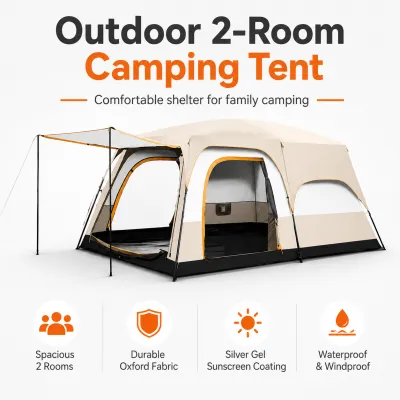
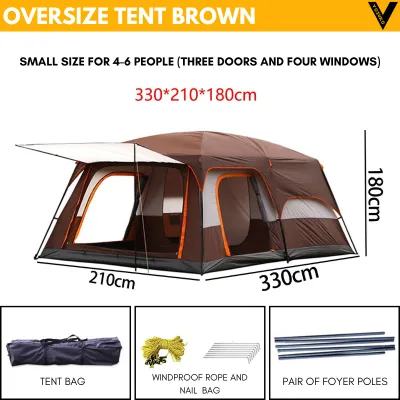
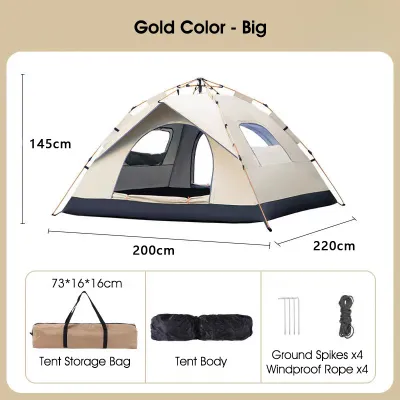
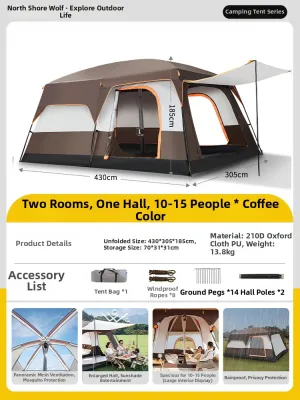
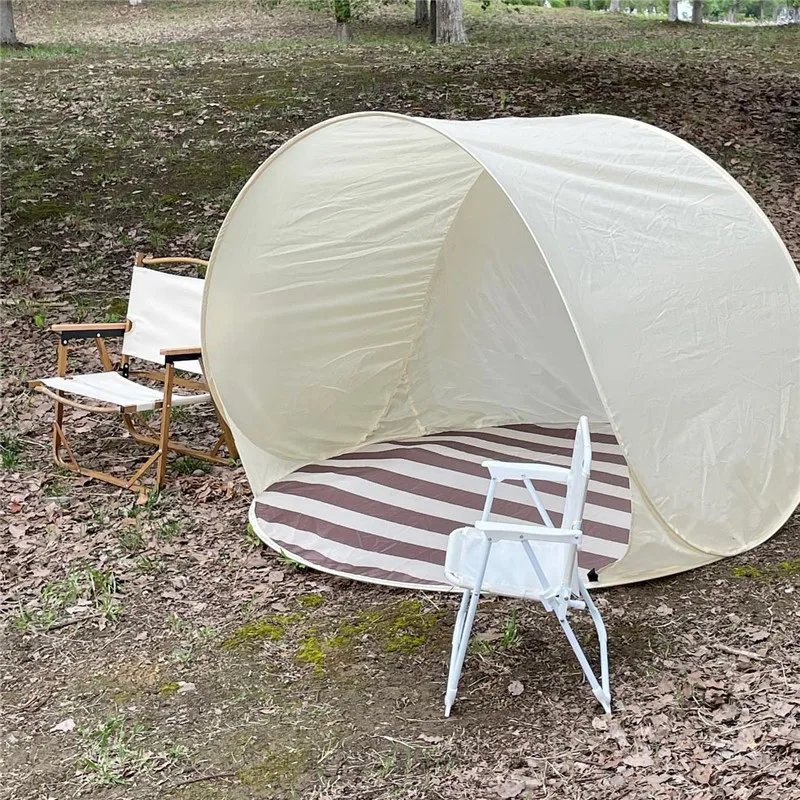
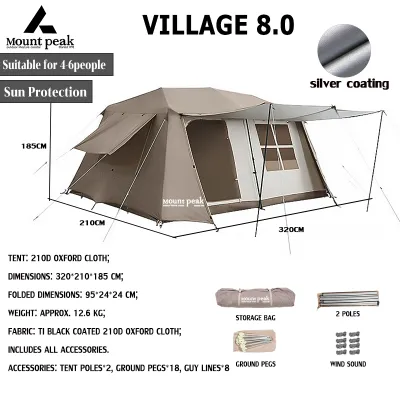
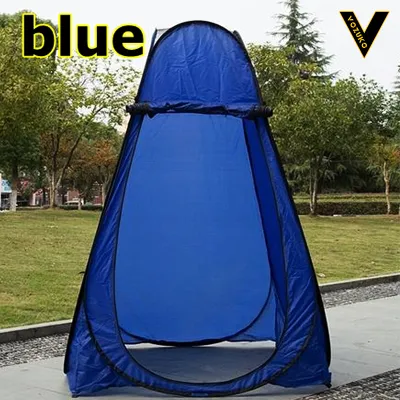
Prices are valid at publication and may change. Please refer to the product page for the latest price.
However, a high waterproof rating introduces a significant trade-off regarding breathability. Highly waterproof fabrics rely on thick coatings that block liquid water, but these same coatings also trap water vapor inside the tent. In Singapore’s warm, high-humidity environment, a group of campers exhaling moist air inside a sealed tent will quickly create a damp, uncomfortable interior. To balance these factors, look for double-walled tents that combine a highly waterproof outer rainfly with a highly breathable, mesh-heavy inner tent body.
The choice of fabric and coating also affects long-term durability in tropical climates. Polyurethane (PU) coatings are the most common and affordable option, but they are susceptible to hydrolysis—a chemical breakdown that occurs when the coating is exposed to heat and moisture over time, causing it to become sticky or flake off. Silicone-treated fabrics, often referred to as silnylon or silpoly, offer superior water repellency, UV resistance, and longevity, though they are typically found on premium models. Regardless of the material, ensure the tent features factory-sealed seams, as untaped seams will allow water to seep through the stitching during a prolonged storm.
Essential Design Features for Heavy Rain
When evaluating a large outdoor tent, the design of the rainfly is one of the most critical factors for wet-weather protection. Avoid tents with partial rainflies that only cover the roof mesh, as wind-driven rain can easily blow underneath them and penetrate the inner tent walls. Instead, look for a full-coverage rainfly that extends all the way to the ground, creating a complete protective envelope around the entire structure.

At ground level, a bathtub-style floor is essential for preventing water ingress. This design features a waterproof floor material that wraps several inches up the lower walls of the tent before joining the wall fabric, ensuring that standing water or splashing rain cannot seep through the lower seams. Verify that the floor seams are elevated well off the ground and are factory-taped to maintain a reliable barrier against moisture.
Vestibules and door placements also play a vital role in keeping the interior dry. A vestibule is an extension of the rainfly that creates a covered porch area outside the inner tent door. This space is invaluable for storing wet shoes, muddy gear, and backpacks, keeping the sleeping area clean and dry. Additionally, check that the door design allows you to enter and exit the tent without rain dripping directly onto the inner tent floor.
Finally, effective ventilation is crucial for managing internal condensation when camping with a group. Look for tents that feature high-low venting systems, which include adjustable ground vents to draw in cooler air and peak vents in the rainfly to allow warm, moist air to escape. Large mesh panels on the inner tent body facilitate this continuous airflow, helping to keep the interior dry and comfortable even when the rainfly is fully zipped during a storm.
Tent Shapes and Structures for Wet Weather Stability
The geometry of a large outdoor tent directly influences how well it sheds rain and resists wind during sudden squalls. Dome tents feature sloping walls that allow rainwater to run off quickly and offer excellent wind-shedding capabilities, making them highly stable in stormy conditions, though they provide less headroom near the edges. Cabin tents offer near-vertical walls and maximum headroom, which is ideal for group comfort, but their flat surfaces catch the wind easily and can allow water to pool on the roof if the fabric is not tensioned perfectly.
Tunnel tents offer a practical compromise, providing a great balance of interior space and wind resistance when aligned correctly with the wind direction. However, they require secure staking at both ends to maintain their structural integrity. When choosing a shape, consider the typical weather conditions of your camping location and select a profile that matches your priority, whether that is maximum standing room or superior wind resistance.
Pole materials are another critical component of structural stability. Aluminum poles are highly recommended for large tents because they offer an excellent strength-to-weight ratio and can flex without breaking during sudden wind gusts. Fiberglass poles are more economical but are heavier and can splinter under high stress, while steel poles provide unmatched strength for heavy cabin tents but add significant weight to your gear, making them suitable only for car camping.
Selecting a tent for six or more people also requires balancing space-to-weight trade-offs. A large outdoor tent is inherently heavy and bulky, so you must consider how you will transport it to your campsite. If you are car camping at designated sites with nearby parking, weight is less of a concern, allowing you to prioritize spacious cabin designs. If your trip involves hiking or taking a ferry to an offshore island, a lighter dome or tunnel design that can be split among group members is a more practical choice.
Evaluation Checklist: Building Your Tent Shortlist
To find the right waterproof tent for your group, start by verifying the manufacturer’s capacity claims against your actual space requirements. A rated “6-person” tent typically assumes that six campers will sleep shoulder-to-shoulder with no room for gear or movement. For a comfortable group experience, apply the “plus-two” rule: select an 8-person tent for a group of six, or a 6-person tent for a group of four, ensuring adequate space for sleeping pads, luggage, and comfortable movement.
Next, cross-reference user reviews on online marketplaces and camping forums to assess real-world performance. Look past generic high ratings and search specifically for keywords like “rain,” “storm,” “condensation,” and “humidity.” Pay close attention to feedback from users in tropical climates, as a tent that performs well in dry, cold regions may struggle to manage condensation or heavy downpours in warm, humid environments.
Budgeting is another key consideration when building your shortlist. While budget-friendly, single-layer tents are widely available, they rarely offer the weather resistance needed for heavy tropical storms. Allocate your S$ budget toward tents that feature double-wall construction, aluminum poles, and factory-sealed seams. Investing in a high-quality model ensures reliable protection, safety, and a tent that will last for multiple seasons rather than failing during its first major storm.
Setup and Maintenance for Lasting Waterproofing
Even the most waterproof tent will leak if it is pitched incorrectly. When setting up your tent, ensure the rainfly is pulled taut and staked out completely. The rainfly must not touch the inner tent fabric, as any contact points can allow water to transfer through the material via capillary action. Use all included guylines to secure the tent, as proper tensioning helps the structure shed water efficiently and prevents wind damage.
Site selection is equally important for maintaining a dry shelter. Never pitch your tent in a depression, dry hollow, or at the base of a slope where rainwater naturally pools during a downpour. Choose a slightly elevated, flat area with good natural drainage. Avoid pitching directly under large trees, as falling branches pose a safety hazard during storms, and dripping water from the canopy will prolong the drying process.
Proper maintenance is essential for preserving your tent’s waterproof coatings, especially in humid climates where mold and mildew thrive. Never pack away a wet or damp tent; doing so can permanently damage the waterproof barrier and cause the fabric to rot. After returning home, pitch the tent in a shaded, well-ventilated area until it is completely dry. Clean off dirt, sand, and salt spray with a soft sponge and clean water, avoiding harsh detergents that can strip the protective coatings.
Finally, remember that equipment cannot replace sound judgment. Even the highest-quality waterproof tent has its limits. If severe tropical storms, high winds, or lightning hazards are forecast, the safest decision is to postpone or abort the trip rather than attempting to ride out extreme weather in a temporary shelter.
Frequently Asked Questions (FAQ)
Do I need a footprint or groundsheet for extra waterproofing?
Yes, using a footprint or groundsheet is highly recommended. A footprint acts as a protective barrier, shielding your tent’s waterproof floor from sharp rocks, twigs, and abrasive sand that can cause micro-punctures over time. It also adds an extra layer of moisture protection against damp ground. To prevent water from pooling under your tent, ensure the footprint is tucked completely underneath the tent floor; if it extends beyond the edges, it will catch rainwater and funnel it directly beneath your shelter.
How can I test a tent's waterproofing before a group trip?
Before heading out on a group camping trip, perform a thorough inspection and test at home. Pitch the tent in your yard or a suitable open space and check the seams for peeling tape, and inspect the fabric for sticky residue or flaking coatings. Use a garden hose with a spray nozzle to simulate a rain shower, spraying the tent from various angles for several minutes. Check the interior for any signs of water ingress, paying close attention to the seams, zippers, and corners to ensure everything is completely sealed.
What should I do if my tent leaks during a camping trip?
First, determine if the moisture is condensation or an actual leak. Wipe down the interior walls; if the moisture returns uniformly, improve ventilation by opening vents or mesh panels. If water is dripping from a specific seam or joint, use temporary field repair tape or a compatible seam sealer to patch the area from the inside. If a severe storm compromises the tent’s structure or safety, prioritize your group’s well-being and seek permanent shelter or abort the trip immediately.
Community discussion
Share your experience or ask a question. Comments are reviewed before publication.