
Choosing a yoga stick as a Pilates beginner in Singapore involves matching the physical dimensions and material properties of the tool to your body proportions and training environment. Often referred to as an alignment pole or stretching stick, this simple apparatus serves as a rigid tactile reference point to help you identify asymmetrical movement patterns, stabilize your pelvis, and maintain a neutral spine. Rather than relying on generic product rankings, selecting the right stick requires a systematic evaluation of how different materials, lengths, and grip textures perform under specific training conditions.
By understanding these core specifications, you can avoid common purchasing mistakes, such as buying a stick that is too short for your wingspan or one made of materials that degrade quickly in high-humidity environments. This guide establishes a practical framework to help you assess your physical needs, compare available options, and select a yoga stick that safely supports your progression into Pilates.
Do You Need a Yoga Stick for Your Pilates Routine?
Integrating a yoga stick into your Pilates routine can be highly beneficial if your primary goals are improving postural awareness, correcting shoulder asymmetry, or finding a reliable tactile guide during mat work. In Pilates, movement precision is paramount. A rigid stick provides immediate feedback; if your shoulders tilt or your torso rotates unevenly during an exercise, the angle of the stick will instantly reveal the misalignment. This makes it an excellent tool for assisted chest opening, shoulder flossing, and stabilizing the upper body during spinal rotation exercises.
Products mentioned in this guide

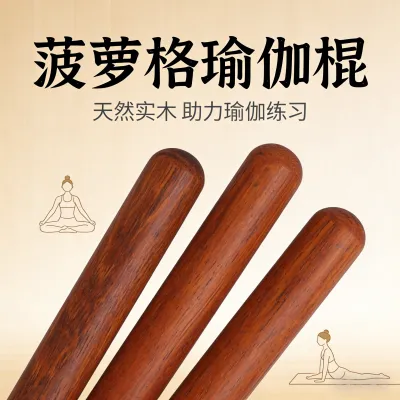
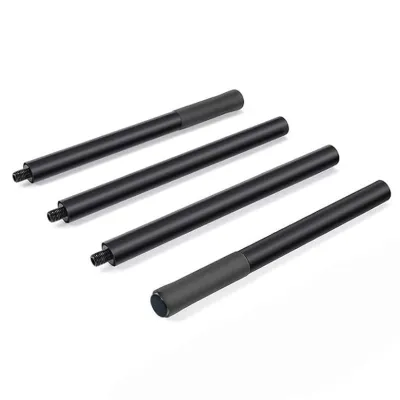
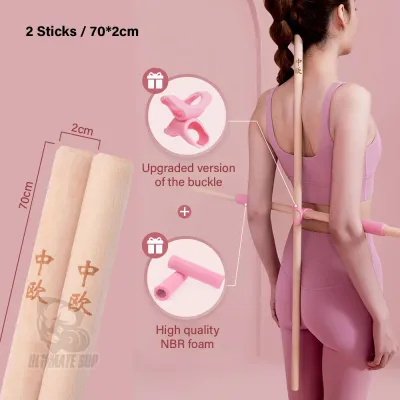
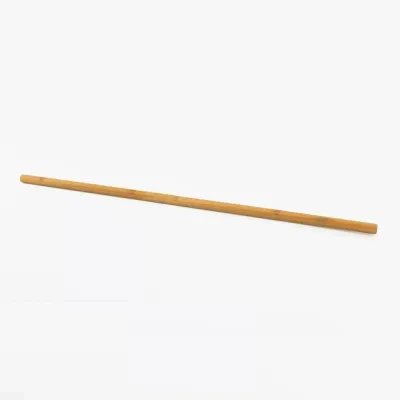

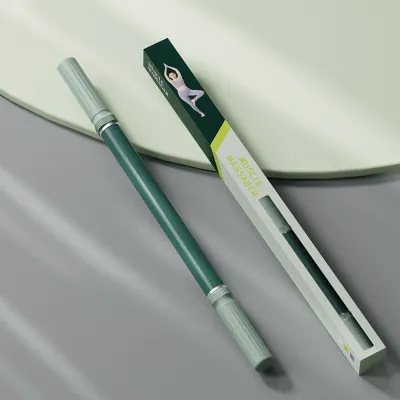
Prices are valid at publication and may change. Please refer to the product page for the latest price.
It is important to distinguish a yoga stick from other common Pilates props, as their structural roles and load paths differ significantly. A resistance band is elastic and designed to provide progressive tension throughout a movement, whereas a Pilates ring is flexible and intended for isometric compression or expansion. A yoga stick, by contrast, is completely rigid and non-elastic. It does not provide resistance to build muscular hypertrophy; instead, it acts as a static spacer and alignment guide to help you maintain consistent spacing between your hands or shoulders.
Before incorporating a yoga stick into your home practice, you should demonstrate foundational core control and joint stability. Beginners must be able to maintain a neutral spine and a stable pelvis during basic mat exercises without relying on external props for physical support. If you struggle to control your core or experience acute joint pain during unassisted movements, adding a long, rigid lever like a yoga stick can inadvertently increase joint strain. Ensure you can perform standard mobility movements comfortably before introducing this tool to your sessions.
Core Selection Criteria: Material, Length, and Grip
When evaluating different yoga sticks, three primary dimensions dictate their safety, comfort, and overall utility: material composition, physical dimensions, and surface texture. These factors directly influence how heavy the stick feels, how much flex it exhibits under gentle pressure, and how securely you can hold it during sweaty sessions.

To make an informed decision, you must learn to read manufacturer specification sheets and product labels carefully. Look past marketing terms and focus on verifiable metrics, such as the exact weight in grams, the total length in centimeters, the diameter of the shaft, and the specific materials used in both the core and the outer coating.
Comparing Materials: Wood, Fiberglass, and Plastic
Wooden yoga sticks, typically crafted from beech, maple, or bamboo, offer a traditional, solid feel and a natural weight that many practitioners find grounding. The inherent density of hardwood provides excellent tactile feedback, making it easy to sense the stick’s orientation in space. When shopping for a wooden stick, it is essential to verify that the surface has been treated with a moisture-resistant, non-toxic sealant. Unsealed wood can absorb sweat, leading to bacterial growth, unpleasant odors, and eventual warping or splintering over time.
Fiberglass and plastic alternatives serve as lightweight, highly durable options that are impervious to moisture. Fiberglass sticks are exceptionally strong and can offer a very slight, controlled flex under load, which some users find more forgiving on stiff joints. Plastic models, often made from high-density ABS, are highly affordable and exceptionally light, making them easy to maneuver. However, low-grade plastic sticks can bend permanently or warp if exposed to high temperatures, and they may lack the structural rigidity required to provide accurate alignment feedback.
Choosing between natural and synthetic materials involves clear trade-offs regarding durability, maintenance, and tactile comfort. Wooden sticks are highly durable and aesthetically pleasing but require careful storage and immediate drying after use. Synthetic options like fiberglass and ABS plastic are incredibly easy to clean and sanitize, making them highly practical for humid climates, but they may feel less substantial in hand and can sometimes slip more easily if they lack a textured outer sleeve.
Sizing Guide: Matching Length and Diameter to Your Body
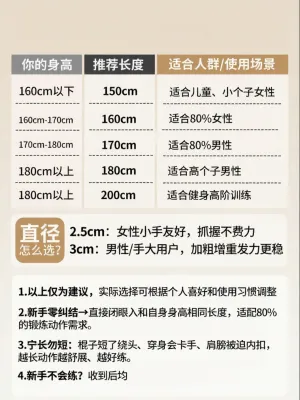
Selecting the correct stick length is critical for maintaining proper biomechanics during Pilates exercises. Standard yoga sticks generally range from 80 centimeters to 100 centimeters in length. To determine the ideal size for your body, you must correlate the stick’s length with your height and wingspan. For overhead exercises and chest-opening stretches, the stick must be long enough to allow you to grip it with hands positioned wider than your shoulders while keeping your elbows straight. If the stick is too short, it will force your shoulders into internal rotation, which can cause joint impingement and muscle strain.
To find your ideal length, stand with your arms outstretched to the sides and have someone measure the distance from your spine to your fingertips, or measure your total wingspan against a wall. As a general rule, individuals under 165 centimeters in height typically find an 80-centimeter stick sufficient for most exercises. Those between 165 and 180 centimeters generally require a 90-centimeter stick, while taller practitioners or those with exceptionally wide shoulders should opt for a 100-centimeter model to ensure adequate clearance during wide-grip movements.
Shaft diameter is another critical dimension that affects hand comfort and grip security. Most yoga sticks feature a diameter between 2.0 and 3.0 centimeters. If you have smaller hands or suffer from joint discomfort in your fingers, a thinner shaft (around 2.2 centimeters) allows for a more relaxed, secure grip without overworking your forearm muscles. Conversely, individuals with larger hands or those seeking a more substantial surface to rest against their shoulders may prefer a thicker shaft (around 2.8 to 3.0 centimeters) to distribute pressure more evenly across the skin.
Evaluating Grip Quality and Surface Texture
Evaluating the surface texture of a yoga stick is essential for preventing accidental slips and maintaining precise hand placement during dynamic movements. Smooth, polished finishes—common on traditional wooden sticks—provide a classic aesthetic and allow your hands to slide smoothly along the shaft when transitioning between exercises. However, smooth surfaces offer very little traction once your hands begin to sweat, requiring significant grip strength to prevent the stick from rotating or sliding out of alignment.
Textured finishes, such as those featuring ribbed patterns, matte synthetic coatings, or integrated foam sleeves, provide superior slip resistance. In warm or humid training environments, these textured surfaces are highly beneficial as they maintain tactile friction even when exposed to moisture. When reviewing product descriptions, look for explicit mentions of non-slip materials like EVA foam, thermoplastic rubber (TPR), or textured silicone, which offer a secure hold without requiring excessive hand pressure.
Some yoga sticks also incorporate ergonomic contours, molded hand rests, or padded central sections. A padded center is particularly useful if you plan to rest the stick across the back of your neck or shoulders during rotational exercises, as it cushions the spinous processes of your vertebrae. While these features enhance comfort, ensure that any contoured grips align correctly with your natural hand placement; poorly positioned contours can force your wrists into awkward angles, leading to joint strain.
Conditional Shortlist: Matching Sticks to Beginner Profiles
To simplify your purchasing decision, you can map your specific training priorities, living space, and physical needs to one of the following beginner profiles. This structured approach allows you to eliminate unsuitable products quickly and focus on the specifications that will most benefit your daily practice.
- The Frequent Traveler or Space-Constrained Practitioner: If you plan to carry your stick to a local studio, travel frequently, or live in a compact apartment with limited storage space, prioritize portability and ease of storage. Look for a detachable, multi-section yoga stick. These models typically feature two or three steel or high-density plastic segments that screw together securely via threaded metal joints. They can be disassembled in seconds to fit into a standard backpack or gym bag. Ensure the product specifications indicate a total disassembled length of under 40 centimeters and a weight of less than 500 grams.
- The Dedicated Home Practitioner: If your yoga stick will remain permanently in your home workout area, prioritize structural integrity, tactile feedback, and long-term durability. A single-piece, solid hardwood stick (such as treated beech or maple) measuring 90 to 100 centimeters is the ideal choice. Single-piece construction eliminates the risk of joint play or wobbling over time, providing a completely rigid and reliable reference point for your alignment. Look for a model with a weight of 700 to 1,000 grams, as this added heft provides excellent grounding feedback during balance and posture exercises.
- The Practitioner with Sensitive Hands or Limited Grip Strength: If you experience joint discomfort, arthritis, or find it difficult to maintain a tight grip on hard surfaces, prioritize cushioning and a manageable diameter. Seek out a lightweight fiberglass or aluminum core stick wrapped entirely in a thick, high-density EVA foam sleeve. The foam should have a total outer diameter of approximately 2.5 to 2.8 centimeters, providing a soft, compressible surface that reduces pressure points on your palms and fingers. This setup allows you to maintain control of the stick with minimal muscular effort, protecting your wrists and finger joints from unnecessary strain.
By identifying which profile best describes your situation, you can use targeted search terms on e-commerce platforms—such as “detachable yoga stick,” “solid wood alignment pole,” or “foam padded stretching bar”—to filter out irrelevant listings and find a product that matches your exact requirements.
Where to Buy in Singapore and What to Verify Before Checkout
When purchasing a yoga stick in Singapore, you can choose between visiting physical specialty sports stores or browsing online marketplaces. Physical retail stores allow you to hold the stick, test its weight, and verify that the shaft diameter feels comfortable in your hand before spending any money. This hands-on evaluation is highly recommended for beginners who are unsure of their sizing preferences. Online marketplaces, on the other hand, offer a much wider selection of materials, lengths, and price points, but they require a higher level of consumer vigilance to ensure quality.
Before finalizing any online purchase, perform several essential verifications to avoid receiving an unsuitable or low-quality product. First, confirm the exact dimensions of the stick in centimeters; do not rely on generic size labels like “medium” or “standard.” Second, carefully read customer reviews, paying close attention to feedback regarding joint stability in detachable models and the quality of the surface finish. Finally, verify the seller’s return policy to ensure you can easily exchange or return the stick if it arrives warped, damaged, or in the incorrect size.
Price points for yoga sticks in Singapore typically range from S$15 for basic plastic or low-end detachable models to S$50 or more for premium, single-piece hardwoods or specialized adjustable alignment tools. While it can be tempting to opt for the cheapest available option, extremely low-priced sticks often suffer from poor quality control, resulting in rough wood surfaces that can cause splinters, or weak plastic joints that wobble during use. Allocate a budget of S$25 to S$40 to secure a durable, well-finished stick that will safely support your Pilates practice for years to come.
Pre-Use Safety Checks and Routine Maintenance
To ensure your safety and prolong the lifespan of your equipment, establish a habit of performing quick pre-use inspections and regular maintenance. Before every workout, conduct a visual and tactile check of your yoga stick. If you use a wooden model, run your hands along the shaft to check for any splinters, cracks, or rough spots that could injure your skin. For detachable models, inspect the threaded joints to ensure they are fully tightened and that there is no play or wobbling between the segments. If you detect any structural cracking, deep warping, or loose joints, stop using the stick immediately.
Proper cleaning is essential for maintaining a hygienic grip and preventing material degradation, especially after sweaty Pilates sessions. For wooden sticks, wipe the surface immediately after use with a clean, slightly damp microfiber cloth to remove sweat and skin oils. Avoid using harsh chemical cleaners, alcohol-based sanitizers, or excessive water, as these can strip the protective sealant and cause the wood to swell or crack. For synthetic sticks made of fiberglass, plastic, or metal, you can use a mild, diluted soap solution or gentle sanitizing wipes, ensuring the stick is wiped completely dry with a clean towel afterward.
Storage conditions play a critical role in preserving the structural integrity of your yoga stick, particularly in Singapore’s hot and humid tropical climate. Store your stick flat on a level shelf or hang it vertically from a dedicated hook in a well-ventilated indoor area. Avoid leaving wooden or plastic sticks on balconies, near open windows, or in direct sunlight, as prolonged exposure to high humidity and UV radiation can cause wood to warp, adhesives to fail, and plastics to become brittle. By taking these simple precautions, you can keep your yoga stick in optimal condition and ensure a safe, effective Pilates practice.
Frequently Asked Questions (FAQ)
Can I use a yoga stick for strength training instead of stretching?
No, you should not use a standard yoga stick for strength training or progressive resistance exercises. A yoga stick is designed strictly as a rigid alignment, posture, and mobility tool. It does not possess the elastic properties of a resistance band, nor is it engineered to support heavy external loads. Attempting to bend, pull, or anchor a yoga stick under high tension can exceed its structural limits, causing the material to snap, splinter, or break, which can lead to serious physical injury. Always refer to the manufacturer’s guidelines to understand the intended use and structural limits of your specific equipment.
How do I clean a wooden yoga stick without damaging the finish?
To clean a wooden yoga stick safely, use a soft microfiber cloth that has been lightly dampened with plain water or a highly diluted, pH-neutral wood soap. Gently wipe down the entire surface of the shaft to remove sweat, oils, and dirt. Immediately follow this with a dry, clean towel to absorb any remaining moisture, as standing water can penetrate the wood grain and cause warping. Never submerge a wooden stick in water, spray it with harsh household detergents, or use abrasive scrubbing pads, as these actions will degrade the protective finish and ruin the wood.

Community discussion
Share your experience or ask a question. Comments are reviewed before publication.