
APACS offers a wide variety of badminton rackets across different price points, making it a popular choice for many players. However, finding the right model requires more than just picking a popular name. Selecting the ideal APACS racket depends on aligning the racket’s technical specifications—such as weight, balance, and shaft stiffness—with your personal playing style and current skill level. This guide will help you decode these specifications and match them to your needs for a confident purchase.
When stepping onto the court, your racket becomes an extension of your arm. A mismatched racket can hinder your progress, lead to early fatigue, or even cause chronic injuries like tennis elbow. By understanding how APACS categorizes its equipment, you can narrow down the vast catalog to a few select models that complement your natural swing. Whether you play casual weekend doubles at a local community center in Singapore or train for competitive amateur tournaments, matching the racket to your physical capabilities is the first step toward improving your game.
Assess Your Playing Style and Current Skill Level
Before looking at product catalogs or visiting a local sports shop, you must evaluate how you actually play the game. Badminton playing styles generally fall into three categories: attacking, defensive, or all-around. Attacking players rely heavily on powerful smashes, steep drops, and aggressive baseline play. If this matches your approach, you will want equipment that helps generate downward force. Defensive players, on the other hand, prioritize rapid recovery, quick net play, and the ability to return hard smashes. For this style, maneuverability and speed are paramount. All-around players require a balanced setup that allows them to transition smoothly between defense and attack without sacrificing control.
Products mentioned in this guide
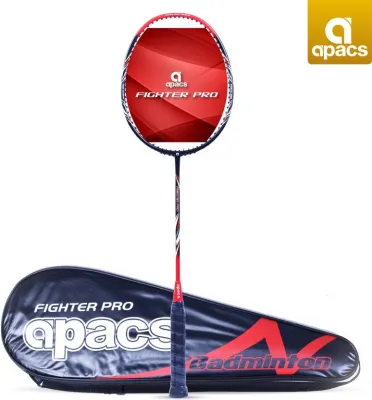
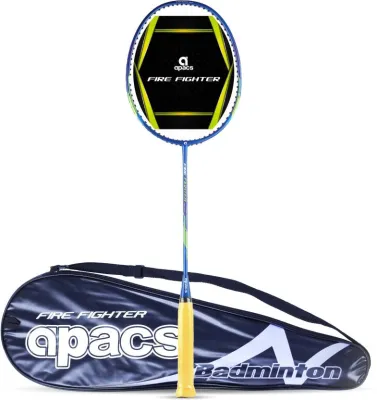
Prices are valid at publication and may change. Please refer to the product page for the latest price.
Your current skill level also dictates the type of racket you can effectively handle. Beginners generally benefit from a highly forgiving racket. This means a larger sweet spot—the area on the string bed that produces the most clean and powerful contact—and a more flexible frame that assists with power generation. As an intermediate player, you likely have developed basic stroke techniques and are looking to refine your accuracy and power. Advanced players, who possess refined wrist work and rapid swing speeds, require precise feedback from the racket, often preferring stiffer frames that translate every ounce of energy directly to the shuttlecock.
Physical attributes, particularly wrist and forearm strength, are critical factors that players often overlook. Using a racket that is too heavy or has an excessively stiff shaft can strain your muscles and joints, especially during long sessions in humid indoor halls where fatigue sets in quickly. If you have a slower swing speed or are recovering from an injury, choosing a lighter, more flexible racket is a safer decision that helps prevent long-term physical strain while you build up your technique.
Decode Key APACS Racket Specifications
To make an informed decision, you must understand the technical specifications printed directly on the shaft or cone of every APACS racket. The first key metric is weight, which is represented by the “U” system. In this classification, a lower number indicates a heavier racket. For example, a 2U racket is quite heavy (typically around 90 to 94 grams) and is rarely used today except for specific training purposes. The 3U category (85 to 89 grams) is common for traditional singles players who want maximum momentum behind their shots. The 4U category (80 to 84 grams) has become the modern standard for doubles players, offering an excellent balance of speed and power. Extremely light options, such as 5U (75 to 79 grams) or lighter, are designed for maximum defensive speed and rapid net exchanges.

The balance point of a racket determines where the majority of its weight is distributed. This is measured in millimeters from the bottom of the handle. A head-heavy racket (typically over 295mm) concentrates weight at the top of the frame, acting like a hammer to add momentum to your smashes. A head-light racket (typically under 285mm) shifts the weight toward the handle, making the racket feel incredibly light and easy to swing quickly during defensive drives. An even-balanced racket (285mm to 295mm) distributes weight uniformly, offering a versatile middle ground suitable for players who do not want to commit to a single specialized style.
Shaft stiffness is another critical specification that influences control and power. APACS rackets range from flexible to extra stiff. A flexible shaft bends easily during your swing, storing elastic energy that snaps back to propel the shuttlecock even if your technique is not perfect. This is ideal for players with slower swing speeds. Conversely, a stiff shaft does not bend easily. It requires a fast, explosive swing to generate power, but it offers control and immediate feedback, as the racket head does not wobble during high-speed contact.
Finally, grip size is denoted by the “G” system, where a larger number usually indicates a smaller handle circumference (such as G5 or G6). Choosing the right grip size is highly personal. A smaller grip allows for more finger play and quick adjustments during deceptive shots, and you can always increase the thickness by adding a replacement grip or overgrip. A larger grip provides a more secure, stable hold for players who rely on heavy, full-arm smashes.
Match Racket Profiles to Your Player Type
Once you understand the specifications, you can begin matching specific racket profiles to your player type. For power-focused and attacking players, the ideal profile consists of a head-heavy balance combined with a 3U or 4U weight. The head-heavy design provides the necessary leverage to execute steep, powerful smashes from the backcourt. If you have strong wrists and excellent technique, a stiff shaft will help you direct that power with high precision. When browsing APACS options, look for series labels that emphasize power, offensive play, or heavy frame construction, as these are engineered to withstand the high forces of aggressive play.
If your game relies on control, quick reflexes, and defensive maneuvers, you should look for a head-light or even-balanced racket in a 4U weight class. A lighter frame allows you to react instantly to fast drives and lift the shuttlecock deep into the opponent’s court during defensive rallies. A flexible to medium-stiff shaft is highly beneficial here, as it provides a bit of extra bounce to help clear the shuttlecock from difficult, low positions without requiring a full, uninterrupted swing.
For speed-oriented and all-around players, an even-balanced racket in a 4U or 5U weight class is the most practical choice. This setup ensures you are not left vulnerable during fast-paced doubles rallies while still retaining enough head weight to deliver decent smashes when an opportunity arises. A medium-stiff shaft is ideal for this category, offering a balanced mix of control for net drops and flexibility for clears.
Always adjust these recommendations based on your actual skill level and physical condition. Beginners should almost always start with a lighter (4U or 5U) racket with a flexible shaft, regardless of whether they want to play an attacking game. Attempting to use a heavy, stiff racket too early in your badminton journey can lead to poor habits, as you may force your swings using your shoulder rather than proper wrist technique, increasing the risk of joint strain. Advanced players can safely transition to heavier and stiffer setups as their muscle memory and physical conditioning improve.
Verify Authenticity and Inspect Before Purchase
With the popularity of APACS rackets in Singapore, ensuring you purchase a genuine product is essential for both performance and safety. Counterfeit rackets often use inferior materials that can crack under normal stringing tension or shatter during a mid-court collision. When shopping, always buy from authorized physical sports retailers or reputable online marketplaces that offer buyer protection. Look for official APACS hologram stickers on the shaft or cone, and check if the serial numbers are cleanly engraved rather than simply printed on the surface.
Before finalizing your purchase, perform a physical inspection of the racket. Check the cone and shaft for the laser-engraved specifications, including the weight, balance point, and stiffness rating. Genuine APACS rackets clearly display these metrics to help players verify that the physical product matches the advertised specifications. Inspect the frame for any visible structural flaws, uneven paintwork, or misaligned grommet strips, which can indicate poor quality control or a counterfeit item.
Additionally, pay close attention to the recommended string tension limits printed on the racket frame or shaft. APACS is known for producing highly durable frames, with many models supporting high tensions up to 35 lbs or more. However, you should never exceed the manufacturer’s specified limit. Exceeding this limit can warp the frame, cause premature structural failure, and instantly void any warranty provided by the retailer.
Frequently Asked Questions (FAQ)
What string tension should I use for my APACS racket?
The ideal string tension depends heavily on your skill level and playing style. Beginners should generally stick to lower tensions, typically between 20 to 24 lbs. Lower tension creates a trampoline effect, providing a larger sweet spot and making it easier to clear the shuttlecock to the backcourt. Intermediate and advanced players often prefer higher tensions, ranging from 25 to 30 lbs or more, which reduces the sweet spot but offers exceptional control and crisp feedback for precise shot placement. Always verify the maximum tension limit printed on your specific APACS racket shaft before stringing to avoid damaging the frame.
Are APACS rackets suitable for professional tournaments?
Yes, APACS produces high-performance rackets that are fully capable of being used in competitive club matches and regional tournaments. The brand is highly regarded for offering durable, high-tension frames at an accessible price point. However, when preparing for officially sanctioned professional tournaments, you should focus on matching the racket’s exact specifications to your physical needs rather than relying on brand prestige alone. Additionally, always check the specific equipment regulations of your tournament organizers to ensure your racket and string setup comply with local competitive standards.

Community discussion
Share your experience or ask a question. Comments are reviewed before publication.