
When you are pushing through a high-intensity workout in a warm, humid climate, nothing is more refreshing than a draft of ice-cold water. While many sports tumbler brands claim to offer the longest-lasting cold retention on the market, the truth is that brand logos matter far less than the underlying engineering of the bottle. To find a tumbler bottle that keeps your drinks cold from the first set to the final stretch, you must look past marketing slogans and evaluate specific physical specifications. The best-performing bottles rely on robust vacuum seals, specialized lid designs, and high-quality materials that actively block heat transfer during movement.
Key Specifications That Determine Cold Retention
To understand how a tumbler bottle maintains low temperatures, it helps to look at the physics of thermal transfer. Heat moves into your cold drink through three primary pathways: conduction, convection, and radiation. High-performance sports bottles combat conduction by utilizing double-wall vacuum insulation. This construction features an inner and outer wall of stainless steel—typically food-grade 18/8 stainless steel—with the air completely evacuated from the space between them. Because a vacuum contains no air molecules, conduction is virtually impossible, preventing the ambient heat of a warm gym or outdoor track from warming your beverage.
Some premium manufacturers take this a step further by adding a thin copper or reflective metal lining to the outer surface of the inner wall. This lining acts as a radiation barrier, reflecting thermal radiation away from the cold liquid inside. When shopping for a tumbler bottle, checking the technical specifications for a copper-plated vacuum chamber can help you identify models engineered for maximum thermal resistance.
Products mentioned in this guide
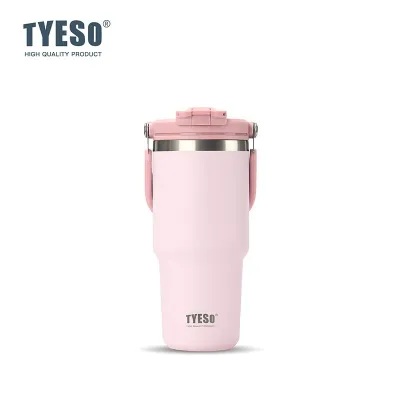
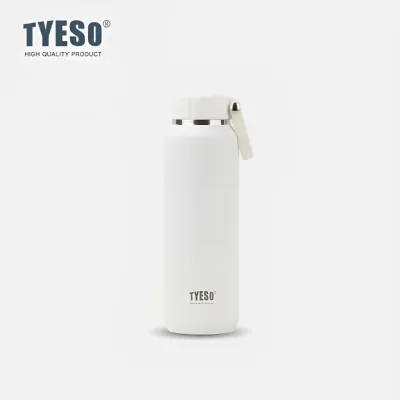
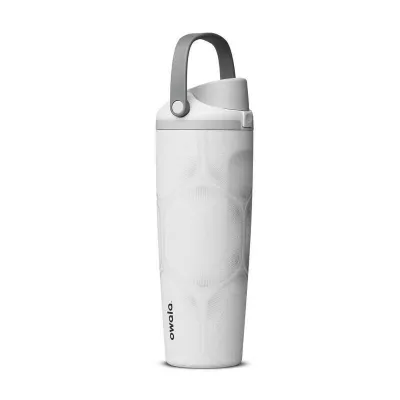
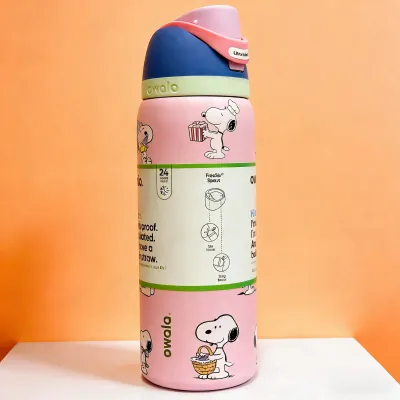
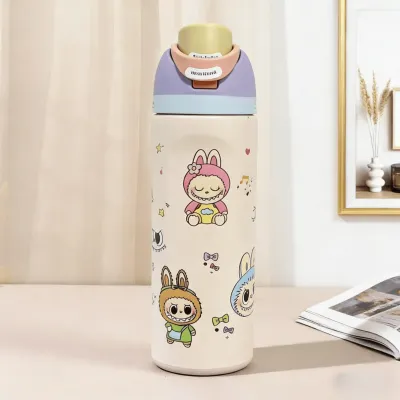
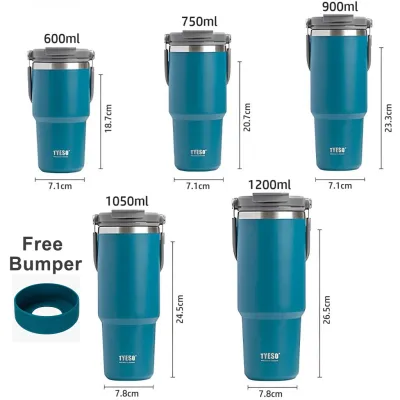
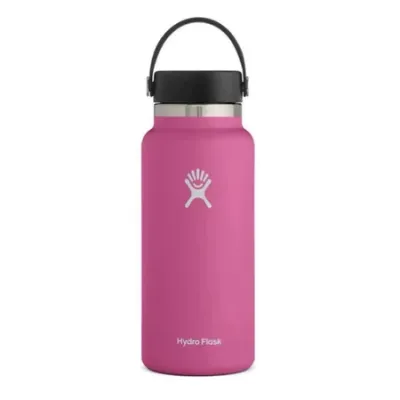
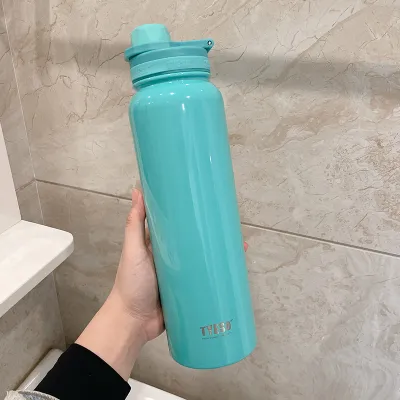
Prices are valid at publication and may change. Please refer to the product page for the latest price.
While the body of the bottle blocks heat transfer through the sides, the lid is often the weakest link in thermal retention. Lids are typically made of plastic or silicone, which do not insulate as effectively as a double-walled metal vacuum. Furthermore, the style of the lid directly influences convection. A wide-mouth screw-top lid provides an airtight seal with minimal surface area exposed to the air, making it highly efficient at trapping cold. In contrast, lids with built-in straw spouts, flip-caps, or pop-up nozzles introduce tiny gaps and uninsulated pathways where warm air can enter. If your primary goal is keeping water ice-cold for several hours, a solid, insulated screw-top lid will consistently outperform a complex straw lid.
The volume-to-surface-area ratio of your bottle also plays a critical role in how long your drink stays cold. Larger bottles containing a greater volume of liquid possess more thermal mass, meaning they resist temperature changes much better than smaller flasks. However, this advantage only holds true if the bottle is filled to capacity. A half-empty 1.2-litre tumbler bottle contains a large volume of warm air inside, which accelerates heat exchange with the cold liquid. To maximize cold retention, choose a bottle size that matches your actual hydration needs and fill it as close to the top as safely possible before your workout.
Matching Tumbler Bottle Features to Your Workout Type
Selecting the right tumbler bottle requires balancing thermal performance with the practical demands of your specific exercise routine. For long outdoor endurance sessions, such as road cycling, trail running, or outdoor boot camps in tropical heat, extreme insulation is a necessity. In these environments, your bottle is exposed to direct sunlight and high ambient temperatures, which rapidly degrade cold retention. A heavy-duty, double-walled stainless steel bottle with a secure screw lid is ideal here, even if it adds extra weight to your gear.

Conversely, standard indoor gym workouts or air-conditioned fitness classes place fewer demands on thermal insulation. If you are exercising indoors for an hour or two, a moderately insulated, lightweight tumbler bottle is often more practical. You do not need a bottle designed to keep ice frozen for 48 hours if your workout is finished in 90 minutes. Opting for a slightly lighter bottle can reduce fatigue when carrying your gear between exercise machines or packing it into a gym bag.
Portability and carrying methods are equally important trade-offs to consider. A heavily insulated 1.5-litre steel tumbler bottle is incredibly effective at keeping drinks cold, but it can weigh over two kilograms when fully filled. This weight is highly impractical for runners or hikers who need to minimize load. For activities where you are constantly on the move, look for bottles that offer integrated carry loops, ergonomic grips, or compatibility with standard bicycle bottle cages and running vests.
Finally, consider the hydration flow and spill-proof requirements of your sport. High-intensity interval training (HIIT) or yoga sessions often require quick, one-handed access to water without the risk of spills. If you are taking quick sips between intense sets, a leak-proof flip-lid or a high-flow straw lid is highly convenient, even if it sacrifices a small amount of insulation performance. If your workout involves inverted movements or dynamic exercises where the bottle might tip over in your bag, prioritize a lid with a robust, mechanical locking system and thick silicone gaskets to prevent messy leaks.
How to Verify Insulation Claims Before Buying
When browsing online marketplaces or sports retail stores, you will encounter bold claims of bottles keeping drinks cold for 24, 36, or even 48 hours. To avoid disappointment, it is essential to evaluate these claims critically. Manufacturers typically conduct insulation tests under highly controlled laboratory conditions. These tests often involve filling the bottle with water that is just above freezing (around 1 to 4 degrees Celsius) and keeping the bottle completely sealed in a temperature-controlled room without opening it once.
In the real world, your usage patterns will be very different. Every time you open the lid to take a sip, you introduce warm ambient air and disrupt the internal temperature. To get a realistic estimate of performance, look for user reviews that describe active, real-world use. Pay attention to feedback from users who take their bottles to outdoor sports fields, leave them in warm vehicles, or use them during long training sessions. If multiple reviewers note that the ice melts within a couple of hours of active use, the bottle’s real-world insulation may not live up to its laboratory rating.
Another critical factor to verify is the manufacturer’s warranty and return policy. Vacuum insulation can fail if the seal between the double walls is compromised during manufacturing or shipping. A telltale sign of vacuum failure is the outer wall of the bottle feeling cold to the touch or sweating with condensation when filled with ice water. Reliable brands typically offer multi-year or lifetime warranties against manufacturing defects, including vacuum seal failure. Before spending S$40 to S$80 on a premium tumbler bottle, ensure the brand provides clear recourse if your bottle arrives with a defective seal or develops condensation issues early on.
Maintenance and Care to Preserve Cold Retention
Even the highest-quality tumbler bottle can lose its insulating properties if it is not maintained correctly. One of the most common causes of vacuum failure is improper washing. While some stainless steel bottles are labeled as dishwasher safe, the intense heat and harsh detergents of a dishwasher cycle can degrade the exterior powder coating, weaken the adhesive seals, and eventually compromise the vacuum barrier. To prolong the life of your bottle, hand-washing with warm, soapy water and a soft bottle brush is highly recommended. Avoid using abrasive scrubbers or bleach, which can scratch the protective chromium oxide layer on the stainless steel and lead to corrosion.
Physical impacts are another major threat to your bottle’s performance. Dropping a heavy, water-filled metal tumbler onto a hard gym floor or a rocky outdoor trail can easily dent the exterior wall. If a dent is deep enough to push the outer wall into contact with the inner wall, it creates a thermal bridge. This direct physical contact allows heat to conduct straight through the metal, completely bypassing the vacuum insulation and ruining the bottle’s ability to keep drinks cold. Using a protective silicone boot on the base of your bottle can help absorb shocks and prevent dents during active use.
Lastly, pay close attention to the lid gaskets and seals during your cleaning routine. Over time, sweat, sports drink residues, and moisture can accumulate in the crevices of silicone gaskets, leading to mold growth and unpleasant odors. Regularly remove the silicone rings from the lid, wash them thoroughly, and allow them to dry completely before reassembling. Storing your tumbler bottle with the lid off when not in use allows air to circulate, preventing stale odors and ensuring the seals remain flexible and airtight for your next workout.
Frequently Asked Questions (FAQ)
Does the exterior color affect how long drinks stay cold?
Yes, the exterior color of your tumbler bottle can have a minor impact on thermal performance, but only when used in direct sunlight. Darker colors, such as black, navy, or deep grey, absorb more radiant heat from the sun’s rays than lighter colors or bare stainless steel. This absorbed heat warms the outer wall of the bottle. While a functioning double-wall vacuum will block most of this heat from reaching your drink, extreme outer temperatures can still cause slight heat transfer through the lid and neck of the bottle. If you frequently exercise outdoors under direct sunlight, choosing a white, light-colored, or reflective metallic finish can help minimize radiant heat absorption.
Is it safe to add ice cubes to all vacuum-insulated tumblers?
Adding ice cubes is generally safe and is one of the most effective ways to keep your water cold during long workouts, but you must handle the bottle with care. Dropping large, heavy ice cubes directly into an empty stainless steel bottle can dent or scratch the thin inner wall, potentially compromising the vacuum seal over time. To prevent damage, tilt the bottle at an angle and slide the ice cubes gently down the side, or fill the bottle with water first to cushion the impact of the falling ice. Additionally, always check the manufacturer’s guidelines, as some specialized lightweight or glass-lined bottles may have specific restrictions regarding ice usage.

Community discussion
Share your experience or ask a question. Comments are reviewed before publication.