
Choosing the right ankle compression socks for running and gym workouts in Singapore requires balancing graduated pressure with high-performance moisture management. In a tropical climate where relative humidity regularly exceeds 80 percent, standard socks quickly saturate with sweat, leading to painful blisters, fabric slippage, and accelerated wear. The ideal pair must combine synthetic moisture-wicking fibers, targeted arch compression, and a precise fit that prevents bunching inside your running shoes or trainers. By understanding how different materials, compression levels, and structural designs interact with your feet, you can select gear that supports your training goals while keeping your feet dry and comfortable.
When training in Singapore, your feet face the dual challenge of high ambient heat and intense humidity. Whether you are running along the outdoor paths of East Coast Park or performing high-intensity interval training in an air-conditioned fitness center, your feet produce significant moisture. Standard athletic socks often fail to manage this sweat, resulting in a damp microclimate inside your shoes that compromises your skin integrity and grip. Selecting compression socks designed specifically for athletic performance in tropical climates is essential to maintaining stability, comfort, and foot health.
Key Features for Moisture Management in Singapore's Climate
To combat the intense humidity of Singapore, the material composition of your compression socks is the most critical factor. Traditional cotton socks are highly counterproductive for running and gym workouts; cotton fibers absorb moisture and retain it, causing the sock to expand, heavy up, and rub against your skin. Instead, look for high-performance synthetic blends consisting of nylon, polyester, and elastane (spandex). Nylon provides durability and structure, polyester excels at pulling moisture away from the skin through capillary action, and elastane delivers the necessary stretch and recovery to maintain consistent compression.
Products mentioned in this guide
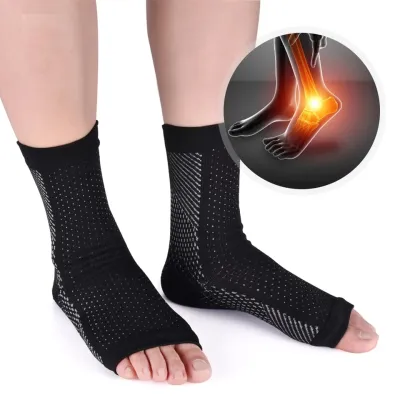
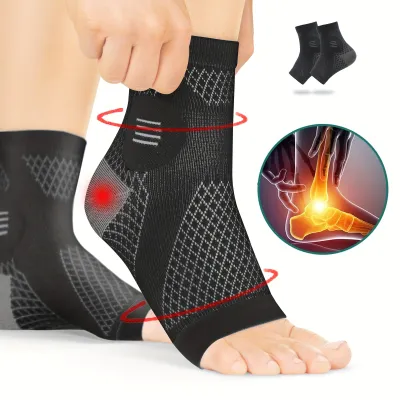
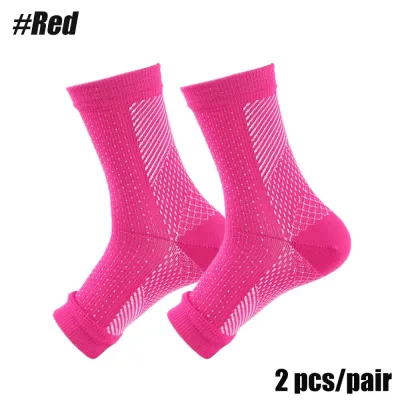
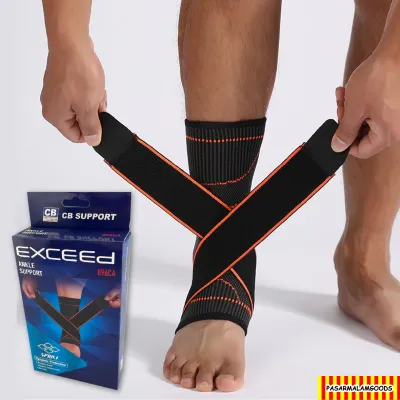
Prices are valid at publication and may change. Please refer to the product page for the latest price.
Moisture-wicking synthetic blends work by transporting sweat from the surface of your skin to the outer layer of the sock, where it can evaporate more readily through the mesh panels of your athletic shoes. Many advanced athletic socks incorporate multi-channel synthetic fibers that maximize surface area, accelerating this drying process. When evaluating socks, check the fiber content label to ensure cotton is entirely absent or kept to an absolute minimum, prioritizing blends that feature high percentages of technical polyester or nylon.
In addition to material composition, physical ventilation zones are crucial for heat dissipation. Look for socks that feature engineered mesh panels or breathability zones along the top of the foot (the dorsum). This area of the foot does not experience the same high-impact friction as the sole, making it the perfect location for a thinner, open-weave pattern. These mesh zones allow hot air to escape and fresh air to circulate with every stride, helping to regulate the temperature of your feet during long runs or intense gym sessions.
Friction is the primary cause of blisters, and wet skin is highly susceptible to friction damage. To protect your feet, choose ankle compression socks constructed with seamless toe closures. Traditional socks often have a bulky seam across the toes that rubs against the front of your shoe’s toe box during repetitive running strides or sudden stops in the gym. Seamless construction, often achieved through hand-linking or specialized flat-stitching techniques, eliminates this friction point entirely. Furthermore, high-quality athletic socks utilize specialized friction-reducing weaves in high-wear areas like the heel and the ball of the foot, providing a smooth interface that prevents the fabric from grabbing your skin.
Matching Compression Levels and Support to Your Activity
Compression levels in athletic wear are measured in millimeters of mercury (mmHg), which indicates the amount of pressure applied to the limbs. For ankle compression socks, this pressure is typically concentrated around the arch and the ankle joint to support the foot’s structure and promote venous return. Understanding the difference between mild and moderate compression levels will help you choose the right pair for your specific training regimen.

Mild compression, typically ranging from 15 to 20 mmHg, is highly suitable for active wear during running and gym workouts. This level of pressure provides a supportive feel, helps minimize muscle vibration during impact, and promotes blood flow without feeling overly restrictive or difficult to put on. It is an excellent choice for daily training runs, weightlifting sessions, and general fitness classes. Moderate compression, ranging from 20 to 30 mmHg, applies a firmer squeeze. While some long-distance runners prefer this level for high-impact road running, it is more commonly utilized for post-workout recovery to help reduce muscle soreness and swelling. If you are new to compression gear, starting with a mild level allows your feet to adapt to the sensation of targeted pressure.
Targeted arch support is another essential structural feature to evaluate. High-quality ankle compression socks feature an elasticized band that wraps tightly around the midfoot, supporting the plantar fascia and the medial longitudinal arch. During running, this band helps distribute impact forces evenly across the foot. In the gym, where workouts often involve lateral movements, agility drills, and heavy lifting, targeted arch support helps stabilize the foot inside the shoe, preventing excessive rolling or shifting. This structural reinforcement reduces fatigue in the small muscles of the foot, allowing you to maintain proper form throughout your workout.
While compression socks are generally safe for athletic use, certain conditions require caution. The pressure exerted by compression garments can affect blood circulation and nerve sensitivity. If you have pre-existing medical conditions such as diabetes, peripheral arterial disease, neuropathy, or severe circulatory issues, you must consult a healthcare professional before using compression socks. Additionally, if you experience any numbness, tingling, skin discoloration, or sharp pain while wearing compression gear, you should remove the socks immediately and seek medical advice. Compression socks are designed to support your performance, but they should never cause discomfort or restrict healthy blood flow.
How to Measure and Build Your Condition-Based Shortlist
To experience the benefits of compression, obtaining a precise fit is absolutely essential. A sock that is too loose will fail to provide the intended support and may slip, while a sock that is too tight can restrict circulation and cause discomfort. Building your shortlist requires accurate measurements rather than relying solely on your standard shoe size, as compression sizing charts often incorporate ankle dimensions.
To measure your feet accurately, use a flexible measuring tape. First, measure your ankle circumference at the narrowest point, which is typically just above the ankle bone (the malleolus). Keep the tape snug against your skin but do not pull it tight enough to compress the tissue. Next, measure your foot length or note your accurate standard shoe size. When consulting manufacturer sizing charts, prioritize the ankle circumference measurement if your shoe size falls between two categories. Because compression socks rely on physical tension to deliver pressure, matching your specific ankle dimensions to the sizing chart ensures the sock applies the correct graduated compression profile.
Beyond basic measurements, evaluate the physical shape of the sock’s heel pocket and toe box. A well-designed compression sock features an anatomically shaped heel pocket that anchors the sock in place, preventing it from sliding down into your shoe during deep squats, lunges, or sprints. The toe box should be wide enough to allow your toes to splay naturally when your foot strikes the ground. A cramped toe box can compress your toes together, increasing the risk of friction blisters and reducing your stability during balance-focused gym exercises. Look for socks that specify an asymmetrical left/right fit, as these are tailored to the unique contours of each foot.
When trying on a new pair of compression socks, perform a thorough fit check and watch for red flags. The fabric should lay completely flat against your skin without any bunching, particularly around the ankle joint and the top of the foot. Fabric bunching is a clear sign that the sock is too long or loose, which will lead to chafing during movement. Conversely, check for signs of restricted circulation, such as cold toes, a loss of sensation, or deep, painful red indentations left on your skin after wearing the socks for a short period. The cuff of the sock should rest securely above the ankle bone without digging in aggressively. If the sock slips down during a brief walk or causes immediate constriction, it is not the correct size for your foot shape.
Care and Maintenance to Preserve Elasticity and Breathability
High-quality compression socks represent an investment in your athletic performance, and proper care is essential to preserve their elastic fibers and moisture-wicking capabilities. The elastane fibers that provide the compression are sensitive to heat, friction, and harsh chemicals. Developing a consistent, gentle laundry routine will significantly extend the lifespan of your gear.
Always wash your compression socks in cold or lukewarm water, keeping the temperature below 30°C. High water temperatures can degrade the elastic polymers, causing them to lose their stretch and snap. Use a mild, liquid detergent and avoid using bleach or fabric softeners. Fabric softeners are particularly damaging to athletic gear; they leave a thin, waxy silicone coating on the synthetic fibers, which clogs the moisture-wicking pores and severely reduces the fabric’s breathability. To protect the socks from friction damage caused by zippers or velcro from other workout gear in the washing machine, place them inside a mesh laundry bag before running the cycle.
When it comes to drying, air drying is the safest and most effective method. Hang the socks in a well-ventilated indoor area or a shaded outdoor spot. Avoid exposing them to direct, intense tropical sunlight for extended periods, as UV rays can break down elastane over time. Never use a high-heat tumble dryer, as the intense heat will warp and melt the elastic threads, permanently ruining the compression profile of the socks. If you must use a dryer, select a no-heat or low-heat air-fluff cycle, though air drying remains the preferred method to maintain structural integrity.
To accommodate a frequent training schedule in Singapore’s climate, establish a rotation strategy. Wearing the same pair of compression socks for consecutive workouts without allowing the elastic fibers to fully recover can accelerate wear. Having at least three to four pairs in your rotation ensures that each pair has ample time to be washed, thoroughly dried, and allowed to return to its natural shape before the next use. This rotation not only maintains the effectiveness of the compression but also supports personal hygiene by ensuring you always train in completely dry, fresh gear.
Over time, all compression garments will eventually lose their elasticity and need replacement. Monitor your socks for observable signs of wear. A primary indicator is a loss of fabric “snap”—when you stretch the sock, it should immediately spring back to its original shape. If the fabric feels limp, or if the ankle cuff slides down during your workouts, the elastic fibers have degraded. Other signs include visible thinning of the material under the heel or ball of the foot, frayed threads, or persistent odors that remain after washing. On average, with regular use and proper care, high-quality athletic compression socks maintain their functional compression levels for approximately six to nine months before replacement is recommended.
Frequently Asked Questions (FAQ)
Can I wear ankle compression socks all day, or only during workouts?
Ankle compression socks designed for athletic use are optimized for active movement, but they can also be worn for recovery or daily wear, provided they fit correctly. During a workout, the compression works in tandem with your muscle contractions to support circulation. For post-workout recovery, wearing mild compression socks for a few hours can help minimize swelling and promote blood flow while your muscles rest. However, you should avoid wearing tight athletic compression socks continuously for 24 hours or while sleeping, as your circulatory dynamics change when lying flat. Always listen to your body; if you experience any discomfort, coldness in your toes, or skin irritation, remove the socks immediately to allow your circulation to return to its natural state.
Do ankle compression sleeves work the same as ankle compression socks?
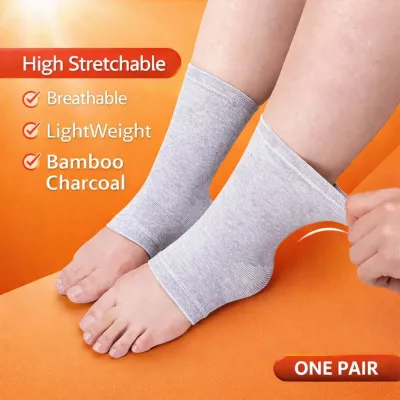
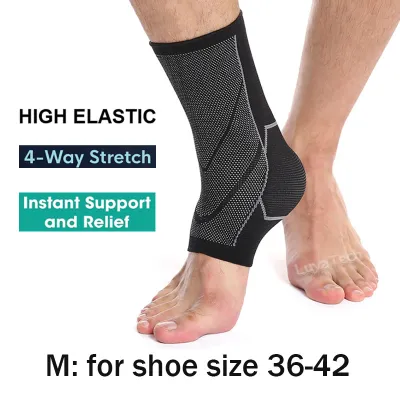
Ankle compression sleeves and ankle compression socks serve different functional purposes and are suited to different training scenarios. A compression sleeve is a footless tube that covers the ankle and lower calf, leaving the heel and toes exposed. While sleeves provide targeted compression to the ankle joint and are easy to pair with your favorite thin socks, they do not offer integrated arch support or blister protection. Full ankle compression socks cover the entire foot, providing a continuous barrier that reduces friction between your skin and your shoe. For running and high-intensity gym workouts, full compression socks are generally preferred because they stabilize the arch, prevent the sock from sliding, and protect the toes and heels from friction-induced blisters, which is especially critical in Singapore’s humid training conditions.

Community discussion
Share your experience or ask a question. Comments are reviewed before publication.