
Selecting the right aerobic stepper board for a compact Housing & Development Board (HDB) flat requires balancing your fitness goals with the realities of limited square footage and close-proximity living. The ideal stepper for a smaller home is a compact, highly stackable model that can be easily tucked away under a bed or inside a wardrobe when not in use. It must also feature robust, non-slip contact points and be paired with vibration-dampening accessories to prevent workout noise from traveling through concrete floors to the neighbors below.
Before purchasing, you should evaluate the physical dimensions of the board, the design of its height-adjusting risers, and the specific flooring in your workout area. By focusing on modularity, storage efficiency, and impact reduction, you can maintain a consistent cardio routine at home without cluttering your living space or disrupting your household and neighbors.
Assessing Your Space and Storage Requirements
To find a stepper board that fits seamlessly into your home, start by measuring your dedicated workout zone. You need to account for more than just the physical footprint of the board itself. Safe exercise requires a clear buffer zone of at least one meter around the entire perimeter of the platform. This clearance ensures you can step off safely in any direction, perform wide arm movements, and avoid colliding with nearby furniture, walls, or television consoles.
Products mentioned in this guide
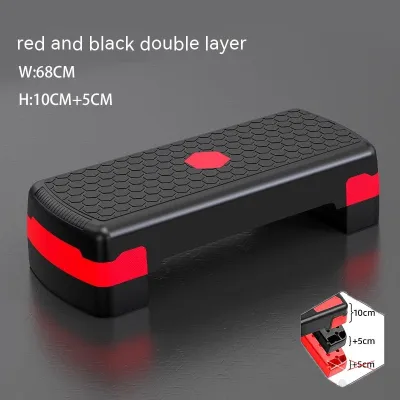
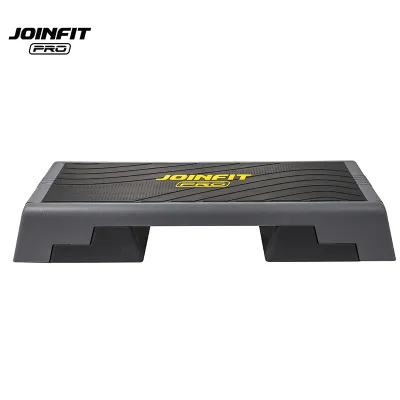
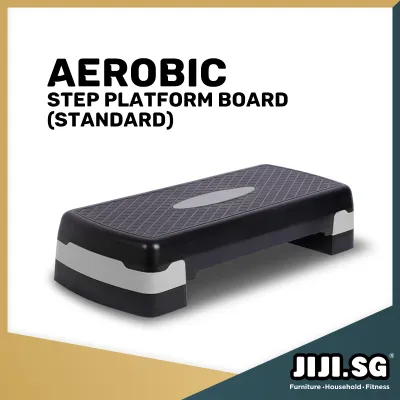
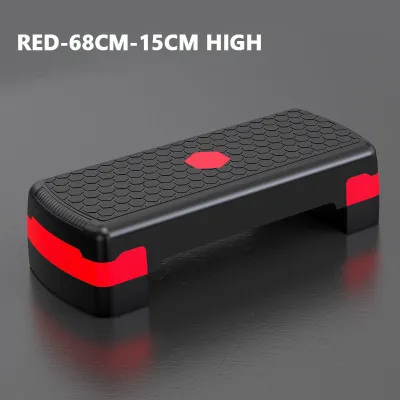
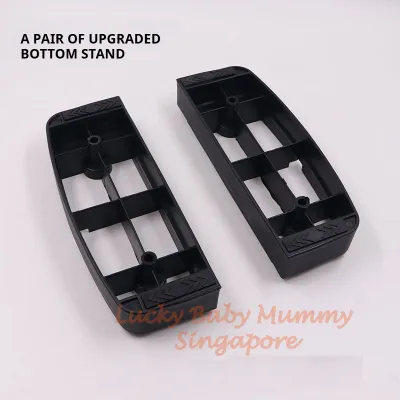
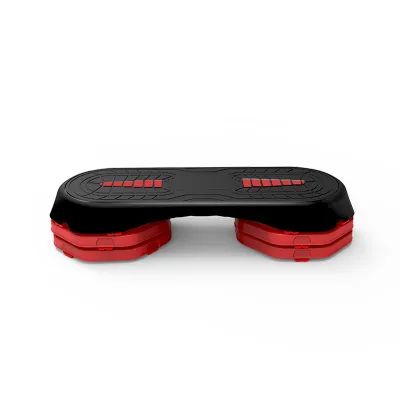
Prices are valid at publication and may change. Please refer to the product page for the latest price.
Next, identify where the equipment will live when you are not exercising. Standard home storage solutions in HDB flats often include the narrow gap beneath a bed frame, the space behind a bedroom door, or the bottom shelf of a built-in wardrobe. Measure these storage spaces carefully, noting the height, width, and depth limits. Choosing a stepper board that exceeds these dimensions will result in permanent clutter in your living room or hallway.
Finally, inspect the floor surface where you plan to exercise. Common HDB flooring materials, such as vinyl wraps, laminate wood, or polished ceramic tiles, react differently to friction and pressure. Harder tiles offer excellent stability but can cause plastic equipment to slide easily if not properly anchored. Softer vinyl or laminate floors provide slightly more natural grip but are highly susceptible to permanent indentation and scuffing under heavy, repetitive impacts.
Selecting Space-Saving Features and Dimensions
When shopping for fitness equipment, you will generally choose between standard commercial-sized platforms and compact home-use models. While larger commercial boards offer a wider target area for complex choreography, they often prove too bulky for small apartments. Compact models reduce the overall length and width, making them significantly easier to maneuver and store in tight spaces without sacrificing the core benefits of step aerobics.

Selecting a model with modular components is key to maximizing your available space. Stepper boards that feature integrated storage compartments or nesting parts allow you to keep all accessories together in a single, tidy package. This design prevents loose parts from cluttering your closets and ensures your workout setup remains organized and ready to use at a moment’s notice.
Adjustable Risers and Stackability
The height of your aerobic stepper board directly determines the intensity of your workout, which is typically adjusted using detachable blocks called risers. For a small flat, the design of these risers is just as important for storage as it is for fitness. Look for nesting risers that fit securely inside the underside of the main platform when disassembled. This nesting feature minimizes the vertical profile of the stored board, allowing it to slide easily under low-clearance furniture.
Before finalizing a purchase, verify how the risers lock into the main platform. The connection mechanism should be straightforward to assemble and disassemble without requiring specialized tools or excessive physical force. However, it must remain completely rigid once locked. Avoid designs with loose-fitting blocks that wobble or slide apart when lifted, as these present a safety hazard during quick lateral movements and make transport highly inconvenient.
Footprint and Portability
A compact stepper board typically measures between 60 to 70 centimeters in length, compared to the 100 centimeters or more found on commercial gym models. This reduced length significantly decreases the floor space required during your workout, making it much easier to position the board between a sofa and a television console. Ensure the platform surface is still wide enough to accommodate your entire foot comfortably during basic stepping patterns.
Portability is another critical factor for equipment that must be set up and packed away for every session. Check the total weight of the board and its accompanying risers in the manufacturer’s specifications. A lightweight plastic construction, usually weighing between two to four kilograms, allows a single person to lift, carry, and store the equipment safely without straining their back. Ensure the board features molded hand grips or textured edges to make carrying it secure and comfortable.
Minimizing Noise and Vibration for Neighbors
Living in a multi-story HDB block means that structural vibrations from high-impact workouts can easily travel through the concrete floor slab, creating disruptive thumping noises for the residents living directly below you. To maintain good neighborly relations, you must actively address the impact noise generated by your stepping routines. The first line of defense is the built-in rubber feet on the bottom of the stepper board and its risers. Inspect these contact points to ensure they are made of thick, non-marking rubber that absorbs initial shock rather than hard plastic that clatters against the floor.
To further isolate the noise, always place a high-density shock-absorbing mat underneath your stepper board. Standard yoga mats are generally too thin and soft to damp heavy impact vibrations effectively. Instead, opt for specialized high-density EVA foam tiles or solid rubber gym mats with a thickness of at least 10 to 15 millimeters. These mats distribute the downward force of your steps over a larger surface area, significantly reducing the acoustic energy transmitted into the building’s structure.
In addition to physical barriers, establishing a considerate workout schedule is essential for community harmony. Avoid planning high-intensity, high-impact jumping routines during early morning hours or late at night when neighbors are likely sleeping or resting. If you must exercise during these quiet hours, modify your routine to focus on low-impact, steady-state stepping patterns that keep at least one foot on the platform at all times, minimizing heavy landing forces.
Verifying Safety and Stability for Small Spaces
Exercising in a confined environment increases the risk of accidental trips or collisions, making equipment stability absolutely paramount. Before using any stepper board, locate the manufacturer’s stated maximum weight capacity, which is typically printed on a safety label on the underside of the platform or detailed in the user manual. Ensure this limit comfortably accommodates your body weight plus any additional hand weights or weighted vests you plan to use during your training sessions.
The texture of the platform’s top surface is your primary protection against slipping, especially during intense, high-sweat cardio workouts. Look for boards featuring a deeply textured, non-slip rubber or thermoplastic elastomer (TPE) top sheet. Avoid smooth plastic surfaces, which can become incredibly slick when wet with perspiration. If you notice sweat pooling on the platform during exercise, pause your workout immediately to wipe the surface dry with a towel.
Finally, test the stability of the board at its highest configuration before starting your routine. When risers are stacked to increase the platform height, the center of gravity rises, which can make some models prone to tipping if you step too close to the outer edges. Confirm that the base of each riser maintains full, flat contact with your protective floor mat. Always perform a few slow, deliberate test steps on the center of the board to verify that the entire assembly remains rock-solid and does not slide or rock before transitioning to faster, high-energy movements.
Frequently Asked Questions (FAQ)
Can I use an aerobic stepper board directly on vinyl or laminate flooring?
It is highly recommended to avoid placing an aerobic stepper board directly on vinyl or laminate flooring. The repetitive, high-pressure impacts of stepping can cause the hard plastic edges or rubber feet of the board to leave permanent scuffs, scratches, or deep indentations in these relatively soft materials. Additionally, some rubber compounds used in non-slip feet can chemically react with vinyl over time, causing stubborn discoloration. To protect your home’s flooring and prevent the board from sliding, always place a dedicated, high-density protective gym mat or interlocking foam tiles beneath the equipment before you begin your workout.
How do I clean and maintain the stepper board in a humid climate?
Singapore’s humid tropical climate creates an environment where sweat, dust, and moisture can quickly lead to mold growth and material degradation if your equipment is not properly maintained. After every workout, wipe down the entire stepper board—including the top textured surface, the underside, and all risers—using a damp cloth and a mild, non-abrasive soapy solution. Avoid harsh chemical cleaners that can dry out and crack the rubber non-slip pads. Allow all components to air dry completely in a well-ventilated, shaded indoor area before stacking and storing them in enclosed spaces like wardrobes or under-bed storage boxes to prevent musty odors and mildew.

Community discussion
Share your experience or ask a question. Comments are reviewed before publication.