
Finding the best fitness gloves for women in Singapore requires looking beyond generic, unisex designs to find options tailored to smaller hand proportions, narrower palms, and shorter finger lengths. In Singapore’s hot and humid climate, the ideal gloves must also balance grip protection with high breathability to prevent sweat buildup and slippage during intense workouts. Rather than searching for a single ‘universal’ best glove, the most effective approach is to match the glove’s padding, material, and wrist support to your specific training style—whether that is heavy powerlifting, high-intensity interval training (HIIT), or general gym machine workouts.
Singapore’s fitness scene spans air-conditioned commercial gyms, open-air functional fitness boxes, and outdoor fitness corners. The high humidity levels mean that sweat management is not just a matter of comfort, but a critical safety factor for maintaining a secure grip on barbells, dumbbells, and pull-up bars. Selecting the right pair involves evaluating physical design features, understanding how to measure your hands accurately for regional sizing, and knowing how to maintain the materials to prevent odor in a tropical environment.
Why Women-Specific Fit Matters for Performance and Comfort
Anatomical differences make women-specific fitness gloves essential for both safety and performance. Women generally have narrower palms, shorter fingers, and smaller wrist circumferences relative to overall hand length compared to men. Unisex gloves are often scaled-down versions of men’s patterns, which frequently leads to excess material bunching in the palm. This bunched fabric can pinch the skin under load, causing the very blisters and calluses you are trying to prevent, while also compromising your grip security on the bar.
Products mentioned in this guide
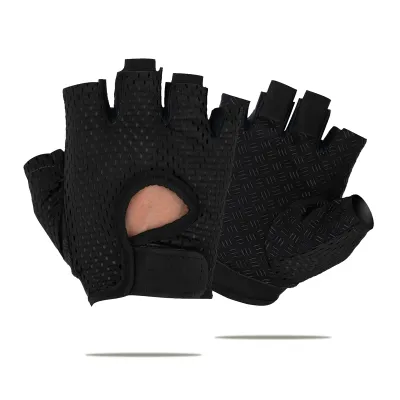
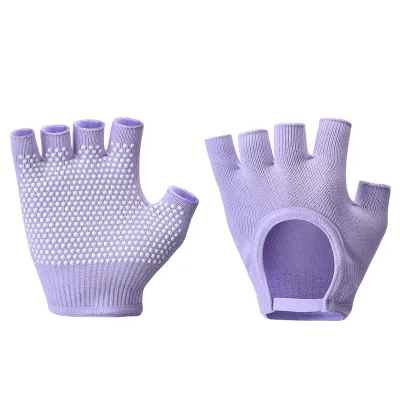
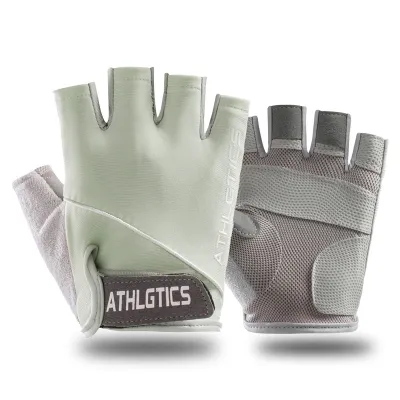
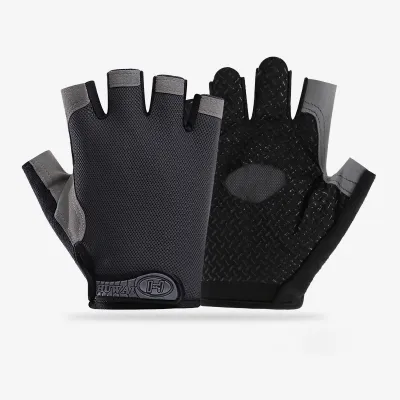
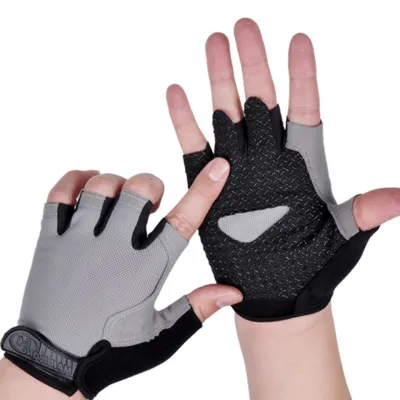
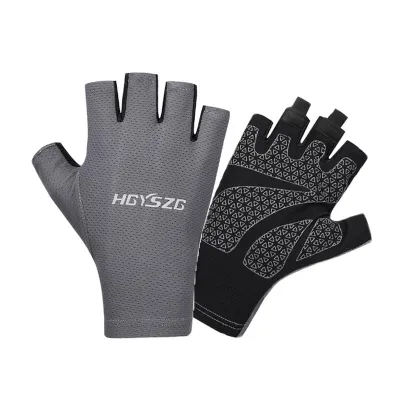
Prices are valid at publication and may change. Please refer to the product page for the latest price.
When a glove does not fit snugly, your hand can slide laterally inside the material during a lift. This internal movement increases friction against your skin and destabilizes your grip, forcing your forearm muscles to overcompensate. Over time, this unnecessary strain can lead to premature grip fatigue, preventing you from completing your sets with proper form. A women-specific cut ensures the glove contours tightly to the palm, eliminating shifting and allowing for a direct, secure connection with the equipment.
Wrist support alignment is another critical factor influenced by hand anatomy. Integrated wrist wraps on unisex gloves are often too long or too wide for smaller wrists. When a strap is too long, the Velcro closure may not align properly, leaving loose ends that snag on clothing or fail to provide the intended structural support. A properly aligned women-specific wrist strap sits snugly against the joint, offering targeted stability without restricting natural wrist extension during lifts.
Material stretch and breathability must also be tailored to typical female grip dynamics. Women’s hands benefit from materials that offer flexible resistance rather than stiff, unyielding bulk. Heavy, overly thick materials can restrict hand closure, forcing your muscles to work harder just to hold a weight. Lightweight, multi-directional stretch fabrics allow the glove to contour naturally to your hand shape, facilitating a more efficient transfer of force during pulling and pushing movements.
Key Features to Evaluate Before Buying
Before purchasing a pair of fitness gloves, you must evaluate several physical specifications to ensure they align with your training environment and physical needs. The first feature to consider is palm padding thickness and placement. Evaluate whether you need gel or foam padding. Gel padding excels at absorbing high-frequency vibrations and distributing localized pressure, making it highly suitable for dumbbell work or machine handles. However, for heavy barbell lifts, thick gel can create an unstable barrier between your hand and the steel, reducing your ‘bar feel.’ High-density foam padding, especially when kept thin (around 2mm to 3mm), offers a firmer surface that protects against calluses while preserving your sensory feedback from the knurling.

The choice of palm material directly impacts durability and grip in Singapore’s humid climate. Genuine leather offers excellent durability and a classic grip, but it requires careful maintenance to prevent stiffening after absorbing sweat. Synthetic leathers (such as Amara or microfiber) are highly breathable, machine-washable, and retain their flexibility even after repeated wet-dry cycles. Silicone print overlays on synthetic backings provide high-friction grip points without adding bulk, which is highly effective for bodyweight exercises and pull-ups.
Closure mechanisms dictate both wrist stability and ease of use. Slip-on designs with elastic cuffs offer a streamlined profile and eliminate the risk of Velcro scratching your skin or snagging your activewear. However, they provide minimal wrist support and can be difficult to pull off when your hands are sweaty. Velcro closures allow for adjustable tension and easier removal, but you must inspect the quality of the hook-and-loop material; low-grade Velcro quickly loses its grip when exposed to sweat and frequent washing.
Breathability and moisture-wicking properties are non-negotiable for workouts in tropical climates. Look for gloves featuring open-mesh backs, perforated palms, or moisture-wicking linings. In a humid environment, trapped sweat can soften the skin, making it far more susceptible to tearing and fungal infections. A highly breathable back-of-hand panel allows heat to dissipate rapidly, keeping your hands dry and maintaining the structural integrity of the glove’s interior.
Finally, pay attention to small design details like finger pull tabs and seam placement. Half-finger gloves can be incredibly difficult to remove when wet with sweat. Small loops or tabs sewn onto the middle and ring fingers allow you to pull the gloves off quickly without turning them inside out. Additionally, look for flatlock seams or seamless construction on the inside of the glove to prevent chafing and pressure points during heavy gripping tasks.
Building Your Shortlist: Matching Gloves to Your Training Style
To build an effective shortlist, you must categorize your primary workouts and select a glove type designed for those specific movements. No single glove excels at every activity, so matching the design to your training style is key to getting the best performance.
Weightlifting and Powerlifting
If your routine centers on heavy compound lifts like deadlifts, squats, and overhead presses, prioritize gloves with integrated, adjustable wrist wraps and minimal palm padding. The goal here is to protect the skin from aggressive barbell knurling without distancing your hand from the bar. Look for reinforced double-stitching along the thumb crotch and the base of the fingers, as these areas experience the highest shear stress during heavy pulls. Keep in mind that gloves cannot replace proper lifting technique or grip strength training; if you experience joint pain, consult a trainer rather than relying solely on wrist wraps to mask the discomfort.
Cross-Training and HIIT
For workouts that transition rapidly between kettlebell swings, burpees, rowing, and pull-ups, you need maximum flexibility and quick-drying properties. Heavy, padded gloves will feel cumbersome and trap excessive heat during high-intensity cardiovascular intervals. Opt for lightweight, half-finger gloves with highly flexible synthetic palms and silicone grip patterns. These provide the necessary traction for high-rep movements while allowing your hands to flex fully during floor exercises like push-ups and planks.
Cycling or Rowing
If your fitness routine includes long sessions on stationary bikes, outdoor cycling, or rowing machines, focus on targeted nerve-channel padding. Continuous pressure on the ulnar nerve can cause numbness and tingling in your fingers. Look for gloves with split-pad designs that feature a recessed channel down the center of the palm. This design relieves pressure on key nerves while maintaining a secure hold on the handlebars or oar grips, ensuring comfortable blood flow throughout your session.
General Fitness and Machine Work
For those who primarily use resistance machines, cable attachments, and light dumbbells, a balanced, all-purpose glove is ideal. These typically feature moderate foam padding across the entire palm to cushion against hard metal handles. They should be easy to slip on and off, highly breathable, and simple to wash, as they will likely be tossed into your gym bag after every session. Look for budget-friendly options that prioritize comfort and basic callus prevention over heavy-duty wrist stabilization.
Sizing, Trying On, and Navigating Return Policies in Singapore
Finding the correct size is the most critical step in ensuring your fitness gloves perform as intended. To find your correct size, use a soft, flexible tape measure. Wrap it around your dominant hand at the widest part of your palm (just below the knuckles, excluding the thumb). Keep your hand flat and your fingers spread slightly. Note the measurement in centimeters, and then measure your hand length from the crease of your wrist to the tip of your middle finger.
Compare your measurements against the manufacturer’s specific size guide. Be aware that Western brands often run larger than Asian or regional brands. If your measurements fall between two sizes, consider the glove’s material: choose the smaller size for genuine leather gloves, as they will stretch and mold to your hand over time; opt for the larger size for synthetic or highly structured gloves with minimal stretch to avoid restricting blood circulation.
When purchasing online from local e-commerce platforms or specialized sports retailers in Singapore, carefully review the return and exchange terms. Because fitness gloves are worn directly against the skin and absorb sweat, many retailers classify them as personal hygiene items, making them non-returnable once opened or tried on. Look for sellers that allow exchanges for unused items with original tags intact, and try them on with clean, dry hands immediately upon delivery.
Once your gloves arrive, perform a thorough quality and fit check before using them in a workout. Put the gloves on and make a tight fist. If the material pinches your knuckles, cuts off circulation to your fingertips, or prevents you from closing your hand fully, the gloves are too small. Conversely, if there is a large gap of loose fabric at the palm when your hand is open, they are too large. Inspect the stitching along the finger seams and palm overlays for loose threads or uneven tension, and pull gently on the seams to ensure they do not separate.
Cleaning and Maintenance for Humid Climates
In Singapore’s humid environment, proper cleaning and maintenance are essential to prevent mold, bacterial growth, and unpleasant odors. Always consult the manufacturer’s care instructions before washing your gloves. While many synthetic gloves are machine-washable, others require gentle hand washing to preserve specialized grip coatings, elastic panels, or internal padding structures. Never use bleach or fabric softeners, as these chemicals break down synthetic fibers and degrade the slip-resistant properties of silicone or rubber prints.
For the longest lifespan, hand wash your gloves in cool water using a mild, liquid detergent or baby shampoo. Gently squeeze the soapy water through the material without wringing or twisting the gloves, which can warp the padding and stretch out the seams. Rinse thoroughly with clean water to remove all soap residue, as dried soap can irritate your skin and cause the glove material to stiffen.
To dry your gloves safely, press them flat between two dry towels to remove excess moisture. Do not place them in a clothes dryer or expose them to direct sunlight, as high heat cracks synthetic leather and degrades elastic fibers. Instead, reshape the gloves and hang them to air-dry in a well-ventilated, shaded indoor area or near a fan. To help them dry faster and maintain their shape, you can stuff the insides with clean, dry paper towels to absorb moisture from the inside out.
Frequently Asked Questions (FAQ)
Do I need fitness gloves if I only use lifting chalk?
Lifting chalk and fitness gloves serve different primary purposes, though both aim to improve grip security. Chalk absorbs moisture and sweat from your palms, maximizing the friction between your skin and the bar for a raw, uninhibited grip feel. However, chalk does not provide a physical barrier, meaning your skin is still subject to friction, calluses, and blisters. Gloves, on the other hand, offer physical protection against skin tearing and can include wrist support, making them preferable if you want to keep your hands smooth or if your local commercial gym in Singapore bans the use of loose chalk due to cleanliness concerns.
How often should I replace my fitness gloves?
The lifespan of fitness gloves depends on your training frequency, the intensity of your workouts, and how well you maintain them. Generally, a pair of frequently used gloves will last between six to twelve months. Clear indicators that it is time for a replacement include thinning or shifting palm padding, frayed or splitting seams, and Velcro that no longer stays securely closed during lifts. Additionally, if the gloves retain a persistent, unpleasant odor even after a thorough wash, the synthetic fibers have likely trapped bacteria, and replacing them is recommended for hygiene reasons.

Community discussion
Share your experience or ask a question. Comments are reviewed before publication.