
For most gym sessions and moderate sports, a small bottle water option in the 350ml to 500ml range offers the best balance between adequate hydration and a compact, non-bulky profile. Carrying a massive container can clutter your workout space, weigh down your gear bag, and fail to fit into standard equipment cup holders. By selecting a compact small bottle water container, you prioritize mobility and convenience without sacrificing your physical performance. The key is matching the exact capacity to your specific workout intensity, duration, and the environment where you train.
Assessing Your Hydration Needs by Workout Type
To determine the ideal bottle size, you must first evaluate the duration and physical demands of your typical exercise routine. A quick 30-minute stretching or yoga session requires far less fluid than a high-intensity interval training (HIIT) class or a heavy weightlifting routine. For low-intensity activities, your body loses less moisture through sweat, making a smaller capacity highly practical. However, as the intensity climbs, your metabolic rate increases, raising your core temperature and triggering more active sweating to cool down.
Environmental conditions play an equally critical role in your hydration planning. Training in a fully air-conditioned indoor fitness center keeps your sweat rate relatively moderate compared to exercising outdoors. If you take your workout to an outdoor fitness corner, a running track, or an open-air court, the tropical heat and high humidity will accelerate fluid loss. Under these warm conditions, your body works harder to cool itself, meaning a smaller bottle will empty much faster, requiring you to plan for immediate refills.
Products mentioned in this guide
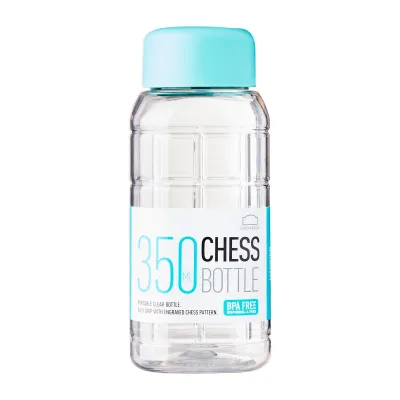
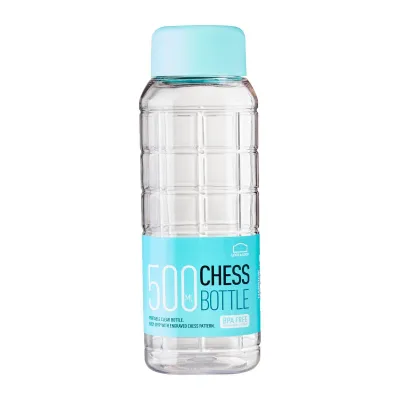
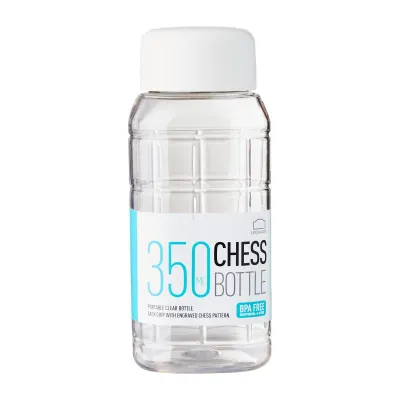
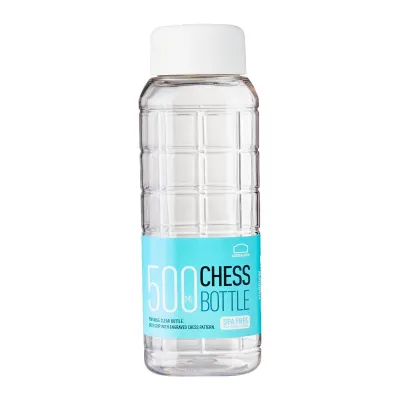
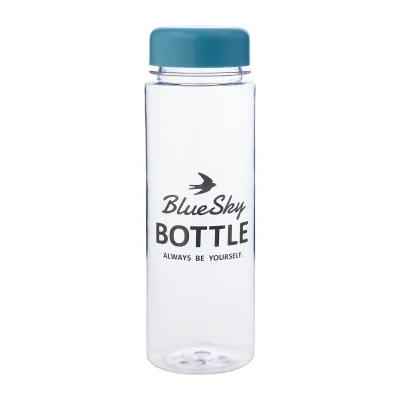
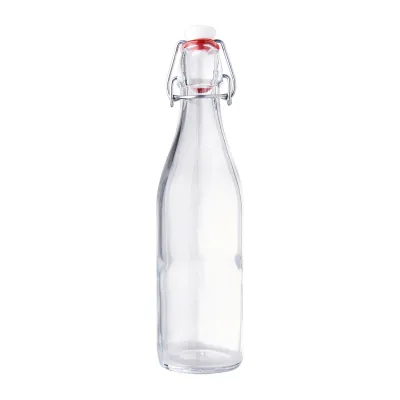
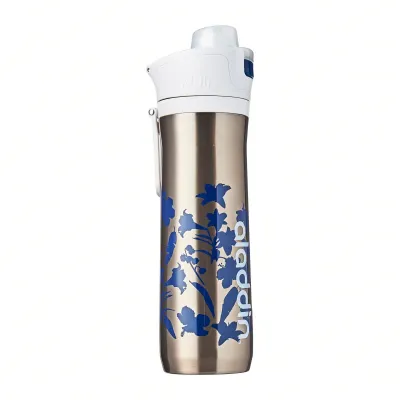
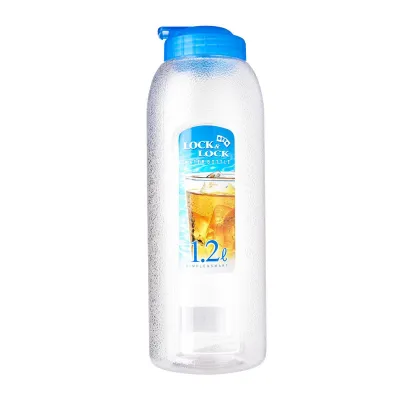
Prices are valid at publication and may change. Please refer to the product page for the latest price.
Recognizing your personal sweat rate is essential for matching your bottle size to your body’s needs. Some individuals naturally sweat more than others, even during identical workouts. If you find yourself sweating heavily within the first fifteen minutes of a session, a very small bottle might leave you empty too soon. You should also watch for early signs of dehydration, such as a dry mouth, mild headache, or a sudden drop in energy levels. If these symptoms occur regularly before your workout ends, it indicates that your current bottle capacity is insufficient for your sweat rate and training duration.
Comparing 350ml and 500ml Bottles for Portability and Use
Choosing between a 350ml and a 500ml small bottle water size involves balancing physical portability against the convenience of fewer refills. A 350ml bottle represents the peak of compact design, easily sliding into small crossbody bags, waist packs, or shallow side pockets. Because it holds less liquid, the total weight of a filled 350ml bottle is exceptionally low, typically weighing under 500 grams including the container itself. This makes it an excellent choice for athletes who prefer to travel light or those who participate in activities where extra weight is a hindrance, such as casual jogging or short studio classes.

The primary trade-off of a 350ml bottle is the limited volume, which often necessitates multiple trips to the water cooler during a single workout. If your gym has easily accessible water dispensers near the workout floor, this frequent refilling is a minor inconvenience. However, if you must walk to another floor or exit the main training area to find a water source, the constant interruption can disrupt your training rhythm and focus. For those who prefer uninterrupted sets, the small capacity might feel restrictive.
A 500ml bottle offers a highly versatile middle ground, providing a half-liter of hydration that can easily sustain a moderate 45-to-60-minute workout without a refill. While it is slightly taller and wider than a 350ml model, it remains highly portable and fits comfortably into most standard gym bags. The added weight of a full 500ml bottle is approximately 150 grams more than its smaller counterpart, which is a negligible difference for most gym-goers but provides a significant boost in convenience. This extra volume is particularly beneficial during continuous cardio sessions where stopping to refill is not an option.
Before making a final choice, you should physically verify how each bottle size interacts with your daily gear. Check the depth and elasticity of your gym bag’s side pockets, as well as the clearance space on locker shelves. A bottle that is too tall may stick out of a shallow pocket and risk falling out during your commute, while a bottle that is too wide will stretch the pocket fabric to its limit, making it difficult to slide in and out. Ensuring a proper fit prevents unnecessary frustration and keeps your bottle secure while you are on the move.
Essential Physical Specs to Verify Before Buying
To ensure your new small water bottle integrates seamlessly into your fitness routine, you must pay close attention to its physical specifications. Start by checking the outer diameter of the bottle, which is typically listed in the manufacturer’s product details. Standard cup holders on treadmills, stationary bikes, and elliptical machines generally accommodate bottles with a diameter of up to 75 millimeters. If you choose a bottle with a wider base, it may wobble or fail to sit securely in the holder, risking spills or damage during high-speed cardio sessions.
Lid design and leak prevention are equally critical specifications to verify before purchasing. For gym and sports use, a lid that allows for quick, one-handed operation is highly advantageous, enabling you to take a quick sip without pausing your workout or losing your grip on equipment. Look for push-button lids with secure locking mechanisms that prevent accidental opening inside your gym bag. High-quality silicone gaskets and threaded seals are essential features to check, as they ensure the bottle remains completely leak-proof even when tossed horizontally into a crowded gear bag.
Finally, consider the empty weight of the bottle and its material care instructions. Double-walled vacuum-insulated stainless steel bottles are excellent for keeping water cold in warm climates, but they are heavier than single-walled plastic alternatives. If minimizing carry weight is your top priority, a lightweight, BPA-free plastic bottle may be more suitable. Additionally, check whether the bottle and its lid components are dishwasher-safe or require hand washing. Bottles with narrow openings can be challenging to clean thoroughly, so choosing a model with a slightly wider mouth or simple lid parts will make daily maintenance much easier and prevent the buildup of bacteria.
Strategies for Managing Hydration with a Compact Bottle
Using a smaller water bottle does not mean you have to compromise on your hydration goals; it simply requires a more strategic approach to your workout routine. One of the most effective strategies is to plan your training sessions around the layout of your fitness facility. Take note of where the water dispensers, fountains, or sinks are located relative to your workout stations. By choosing a locker or a training zone close to a water source, you can quickly refill your compact bottle between sets or during rest periods without losing momentum.
Pre-hydration is another powerful tool that maximizes the utility of a small bottle. By drinking a glass of water approximately 30 to 60 minutes before you begin your workout, you ensure your body starts the session fully hydrated. This reduces the immediate demand on your portable bottle during the first half of your workout, allowing the 350ml or 500ml capacity to serve as a maintenance supply rather than a primary hydration source. Similarly, make it a habit to rehydrate fully immediately after your session ends, utilizing the gym’s facilities or larger home containers.
Lastly, always prioritize your physical safety by setting clear limits on your exertion when water is low. If you run out of water during an intense session and cannot immediately refill your bottle, do not push through severe fatigue or dry mouth. Pay close attention to how your body feels, and be prepared to pause or scale back your workout if you experience signs of dehydration. A compact bottle is an excellent tool for convenience, but it should never replace sound judgment regarding your body’s physiological limits and fluid requirements.
Frequently Asked Questions (FAQ)
Is a 350ml bottle sufficient for a standard one-hour weightlifting session?
A 350ml bottle can be sufficient for a standard one-hour weightlifting session, provided you train in a climate-controlled, air-conditioned indoor gym and start your workout fully pre-hydrated. Because weightlifting involves rest periods between sets, your sweat rate is generally lower than during continuous cardiovascular exercise. However, if you are participating in high-intensity interval training (HIIT), circuit training, or working out in a warm, non-air-conditioned space, your fluid loss will be higher. In those scenarios, a 350ml capacity may run dry too quickly, making a 500ml bottle or planning a mid-workout refill necessary to maintain optimal hydration levels.
How do I know if a 500ml bottle will fit my gym bag's side pocket?
To determine if a 500ml bottle will fit your gym bag’s side pocket, you should measure the pocket’s dimensions and compare them to the bottle’s specifications. First, measure the width of the pocket while it is flat, and check if the material is elastic or rigid. Next, look up the maximum outer diameter of the 500ml bottle, which is usually between 65 and 75 millimeters. If the pocket is made of stretch mesh, it can easily accommodate standard bottle diameters. For rigid fabric pockets, ensure the pocket’s flat width is at least 1.5 times the bottle’s diameter to allow for easy insertion and removal without straining the seams.

Community discussion
Share your experience or ask a question. Comments are reviewed before publication.