
Selecting the right adult flotation device requires matching your swimming proficiency with your intended water environment. Whether you are a beginner building confidence in a condominium pool, an intermediate swimmer enjoying a weekend beach outing, or an athlete isolating muscle groups for technical training, the right gear ensures both comfort and utility. Choosing incorrectly can lead to restricted movement, inadequate buoyancy, or a false sense of security in deep water. By evaluating your skill level, understanding the design purpose of each floatie type, and performing essential safety checks, you can select a device that aligns with your personal water goals.
Assess Your Swimming Ability and Water Confidence
Before browsing flotation options, you must objectively evaluate your comfort level and skills in the water. Non-swimmers and beginners require devices that offer maximum, continuous buoyancy. If you experience anxiety when your head goes below water or if you cannot tread water independently, your primary need is core support. The ideal device for this level must keep your head reliably above the surface and maintain an upright or slightly reclined posture without requiring active physical effort.
Intermediate swimmers generally possess basic water confidence and can swim short distances but may lack the stamina for deep water or prolonged activity. If you fall into this category, you likely seek localized buoyancy to assist with relaxation, water aerobics, or basic stroke practice. Your gear should offer a balance of support and freedom of movement, allowing you to transition easily between floating and active swimming.
Products mentioned in this guide
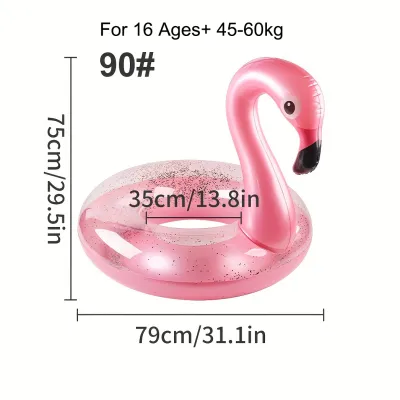
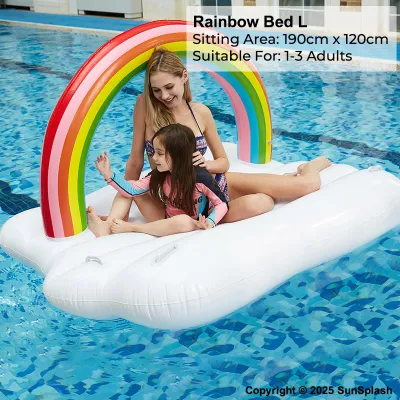
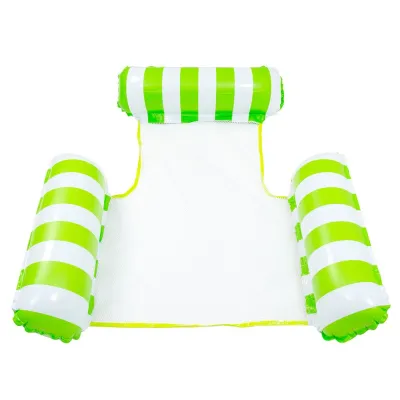
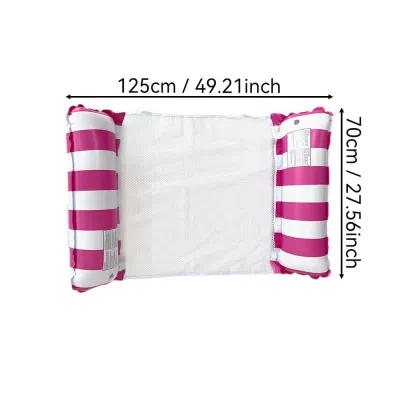
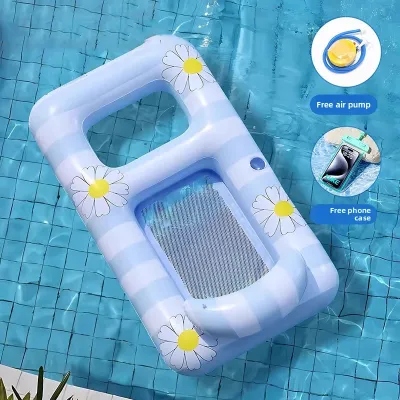
Prices are valid at publication and may change. Please refer to the product page for the latest price.
Advanced swimmers and fitness trainees use flotation devices not for survival, but as targeted training aids. If you are comfortable in all water depths, your focus is likely on isolating specific muscle groups, improving stroke mechanics, or managing physical rehabilitation. For these activities, you need specialized, low-drag equipment that temporarily disables either your upper or lower limbs to force posture correction and build targeted strength.
Match Floatie Types to Your Skill Level and Activity
Flotation vests and swim jackets provide excellent core buoyancy, making them highly suitable for beginners or anyone venturing into open water. These devices wrap securely around the torso, keeping your center of gravity stable while leaving your arms completely free to paddle or practice strokes. When selecting a vest, look for models with adjustable crotch straps to prevent the jacket from riding up around your chin when you enter the water.

Arm bands, often referred to as water wings, are inflatable sleeves worn on the upper arms. While popular in controlled pool environments for beginners to experience the sensation of floating, they significantly restrict arm rotation and shoulder mobility. They are best used as temporary confidence builders in shallow water rather than tools for learning proper swimming strokes, as they force the body into a vertical position that hinders horizontal swimming posture.
Pool noodles are highly versatile, flexible foam cylinders suitable for intermediate swimmers and recreational pool users. They can be tucked under the arms for chest support, wrapped behind the back, or placed under the knees for horizontal lounging. Because they require active grip or balance to stay in place, they are excellent for water aerobics and light kick drills, but they should never be relied upon as a primary safety device in deep water.
Inflatable rings and lounge tubes are designed strictly for shallow-water leisure, sunbathing, and calm pool relaxation. These devices do not secure to the body, meaning you can easily slip out of them if you lose your grip or if a sudden wave capsizes the tube. Because they drift easily with wind and currents, they are unsuitable for open-water environments or active swim training.
Pull buoys and swim belts cater to advanced swimmers and fitness enthusiasts. A pull buoy is a contoured foam block placed between the thighs to keep the hips and legs afloat, allowing you to focus entirely on upper-body strength and stroke technique. Swim belts, which buckle around the waist with adjustable foam segments, provide customizable buoyancy for water jogging or resistance training without restricting limb movement.
Safety Checks and Usage Limits for Adult Flotation Devices
It is critical to distinguish between recreational flotation aids and certified life-saving devices. Recreational floaties, such as inflatable rings, arm bands, and pool noodles, are designed solely to assist with flotation in calm, supervised environments. They do not meet the rigorous safety standards of Personal Flotation Devices (PFDs) or life jackets, which are engineered to keep an unconscious person’s airway clear of the water. Always read the manufacturer’s label to verify the intended use and safety certifications.
Before entering the water, perform a thorough physical inspection of your equipment. For inflatable devices, check for slow air leaks, seam separation, and the security of the inflation valves. For foam-based gear, inspect the material for deep cracks, crumbling, or waterlogging, which significantly reduces buoyancy. Always verify that your weight falls within the manufacturer’s specified weight capacity, as overloading a device will compromise its ability to keep you afloat.
Establish clear stopping conditions to ensure your safety during any water activity. If you encounter strong currents, tidal changes, deep water, or deteriorating weather conditions, exit the water immediately. Flotation aids can easily drift or puncture, and they must never be used as a substitute for swimming ability, personal judgment, or professional supervision. If you cannot swim, stay within standing depth, regardless of the flotation gear you are wearing.
How to Evaluate Fit, Comfort, and Material Durability
A flotation device must fit snugly and remain secure during active movement to prevent chafing and shifting. When trying on a swim vest or belt, tighten the straps so the device fits closely against your body without restricting your breathing. Try pulling upward on the shoulders of a vest; if it slides up past your ears or nose, it is too loose or too large, which can cause severe skin irritation under the arms during use.
Material durability directly impacts both comfort and lifespan, especially in tropical climates with high UV exposure and chlorinated pool water. Heavy-duty nylon covers protect internal foam from punctures and abrasions, while high-quality PVC or thermoplastic polyurethane (TPU) offers better puncture resistance for inflatable models. After swimming in chlorinated pools or saltwater, always rinse your flotation gear with fresh water and dry it in the shade to prevent material degradation and mold growth.
Before committing to a purchase, simulate your intended water posture while wearing the device. Ensure that the straps, buckles, and bulk of the floatie do not obstruct your vision, restrict your neck movement, or pinch your skin. If you plan to practice active strokes, verify that your shoulders can rotate fully without rubbing against the edges of the device, ensuring a comfortable and rash-free swimming experience.
Frequently Asked Questions (FAQ)
Can I use a child's floatie if it fits my arm or waist?
No, you should never use a child’s flotation device. Children’s floaties are engineered and safety-tested for much lower weight capacities and different body mass distributions. Even if an inflatable arm band or ring physically stretches to fit an adult, it will not provide sufficient buoyancy to support an adult’s weight, leading to sudden sinking, material failure, or restricted blood circulation.
Do I need a floatie if I already know how to swim?
Even proficient swimmers benefit from using flotation devices for specific purposes. Fitness swimmers use pull buoys and kickboards to isolate muscle groups and refine stroke mechanics. Additionally, open-water swimmers often use brightly colored inflatable safety buoys towed behind them to increase visibility to boats and jet skis, providing a resting platform if they experience cramps or fatigue.
Are inflatable floaties safer than foam ones for adults?
Neither material is universally safer, as both have distinct trade-offs. Foam flotation devices are highly reliable because they cannot puncture, deflate, or lose buoyancy during use, making them excellent for training and long-term durability. Inflatable devices offer superior portability and are easy to pack for travel, but they carry the risk of sudden punctures, slow leaks, and valve failures, requiring careful pre-use inspections.
Community discussion
Share your experience or ask a question. Comments are reviewed before publication.