
Choosing the right adult swimming board depends on balancing your physical size, swimming proficiency, and specific training goals. A board that is too small will sink under your weight, causing your hips to drop and ruining your body alignment, while an excessively large board can strain your shoulders and neck. By matching the board’s dimensions, buoyancy, and shape to your body type and drill requirements, you can isolate your lower body effectively, build endurance, and maintain a streamlined horizontal position in the water.
Diagnose Your Training Needs and Skill Level
Identifying your primary swimming objectives is the first step to narrowing down your kickboard options. Beginners often require maximum flotation to build confidence and maintain a horizontal profile without exhausting themselves. For these swimmers, a highly buoyant board acts as a supportive platform, allowing them to focus entirely on leg mechanics, breathing patterns, and core stabilization without the fear of sinking.
Intermediate and advanced swimmers, conversely, use kickboards to isolate specific muscle groups or increase resistance. If your goal is to build core strength or improve your hip rotation, you may want a smaller board that offers less support. This forces your core muscles to engage more actively to keep your lower body level, turning a simple kicking drill into a comprehensive core workout.
Products mentioned in this guide
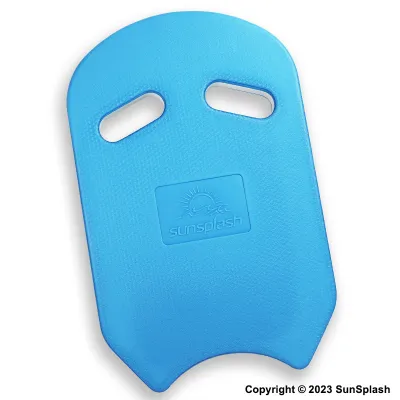
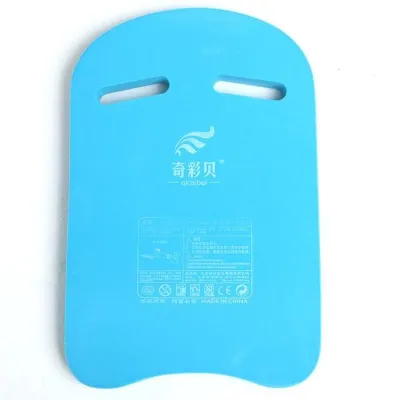
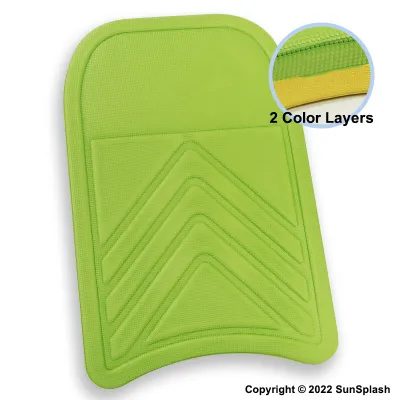
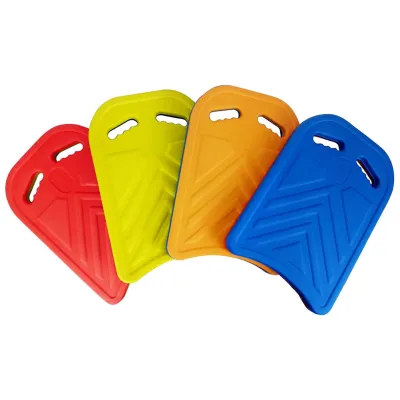
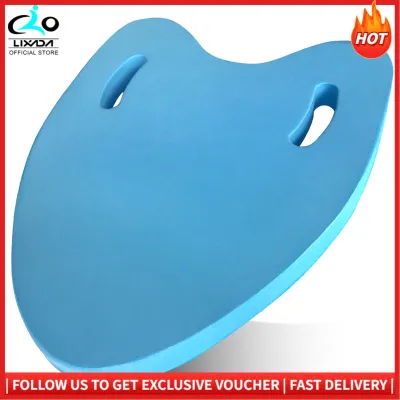
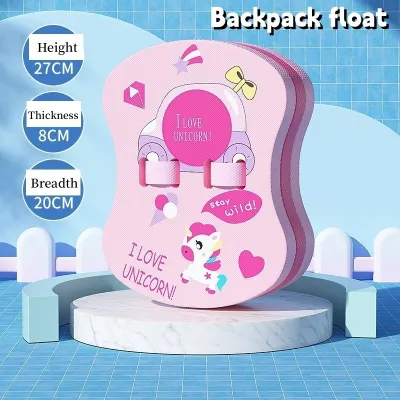
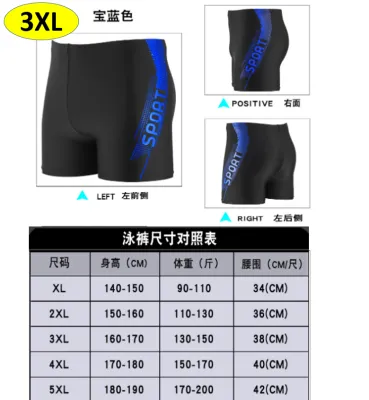

Prices are valid at publication and may change. Please refer to the product page for the latest price.
Consider your training focus, whether it is endurance, sprint, or rehabilitation. Endurance training benefits from ergonomic designs that reduce joint fatigue over long distances, whereas sprint training requires a streamlined board that can handle high-velocity water flow without creating excessive drag. If you are recovering from a shoulder injury, a board that allows you to rest your forearms comfortably is essential to avoid aggravating the joint.
For swimmers who want to transition seamlessly between kicking drills and pulling drills, a hybrid design is highly versatile. These multi-purpose tools can be held in front for kicking or placed between the thighs to serve as a pull buoy. Assessing your weekly routine will help you decide if you need a dedicated, single-purpose kickboard or a space-saving hybrid option.
Evaluate Board Size and Buoyancy for Your Body Type
Your physical build directly influences how a kickboard behaves in the water. Muscle tissue is denser than fat, meaning highly muscular swimmers or those with lower natural buoyancy will require a larger board with greater volume to keep their upper body afloat. Choosing a board with insufficient buoyancy will cause your lower half to drag, creating unnecessary resistance and poor stroke habits.

Standard adult kickboards typically measure around 35 to 45 centimeters in length. While this size suits average-sized adults, taller or heavier swimmers should look for oversized options to prevent their hips and legs from dragging. A board that is too small forces you to press down excessively with your hands, which inadvertently pushes your head up and drops your hips.
To test if your board has the correct buoyancy, observe your body position during a basic kicking drill. If you feel your lower back arching excessively or your legs sinking toward the bottom of the pool, the board is likely too small or lacks the necessary flotation. The ideal board keeps your spine in a neutral, relaxed position, with your hips resting just below the surface of the water.
Conversely, if the board forces your chest too high out of the water, it can strain your neck and lower back. This over-buoyancy is common when lightweight swimmers use oversized or highly rigid boards. Finding the sweet spot means your shoulders rest comfortably on or just above the water line while your legs remain aligned with your torso.
Match Board Shape to Your Specific Drills
The shape of your swimming board dictates your hand placement and the angle of your wrists, shoulders, and neck. Traditional rectangular boards offer excellent stability and a large surface area, making them ideal for basic kicking drills and sustained endurance sets. They provide a reliable platform for swimmers of all levels but can feel bulky during high-speed workouts.
Teardrop-shaped boards feature a tapered nose that cuts through the water more efficiently, reducing drag. These are highly suited for faster, high-intensity intervals where maintaining a streamlined position is critical. The narrower front profile also allows for a more natural hand placement closer to the body’s centerline.
Ergonomic or contoured designs often feature molded hand grips, curved edges, or recessed channels. These contours allow your arms to rest in a more natural, shoulder-width position, which significantly reduces tension in your rotator cuffs and upper back during long training sessions. Swimmers prone to shoulder stiffness should prioritize these ergonomic shapes to avoid repetitive strain.
For swimmers who want to maximize pool space or simplify their gear bag, hybrid pull-kick boards are an excellent choice. These dual-purpose tools function as a traditional kickboard when held in front, and can be flipped and placed between your thighs to serve as a pull buoy for upper-body isolation. While highly convenient, they offer less surface area than standard boards, making them better suited for intermediate to advanced swimmers.
Inspect Material, Grip, and Condition Before Use
Most modern training boards are constructed from closed-cell foam, such as Ethylene-Vinyl Acetate (EVA). This material is highly resistant to water absorption and pool chemicals like chlorine, ensuring the board retains its buoyancy over time. When purchasing, verify that the foam is dense and does not compress easily under hand pressure, as soft foam tends to degrade quickly.
When selecting a board, examine the surface texture and grip features. Boards with textured surfaces, integrated finger grooves, or molded handles provide a secure hold, preventing your hands from slipping off when you push off the wall or execute high-tempo kicks. A secure grip allows you to focus on your leg kick rather than constantly adjusting your hand position.
Regularly inspect your training gear for signs of wear and degradation. Over time, exposure to pool chemicals and UV rays can cause the foam to peel, crack, or become waterlogged, which drastically reduces its buoyancy and effectiveness. If you notice deep gouges, a slimy texture that does not wash off, or if the board feels significantly heavier when dry, it is time to replace it.
Using a degraded board can compromise your training posture and lead to inefficient workouts. Before entering the pool, run your hands along the edges to check for crumbling foam, which can litter the pool and indicate that the material is breaking down. Investing in a high-quality, dense EVA foam board ensures long-term durability and consistent performance.
Frequently Asked Questions (FAQ)
Can I use a standard adult swimming board for open water training?
Standard pool kickboards are not designed for open water environments like reservoirs or the sea. They lack the high-visibility colors required for safety in open water and do not offer the stability needed to handle waves, currents, or wind. For open water swimming, always check local maritime and safety regulations, and use specialized, high-visibility tow floats or safety buoys instead of a training kickboard.
How do I clean and store my kickboard to prevent degradation?
To extend the lifespan of your kickboard, rinse it thoroughly with fresh, clean water after every pool session to remove residual chlorine, salt, and chemicals. Allow the board to air dry completely in a shaded, well-ventilated area before packing it away. Avoid leaving your board in direct sunlight, hot vehicles, or near heat sources, as extreme heat and UV exposure will warp the foam and accelerate material breakdown.
Community discussion
Share your experience or ask a question. Comments are reviewed before publication.