
Selecting the right badminton grip is one of the most immediate ways to improve your control, power, and comfort on the court. The grip serves as the sole point of contact between your hand and the racket, translating your wrist movements and finger pressure into precise shuttle placement. If your grip is too slippery, too thick, or lacks the right texture, your shots will suffer, and you may find yourself overcompensating by squeezing the handle too tightly, which can lead to muscle fatigue or injury.
To find the perfect match, you must evaluate how your body and playing style interact with different grip designs. This decision relies on two primary factors: your hand’s sweat level and your tactical approach on the court. By understanding how materials, thickness, and environmental factors like high humidity affect performance, you can establish a reliable setup that keeps your racket secure during intense rallies.
Understanding Badminton Grip Types and Their Core Functions
To make an informed choice, distinguish between replacement grips and overgrips. A replacement grip, or base grip, is applied directly to the wooden handle of the racket. These grips are relatively thick, typically ranging from 1.5mm to 2.0mm, and feature a cushioned backing designed to absorb the initial shock of high-impact shots. Because they protect the wooden handle from moisture and provide foundational comfort, they are replaced less frequently, often lasting several months.
Products mentioned in this guide
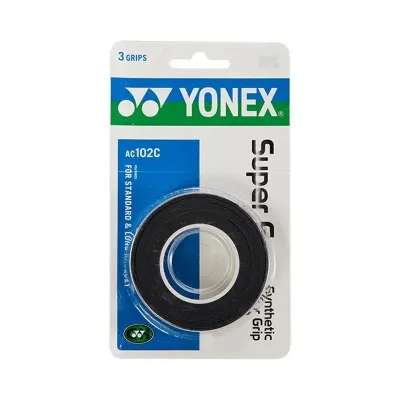
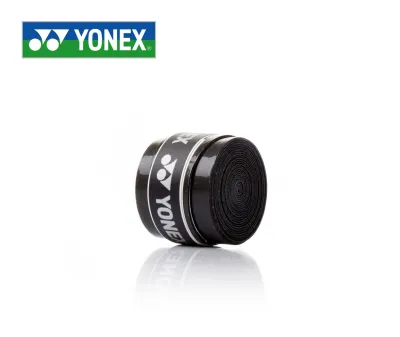
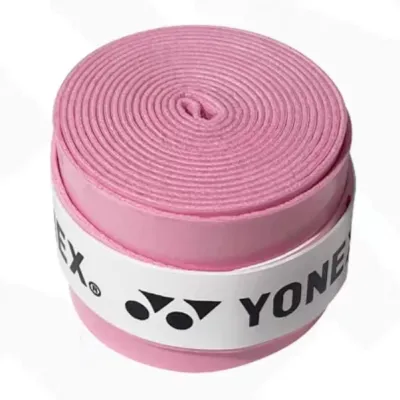
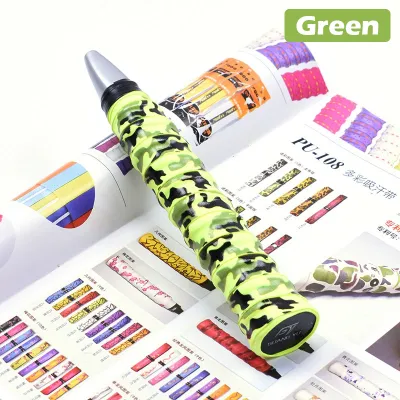
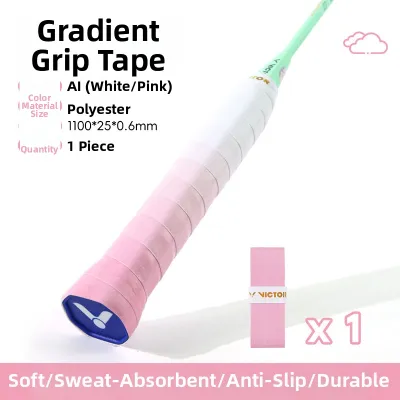
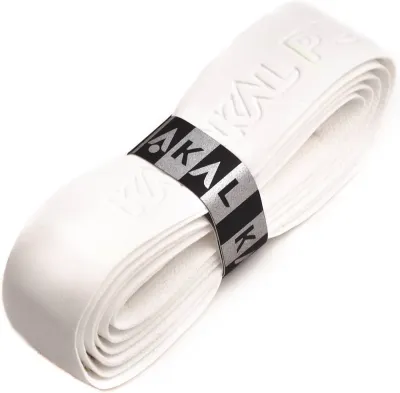

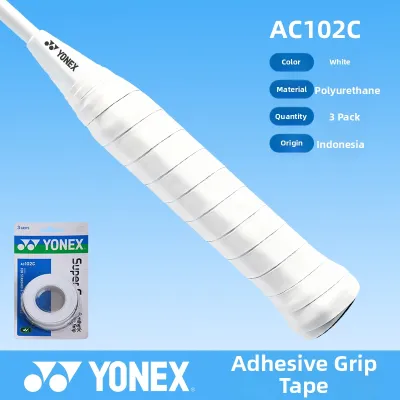
Prices are valid at publication and may change. Please refer to the product page for the latest price.
An overgrip, by contrast, is a much thinner layer wrapped directly on top of the replacement grip or a layer of cushion wrap. Measuring between 0.5mm and 0.7mm in thickness, overgrips are designed to be replaced regularly to maintain optimal surface texture and hygiene. They serve as the primary contact point for your hand, allowing you to quickly refresh the tackiness or absorption of your handle without having to strip the racket down to the bare wood.
The tactile properties of these grips are determined by their material composition, with polyurethane, cotton towel, and rubber being the most common options. Polyurethane is a highly versatile synthetic polymer that can be manufactured to offer either a sticky, tacky surface or a soft, dry finish. Cotton towel grips utilize a looped fabric structure that excels at drawing moisture away from the skin, mimicking the feel of a standard sports towel. Rubber grips are dense and highly durable, offering a firm, non-slip surface that does not absorb moisture but provides direct, unyielding feedback.
Grip thickness plays a critical role in how you experience the racket’s handle. A thinner grip setup preserves the distinct bevels of the wooden handle, giving your fingers clear tactile reference points to adjust the racket angle mid-swing. A thicker grip setup increases the overall circumference of the handle, which dampens vibrations and distributes pressure across a larger surface area of your palm. While this added thickness enhances comfort and reduces hand strain, it can slightly dull the subtle feedback needed for delicate net play.
Matching Grip Materials to Your Sweat Level
Managing moisture is a primary challenge for badminton players, particularly in hot and humid environments like Singapore. When sweat accumulates on a grip, it creates a barrier that reduces friction, causing the racket to twist or slip during high-speed swings. Selecting a material that matches your personal sweat volume is essential for maintaining a secure hold throughout a match.

For players who experience heavy hand sweat, towel grips offer an exceptionally high absorption capacity. The cotton fibers draw moisture deep into the fabric, keeping the outer surface dry and slip-resistant even during long, intense sessions. However, towel grips require active maintenance to remain effective; you will need to apply grip powder regularly to prevent the fibers from matting down and becoming slick. Additionally, because cotton retains moisture, these grips must be replaced frequently to prevent them from hardening, developing an unpleasant odor, or harboring bacteria.
If you experience low to moderate sweat levels, polyurethane grips offer a highly effective and low-maintenance alternative. Tacky polyurethane grips feature a glossy, adhesive-like surface that clings to dry palms, allowing you to maintain a secure hold with minimal grip pressure. For moderate sweaters, dry-feel polyurethane grips—often featuring perforations or a textured, matte finish—provide a velvety texture that channels small amounts of moisture away from the surface, preventing a slippery film from forming.
To determine your ideal material, observe your hands during a typical playing session. If your palms remain dry or only slightly damp after twenty minutes of continuous play, a tacky polyurethane overgrip will provide the most secure adhesion. If you find yourself constantly wiping your hands on your shorts or if sweat visibly pools on your palm, transitioning to a dry-feel perforated polyurethane grip or a cotton towel grip is the most practical path to maintaining control.
Aligning Grip Choice with Playing Style and Intensity
Your tactical approach on the court dictates how you manipulate the racket, which in turn influences the ideal thickness and texture of your grip. Aggressive, attack-oriented players who rely heavily on powerful smashes and quick drives require maximum stability from their handle. These players benefit from thin, tacky grips that offer direct power feedback and allow them to feel the handle bevels clearly, ensuring precise finger placement during rapid, explosive wrist snaps.
Conversely, defensive or control-oriented players who focus on clears, drops, and delicate net play often prioritize comfort and shock absorption. A slightly thicker grip setup, achieved by adding a layer of cushion wrap beneath a polyurethane overgrip, helps absorb the impact of heavy smashes from opponents. This added cushioning allows for a more relaxed hand position, which is essential for executing soft, controlled shots at the net where a tight, tense grip would ruin your touch.
Your playing frequency also dictates your durability requirements and the most cost-effective purchasing strategy. If you play recreationally once a week, a single high-quality overgrip may last you several weeks before losing its performance characteristics. However, if you train multiple times a week at high intensity, you will find yourself replacing grips frequently as friction and sweat acidity wear down the material. In Singapore, purchasing single overgrips can quickly become expensive, with prices often ranging from S$3 to S$5 per piece; investing in multi-roll packs or bulk boxes from authorized retailers significantly reduces the cost per wrap.
Step-by-Step Guide to Testing and Replacing Your Grip
Recognizing when your grip has degraded is vital for maintaining consistent performance and preventing unnecessary hand strain. The most common visual signals of wear include peeling, fraying, discoloration, or smooth, shiny patches where the original texture has completely worn away. Tactile indicators are equally telling; if the grip feels unusually hard, loses its elasticity, or becomes slippery even when your hands are dry, the material has reached the end of its functional lifespan.
When applying a new overgrip, proper wrapping technique is essential to ensure a smooth, uniform surface that does not shift during play. Begin at the butt cap of the racket, securing the tapered end of the grip with a small piece of adhesive or by wrapping over the starting point. As you wrap upward toward the cone, maintain consistent, moderate tension; pulling too tightly will overstretch the material and reduce its cushioning, while wrapping too loosely will cause the grip to bunch up or slide during intense rallies.
Aim for a consistent overlap of approximately 2mm to 3mm with each turn to create an even surface. You can slightly increase this overlap if you prefer a thicker, more cushioned feel, or decrease it to keep the handle as thin and responsive as possible. Once you reach the plastic cone at the top of the handle, cut any excess grip material at an angle to create a clean, straight edge, and secure it firmly using the specialized finishing tape provided with the grip.
Before committing to bulk purchases, it is highly recommended to buy single overgrips of different materials and thicknesses for on-court testing. Apply a tacky polyurethane grip for one session, a dry-feel perforated grip for the next, and a towel grip if you suspect you need maximum absorption. This hands-on comparison under actual playing conditions allows you to verify which setup provides the best slip resistance and comfort for your unique hand shape and sweat level.
Building Your Personalized Grip Shortlist
To simplify your selection process, you can use a structured decision matrix that cross-references your sweat level with your primary playing style. If you have low sweat and prefer an attacking style, prioritize thin, tacky polyurethane overgrips measuring 0.5mm to 0.6mm. For moderate sweat and an all-round or defensive style, look for perforated or textured polyurethane grips measuring 0.6mm to 0.7mm. If you experience heavy sweat regardless of your playing style, a cotton towel grip paired with high-quality grip powder will offer the most reliable performance.
When browsing options, always verify the manufacturer’s technical specifications to ensure the product matches your needs. Check the exact thickness in millimeters, the total length of the roll to ensure it can cover your specific racket handle, and the material composition. Additionally, verify whether polyurethane grips include a removable protective backing film on the outer surface, which preserves the tackiness of the material until the moment you apply it to your racket.
Finally, ensure you purchase your grips from authorized sports retailers or official brand stores. Substandard or counterfeit grips often use low-grade adhesives that can leave a stubborn, sticky residue on your hands or permanently damage your underlying base grip. By sourcing from reputable outlets, you guarantee that the materials used are safe, durable, and capable of providing the consistent friction required to keep your racket secure and your shots precise.
Frequently Asked Questions (FAQ)
How often should I change my badminton overgrip?
You should base your replacement frequency on total playing hours and visible wear rather than a strict calendar schedule. For most regular players, an overgrip should be replaced after every 6 to 10 hours of court time to maintain optimal tackiness and hygiene. In humid climates, sweat acidity and environmental moisture accelerate the breakdown of synthetic polymers, meaning you may need to change your grip more frequently if you notice a sudden drop in slip resistance.
Can I use an overgrip directly on the wooden handle without a replacement grip?
It is highly discouraged to apply an overgrip directly onto the bare wooden handle of your racket. The replacement grip, or base grip, serves as a vital protective barrier that prevents sweat from soaking directly into the wood, which can cause the handle to rot, warp, or eventually snap under pressure. Furthermore, the base grip provides the essential shock absorption needed to protect your wrist and elbow from impact vibrations, so you should always maintain a proper base layer.
Does grip thickness affect the balance of the badminton racket?
Yes, adding layers of grip material will alter the overall weight distribution and balance point of your racket. Wrapping multiple overgrips or using a thick, heavy towel grip adds weight to the handle end, which shifts the balance point slightly downward toward the grip, making a head-heavy racket feel more even-balanced. It is important to test the swing feel of your racket after applying a new grip setup to ensure the altered balance does not negatively affect your timing or wrist maneuverability.

Community discussion
Share your experience or ask a question. Comments are reviewed before publication.