
Finding the perfect badminton racket involves more than just selecting the right frame stiffness or string tension. The point of contact between your hand and the racket—the grip—plays a critical role in how effectively you transfer power, control your shots, and prevent injuries. A grip that is too large or too small can hinder your wrist movement, reduce your reaction speed, and lead to unnecessary muscle strain.
Choosing the right badminton racket grip size and type requires balancing your physical hand dimensions with your specific playing style. Whether you prefer fast-paced doubles defense or powerful singles smashes, the thickness and material of your grip will directly influence your performance on the court. By understanding how grip sizes work and distinguishing between replacement grips and overgrips, you can customize your racket to feel like a natural extension of your arm.
Understanding Badminton Racket Grip Sizes and Codes
When browsing for a new racket, you will notice technical specifications stamped on the cone or handle, typically featuring the letter “G” followed by a number, such as G4, G5, or G6. This “G” rating denotes the circumference of the wooden handle before any grip is applied. Unlike standard sizing conventions where larger numbers indicate larger sizes, badminton grip codes operate in reverse. A smaller G number represents a thicker handle, while a larger G number indicates a thinner handle. For instance, a G4 grip is physically thicker than a G5 grip, and a G6 grip is the thinnest of the three.
Products mentioned in this guide
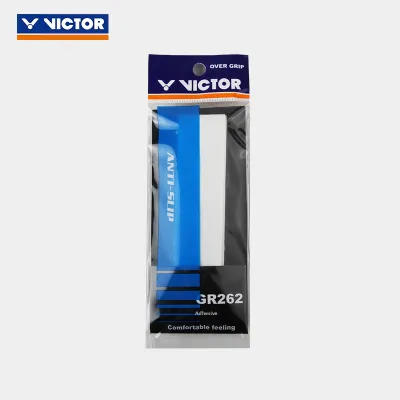
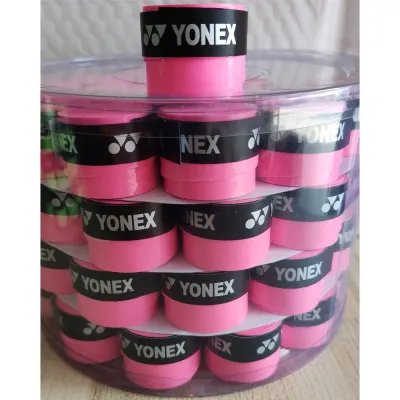
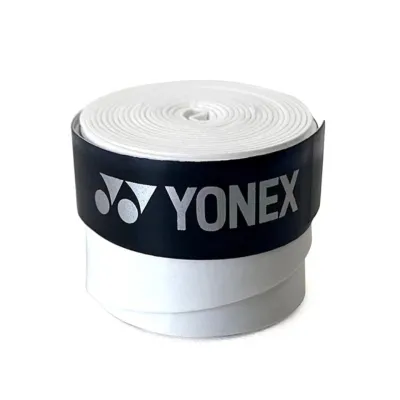
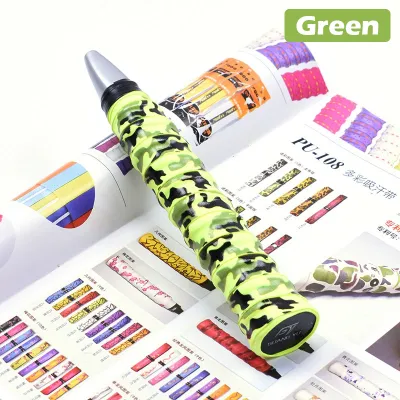

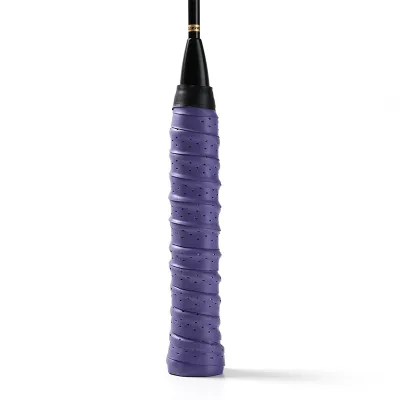
Prices are valid at publication and may change. Please refer to the product page for the latest price.
It is essential to check specific manufacturer labels and sizing charts before making a purchase, as exact measurements vary across brands. A G5 grip from one manufacturer may not have the exact same millimeter circumference as a G5 grip from another. In Singapore and across Southeast Asia, G5 and G6 are the most common standard sizes distributed by major brands, as they cater well to average hand sizes in the region and offer the most flexibility for customization.
The thickness of your base grip directly impacts how you generate power and maneuver your racket. Thinner grips (such as G5 or G6) are highly favored by players who rely on finger power, quick racket rotations, and rapid defensive transitions. A thinner handle allows your fingers to wrap comfortably around the wood, providing the space needed to flex and squeeze the handle at the precise moment of shuttle impact. This squeeze action is crucial for generating “snap” power in quick drives, net kills, and backhand clears.
Conversely, thicker grips (such as G4 or G3) offer superior stability and palm comfort. When you hold a thicker grip, the handle fills your palm more completely, reducing the amount of finger play and shifting the control emphasis to your wrist and forearm. This setup is highly beneficial for players who favor heavy, sustained smashes and deep clears, as the larger surface area distributes the impact force more evenly across the hand. Players with larger hands or those who suffer from joint discomfort often find thicker grips more comfortable for extended play sessions.
To establish a baseline size requirement, you can perform a simple physical measurement of your hand. Measure the distance from the second crease of your wrist (where your hand meets your arm) to the tip of your middle finger. While this measurement provides a helpful starting point, your personal finger length and flexibility also play a role. If you have relatively long fingers, you will likely require a thicker grip setup to prevent your fingernails from digging into your palm during a swing.
Replacement Grips vs. Overgrips: Making the Right Choice
To customize your racket handle effectively, you must understand the functional differences between the two primary categories of grips: replacement grips and overgrips. A replacement grip is designed to be applied directly to the bare wooden handle of the racket. These grips are relatively thick, typically ranging from 1.5mm to 2.0mm, and feature an adhesive backing to secure them firmly to the wood. They contain built-in polyurethane (PU) foam or cushioning layers designed to absorb the shock of high-impact shots and protect your hand from the hard edges of the wooden handle.

An overgrip, on the other hand, is a much thinner strip of material—usually between 0.4mm and 0.7mm thick—that is wrapped over an existing base grip. Overgrips generally do not have a full adhesive backing, relying instead on a small adhesive strip at one end to start the wrap and a piece of finishing tape at the top to secure it. The primary purpose of an overgrip is to provide immediate surface properties such as sweat absorption, tackiness, and friction, while allowing you to make micro-adjustments to the overall thickness of the handle.
Knowing when to install a full replacement grip is crucial for maintaining the structural health of your racket. You should opt for a replacement grip when the original factory grip has become hardened, compressed, crumbling, or moldy. Over time, sweat penetrates through overgrips and accumulates in the base grip, causing the cushioning material to degrade and lose its shock-absorbing properties. If you notice that you can feel the sharp wooden bevels of the handle hurting your palm, or if the handle emits a persistent musty odor, it is time to strip the racket down to the bare wood and apply a fresh replacement grip.
In contrast, an overgrip is sufficient when your base grip is still structurally sound, but you need to restore surface friction, manage moisture, or slightly increase the handle’s thickness. Because overgrips are inexpensive and easy to apply, they serve as a sacrificial layer that you can change frequently. If your racket feels slightly too thin, or if you find your hand slipping during high-intensity rallies due to humidity, wrapping a fresh overgrip over your existing base is the quickest and most cost-effective solution.
Step-by-Step Guide to Measuring and Selecting Your Ideal Grip
Finding the perfect grip configuration is a systematic process of measuring, testing, and adjusting based on your physical attributes and playing conditions. Follow these steps to establish your ideal setup.
Step 1: Establish Your Base Size
Begin by measuring your hand dimensions as outlined previously. Compare your measurement against the specific manufacturer’s size guide to select your starting racket size (typically G5 for most players). If you are purchasing a new racket, it will come with a factory-installed replacement grip. Keep this factory grip intact initially, as it serves as your baseline reference point for thickness and cushioning.
Step 2: Perform the Finger Gap Test
Hold the racket handle using a standard forehand grip, placing your hand near the middle or lower section of the handle. Relax your hand slightly, as you would during a match before preparing for a shot. Look closely at the gap between your fingertips and the palm of your hand. For optimal control and safety, there should be a small, comfortable space—approximately the width of your index finger (about 5mm to 8mm)—between your fingertips and the pad of your thumb or palm. If your fingers wrap all the way around and press firmly into your palm, the grip is too thin. If your fingers cannot curl comfortably around the handle and leave a massive gap, the grip is too thick.
Step 3: Choose Overgrip Materials
Choose your overgrip material based on your personal sweat levels and playing style. If you play in high-humidity environments or sweat heavily, a dry-feel polyurethane overgrip or a cotton towel grip is highly recommended. Towel grips offer unmatched moisture absorption but require a layer of plastic or cushion wrap underneath to prevent sweat from seeping directly into the wooden handle. If you prefer a secure, locked-in sensation and do not sweat excessively, a tacky polyurethane overgrip will provide the high-friction surface needed to keep the racket stable in your hand.
Step 4: Conduct a Trial Swing
Before heading onto the court for a competitive match, perform a series of shadow swings, including overhead clears, rapid defensive drives, and delicate net drops. Pay close attention to how tightly you must squeeze the handle to keep the racket secure. If you find yourself gripping the handle with excessive force to prevent it from twisting, the grip is likely too thin or lacks sufficient tackiness, which will quickly lead to forearm fatigue. If you feel that your wrist movement is restricted and you cannot easily transition from a forehand to a backhand grip, the setup is too thick.
How to Adjust Grip Size if Your Racket Feels Too Thin or Too Thick
If your racket grip does not feel right after performing the initial tests, you can easily modify its thickness without purchasing a new racket or damaging your equipment.
If your grip feels too thin, the most common solution is to add one or more layers of overgrip. Wrapping a second overgrip over the first will increase the circumference by approximately 0.5mm to 1mm. Alternatively, you can use specialized undergrip tape, often referred to as cushion wrap or foam underwrap. This lightweight, adhesive-free foam tape is wrapped directly onto the wooden handle (after removing the factory grip) or over the base grip. It allows you to build up the handle’s thickness to your exact preference while adding customizable shock absorption.
If your grip feels too thick, start by removing any existing overgrips to see if the base grip alone provides a better fit. If it is still too thick, you can strip the factory-installed replacement grip entirely, exposing the bare wooden handle. To protect the wood from moisture and rot, wrap a layer of thin cushion wrap or waterproof electrical tape over the wood, and then apply a single thin overgrip directly over it. This “bare wood” wrapping technique is highly popular among advanced players who want the thinnest possible handle for maximum finger control. You must explicitly avoid sanding, shaving, or scraping the wooden handle itself, as doing so permanently compromises the structural integrity of the racket, alters its aerodynamics, and voids any manufacturer warranties.
When adjusting your grip thickness, keep in mind that adding or removing layers will alter your racket’s overall weight and balance point. Adding multiple overgrips or heavy replacement grips adds weight to the handle end of the racket. This shifts the balance point toward the handle, making the racket feel more “head-light.” A head-light racket is easier to maneuver quickly in defensive situations but may reduce the power of your overhead smashes. Conversely, stripping down the grip reduces handle weight, shifting the balance point toward the head, which makes the racket feel more “head-heavy” and power-oriented. Make your adjustments incrementally to monitor how these subtle weight shifts affect your swing timing.
Maintenance and Replacement Signs for Your Badminton Grip
Maintaining a clean, high-friction grip is essential for both your playing performance and personal hygiene. Over time, all grips degrade due to friction, pressure, and exposure to sweat and dirt. You should inspect your grip regularly for clear signs of wear. A primary indicator that your grip needs replacement is a noticeable loss of surface friction; if the material feels slick, smooth, or slippery, it can no longer provide a secure hold. Other visual and tactile signs include flaking or peeling of the polyurethane surface, hardening of the cushioning material, unpleasant odors, or visible dark spots indicating mold growth.
Environmental factors play a massive role in how quickly your grip degrades. In warm, humid climates, polyurethane grips tend to break down much faster, becoming sticky or crumbly as the synthetic polymers degrade. Heavy sweating accelerates this process, as the salt and moisture from your hands break down the adhesive backings and foam layers. Towel grips, being made of cotton, act like a sponge; they absorb sweat rapidly and, if left unmanaged, become a breeding ground for bacteria, leading to stiff, crusty fibers and severe odors.
To extend the lifespan of your badminton grip, practice proper storage and maintenance habits. After every playing session, avoid immediately placing your racket into a tightly zipped, unventilated bag. Instead, allow the racket handle to air dry in a cool, well-ventilated indoor area. If you use a polyurethane grip, wipe it down with a clean, dry microfiber cloth after play to remove excess sweat and skin oils. For towel grips, consider replacing them every few sessions, or as soon as the cotton fibers begin to feel stiff and lose their soft, absorbent texture. Never store damp rackets in hot car trunks, as the extreme heat can melt grip adhesives and warp the racket frame.
Frequently Asked Questions (FAQ)
Can I use a tennis overgrip on a badminton racket?
While it is physically possible to wrap a tennis overgrip onto a badminton racket, it is generally not recommended. Tennis overgrips are significantly longer, wider, and thicker than those designed specifically for badminton. Wrapping a wider and thicker tennis grip onto a badminton handle will result in excessive overlapping, creating an uneven, bulky surface that obscures the handle’s bevels. Furthermore, the added weight of a tennis grip can significantly alter the delicate balance point of a badminton racket, making it feel sluggish and reducing your maneuverability on the court.
Does a thicker grip increase the risk of tennis elbow?
Yes, playing with an incorrectly sized grip—especially one that is too thick—can contribute to the development of tennis elbow (lateral epicondylitis). When a grip is too thick, your hand cannot wrap around it securely, forcing your forearm muscles to work much harder to keep the racket from slipping out of your hand during high-speed swings. This constant, excessive muscle tension strains the tendons in your elbow. To minimize injury risk, ensure your grip size allows for a relaxed, comfortable hold, and focus on maintaining a loose grip until the exact moment of shuttle impact.
How often should I change my badminton overgrip?
The frequency of overgrip replacement depends on how often you play, your sweat volume, and the type of material you use. As a general guideline, casual players who play once a week may only need to change their polyurethane overgrip every four to six weeks. Frequent players who train multiple times a week or sweat heavily should replace their overgrip every two to three weeks, or as soon as they notice a drop in tackiness or absorption. If you use a cotton towel grip, you should replace it much more frequently—often every two to four playing sessions—to maintain hygiene and prevent the cotton from hardening.
Community discussion
Share your experience or ask a question. Comments are reviewed before publication.