
Selecting the right racket protector requires matching the accessory’s physical dimensions to your racket’s head shape, aligning its padding level with your daily commute, and choosing materials that handle local humidity. A well-chosen protector prevents frame scratches, structural shaft stress, and string tension loss during transit. Modern badminton rackets are highly engineered, lightweight instruments constructed from high-modulus graphite. While this material provides exceptional speed and power on the court, it remains highly vulnerable to sharp impacts, crushing forces, and extreme environmental conditions when off the court.
Investing in a dedicated protector is a practical step to extend the lifespan of your equipment. Without proper physical shielding, rackets stored loosely in standard backpacks can suffer from frame warping, chipped paint, or cracked grommets. By understanding the structural differences between various protective designs, you can make an informed decision that keeps your rackets in tournament-ready condition.
Understanding the Types of Badminton Racket Protectors
Badminton racket protectors come in several distinct designs, each tailored to specific storage capacities and travel requirements. The most common options include single racket sleeves, lightweight one-to-two racket covers, and fully structured multi-racket thermal bags. Selecting the right category depends on how many rackets you carry and the level of environmental exposure they will face.
Products mentioned in this guide
Prices are valid at publication and may change. Please refer to the product page for the latest price.
Single racket sleeves are minimalist, form-fitting covers typically made from neoprene, soft knit fabric, or thin polyester. They are designed to shield a single racket from dust and minor surface scratches. Because they add virtually no bulk, these sleeves are ideal if you prefer to slip your racket inside a standard daily backpack alongside your laptop or books.
Thin one-to-two racket covers are the standard bags often provided by manufacturers upon purchase. They usually feature a simple zipper running the length of the frame and a basic nylon shoulder strap. While they offer convenient carrying for a quick trip to a local court, their thin padding provides limited protection against heavy impacts or crushing forces.
Structured thermal cases are larger, multi-racket bags designed for players who carry multiple frames, shoes, apparel, and accessories. These bags feature rigid or semi-rigid outer walls and specialized internal linings. They offer the highest level of physical protection and are essential for safeguarding high-end rackets from external pressure and temperature spikes.
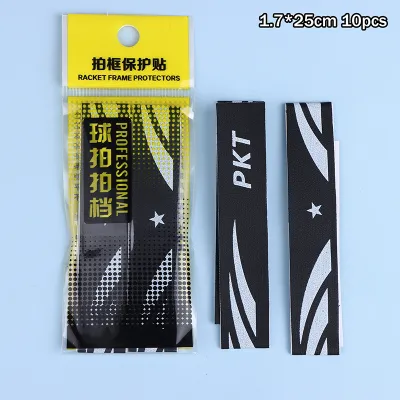
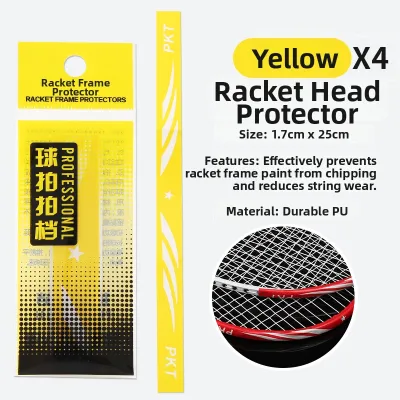
It is important to distinguish these transit protectors from frame guard tapes, which are sometimes also referred to as protectors. Frame guard tape is an adhesive strip applied directly to the outer edge of the racket head to prevent paint scrapes when scraping the court floor during low shots. While useful on the court, frame tape offers no protection for the shaft, grip, or overall structure during travel, which is why a dedicated external cover or bag remains necessary.
Evaluating Frame Compatibility and Material Quality
When choosing a racket protector, physical compatibility with your racket’s head shape is the first critical factor to verify. Modern badminton rackets generally feature either an isometric (square-ish) or a conventional (oval) head shape. Isometric frames have a wider, flatter top section to expand the sweet spot, requiring a protector with a broader upper profile.

Forcing an isometric racket into a narrow, oval-shaped cover can compress the upper corners of the frame. This constant lateral pressure can stress the graphite fibers over time and damage the delicate plastic grommets that protect the strings from sharp frame edges. Always check the manufacturer’s specifications to ensure the cover is designed to accommodate modern isometric geometries.
Interior material quality directly influences how well your racket is protected from scratches and moisture. Look for covers lined with soft, non-abrasive materials such as microfiber or brushed polyester. In humid climates, moisture management is vital; a completely sealed, non-breathable plastic lining can trap sweat from a used grip, leading to mold growth on the handle and premature degradation of the wooden grip core.
Exterior materials must be evaluated for durability and weather resistance. High-denier polyester or nylon fabrics, such as 600D or higher, offer excellent resistance to tears and abrasions from daily wear. Check the product labels for water-resistant coatings, such as polyurethane backing, which prevent rain from soaking through the fabric during your walk to the sports hall.
Matching Protection Levels to Your Commute and Routine
Your daily travel routine and playing frequency should dictate the level of protection your racket cover provides. Matching the protector to your commute ensures your gear remains safe without forcing you to carry unnecessary bulk or weight.
Casual or infrequent players who travel primarily by private car face minimal transit risks. For these players, a simple fabric sleeve or a lightweight single-racket cover is usually sufficient. The primary goal is to keep dust off the strings and prevent the frame from scratching against other items in the trunk or back seat.
If you regularly commute using public transit, such as buses or trains, your gear is exposed to crowded spaces, accidental bumps, and tight squeezes. You need a padded bag with a dedicated shoulder strap and reinforced bottom panels. The padding absorbs sudden impacts from turnstiles or fellow commuters, while a reinforced base protects the racket handles when you set the bag down on hard station platforms.
For frequent travelers, tournament players, or those who leave their gear in warm environments like car trunks, thermal protection is highly recommended. High temperatures can cause the air inside the hollow graphite frame to expand, while simultaneously causing the nylon strings to stretch and lose tension rapidly. A structured case with a thermal foil lining reflects external heat, maintaining a stable internal temperature and preserving your string setup.
Pre-Purchase Fit and Quality Verification Checklist
Before purchasing a racket protector online or in-store, performing a few quick quality checks can save you from compatibility issues and premature wear. Use the following verification steps to ensure you select a durable, well-fitting product:
- Measure Your Racket: Standard adult badminton rackets are typically 675mm in length, but head widths can vary. Measure your racket's total length and maximum head width, then compare them against the protector's stated internal dimensions, ensuring a buffer of at least 1.5 centimeters for an easy fit.
- Inspect the Hardware: Examine the zipper tracks and pull-tabs. Opt for thick, molded plastic zippers rather than fine metal teeth, which can easily catch on strings or corrode in humid air. Ensure the zipper runs smoothly around the curves of the head profile.
- Check Seam Reinforcement: Look closely at the stitching along the stress points, particularly where the shoulder straps or carrying handles attach to the main body of the bag. Double-stitched or cross-stitched seams are essential for long-term durability.
- Verify Strap Adjustability: Ensure the shoulder strap can be adjusted easily to keep the bag tight against your body. A loose, swinging bag is more likely to bump into doorways or obstacles during your commute.
- Review Care Labels and Budget: Read the manufacturer's cleaning instructions to ensure the materials are easy to maintain. Budget realistically for your needs; basic protective sleeves generally range from S$15 to S$30, while fully featured, multi-racket thermal bags can range from S$50 to S$120 or more.
Frequently Asked Questions (FAQ)
Can I use a tennis or squash racket cover for my badminton racket?
Using a tennis or squash cover for a badminton racket is not recommended due to significant dimensional differences. Tennis rackets have much larger head profiles and shorter, thicker shafts, while squash rackets have a completely different head geometry. A badminton racket placed inside a tennis cover will slide around excessively during transit. This movement causes friction along the delicate graphite shaft and frame, which can wear down the paint and fail to provide secure impact protection.
How should I clean and maintain a padded racket protector?
To clean a padded racket protector, spot clean the exterior fabric using a damp cloth and mild soap. Avoid submerging the protector in water or placing it in a washing machine, as the agitation can tear internal thermal linings and cause foam padding to clump or lose its shape. Always allow the protector to air-dry completely in a shaded, well-ventilated area before storing your rackets inside. Storing gear in a damp cover can trap moisture, leading to mold on the grip and structural damage to the wooden handle.

Community discussion
Share your experience or ask a question. Comments are reviewed before publication.