
Selecting the right knee support is essential for maintaining joint comfort, stability, and mobility across different physical activities. Bamboo knee supports have gained popularity due to their unique material properties, offering a softer, more breathable alternative to traditional synthetic sleeves. However, choosing the ideal support requires matching the sleeve’s design, compression level, and structural features to your specific daily routine and physical demands.
In tropical climates like Singapore, where high humidity and heat are constant factors, material choice becomes even more critical. A support that traps heat or sweat can quickly lead to skin irritation, slippage, and discomfort, ultimately discouraging regular use. By understanding how different bamboo-blend structures function, you can select a support that keeps you comfortable whether you are commuting, working out at the gym, or participating in high-impact sports.
Key Features of Bamboo Knee Supports
Bamboo knee supports are rarely made of pure bamboo fiber; instead, they utilize bamboo viscose blended with synthetic materials like nylon, polyester, and spandex. This combination is crucial because bamboo viscose provides exceptional softness and natural moisture-wicking properties, while the synthetic fibers supply the necessary elasticity, durability, and compression. When shopping, always check the product label to verify the exact blend ratios, as a higher percentage of spandex or elastane typically indicates better stretch retention over time.
Products mentioned in this guide
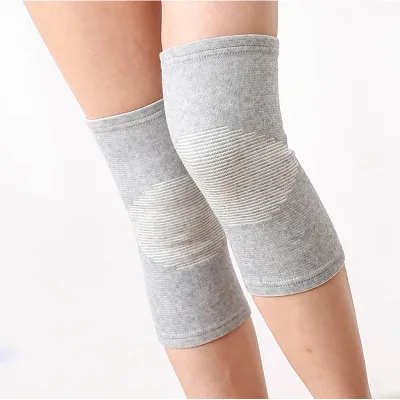
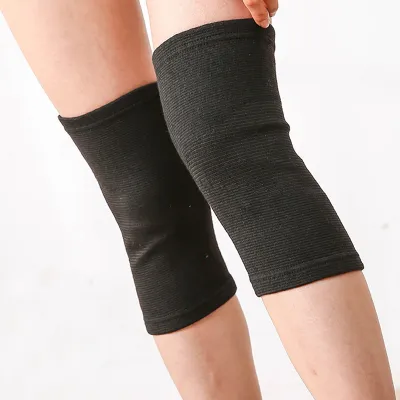
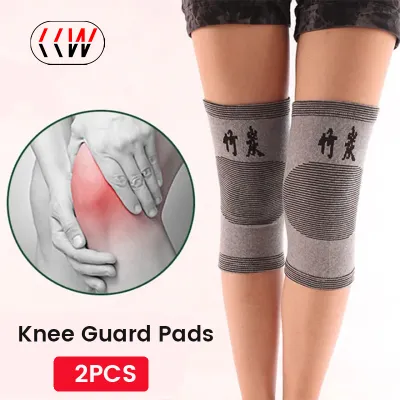
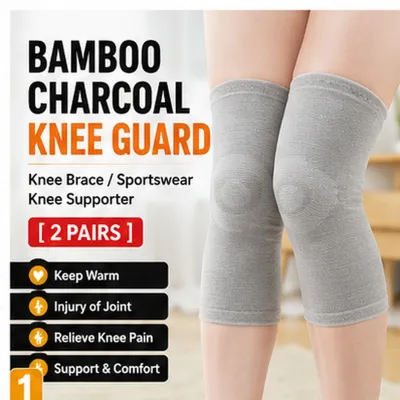
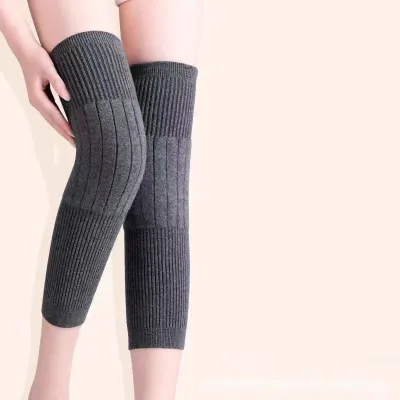
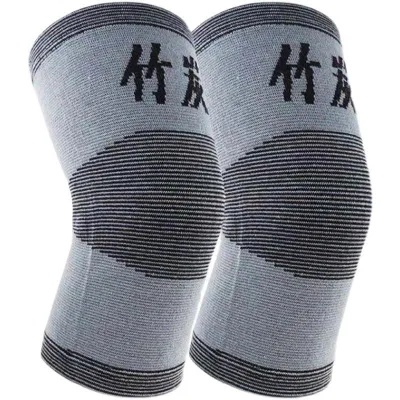
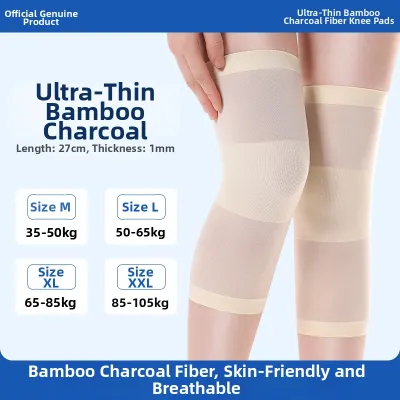
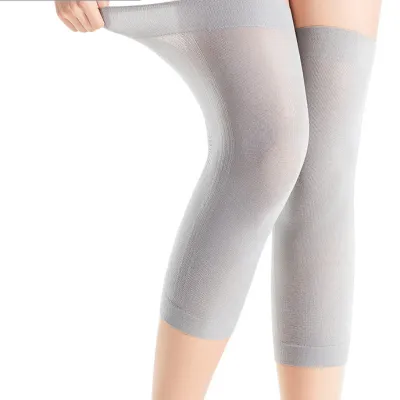
Prices are valid at publication and may change. Please refer to the product page for the latest price.
The primary advantage of bamboo viscose is its breathability and moisture management. The fiber structure contains micro-gaps that allow air to circulate freely and pull sweat away from the skin, allowing it to evaporate quickly. This makes bamboo-blend sleeves highly suitable for sensitive skin, as they minimize the warm, damp environment where bacteria thrive. If you are prone to skin allergies or friction rashes, look for brands that explicitly state their materials are hypoallergenic or certified free from harmful chemical finishes.
Beyond the basic fabric, bamboo knee supports come in various structural designs. Standard compression sleeves offer a uniform, snug fit around the joint, which is excellent for mild support and improving joint awareness. Advanced models may incorporate additional structural elements, such as contoured silicone patella gel pads to stabilize the kneecap, or flexible side stabilizers to provide lateral support. Some designs also feature adjustable elastic straps that allow you to customize the compression level across specific areas of the knee.
Matching Support Levels to Your Activity
To get the most out of your bamboo knee support, you must align its structural features with the physical demands of your chosen activity. High-intensity sports—such as badminton, basketball, tennis, or trail running—involve rapid acceleration, sudden stops, and sharp lateral movements. For these activities, your primary concern is preventing the sleeve from shifting or bunching. Look for high-compression bamboo sleeves equipped with integrated anti-slip silicone waves or strips along the inner top cuff. These silicone grips adhere gently to the skin, ensuring the sleeve remains securely in place even during heavy sweating.

Gym workouts and weightlifting require a different balance of support and flexibility. When performing deep squats, lunges, or leg presses, your knee joint moves through a wide range of motion under load. A medium-weight bamboo compression sleeve is ideal here, as it provides joint warmth and mild compression that enhances proprioception—your body’s ability to sense joint position and movement. This sensory feedback helps you maintain proper alignment and form. Ensure the sleeve is flexible enough to allow a full bend at the knee without pinching the sensitive skin in the popliteal fossa behind the knee.
For daily joint comfort, light walking, or recovery after a long day on your feet, a lightweight, low-compression sleeve is the most practical choice. The goal for daily wear is to provide gentle, reassuring pressure that promotes circulation and eases minor stiffness without restricting your natural movement. Because you will likely wear this support for hours at a time, prioritize a highly breathable, thin-knit bamboo blend that fits discreetly under your trousers. This prevents overheating during outdoor commutes and ensures comfort in air-conditioned office environments.
Sizing and Fit Checks for Safe Compression
An improperly fitted knee support can do more harm than good, making accurate sizing the most critical step in your selection process. To find your correct size, use a flexible tape measure while standing up with your leg slightly bent. Measure the circumference of your leg at the exact points specified by the manufacturer. This typically involves measuring around the center of your kneecap, as well as specific distances above and below the patella to account for thigh and calf dimensions.
Do not rely on generic sizing labels like small, medium, or large, as sizing standards vary significantly between different brands and regions. A medium in one brand might fit like a small in another. Always compare your precise measurements against the manufacturer’s specific sizing chart before making a purchase on any online marketplace or retail store. If your measurements fall between two sizes, it is generally safer to choose the larger size to avoid restricting blood flow, unless you are specifically seeking high-level athletic compression for short-duration use.
Once you receive your knee support, perform a few simple movement tests at home to verify the fit. Put the sleeve on and perform five to ten deep squats, walk around the room, and take a few lateral steps. Observe whether the top band rolls down your thigh, if the fabric bunches up behind your knee, or if the sleeve slips down toward your calf. A well-fitting support should feel snug and supportive like a second skin, remaining securely in place without requiring constant manual adjustment.
It is vital to recognize the warning signs of a support that is too tight, which can compress nerves and restrict blood circulation. If you experience numbness, a pins-and-needles tingling sensation, coldness in your toes, or visible skin discoloration below the knee, the sleeve is restricting your blood flow. Deep, painful indentations left on your skin after removing the sleeve also indicate excessive tightness. If any of these symptoms occur, remove the knee support immediately and exchange it for a larger size.
Care and Maintenance for Bamboo Blends
Proper care is essential to preserve the elasticity, shape, and hygienic properties of your bamboo-blend knee support over time. Always refer to the manufacturer’s specific washing instructions printed on the care label or packaging. As a general rule, hand washing the sleeve in cool or lukewarm water with a mild, liquid detergent is the safest method to protect both the delicate bamboo viscose fibers and the elastic spandex components.
Avoid using bleach, fabric softeners, or harsh chemical detergents, as these substances can degrade the synthetic elastic fibers, causing the sleeve to lose its compression and stretch out prematurely. Additionally, never expose the knee support to high heat. Do not dry it in a tumble dryer or place it directly on a radiator, as extreme heat warps the elastic and can melt any integrated silicone grips or stabilizers. Instead, gently squeeze out excess water without wringing, and lay the support flat on a clean towel or hang it in a shaded, well-ventilated area to air-dry.
Frequently Asked Questions (FAQ)
Can I wear a bamboo knee support all day?
Lightweight bamboo sleeves designed for daily comfort can generally be worn for several hours at a time, but high-compression athletic braces should be reserved only for active exercise. Regardless of the design, you should monitor your skin condition and circulation throughout the day. It is highly recommended to remove the support periodically to allow your skin to breathe, and you must take it off immediately if you experience swelling, numbness, or discomfort.
Do bamboo knee supports help with heavy lifting?
Bamboo compression sleeves provide joint warmth, mild stability, and enhanced joint awareness, which can support your form during moderate gym workouts. However, they do not provide the rigid, mechanical structural support offered by heavy-duty neoprene lifting sleeves or hinged braces. For maximal lifting loads or powerlifting, consult the manufacturer’s guidelines to ensure you are using equipment designed for heavy structural support.
How do I know if my knee support is too tight?
Your knee support is too tight if you notice physical warning signs such as cold toes, numbness, a tingling sensation, or skin discoloration below the joint. Another clear indicator is the presence of deep, painful red indentations on your skin after you take the sleeve off. If you observe any of these signs, remove the support immediately and transition to a larger size to ensure safe circulation.

Community discussion
Share your experience or ask a question. Comments are reviewed before publication.