
The ideal capacity for a tennis ball cart depends on your coaching format, player count, and drill intensity. For individual technical lessons, a compact cart holding 50 to 75 balls keeps sessions focused and highly mobile. Standard group clinics usually require a capacity of 100 to 120 balls to maintain a steady rhythm without constant collection breaks, while high-volume academy training or ball machine drills are best served by heavy-duty carts holding 150 or more balls. Selecting the right size ensures you balance continuous play with physical portability on the court.
Assessing Your Coaching Setup and Ball Volume Needs
Analyze the types of drills you run most frequently during your sessions. Multi-ball feeding drills consume balls rapidly, requiring a larger reserve to keep players moving and engaged. Conversely, live-ball rally practice or tactical point play relies less on continuous feeding from the coach, meaning a smaller, more agile cart can easily suffice.
Calculate the ball-to-player ratio based on your typical group size. If you coach a single player on stroke mechanics, you might feed 10 to 15 balls per sequence before pausing for feedback and adjustment. In a group of four players, a single feeding rotation can easily exhaust 40 to 50 balls in a few minutes, making a larger capacity necessary to prevent frequent, disruptive collection breaks.
Products mentioned in this guide
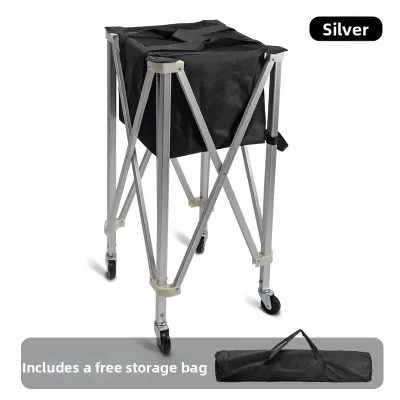
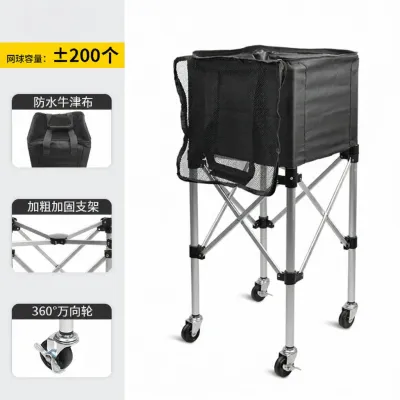
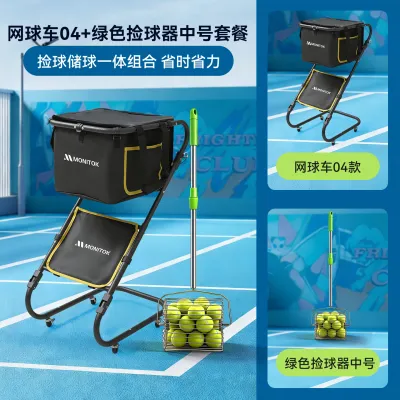
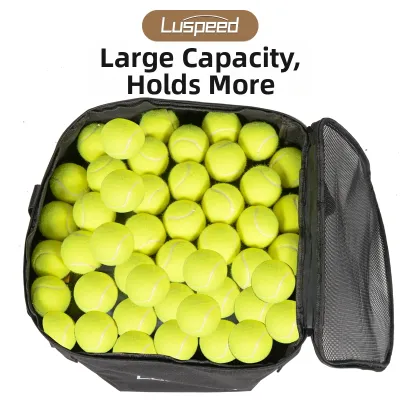
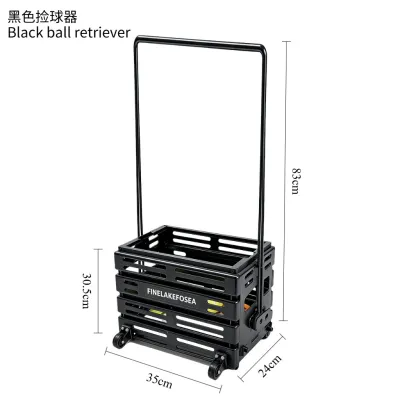
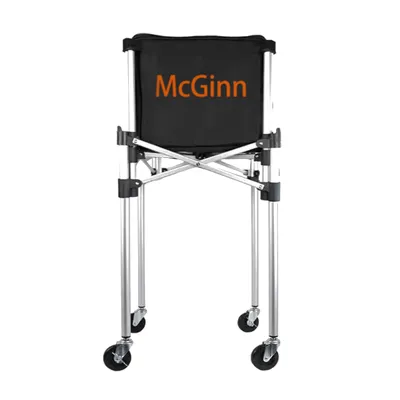
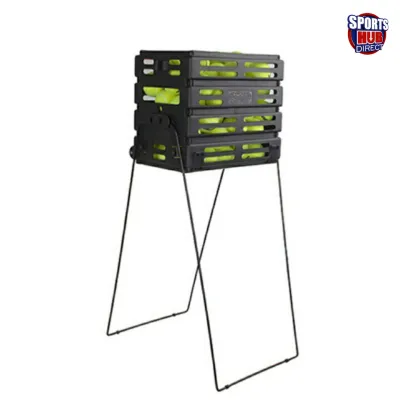
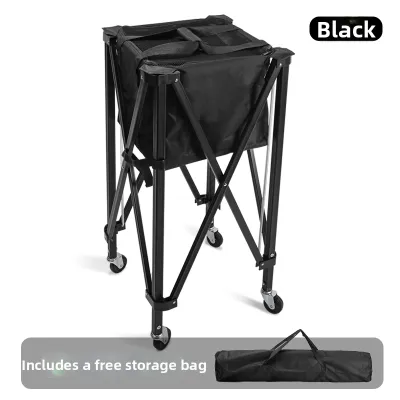
Prices are valid at publication and may change. Please refer to the product page for the latest price.
Factor in court turnover time and collection efficiency. Pausing a session every three minutes to collect balls disrupts the flow of learning and reduces active playing time. A larger cart allows you to run longer, more cohesive drill cycles, though it also means longer collection periods when the court is finally cleared.
Consider the physical space and layout of your coaching venue. In Singapore, where indoor or sheltered courts can have tight run-off zones and outdoor public courts are often closely spaced, a massive cart might restrict your movement. You must balance the desire for high ball volume with the practical space available behind the baseline and along the sidelines to ensure safe coaching paths.
Additionally, think about how you store and transport your balls between sessions. If you leave your balls in the cart basket inside a humid storage room, moisture can affect the felt and bounce of the balls over time. A cart with a removable, breathable mesh bag allows you to transport the balls to a climate-controlled environment easily, preserving their lifespan.
Matching Standard Cart Capacities to Practice Scenarios
Compact carts, typically holding 50 to 75 balls, offer excellent agility for specific coaching environments. These lightweight models are ideal for private, one-on-one coaching sessions where the focus is on precise technical adjustments rather than high-repetition cardio drills. They are also highly suitable for traveling coaches who move between private condominium courts and public facilities, as they fit easily into small car boots.

Standard carts, with a capacity of 100 to 120 balls, serve as the workhorse for most club coaches and school programs. This volume provides a balanced compromise, allowing you to run continuous feeding drills for small groups of three to four players without pausing too frequently. The physical size of these carts remains manageable for single-handed pushing while offering enough depth to prevent balls from spilling over during movement.
High-capacity carts, designed to hold 150 or more balls, are essential for high-performance academies, team practices, and intensive feeding clinics. These large baskets allow coaches to sustain high-intensity drills over extended periods, which is particularly useful when preparing competitive players for long match simulations. However, fully loaded high-capacity carts require significantly more physical effort to push, especially on high-friction court surfaces.
When choosing between these tiers, evaluate your typical weekly schedule rather than your occasional maximum needs. Purchasing a massive cart for rare large-group events can make your daily private lessons unnecessarily cumbersome, whereas a cart that is too small will leave you constantly bending down to refill from storage boxes.
Evaluating Physical Dimensions and Court Logistics
Before finalizing your choice, measure the physical entryways of your regular training facilities. Standard tennis court gates and storage room doors can vary in width, and a cart that cannot pass through easily will force you to carry it awkwardly or unload balls beforehand. Compare the manufacturer’s listed width of the fully assembled cart against your narrowest gate clearance.
Wheel design is a critical factor that directly affects both court preservation and ease of movement. Hard, narrow plastic wheels can leave marks or cause wear on acrylic hard court surfaces, and they perform poorly on clay or grass. Look for carts equipped with non-marking rubber wheels or pneumatic casters that distribute weight evenly and roll smoothly over court seams.
The folding mechanism and collapsed footprint determine how easily you can transport the equipment between sessions. If you commute to different courts across Singapore, verify how the cart folds down and whether the basket is detachable. A cart that collapses into a compact, linear shape is much easier to slide into a car backseat or trunk alongside multiple rackets and gear bags.
Weight distribution when fully loaded is another logistical detail to verify. A cart holding 150 wet or heavy pressureless balls can weigh over 15 kilograms, which changes how the frame handles slopes or transitions between the court and the parking lot. Ensure the cart’s center of gravity remains low to prevent tipping on uneven pathways.
Storage environment conditions also dictate the physical materials you should prioritize. In high-humidity regions, storing a metal cart in an unventilated outdoor locker can accelerate rust and joint stiffening. Opting for a cart with a collapsible frame that can be stored indoors or in a dry vehicle trunk will extend its operational life significantly.
Essential Features to Verify Before Purchasing
Examine the frame material and construction quality to ensure long-term durability under heavy use. Lightweight aluminum frames offer excellent rust resistance and are easy to lift, but they must feature reinforced joints to handle the constant vibrations of court travel. Heavy-duty steel frames provide superior stability when fully loaded but require protective coatings to prevent rust, especially in humid tropical climates.
Verify the locking mechanisms on both the folding joints and the wheels. A reliable cart should feature secure locking pins or tension bars that prevent the frame from collapsing unexpectedly during a drill. Additionally, at least two wheels should have functional brakes to keep the cart stationary on windy days or slightly sloped court surfaces.
Inspect the basket material, focusing on mesh durability and weather resistance. Nylon or polyester mesh bags should have reinforced stitching along the seams and heavy-duty zippers or velcro closures to secure the balls during transport. If you coach outdoors, check the manufacturer’s specifications for UV-resistant coatings, as prolonged exposure to intense sunlight can degrade untreated fabrics and cause them to tear.
Consider the ergonomics of the handle height and grip material. A handle that is too low forces you to bend slightly while feeding, which can lead to lower back strain over a long day of coaching. Look for adjustable handles or ergonomic designs covered in weather-resistant foam or rubber to ensure a comfortable, slip-free grip during humid outdoor sessions.
Frequently Asked Questions (FAQ)
Can I use a tennis ball cart for other sports equipment?
Tennis ball carts are specifically engineered for the weight and volume of standard tennis balls. While they can hold lighter items like pickleballs or training foam balls, loading them with denser, heavier items like baseballs, softballs, or golf balls can exceed the manufacturer’s weight limits. Always check the structural load capacity of the frame and the tensile strength of the mesh basket before using the cart for alternative sports equipment to prevent frame bending or mesh tearing.
How do I clean and maintain the mesh and frame?
To maintain your cart, regularly clear out court debris, leaves, and grit from the bottom of the basket. Wipe down the metal frame with a damp cloth and mild soapy water to remove sweat and dirt, then dry it thoroughly with a clean towel to prevent corrosion. Avoid using harsh chemical solvents or abrasive brushes on the mesh bag; instead, hand wash it gently if needed and allow it to air dry completely in a shaded area before reloading it with balls.
Community discussion
Share your experience or ask a question. Comments are reviewed before publication.