
Selecting the right cold pack gel for sports injury recovery is not about finding a single universal product, but rather matching the physical characteristics of the gel pack to your specific recovery needs. The ideal cold pack gel must conform closely to the injured area, maintain its therapeutic temperature for the recommended duration of your session, and withstand repeated freezing and thawing cycles without leaking. Whether you are managing an acute ankle sprain from a weekend run or soothing muscle soreness after a heavy gym session, the design, size, and flexibility of the gel pack will directly determine how effectively it delivers targeted relief.
In sports recovery, the primary goal of applying cold is to manage the body’s natural inflammatory response to tissue stress. By choosing a gel pack that aligns with your specific injury type and anatomical requirements, you can optimize this recovery process safely. This guide will walk you through the essential criteria for evaluating cold pack gels, matching their designs to different muscle groups, and applying them safely to avoid skin damage.
Understanding Cold Therapy for Different Sports Injuries
To choose the correct cold pack gel, you must first understand the nature of the injury you are treating. Sports injuries generally fall into two categories: acute injuries and chronic or overuse issues. Acute injuries, such as ankle sprains, hamstring strains, or direct impact bruises from contact sports, occur suddenly and are immediately followed by localized swelling, redness, and sharp pain. For these sudden events, immediate cold therapy is highly beneficial as a first-aid measure to help control the initial inflammatory response.
Products mentioned in this guide
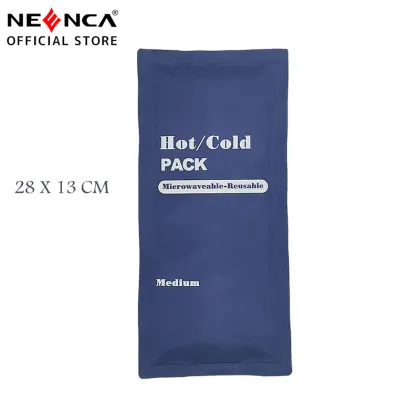
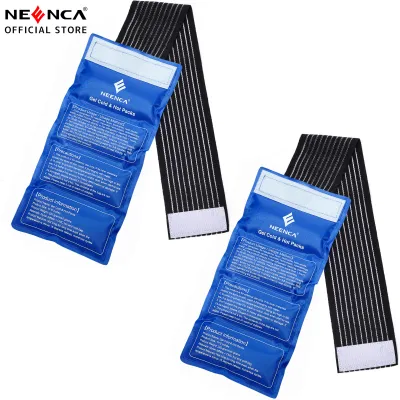
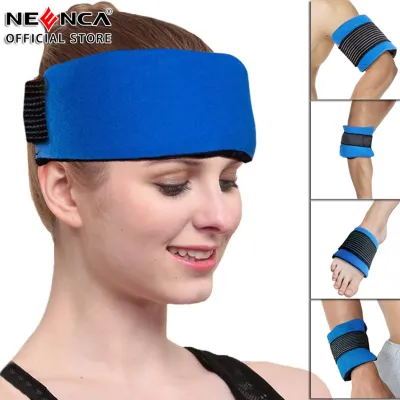
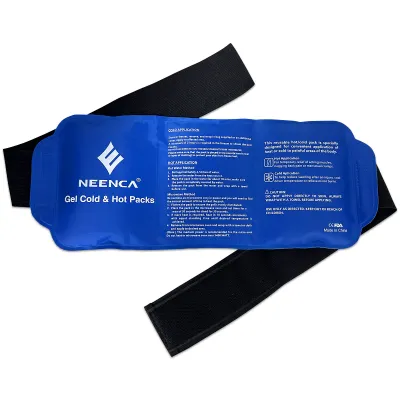
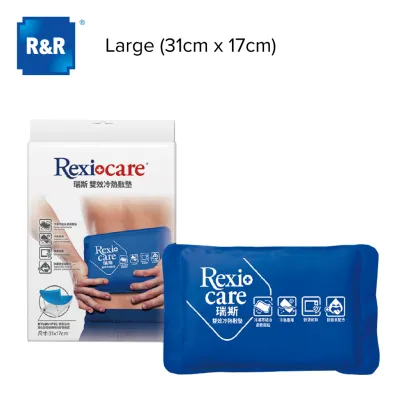
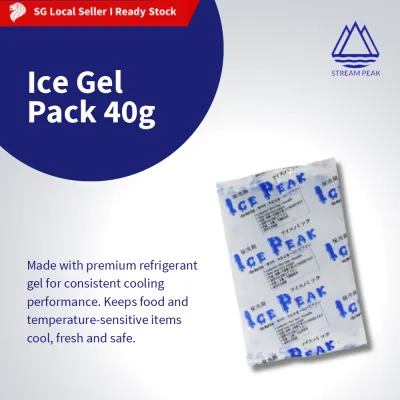
Prices are valid at publication and may change. Please refer to the product page for the latest price.
In contrast, delayed onset muscle soreness (DOMS) represents the microscopic tearing of muscle fibers that occurs after intense or unfamiliar physical exertion. While cold therapy can help numb the dull, aching discomfort associated with DOMS, it is often used in rotation with light movement or heat therapy once the initial acute phase of soreness has passed. Understanding this distinction helps you determine whether you need a dedicated cold pack or a versatile hot-and-cold option.
Physiologically, cold therapy works by lowering the temperature of the target tissue, which triggers vasoconstriction—the narrowing of local blood vessels. This narrowing temporarily reduces blood flow to the injured area, which helps minimize localized swelling and fluid accumulation. Additionally, the cold temperature slows down nerve conduction velocity, effectively numbing the area and providing temporary relief from sharp, acute pain.
However, equipment and home remedies cannot replace professional medical judgment. If you experience severe pain, visible joint deformities, rapid and extreme swelling, or an inability to bear weight on the affected limb, you must bypass home cold therapy and consult a healthcare professional or sports physiotherapist immediately. These symptoms often indicate more serious structural damage, such as a complete ligament tear or a bone fracture, which requires clinical assessment and specialized treatment.
Key Features to Evaluate in a Cold Pack Gel
When shopping for a cold pack gel, looking past marketing buzzwords and focusing on verifiable product specifications is essential. The first critical feature to evaluate is the gel’s flexibility when frozen. Standard ice packs freeze into solid, rigid blocks that cannot wrap around curved joints like knees or elbows, leading to uneven contact and poor thermal transfer. High-quality cold pack gels are formulated to remain pliable and contour smoothly to your body even after hours in a sub-zero freezer. You can verify this by checking the manufacturer’s product description for terms like “remain flexible when frozen” or looking for specific gel formulations designed for low-temperature pliability.

Durability and leak prevention are equally vital, especially since gel packs are subjected to repeated bending, compression, and temperature fluctuations. A leaking gel pack is not only messy but can also expose your skin to industrial chemicals. When evaluating a product, inspect the outer material and seam construction. Look for heavy-duty, puncture-resistant outer shells made from materials like thick nylon or double-laminated vinyl. Additionally, check for double-sealed edges or reinforced seams, which provide an extra layer of protection against bursting under pressure.
Cold retention duration is another specification that varies widely between products. Rather than assuming all gel packs stay cold indefinitely, look for the manufacturer’s stated active cooling time, which typically ranges from 15 to 30 minutes. For standard recovery sessions, a pack that maintains its cold temperature for at least 20 minutes is ideal. If your recovery routine requires longer or consecutive sessions, you should plan to purchase multiple packs so you can rotate them, allowing one to re-chill in the freezer while using the other.
Finally, consider whether you require hot and cold versatility. Many modern gel packs are designed to be dual-purpose, allowing them to be chilled in the freezer or heated in a microwave or hot water bath. If you plan to use the pack for heat therapy to soothe chronic muscle stiffness, you must verify that the product is explicitly labeled as microwave-safe. Always check the manufacturer’s specific heating instructions and temperature limits, as overheating can cause the gel to expand rapidly and burst the outer casing, posing a burn hazard.
Matching Gel Pack Designs to Body Parts and Injury Types
The shape and size of your cold pack gel should match the anatomy of the injured area to ensure consistent contact and effective thermal transfer. Large rectangular packs are the most versatile option for broad muscle groups and flat body surfaces. They are highly effective for treating large areas like the lower back, quadriceps, hamstrings, or upper shoulders. Because of their size, these packs usually require you to remain stationary and hold them in place manually, or secure them using separate compression wraps or elastic bandages.
For highly mobile joints, contoured or joint-specific packs offer a superior fit. These packs are engineered with specific cutouts, curves, or hinges that allow them to wrap snugly around complex joints like the knee, elbow, or shoulder. By maintaining even contact across the entire joint surface, contoured packs deliver more consistent cooling to the affected ligaments and tendons without restricting your ability to keep the joint slightly bent or supported.
If you prefer hands-free application, wrap-around designs with integrated straps are an excellent choice. These products feature built-in elastic or hook-and-loop straps that secure the gel pack firmly to your limbs, such as the calf, thigh, or upper arm. This design allows you to maintain light mobility or sit comfortably without worrying about the pack slipping out of place. When using strapped wraps, it is crucial to apply consistent, moderate pressure to assist with compression, while ensuring the straps are not pulled so tight that they restrict local blood circulation.
For smaller, highly localized injuries, small or targeted gel packs are the most practical option. These compact packs are designed for narrow anatomical areas like the wrists, fingers, ankles, or the Achilles tendon. Using a large, bulky pack on a small joint like the wrist often results in poor contact and unnecessary cooling of surrounding healthy tissue. A small, lightweight pack can be positioned precisely over the point of pain, ensuring targeted relief where it is needed most.
Safety Guidelines and Best Practices for Cold Application
While cold therapy is a highly effective recovery tool, improper application can lead to serious tissue damage, including frostbite, ice burns, or nerve irritation. The most critical safety rule is to protect your skin from direct contact with the frozen gel pack. Always place a physical barrier, such as a thin towel, a pillowcase, or the pack’s designated fabric sleeve, between the gel pack and your bare skin. In humid tropical climates like Singapore, cold packs rapidly accumulate condensation, which can make the skin wet and more susceptible to rapid temperature drops; a dry fabric barrier helps manage this moisture while regulating the cooling rate.
Adhering to strict time limits is equally important for preventing tissue damage. Standard first-aid guidelines recommend limiting cold application to 15 or 20 minutes per session. Leaving a cold pack on for longer does not increase its therapeutic benefit and can trigger a rebound effect where the body increases blood flow to the area to protect the tissue from freezing. Always allow your skin to return to its normal temperature and sensation—typically waiting at least one to two hours—before reapplying the cold pack.
There are several contraindications where cold therapy should be avoided entirely. Do not apply cold packs to areas with poor blood circulation, compromised sensation, or active numbness, as you will not be able to feel if the tissue is becoming dangerously cold. Additionally, never apply a cold pack directly over open wounds, surgical incisions, or skin infections, as the extreme cold can delay healing and introduce contaminants.
Proper storage and handling will extend the lifespan of your gel pack and ensure it is always ready for use. Follow the manufacturer’s instructions regarding freezer storage; some gels are designed to be kept in the freezer indefinitely, while others should only be chilled for a few hours before use to prevent the gel from hardening or crystallizing. Regularly inspect your gel pack before each use, checking for any signs of wear, thinning plastic, crystallization of the gel, or micro-leaks along the seams, and discard the pack immediately if any defects are found.
Your Pre-Purchase Checklist for Cold Pack Gels
Before purchasing a cold pack gel from an online marketplace or local sports retailer, use this checklist to ensure you select a product that meets your recovery needs:
- Measure the Dimensions: Verify the physical size of the gel pack against the specific body part you intend to treat to ensure complete coverage.
- Check for Accessories: Confirm whether the package includes a protective fabric cover, a compression sleeve, or integrated straps, or if you will need to purchase these separately.
- Verify Temperature and Material Specs: Check the manufacturer's specifications for the minimum freezing temperature, flexibility claims, and non-toxic gel certifications.
- Review the Return Policy: When buying via ecommerce platforms, review the seller's return policy and warranty terms for durable health and sports recovery goods.
- Assess Versatility: If you require both heat and cold therapy, double-check that the pack is explicitly rated as microwave-safe and review the heating instructions.
Frequently Asked Questions (FAQ)
Can I use a cold pack gel while sleeping?
No, you should never use a cold pack gel while sleeping. When you are asleep, your body cannot register the sensory warning signs of excessive cooling, such as intense burning, numbness, or pain. Prolonged, unmonitored exposure to freezing temperatures can lead to severe tissue damage, frostbite, or localized nerve damage. To ensure safe recovery, always remain awake during your therapy sessions, set a timer for 15 to 20 minutes, and remove the pack immediately once the timer sounds.
How do I clean and maintain my gel pack?
To clean your reusable gel pack, gently wipe the exterior plastic or vinyl surface with a damp cloth, mild soap, and lukewarm water. Avoid using harsh chemical cleaners, bleach, or abrasive scrubbing pads, as these can degrade the outer material and weaken the sealed seams over time. If your gel pack came with a removable fabric cover or sleeve, check the care label for specific washing instructions; most fabric covers can be hand-washed or machine-washed on a gentle cycle and air-dried.
What should I do if the gel pack leaks?
If you notice any gel leaking from the pack, discontinue use immediately and discard the product in your household waste. Wash any affected skin area thoroughly with soap and water to prevent irritation. While most modern sports gel packs use non-toxic formulations, it is always best to check the manufacturer’s safety data sheet or product packaging for specific ingredient information and handling instructions.
Community discussion
Share your experience or ask a question. Comments are reviewed before publication.