
Starting a home strength training routine in Singapore requires selecting dumbbells that align with your physical capabilities, fitness goals, and the practical constraints of your living space. The most effective dumbbells for beginners are those that support gradual progression, provide a secure and comfortable grip, and fit neatly into your home without cluttering high-traffic areas. Rather than following generic, gender-targeted marketing that often suggests overly light weights, choosing the right equipment involves assessing your individual movement patterns, hand size, and the specific exercises you plan to perform. By focusing on these functional criteria, you can establish a safe, versatile, and highly efficient home gym setup that supports long-term physical progress.
Key Factors When Choosing Dumbbells for Women's Fitness
Selecting the right dumbbells begins with an objective assessment of your current physical strength, moving past outdated assumptions about what women can or should lift. Strength is highly individual and depends on your athletic background, active lifestyle, and overall joint health. To determine your starting point, you must evaluate your ability to perform foundational movements with proper form. A weight that feels appropriate for an upper-body isolation movement, such as a bicep curl or lateral raise, will feel significantly too light for lower-body compound movements like squats, lunges, or deadlifts. Therefore, a single pair of light dumbbells is rarely sufficient for a comprehensive full-body routine; instead, you will need a range of resistances to challenge different muscle groups effectively.
Grip ergonomics represent another critical factor that directly influences both safety and workout consistency. Many standard dumbbells are designed with thick handles that can be difficult to grasp securely if you have smaller hands. A grip diameter that is too wide forces your forearm muscles to work excessively hard just to hold the weight, which can lead to premature grip fatigue before the target muscle group is fully worked. When evaluating dumbbells, look for handle diameters ranging from 25 to 28 millimeters, which typically offer a more secure hold for smaller hand profiles. Additionally, the texture of the handle plays a vital role in maintaining control. Knurled steel handles provide a high-friction grip that prevents slipping when hands sweat, though some users prefer neoprene or vinyl coatings for a softer feel. If you choose knurled handles, look for a medium or light knurling pattern that offers traction without causing skin irritation during high-repetition sets.
Products mentioned in this guide
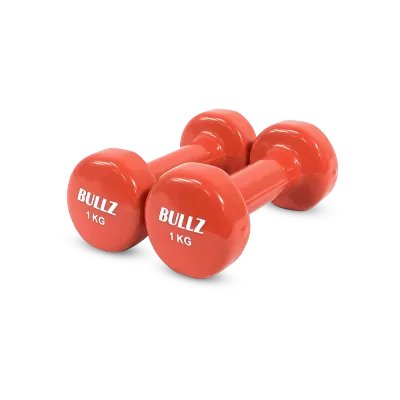
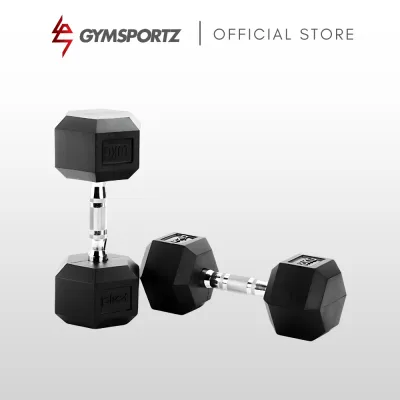
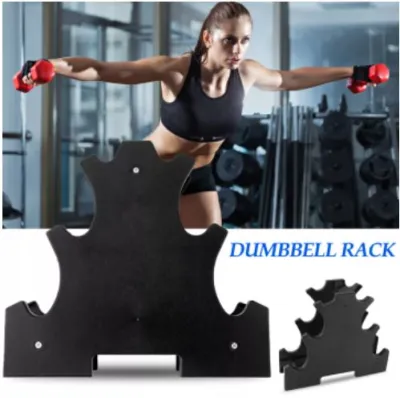
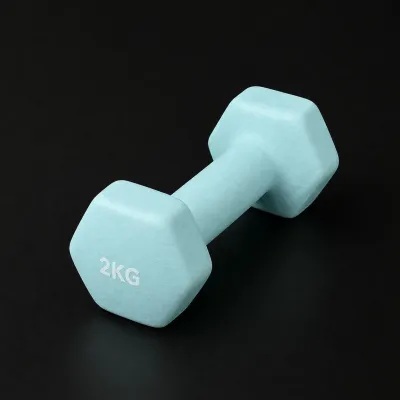
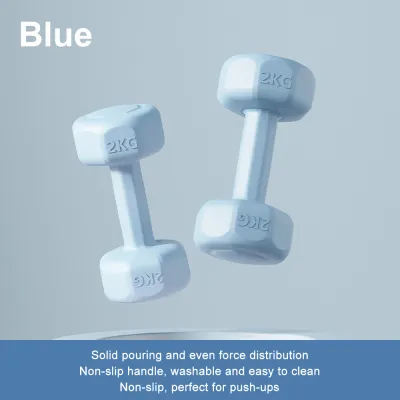
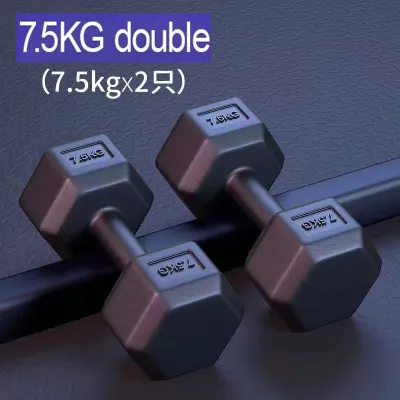
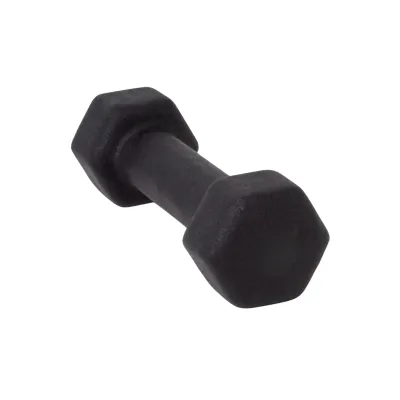
Prices are valid at publication and may change. Please refer to the product page for the latest price.
The physical shape of the dumbbell heads also affects how you perform exercises and how you store the equipment on your home floors. Round dumbbells are classic and comfortable for many movements, but they tend to roll away when placed on slightly uneven surfaces or when bumped during a workout. This rolling behavior can pose a safety hazard in a compact home environment. Hexagonal dumbbells, which feature flat, six-sided heads, remain stationary when set down, making them highly stable for floor-based exercises like renegade rows, push-ups, or planks. Furthermore, the material coating of the dumbbell heads determines how well your floors are protected. Cast iron dumbbells are highly durable but can easily scratch, dent, or chip tiled or vinyl flooring if dropped. Dumbbells encased in high-quality rubber, polyurethane, or neoprene provide a protective barrier that dampens noise and cushions the impact on your home surfaces, which is particularly important when working out in shared residential spaces.
Fixed vs. Adjustable Dumbbells: Which Type Fits Your Routine?
When building a home gym, the primary equipment decision is choosing between fixed-weight dumbbells and adjustable dumbbell systems. Fixed-weight dumbbells are single, solid pieces of equipment with a permanent weight rating. Their primary advantage lies in their simplicity and extreme durability. Because they have no moving parts, dials, or collars, there is virtually no risk of mechanical failure, making them exceptionally safe for dynamic movements and overhead lifts. They allow for rapid transitions between exercises, as you can simply drop one pair and pick up another without pausing to adjust pins or plates. This seamless transition is highly beneficial for high-intensity interval training (HIIT) or circuit workouts where keeping your heart rate elevated is a priority. However, the major drawback of fixed dumbbells is the physical space they occupy; as your strength increases, you must purchase additional pairs, which quickly leads to a large collection that requires a dedicated storage rack.

Adjustable dumbbells, on the other hand, consolidate multiple weight increments into a single pair of handles, making them an incredibly space-efficient solution for compact homes. These systems typically fall into three categories: spin-lock dumbbells, selectorized dial systems, and block-style adjustables. Spin-lock models use threaded collars to secure individual weight plates onto a bar, offering a highly secure and cost-effective option, though changing weights requires manual effort and takes more time. Selectorized dial systems allow you to change weights in seconds by turning a dial or moving a pin while the dumbbell rests in its cradle. This convenience makes them ideal for progressive overload, where you gradually increase the resistance over weeks and months. The trade-off for this convenience is mechanical complexity; selectorized dumbbells contain intricate internal locking mechanisms that can be damaged if the weights are dropped or handled roughly. Consequently, they require a more controlled lifting style and are not suitable for exercises where dumbbells might be dropped onto the floor.
From a long-term financial perspective, evaluating the cost-effectiveness of these two options requires looking at the value per kilogram of usable weight. While a single pair of light fixed dumbbells is relatively inexpensive, purchasing a full set of fixed weights to cover your progression from 2 kg to 15 kg can become a significant investment over time. In contrast, a high-quality set of adjustable dumbbells has a higher upfront cost but often proves more economical in the long run because it replaces up to ten or fifteen individual pairs of fixed dumbbells. For beginners who are committed to consistent, long-term strength training, investing in an adjustable set often provides the best value, as it accommodates your physical progression without requiring constant equipment upgrades. However, if you prefer fast-paced cardio-sculpting workouts that rely on constant, rapid weight changes with lighter loads, a small collection of two or three pairs of fixed-weight dumbbells may better suit your immediate training style.
Space and Storage Considerations for Compact Homes
Living in a typical Singapore apartment, such as an HDB flat or a condominium, means that floor space is at a premium, and home gym equipment must be integrated thoughtfully into your living environment. When selecting dumbbells, minimizing the physical footprint of your gear is essential for maintaining a clutter-free and functional home. Adjustable dumbbell sets are the gold standard for space-saving design, as they pack a wide range of resistance options into a footprint no larger than a shoebox. If you prefer fixed-weight dumbbells, choosing stackable models or those with flat hexagonal ends allows you to stack them vertically in a corner, preventing them from spreading across your floor and creating a tripping hazard.
Proper storage solutions are vital not only for organization but also for structural safety and floor preservation. Heavy weights should never be left scattered on walkways or high-traffic areas where family members might trip over them. For fixed dumbbells, a compact A-frame storage rack is an excellent investment; its vertical design utilizes height rather than floor area, keeping your weights organized and easily accessible. If you prefer to keep your equipment completely out of sight, low-profile dumbbells can be stored in sturdy plastic bins under a bed or at the bottom of a wardrobe. However, you must ensure that the storage container and the floor beneath it can support the concentrated weight without warping or cracking. Avoid storing heavy weights on high shelves or unstable cabinets, as retrieving them from overhead poses a severe risk of dropping and injury.
Protecting your flooring from impact damage is another critical consideration when setting up a workout space in a compact home. Dropping even a light dumbbell on ceramic tiles, marble, or vinyl flooring can cause costly cracks, chips, or deep scratches. To mitigate this risk, always perform your workouts on a high-density foam exercise mat or specialized interlocking rubber floor tiles. These mats distribute the weight of the equipment and absorb the impact of minor bumps, while also dampening the noise and vibrations that could otherwise disturb your family members or neighbors living downstairs. Before starting your workout, perform a quick safety check of your exercise area: clear away loose rugs, ensure there is at least a two-meter clearance around you in all directions, and verify that your hands and the dumbbell handles are completely dry to maintain a secure grip throughout your routine.
How to Build Your First Dumbbell Set on a Budget
Building a functional home workout setup does not require a massive financial investment; instead, it requires a strategic approach to selecting the most versatile weight increments. To maximize your budget, you should prioritize weights that can be used for multiple exercises. For upper-body isolation movements like shoulder presses, lateral raises, and tricep extensions, beginners typically require lighter weights, often ranging from 2 kg to 5 kg. For lower-body compound movements and larger muscle groups, such as squats, lunges, and bent-over rows, you will quickly find that you need heavier resistance, typically starting between 6 kg and 10 kg. By purchasing one lighter pair and one heavier pair of fixed dumbbells, you can cover a wide range of exercises without paying for intermediate weights that you may not need immediately.
As your strength improves, you can gradually expand your collection by allocating your budget toward specific mid-range weights that bridge the gap between your existing pairs. This incremental approach prevents you from spending a large sum of money upfront on equipment you might not use. When planning your purchases, look for versatile options like plate-loaded spin-lock dumbbell bars. These bars allow you to buy individual, inexpensive iron plates over time as your strength increases, offering a highly customizable and budget-friendly path to progressive overload. This method ensures that every dollar spent directly supports your current physical capabilities, rather than buying a pre-packaged set containing weights that are either too light to challenge you or too heavy to lift safely.
When shopping for dumbbells on online marketplaces, ecommerce platforms, or second-hand forums, conducting a thorough quality and safety inspection is paramount. For new or used cast iron or steel dumbbells, check for any signs of structural cracking, loose weld joints, or severe rust that could compromise the integrity of the bar. If you are purchasing adjustable dial dumbbells, test the selector mechanism multiple times to ensure the plates lock securely into place and do not wobble or slip when shaken gently. For coated dumbbells, inspect the neoprene, vinyl, or rubber exterior for peeling, splitting, or strong chemical odors, which can indicate low-grade manufacturing. Buying second-hand can offer exceptional value, but you must prioritize structural safety over minor cosmetic blemishes to ensure your equipment remains reliable and safe for years of home workouts.
Frequently Asked Questions (FAQ)
What is a good starting weight for women doing dumbbell workouts at home?
A suitable starting weight is highly individual and depends on the specific exercise you are performing and your current physical condition. To determine the correct weight safely, you can use the concept of repetition maximum (RM) or rate of perceived exertion (RPE). For upper-body isolation exercises like lateral raises or bicep curls, a starting weight of 2 kg to 4 kg is common, allowing you to complete 12 to 15 repetitions with controlled form. For larger muscle groups and compound movements like goblet squats or deadlifts, a starting weight of 6 kg to 8 kg is often appropriate. The correct weight should make the final two repetitions of your set feel challenging, but not to the point where your form breaks down or you experience joint pain.
Can I use water bottles or household items instead of buying dumbbells?
Improvised weights like filled water bottles, canned goods, or laundry detergent bottles can serve as temporary tools for absolute beginners to learn basic movement patterns. However, they present significant limitations in terms of grip ergonomics, weight distribution, and safety. Household items lack the balanced weight distribution of actual dumbbells, which can place uneven stress on your wrists and joints during dynamic movements. Additionally, plastic bottles can slip easily from sweaty hands, and their caps can leak or burst if dropped. As you progress, you will quickly outgrow the limited resistance these items provide. Upgrading to proper dumbbells is essential for maintaining a secure grip, ensuring precise weight increments, and achieving the consistent resistance needed for safe, measurable physical progress.
Community discussion
Share your experience or ask a question. Comments are reviewed before publication.