
Choosing the right electric bicycle pump brand depends on matching the pump’s technical limits—such as maximum pressure output and airflow volume—to your specific bicycle tires. A road cyclist riding on narrow tires requires a pump capable of reaching high pressures with extreme gauge accuracy, whereas a mountain biker needs a high-volume pump that can seat tubeless tires quickly. For daily commuters navigating urban roads, portability and hassle-free storage are the primary considerations.
Instead of looking for a single universal brand that excels at every task, you should evaluate how different manufacturers design their internal cylinders, battery systems, and valve connections. By understanding these engineering trade-offs, you can select a brand whose product profile aligns with your cycling discipline, ensuring you are never left stranded with an underinflated tire or a depleted battery.
Core Specifications to Compare Across Brands
When comparing electric bicycle pump brands, look past marketing claims and analyze the technical specifications listed on the manufacturer’s label. The most critical trade-off in portable pump design is between maximum pressure (measured in PSI or Bar) and air volume delivery (measured in liters per minute, or L/min). Pumps engineered with narrow internal cylinders can easily reach high pressures but move less air per stroke, making them slow to fill large tires. Conversely, wide-cylinder pumps move large volumes of air quickly but often struggle or overheat when pushed to high pressures.
Products mentioned in this guide
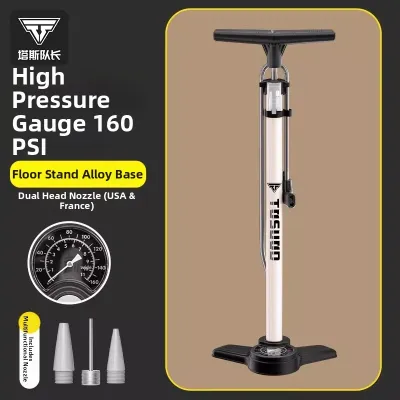
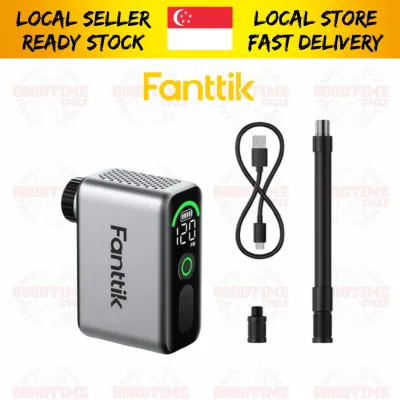
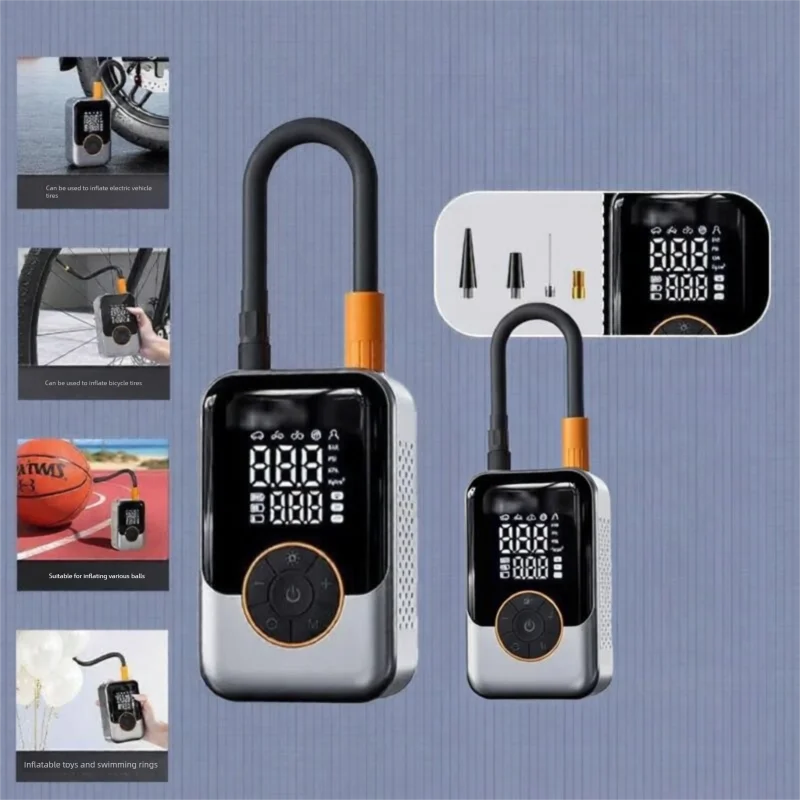
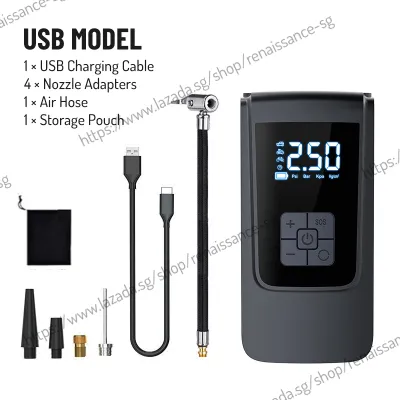
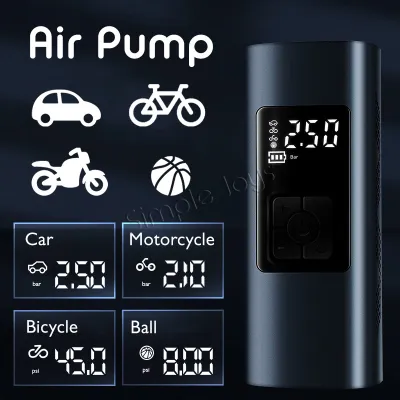
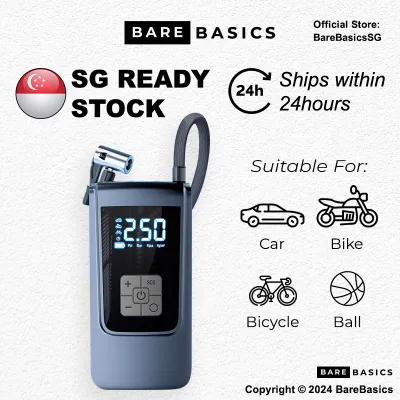
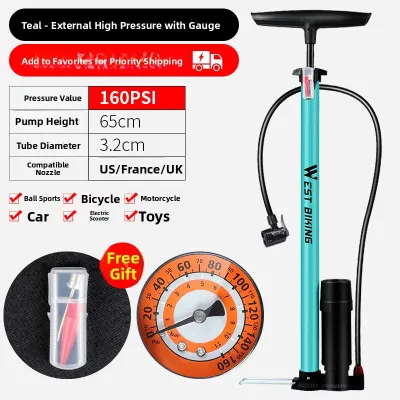
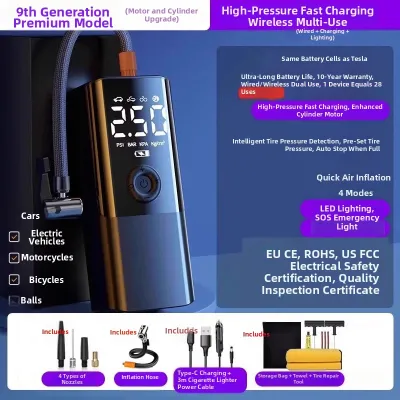
Prices are valid at publication and may change. Please refer to the product page for the latest price.
Battery capacity and charging standards are equally vital for real-world usability. Look for brands that specify battery capacity in milliampere-hours (mAh) or watt-hours (Wh) alongside the expected runtime or the number of tire fills possible on a single charge. Modern electric pumps typically utilize USB-C charging ports, which allow you to share chargers with your phone or power bank. You should verify whether a brand’s battery management system includes overcharge protection and temperature monitoring, especially if you plan to charge the device in warm environments.
Valve compatibility is another area where brands differ significantly. A quality electric pump should support both Presta and Schrader valves without requiring leaky, third-party adapters. Examine the construction of the included adapters; brass threads generally offer far better durability and a tighter seal than cheap plastic alternatives. Some brands integrate the valve connector directly into the hose, while others use quick-release chucks that minimize air loss when disconnecting the pump from the tire.
Matching Pump Profiles to Your Cycling Discipline
Every cycling discipline subjects equipment to unique physical demands, meaning a pump that is perfect for one rider may be highly impractical for another. Because of the physical limitations of small electric motors and battery cells, a single pump design can rarely optimize both high-pressure delivery and high-volume output simultaneously.

To find the right fit, you must analyze your typical riding environment, the volume of your tires, and how you plan to carry the pump. Matching these factors to the engineering focus of a specific brand ensures reliable performance when you need it most.
Road Cycling: Prioritizing High Pressure and Accuracy
Road cycling tires operate at relatively high pressures, often ranging from 80 to over 110 PSI, depending on tire width and rider weight. At these elevated pressures, even a tiny variance can significantly affect rolling resistance, grip, and comfort. Therefore, road cyclists must choose electric pump brands that prioritize high-pressure capability and precise digital gauge calibration. Look for brands that guarantee gauge accuracy within +/- 1 PSI to ensure consistent inflation.
Because road cyclists typically carry minimal gear, the physical dimensions and weight of the electric pump are critical. A bulky, heavy pump is difficult to carry in a standard jersey pocket or a small saddlebag. When evaluating brands, check the exact weight and dimensions of the unit. Some manufacturers specialize in ultra-compact, cylindrical designs that weigh under 200 grams, making them easy to carry without disrupting your riding posture or adding unnecessary bulk to your setup.
Furthermore, high-pressure inflation generates substantial heat within a small pump body. Brands targeting road cyclists should feature robust heat-insulating sleeves or metal casings that protect your hands when unscrewing the hose after a full inflation cycle. Before purchasing, verify if the brand includes a secure mounting bracket that fits alongside your bottle cage, providing an alternative carrying method if your pockets are full.
Mountain Biking: Prioritizing High Volume and Ruggedness
Mountain bike tires run at much lower pressures, typically between 20 and 35 PSI, but they contain a massive volume of air compared to road tires. If you use a slow, low-volume pump on a wide mountain bike tire, the inflation process can take several minutes, draining the battery and potentially causing the pump’s motor to overheat. Mountain bikers should look for brands that emphasize high airflow volume (L/min) to ensure quick trailside adjustments.
For riders using tubeless tire setups, airflow volume is even more critical. Seating a tubeless tire bead requires a sudden, rapid burst of air to push the tire casing against the rim hook. While most portable electric pumps cannot match the instant blast of a dedicated workshop compressor, some high-volume portable brands are engineered to deliver enough continuous flow to seat tubeless tires in an emergency. Check the manufacturer’s specifications to see if their pumps are rated for tubeless seating.
Trail riding also exposes your gear to dust, mud, water, and physical impacts. A delicate urban pump will quickly fail if dropped on rocks or exposed to a sudden downpour. Look for mountain-bike-focused brands that feature ruggedized outer shells, rubberized shock bumpers, and high Ingress Protection (IP) ratings for dust and water resistance. A sealed charging port cover is an absolute necessity to prevent grit from ruining the internal electronics during muddy rides.
Daily Commuting: Prioritizing Portability and Convenience
For the daily commuter navigating city streets, an electric pump is a tool for quick, stress-free maintenance. Commuter tires generally require moderate pressures (typically 40 to 60 PSI) and moderate volume, meaning you do not need extreme performance in either direction. Instead, focus on brands that prioritize user-friendly convenience features, such as clear digital displays, simple preset pressure modes, and reliable auto-shutoff functions that stop inflation once the target pressure is reached.
Portability remains important, but commuters usually have more carrying options, such as backpacks, panniers, or frame bags. This flexibility allows you to choose slightly larger, more affordable pumps that offer excellent battery life. When comparing options, evaluate the price-to-performance ratio in S$. A mid-range pump costing between S$40 and S$80 often provides the perfect balance of reliability and features for daily urban use without the premium price tag of specialized racing gear.
Additionally, consider how easily the pump integrates into a busy daily routine. Brands that offer fast USB-C charging allow you to top up the pump’s battery at your office desk or from a laptop. Some commuter-focused models also double as emergency power banks, allowing you to charge your phone or bike lights if they run out of power during your evening ride home.
Evaluating Brand Reliability and After-Sales Support
With numerous electric pump brands available on online marketplaces, distinguishing between a reliable tool and a disposable gadget requires careful evaluation of build quality and manufacturer support. Start by examining the materials used in the pump’s construction. Premium brands utilize metal internal cylinders and alloy gears, which dissipate heat far better and wear down much slower than the plastic internals found in budget-tier models.
After-sales support is a crucial differentiator, especially for devices containing lithium-ion batteries. Check the warranty terms offered by the brand; a reputable manufacturer should provide at least a one-year warranty that covers battery degradation and motor failure. Furthermore, verify if replacement parts—such as high-pressure hoses, valve adapters, and carrying cases—are readily available for purchase locally. If a hose leaks or a thread strips, being able to buy a cheap replacement part prevents you from having to discard the entire unit.
User feedback can provide valuable clues about long-term reliability that specifications sheets omit. Look for patterns in user reviews regarding battery health over six to twelve months of regular use. Brands with poor quality control often suffer from rapid battery degradation, where the pump loses its ability to hold a charge or struggles to reach high pressures after a few months. Pay close attention to comments about gauge calibration drift, as a pump with an inaccurate sensor can easily lead to dangerous over-inflation or sluggish under-inflation.
Decision Framework: Which Brand Profile Should You Buy?
To make your final decision, match your primary cycling activity to the corresponding brand profile using this structured framework:
- Choose a High-Pressure, Precision-Focused Brand if you ride a road bike, require pressures above 80 PSI, and need highly accurate gauge readings to optimize rolling resistance. Ensure the unit is lightweight (under 200 grams) and compact enough for a jersey pocket.
- Choose a High-Volume, Rugged Brand if you ride mountain bikes, use tubeless tires, or frequently ride in wet, dusty, or rough off-road conditions. Prioritize models with high airflow ratings, shock-absorbing casings, and sealed ports.
- Choose a Compact, Budget-Friendly Brand if you are an urban commuter or casual rider who needs occasional tire top-ups at moderate pressures. Look for auto-shutoff features, USB-C compatibility, and a price point within the S$40 to S$80 range.
Before finalizing any purchase, always verify that the product carries recognized battery safety certifications (such as CE, FCC, or local safety marks) to ensure safe charging and storage. Additionally, confirm that the seller offers local warranty support to simplify any future returns or repairs.
Frequently Asked Questions (FAQ)
Can I use a high-volume MTB electric pump for my road bike?
While you can physically connect a high-volume mountain bike pump to a road bike tire using the correct adapter, it is generally not recommended for regular use. High-volume pumps are engineered with wider cylinders designed to move large amounts of air at low pressures. When forced to push against the high resistance of a road tire (above 80 PSI), the motor must work significantly harder, which can lead to rapid overheating, excessive battery drain, and potential internal damage. Furthermore, the digital pressure gauges on high-volume pumps are often optimized for lower ranges, meaning they may lack the precision required to measure high road pressures accurately.
How does Singapore's humidity affect electric pump storage?
Singapore’s high relative humidity poses a constant threat to the electronic components and lithium-ion batteries inside electric pumps. Moisture can slowly penetrate unsealed casings, leading to corrosion on the circuit boards, short circuits, or premature battery degradation. To protect your investment, store your electric pump in a cool, dry place indoors, ideally inside a sealed container with silica gel packets to absorb ambient moisture. Avoid leaving the pump in hot, humid environments like outdoor storage sheds or the trunk of a car. Additionally, lithium-ion batteries degrade quickly if left completely discharged; charge the pump to approximately 50% to 80% before long-term storage, and top it up every few months to maintain battery health.
Community discussion
Share your experience or ask a question. Comments are reviewed before publication.