
Selecting the right joint support is a critical decision for anyone looking to maintain an active lifestyle, recover from an injury, or prevent future physical setbacks. While searching for an “epitex brace black” option is a common starting point due to its versatile aesthetic and ability to withstand daily wear, your primary focus must always be on structural support, joint mechanics, and proper fit. A brace should complement your body’s natural movement patterns rather than restrict them unnecessarily. Before purchasing any support accessory, it is essential to evaluate your specific physical needs and, when dealing with persistent pain, consult a qualified medical professional to ensure you are choosing a safe and effective solution.
Assess Your Injury or Activity Level
To find the right support, you must first clarify why you are wearing a brace. Are you recovering from a diagnosed injury, trying to prevent a re-injury during high-intensity sports, or simply seeking mild compression to manage minor post-workout soreness? Each of these scenarios requires a fundamentally different level of joint stabilization. For instance, an active individual playing badminton on indoor courts in Singapore will have different joint demands than someone performing heavy squats in a gym or running long distances along the park connectors.
Begin by observing your joint’s daily behavior. Mild swelling, a dull ache after exercise, or a general feeling of fatigue in the joint often points toward a need for light compression and warmth. These symptoms suggest that your joint could benefit from enhanced proprioception—the body’s ability to sense its position and movement—which helps improve stability during low-impact activities.
Products mentioned in this guide
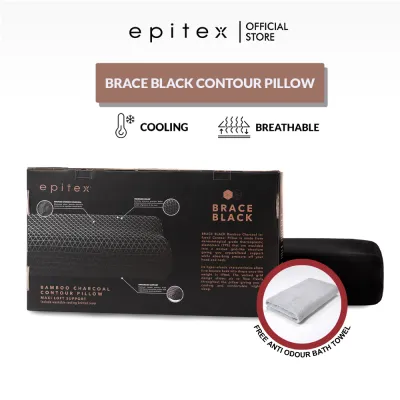
Prices are valid at publication and may change. Please refer to the product page for the latest price.
On the other hand, if you experience sharp pain, sudden giving way of the joint, or visible, localized swelling immediately after an activity, these are clear signs of structural instability. In such cases, a simple compression sleeve will not provide sufficient protection. You must stop self-selection immediately and seek a professional evaluation from a physiotherapist or orthopedic specialist. Attempting to push through severe pain with a basic support sleeve can worsen underlying ligament or tendon damage.
Match Support Types to Your Needs
Once you have assessed your physical condition, you can match your requirements to the three primary structural designs of joint supports. The first category is the compression sleeve. Typically made of knitted or elasticated fabrics, these sleeves offer mild, uniform compression around the entire joint. They are highly suitable for low-impact activities, walking, or managing minor, chronic stiffness. Because they do not restrict your natural range of motion, they are excellent for maintaining joint warmth in air-conditioned fitness centers or during outdoor activities in humid weather.

The second category consists of wrap-around or strap-based braces. These models feature adjustable hook-and-loop straps that allow you to customize the level of compression and target specific areas. For example, a knee strap can apply direct pressure to the patellar tendon to relieve mild strain, while a wrap-around wrist support lets you tighten the brace during heavy lifting and loosen it during rest. These are ideal for moderate-impact sports where you need adjustable, localized support without the bulk of rigid frames.
The third category is the hinged or rigid brace. These supports incorporate plastic or metal stays along the sides of the joint to physically prevent harmful lateral movements while allowing safe, linear bending. If you are recovering from a ligament tear or suffer from chronic joint instability, a rigid model is often necessary to protect the joint during rehabilitation. However, because these braces significantly restrict movement, they should generally be used under the guidance of a medical professional to avoid muscle weakness from over-reliance.
When choosing between these types, map the brace’s structural features directly to your sport’s movement patterns. Linear sports like running require lightweight, highly breathable supports that do not cause chafing over long distances. In contrast, court sports like tennis or badminton involve rapid lateral cutting and sudden stops, which demand higher lateral stability and secure fastening to prevent the brace from slipping.
How to Verify Epitex Model Specifications
When evaluating specific models, such as those in the Epitex lineup, you must look beyond general marketing descriptions and carefully verify the technical specifications listed on the product packaging or official product sheets. Manufacturers typically categorize their supports by protection levels, ranging from basic compression to maximum stabilization. Always check these indicated levels to ensure they align with your assessed needs rather than assuming one model fits all activities.
Examine the physical construction of the brace for specialized features. For knee supports, look for a padded patella stabilizer or an open-cutout design, which helps keep the kneecap properly aligned and reduces direct pressure on the joint. If you require lateral support, verify whether the model includes flexible spring-steel side stays or rigid inserts. Additionally, pay close attention to the fabric composition; moisture-wicking, breathable materials are essential for managing sweat and preventing skin irritation, particularly during intense workouts in warm, humid climates.
While aesthetic preferences often lead users to select a standard black colorway—which is highly practical for hiding dirt, resisting stains during outdoor trail runs, and matching standard athletic wear—this choice should remain secondary to functional specifications. Ensure that the specific model number and structural design you select are rated for the physical demands of your sport. Verifying these details beforehand prevents the common mistake of purchasing a brace that is either too restrictive for dynamic movements or too weak to protect a vulnerable joint.
Fit, Sizing, and Material Checks
A brace can only perform its protective function if it fits correctly. To find your size, always refer to the manufacturer’s specific sizing chart and measurement instructions rather than relying on your standard clothing size. For knee or elbow supports, this typically involves using a flexible measuring tape to find the exact circumference of your limb at a designated distance above or below the center of the joint. Taking this measurement while standing ensures that your muscles are engaged, providing a more accurate representation of how the brace will fit during movement.
Consider whether an adjustable or fixed-size model is more appropriate for your daily routine. Fixed-size compression sleeves offer a sleek, low-profile fit under clothing but cannot be adjusted if you experience fluctuating joint swelling. Adjustable wrap-around models offer greater flexibility to accommodate swelling throughout the day, though they may be slightly bulkier.
Finally, inspect the material care instructions to preserve the brace’s structural integrity. Most high-quality sports supports require hand washing in cool water with a mild detergent and air drying in the shade. Machine washing, hot water, or tumble drying can rapidly degrade the elastic fibers and hook-and-loop fasteners, leading to a loss of compression and rendering the brace ineffective. Proper maintenance ensures that the support remains hygienic and continues to provide reliable joint stabilization over its intended lifespan.
Frequently Asked Questions (FAQ)
Can I wear a black compression sleeve for both running and weightlifting?
While a basic compression sleeve can be worn for both activities to provide warmth and mild joint awareness, their mechanical demands are quite different. Running involves repetitive, low-load impact where breathability and flexibility are paramount to prevent chafing. Weightlifting involves high-load, deep joint flexion that often requires more robust, structured support to stabilize the joint under heavy weights. If you engage in both sports regularly, you may find that a lightweight sleeve is ideal for your runs, while a more supportive, adjustable wrap-around brace is better suited for heavy lifting sessions.
How tight should a wrap-around brace feel during exercise?
A properly adjusted wrap-around brace should feel snug, secure, and supportive without causing discomfort or restricting your natural circulation. You should feel even pressure across the target area, and the brace should remain firmly in place during movement. If you experience tingling, numbness, coldness in your fingers or toes, or visible skin discoloration, the brace is too tight and must be loosened immediately. It is often helpful to adjust the straps to a slightly snugger fit just before your main activity and loosen them during rest periods or warm-ups to maintain optimal blood flow.
When should I replace my sports brace?
You should replace your sports brace as soon as you observe physical signs of material degradation that compromise its supportive function. Common indicators include stretched-out elastic, frayed edges, cracked structural inserts, or hook-and-loop fasteners that no longer hold securely. Over time, constant stretching and washing will naturally reduce the fabric’s compression level. If you are using a brace to recover from an acute injury, you should also consult your physiotherapist to determine if you can safely transition away from the support once your joint strength and stability have been fully restored.
Community discussion
Share your experience or ask a question. Comments are reviewed before publication.