
Selecting the right exercise knee pad depends on the specific movement patterns, impact levels, and load demands of your workout. A heavy squat requires rigid lateral stability and warmth, while a high-intensity interval training (HIIT) session demands high breathability and a secure, slip-free fit. By matching the structural design, material thickness, and compression level of a knee support to your primary activity, you can protect your joints, improve movement awareness, and maintain full mobility without unnecessary restriction.
Understanding Knee Pad Features and Support Levels
Knee supports generally fall into three structural categories: compression sleeves, wrap-around designs, and hinged braces. Compression sleeves are typically pull-on tubes made of elastic knits or neoprene, offering mild to moderate support, warmth, and enhanced joint awareness. Wrap-around designs utilize adjustable straps to customize the fit and compression level, making them easier to put on over clothing or shoes. Hinged braces incorporate rigid side structures to restrict lateral movement, which is generally reserved for injury recovery under professional guidance rather than standard exercise.
The choice of material directly affects how the support performs during physical activity. Neoprene is a dense synthetic rubber that excels at retaining heat and providing firm compression, which helps keep joints lubricated during heavy lifts. Conversely, lightweight, breathable knits are engineered to allow airflow and wick sweat away, making them more suitable for high-cardio workouts where heat buildup is a concern.
Products mentioned in this guide
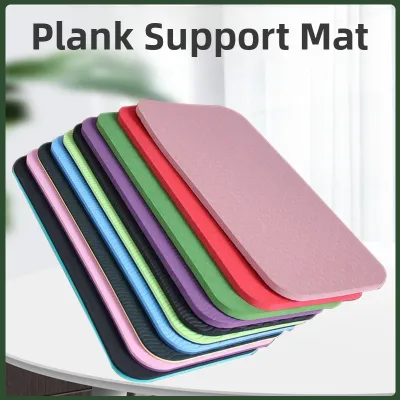
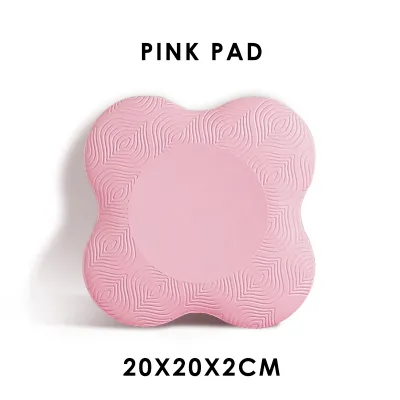
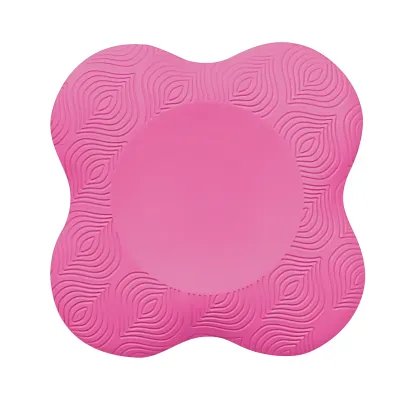
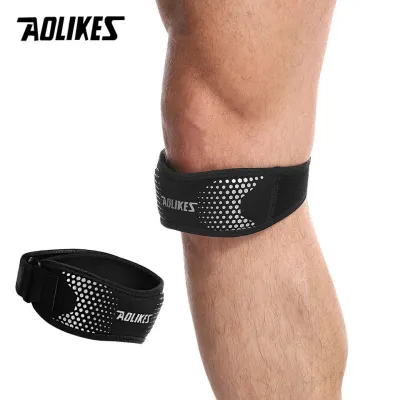
Prices are valid at publication and may change. Please refer to the product page for the latest price.
Structural additions can further customize the level of protection. An open-patella design features a cutout over the kneecap to relieve direct pressure and help keep the support centered. Some models integrate circular patella gel pads to absorb shock around the kneecap, while others include flexible spring stays along the sides to offer light lateral guidance without restricting flexion.
Knee Pad Features for Weightlifting and Heavy Lifting
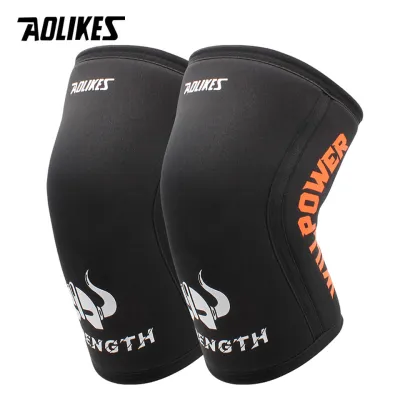
Weightlifting and heavy lower-body training place immense axial load on the knee joints, requiring high stability and warmth. For these activities, thick neoprene sleeves—typically ranging from 5mm to 7mm in thickness—are the standard choice. The dense material retains joint heat to keep synovial fluid viscous, while the high compression provides a physical rebound effect at the bottom of a deep squat.

Lateral support is another critical factor when handling heavy loads. Some lifting-focused sleeves incorporate reinforced side stabilizers or flexible spring stays to help maintain proper knee alignment under stress. These features assist in preventing the knees from caving inward during heavy effort, though they should not replace proper lifting technique.
When selecting a lifting sleeve, it is important to check the manufacturer’s weight or activity specifications. Heavy-duty lifting demands materials that can withstand high-stress stretching without tearing at the seams. Look for reinforced stitching and heavy-grade neoprene designed specifically for powerlifting or functional fitness to ensure the gear does not fail under load.
Knee Pad Features for Running and High-Impact Cardio
Running and aerobic cardio involve thousands of repetitive, low-load impacts that require a highly breathable and flexible support. Heavy neoprene is generally unsuitable here, as it traps sweat and can cause severe chafing over long distances. Instead, runners should prioritize lightweight, moisture-wicking knit fabrics that allow the skin to breathe and dry quickly.
To manage the constant impact on hard surfaces, look for designs featuring targeted gel padding or an open-patella cutout. The open-patella design reduces direct pressure on the kneecap, helping it track smoothly along the joint groove during repetitive strides. Integrated gel rings can also help dissipate the shock of heel strikes before it reaches the joint.
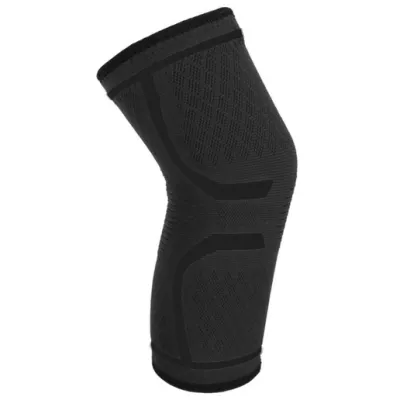
The most common issue during cardio is a slipping support. To prevent the pad from sliding down your leg, choose models equipped with anti-slip silicone grip strips along the inner top hem. Ergonomic, multi-zone knitting that matches the natural contour of the calf and thigh also helps keep the sleeve securely in place without requiring constant adjustment.
Knee Pad Features for Yoga, Pilates, and Floor Work
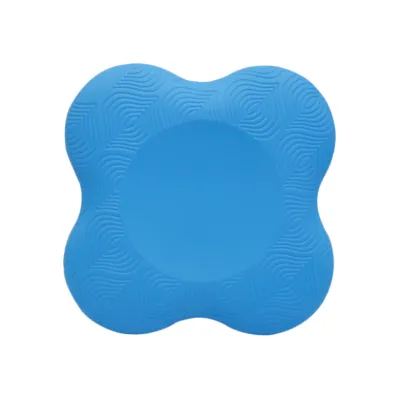
Floor-based practices like yoga and Pilates present a different challenge, as the primary goal is cushioning the kneecap against hard surfaces rather than stabilizing the joint against heavy loads. Standard compression sleeves offer very little physical padding for kneeling poses. For these workouts, a dedicated foam or gel kneeling pad—which is placed directly on the mat—is often more effective than a wearable sleeve.
If you prefer a wearable option for floor work, look for low-profile sleeves with integrated thick foam or gel inserts directly over the patella. These sleeves must feature multi-directional stretch and seamless construction. Without high flexibility, the material will bunch up behind the knee during deep flexion poses like Child’s Pose, pinching the skin and restricting circulation.
Stability on the floor is also essential to prevent slipping during balance poses. Wearable knee pads for floor work should feature a non-slip outer texture or high-friction fabric on the exterior. This ensures that when your knee makes contact with the yoga mat, it remains firmly anchored without sliding out of alignment.
Knee Pad Features for HIIT and Dynamic Cross-Training
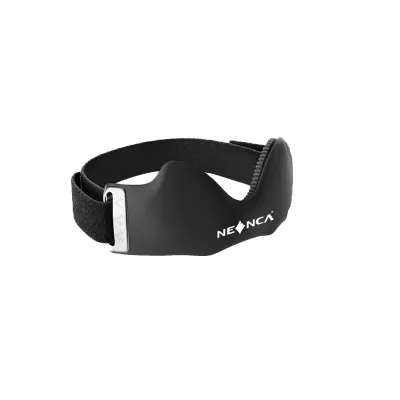
High-intensity interval training (HIIT) and dynamic cross-training combine rapid, multi-directional movements like jumping, lunging, and burpees. This variety requires a highly versatile knee pad that balances secure support with complete freedom of movement. Adjustable Velcro straps or strong elastic bindings are excellent for these workouts, allowing you to tighten the support for high-impact intervals and loosen it during recovery.
Because HIIT often involves dropping to the floor for planks, mountain climbers, or burpees, material durability is a key consideration. The outer face of the knee pad should feature abrasion-resistant panels, such as reinforced nylon or Kevlar-blend fabrics. This protection prevents the pad from tearing or wearing thin when making frequent, rapid contact with gym floors.
For dynamic drills, moderate compression is highly effective. It provides valuable proprioceptive feedback—the sensory awareness of joint positioning—which helps you maintain proper form when fatigued. Avoid overly rigid supports that limit your range of motion, as you need to transition quickly between deep squats, lateral bounds, and sprints.
Cross-Scenario Compatibility: Do You Need Multiple Pairs?
If your fitness routine spans multiple disciplines, you might wonder if a single hybrid knee pad can handle everything. Hybrid designs do exist, typically featuring medium-thickness breathable neoprene or reinforced knits with removable gel inserts. While these options offer a decent balance of compression and flexibility, they inevitably involve trade-offs, such as being slightly too warm for long runs or lacking the extreme rigidity needed for maximum weightlifting.
A practical decision framework can help you determine whether to upgrade to specialized gear. If you perform light, mixed workouts twice a week, a single pair of moderate-compression knit sleeves will likely suffice. However, if you lift heavy weights near your limit or run long distances regularly, investing in activity-specific gear is highly recommended to protect your joints and extend the lifespan of your equipment.
You should also monitor your current gear for observable signs of wear and tear. If your knee pad constantly slips down, has lost its elastic snap, or no longer cushions your joint against impact, it is failing its intended purpose. Replacing worn-out gear promptly ensures you maintain the necessary support and safety during your workouts.
Frequently Asked Questions (FAQ)
How tight should an exercise knee pad feel?
An exercise knee pad should feel snug and supportive, providing even compression without pinching or restricting your range of motion. If you experience numbness, tingling, coldness in your lower leg, or deep red marks on your skin, the pad is too tight and is restricting blood flow. Measure your knee circumference according to the manufacturer’s sizing chart rather than guessing your size.
Should I wear knee pads on both knees or just the injured one?
If you are recovering from a specific minor injury, wearing a pad on the affected side can provide targeted support and pain relief. However, wearing pads on both knees during heavy lifting or high-impact workouts can promote symmetry and balanced movement patterns. Bilateral use also provides equal proprioceptive feedback, helping you maintain uniform form across both legs.
How do I wash and maintain my knee pads to prevent odor?
To prevent odor and maintain elasticity, hand-wash your knee pads in cool water using a mild detergent, then rinse them thoroughly. Avoid using fabric softeners or bleach, as these can degrade elastic fibers and neoprene. Air-dry your knee pads flat or hang them away from direct sunlight and heat sources; avoid putting them in a clothes dryer, which can warp the materials.
Community discussion
Share your experience or ask a question. Comments are reviewed before publication.