
Starting out in angling in Singapore is an exciting journey, whether you are casting a line from the breezy platforms of Bedok Jetty or targeting peacock bass in designated reservoir zones. For a beginner, navigating the sheer variety of terminal tackle can be overwhelming, making a comprehensive fishing hook full set an ideal starting point. A well-curated set provides a logical progression of hook sizes and shapes, allowing you to experiment with different baits and techniques without the high upfront cost of buying individual packs. To get the most out of your purchase, look for sets that balance essential hook profiles with durable storage, ensuring you are prepared for both freshwater and coastal saltwater environments.
Understanding What Makes a Good Fishing Hook Full Set
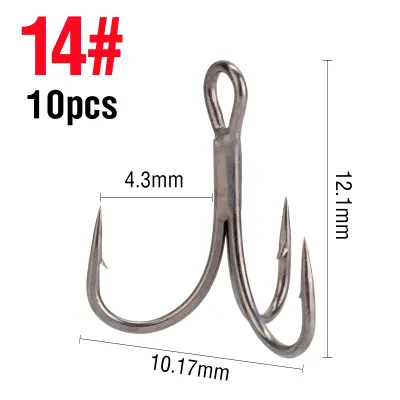
A versatile set must include several distinct hook shapes to accommodate different fishing styles. J-hooks, often called Aberdeen or baitholder hooks, are the classic choice for live or dead bait, featuring a long shank that is easy for beginners to bait and remove. Circle hooks are highly recommended for conservation-minded anglers and bottom fishing; their unique curved design ensures the hook slides to the corner of the fish’s mouth, reducing deep gut hooking. Treble hooks, which feature three points branching from a single shank, are commonly used on artificial lures or for specific bait setups, though they require extra care during handling.
Singapore’s tropical climate and high-salinity coastal waters are incredibly harsh on metal tackle. High-carbon steel hooks offer exceptional strength and sharpness but will rust rapidly if they lack a protective coating. Look for sets featuring hooks coated in black nickel, tin, or specialized anti-corrosion polymers, which act as a barrier against saltwater. Stainless steel hooks are highly resistant to rust, making them excellent for saltwater bait fishing, though they are generally stiffer and harder to sharpen once dulled.
Products mentioned in this guide
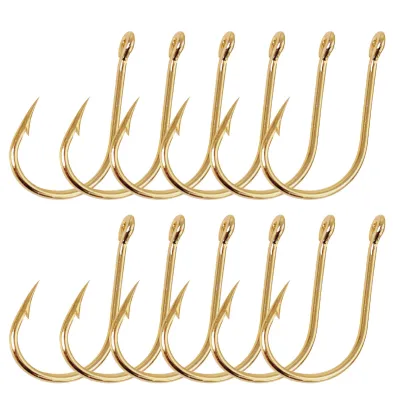
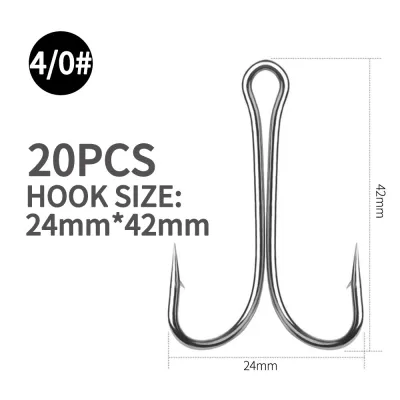
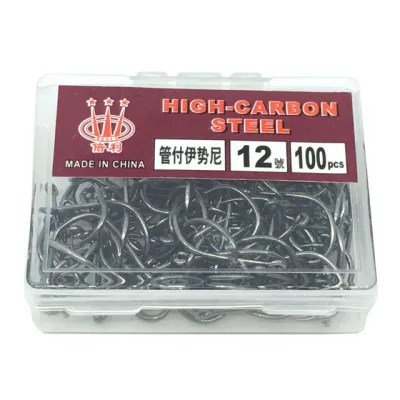
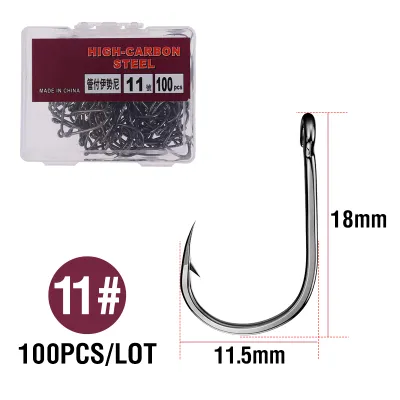
Prices are valid at publication and may change. Please refer to the product page for the latest price.
A truly practical full set does not just contain hooks; it includes the essential terminal tackle needed to rig your line. High-value sets feature a selection of barrel swivels and snap swivels, which prevent line twist when fishing in moving currents or retrieving lures. A compact, durable tackle box with adjustable dividers is crucial for keeping different hook sizes separated and preventing tangles. Some beginner sets also bundle basic tools like line snips or a simple plastic hook remover, which are incredibly helpful for safely unhooking fish without injuring your fingers.
Key Selection Criteria for Beginner Anglers
Your choice of hook set should align with where you plan to fish in Singapore. If you are heading to freshwater spots like MacRitchie Reservoir or paid fishing ponds in Pasir Ris, you will primarily target species like peacock bass, snakehead, or tilapia. These environments require smaller, lighter wire hooks that allow live bait to swim naturally. Conversely, saltwater fishing at coastal jetties or southern islands targets stronger, toothier species like groupers, snappers, and barramundi. Saltwater hooks must be thicker, heavier, and heavily coated to withstand both the corrosive environment and the crushing jaw pressure of marine predators.

A common beginner mistake is buying a set with hooks that are either all too large or all too small. A balanced set should offer a clear size gradation, typically ranging from size 12 (very small, ideal for catching tamban or small baitfish) up to size 1/0 or 2/0 (larger, suitable for live baiting for snapper or barramundi). Ensure the set uses standard sizing conventions, where smaller numbers represent smaller hooks, and “aught” sizes represent larger hooks. This variety allows you to adapt your rig on the fly depending on what species are biting on any given day.
While unbranded, generic hook sets on online marketplaces can be tempting due to their low price, they often suffer from poor quality control. Brittle steel can snap under the tension of a good fish, while overly soft metal can straighten out entirely. To verify quality, read customer reviews on local e-commerce platforms, paying close attention to feedback regarding hook sharpness out of the box and how quickly the hooks rust after a single session. Reputable manufacturers usually provide clear packaging with detailed specifications, whereas low-quality sets often arrive in plain plastic bags with no size labels.
Evaluating Value for Money in Hook Sets
When browsing beginner sets, it is easy to be swayed by high piece counts. A massive piece-count set might sound like incredible value, but if the majority of those pieces are tiny, low-quality plastic beads or flimsy swivels you will never use, the set is poor value. Focus on the quantity and quality of the actual hooks and the durability of the storage box. A smaller, well-organized set of forty high-carbon steel hooks in a sturdy, latching box is far more valuable than a massive box of soft, easily bent wire hooks.
For a complete novice, a bundled set is almost always the more economical choice. Buying individual packs of hooks, swivels, sinkers, and a tackle box separately can quickly add up to a significant sum, often exceeding S$30 to S$50. A beginner set consolidates these items into a single purchase, typically costing between S$15 and S$30. However, once you identify your preferred fishing style—such as micro-fishing in canals or heavy bottom fishing at sea—you should transition to buying specialized, high-quality individual hook packs tailored to those specific techniques.
If you are working with a modest budget, prioritize hook sharpness and rust resistance over sheer quantity. A dull hook will result in missed strikes, and a rusted hook is a safety hazard that can easily snap. Look for sets that explicitly state the use of high-carbon steel or black nickel plating. It is better to spend S$20 on a set containing thirty premium, corrosion-resistant hooks than S$10 on a set of one hundred cheap hooks that begin to rust in your tackle box before you even reach the water.
Essential Maintenance and Safety Checks
A dull hook is virtually useless, as it cannot penetrate a fish’s mouth effectively. You can easily check the sharpness of a hook point using the fingernail test: gently drag the point of the hook across your thumbnail at a shallow angle. If the hook slides smoothly without catching, it is dull and needs to be sharpened with a hook hone or discarded. If it digs in and leaves a light scratch with minimal pressure, it is sharp and ready for use. Regularly inspect your hooks during a fishing session, especially if you have snagged on rocks or seabed debris.
Singapore’s high humidity and salty air mean that even a tiny amount of saltwater carried back on your gear can ruin an entire tackle box. After every fishing trip, establish a strict cleaning routine. Rinse all used hooks, swivels, and the tackle box itself under cool, fresh tap water to remove salt deposits. Lay the items out on a dry towel in a well-ventilated area until they are completely dry. For long-term storage, lightly spray the hooks with a food-safe silicone lubricant or rust-inhibitor oil to form a protective barrier against moisture.
Fishing hooks are designed to pierce flesh, and accidents can happen quickly, especially when handling a thrashing fish. Always use a dedicated hook remover or long-nose pliers to extract hooks from a fish’s mouth, keeping your fingers well away from the sharp points. When transporting your gear, ensure all hooks are securely stowed in their designated compartments within a latched tackle box. Never leave loose hooks lying around your home, vehicle, or fishing spot, as they pose a severe danger to children, pets, and local wildlife.
Building Your First Shortlist: What to Look For When Buying
When shopping at local tackle shops in Beach Road or browsing online marketplaces, carefully examine the product labels. A reliable hook set will clearly list the hook sizes, the material, and the coating type. Avoid products with vague descriptions like “metal hooks” or those that do not specify sizes, as these are often indicators of low-grade manufacturing.
Before finalizing your purchase, verify that the set is rated for the specific environment you plan to fish. If you intend to fish along coastal areas like Changi Beach or East Coast Park, the product description must explicitly state saltwater compatibility or mention anti-corrosion coatings like black nickel or tin. If the description only mentions freshwater use, the hooks will likely corrode within hours of exposure to sea spray.
When purchasing from online marketplaces, check the seller’s overall rating and read the negative reviews to spot potential issues. Look for sellers who offer clear return policies in case the set arrives with missing components or a damaged storage box. Verifying that the seller has a physical presence or a history of reliable customer service in Singapore can save you significant hassle if you need to exchange a defective product.
Frequently Asked Questions (FAQ)
Do I need different hook sets for freshwater and saltwater fishing?
Yes, it is highly recommended to use different hooks depending on the salinity of the water. Saltwater environments cause metal to corrode at an accelerated rate, requiring hooks with heavy anti-corrosion coatings like tin, black nickel, or stainless steel construction. Freshwater hooks are often thinner and lighter to provide a more natural bait presentation, but they will rust almost immediately if exposed to saltwater. If you want a single set for both, ensure it is explicitly rated for saltwater use, as these hooks can safely be used in freshwater, whereas freshwater hooks cannot be used in the sea.
How often should I replace the hooks in my full set?
You should replace individual hooks as soon as you observe signs of structural damage, deep rust, or permanent dullness. If a hook has bent out of shape and you have to bend it back, the metal’s structural integrity has been compromised, making it highly likely to snap on the next fish. Light surface rust can sometimes be cleaned off, but any deep pitting or rust near the hook point or eyelet means the hook must be discarded immediately. Regularly check your set and replace heavily used sizes to ensure your gear remains reliable.
Can I use the same hook size for all types of bait?
No, hook size must be matched to both the size of the bait you are using and the mouth size of your target species. If you use a hook that is too large for a small bait like a live tamban or a small piece of prawn, the bait will die quickly or look unnatural, scaring away fish. Conversely, if you use a tiny hook with a large chunk of bait, the hook point will be buried inside the bait, preventing it from hooking the fish when it bites. As a general rule, the hook should be large enough to hold the bait securely while leaving the sharp point exposed.

Community discussion
Share your experience or ask a question. Comments are reviewed before publication.