
Selecting the right football shin pads in Singapore requires balancing robust impact protection with effective heat management. With the country’s year-round tropical climate and a mix of playing surfaces ranging from modern artificial turf to hard-packed natural grass, a standard pair of pads might not offer the comfort or durability you need. To make an informed decision, players must evaluate how local weather conditions, pitch types, material compositions, and positional demands influence the performance of their protective gear.
How Local Weather and Pitches Affect Your Choice
Singapore’s tropical climate, characterized by high relative humidity and temperatures frequently exceeding 30°C, poses a unique challenge for football players. When you run on the pitch, your body generates significant heat, and the lower legs are particularly prone to heavy sweating. Standard shin pads can trap this moisture against your skin, creating a hot, damp microclimate. Over a 90-minute match, this trapped sweat can lead to skin chafing, heat rashes, and localized bacterial infections. To mitigate these issues, players should look for shin pads designed with perforated shells and moisture-wicking backing materials that facilitate airflow and allow sweat to evaporate quickly.
The type of pitch you play on also plays a major role in determining the right gear. Many amateur leagues and social matches in Singapore take place on artificial turf pitches, such as those found at community sports hubs and private futsal venues. Artificial turf retains significantly more heat than natural grass, radiating warmth upward and increasing the temperature around your ankles and shins. Furthermore, the black rubber infill granules used in artificial turf can easily find their way into your socks. If your shin pads do not fit snugly or lack a secure sleeve, these abrasive granules can slide underneath the pad, causing painful friction and skin irritation during active play. On the other hand, natural grass pitches can become muddy and heavy during the monsoon season, requiring gear that does not absorb water and add unnecessary weight to your legs.
Products mentioned in this guide
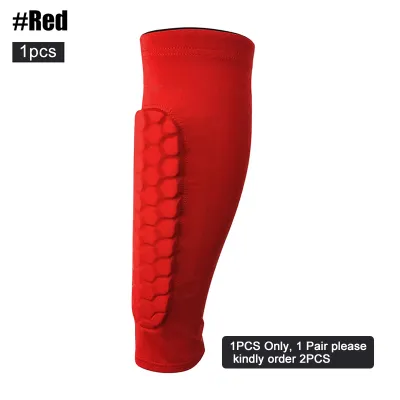
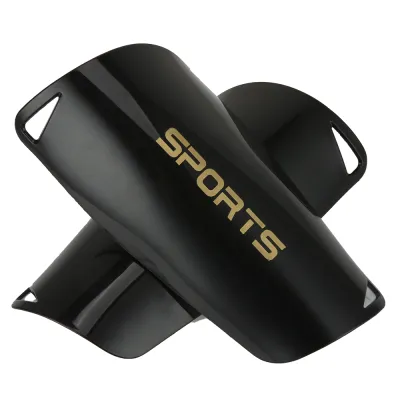
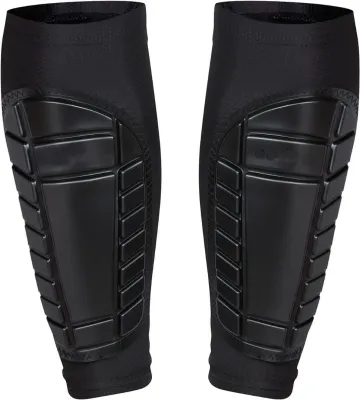
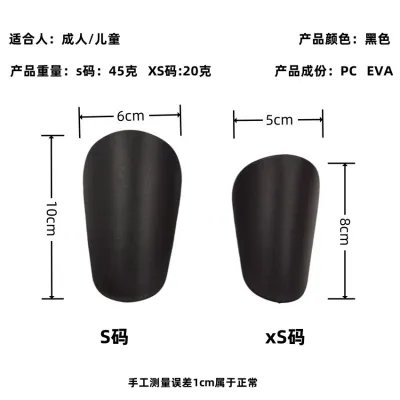
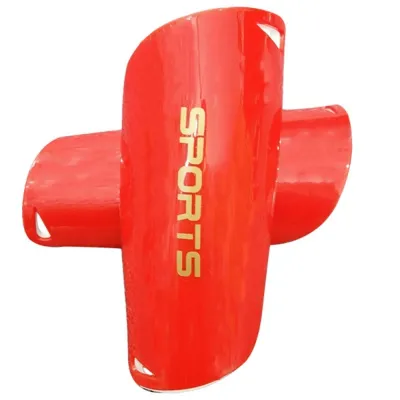
Prices are valid at publication and may change. Please refer to the product page for the latest price.
Your playing frequency should also guide your selection. If you only participate in casual weekend kickabouts with friends, a lightweight and highly breathable pad may be your top priority. However, if you play regularly in competitive amateur leagues where tackles are more intense and training sessions occur multiple times a week, durability becomes paramount. Frequent play means your gear will undergo regular impact and constant washing cycles. In this scenario, investing in high-quality materials that resist cracking and maintain their shape over time is essential to ensure consistent protection.
Core Features to Evaluate for Protection and Comfort
When evaluating shin pads, the outer shell material is the first line of defense against mistimed tackles and stray kicks. Polypropylene is the most common material used in entry-level pads. It is highly flexible, lightweight, and cost-effective, making it a practical choice for recreational players, with prices typically ranging from S$15 to S$30. For players seeking a better balance of weight and stiffness, fiberglass shells offer enhanced impact resistance without adding bulk. At the premium end of the spectrum, carbon fiber shells provide exceptional rigidity and strength. Carbon fiber disperses high-velocity impacts across the entire surface of the pad extremely efficiently, allowing the shell to be incredibly thin and lightweight, though these models often cost between S$80 and S$150.

Behind the outer shell lies the backing and padding, which is responsible for absorbing the residual energy of an impact before it reaches your tibia. Ethylene-vinyl acetate (EVA) foam is the industry standard for this layer due to its excellent shock-absorbing properties and lightweight nature. When comparing padding, pay close attention to the density and structure of the EVA foam. Thicker foam generally provides superior cushioning but can make the pad feel bulky under your socks. To combat Singapore’s humid conditions, look for backing designs that feature molded ventilation channels or segmented foam grids. These patterns create pathways for air to circulate, helping to channel sweat away from your skin and keep your legs cooler during intense matches.
The attachment system determines how securely the pad stays in place during rapid movements. Slip-in pads are highly favored by modern players for their minimalist feel and lack of restrictive straps. These pads are designed to slide directly into your socks or into specialized compression sleeves that hold them flat against your shin. Traditional strap-on designs feature integrated elastic straps with hook-and-loop fasteners, allowing you to adjust the tightness directly on your leg without needing extra sleeves or tape. For maximum security, some pads come with integrated ankle guards. These variants feature padded cups that shield the delicate ankle bones from side-impacts, along with an under-foot stirrup that prevents the pad from riding up during play.
Matching Protection Levels to Your Position and Playstyle
Your role on the pitch dictates the types of physical challenges you will face, making it crucial to match your shin pads to your specific position. Wingers, forwards, and agile attackers rely heavily on speed, quick acceleration, and rapid changes of direction to beat defenders. For these players, heavy or bulky protective gear can feel like an unnecessary hindrance. Attackers generally prefer ultra-lightweight, low-profile slip-in pads that offer just enough protection to shield against minor clips while maximizing freedom of movement. These compact pads sit low on the shin, ensuring that the ankle joint remains completely unrestricted during high-speed dribbling and shooting.
In contrast, defenders and central midfielders operate in the high-traffic engine room of the pitch, where physical duels, slide tackles, and 50-50 challenges are constant. Players in these positions are at a much higher risk of sustaining direct, high-impact blows to the shins. Consequently, they should prioritize robust protection over weight savings. A larger, thicker shin pad that covers a greater portion of the tibia is highly recommended. Choosing a pad with a secure strap system or utilizing cohesive sports tape ensures that the protective barrier remains firmly in place even during heavy physical contact, reducing the risk of painful bone bruises and contusions.
Goalkeepers and youth players have distinct safety requirements that demand specialized attention. Goalkeepers frequently find themselves diving at the feet of oncoming attackers or challenging for high balls in crowded penalty areas, exposing their lower legs and ankles to stray boots. Youth players, who are still developing their spatial awareness and tackling techniques, also experience a higher frequency of accidental kicks. For both groups, shin pads with integrated ankle protection are highly advantageous. The added padding around the malleolus shields the vulnerable ankle joint from painful lateral impacts, while the secure stirrup design ensures the pad does not shift during dynamic, multi-directional movements.
Sizing, Fit, and Pre-Purchase Verification
To ensure your shin pads provide effective protection, you must select the correct size based on your physical measurements. To find your size, use a flexible measuring tape to measure the distance from approximately two inches below your knee cap down to just above your ankle bone. This measurement represents the ideal height of the shin pad shell. Most manufacturers provide detailed sizing charts that correlate this length to specific sizes. As a general rule, the pad should cover at least two-thirds of your shin bone to provide adequate protection, while leaving enough clearance at the top and bottom so it does not pinch your skin or restrict your natural range of motion.
When shopping for shin pads in Singapore, you can choose between physical sporting goods stores and online marketplaces. Purchasing in-store offers the distinct advantage of allowing you to physically handle the product, assess the flexibility of the shell, and feel the texture of the backing material. If you prefer the convenience of online shopping, it is crucial to purchase from authorized brand stores or reputable retailers to avoid counterfeit products that may use brittle, unsafe plastics. Always check the seller’s return and exchange policies before finalizing your purchase, as sizing standards can vary significantly between different brands and product lines.
Once you receive your shin pads, perform a comprehensive fit verification before wearing them to a match. Put on the football socks and boots you plan to use, then insert the pads. Walk around, perform a series of deep squats, and practice high-knee running motions. The pads should remain firmly in place without sliding down your leg or twisting sideways. Ensure that the top edge of the shell does not press into your knee joint when your leg is fully bent, and verify that the bottom edge does not dig into your ankle when you flex your foot upward. If you experience any pinching or restriction of movement, you may need to adjust the positioning or try a different size.
Cleaning and Maintenance for Humid Conditions
Proper maintenance is essential to extend the lifespan of your shin pads and prevent the accumulation of foul odors, which can develop rapidly in Singapore’s humid environment. After every training session or match, remove your shin pads from your bag immediately. Wipe down the hard outer shells with a damp cloth and a mild, non-abrasive soap to remove sweat, dirt, and turf debris. If your pads utilize removable fabric sleeves or elastic straps, wash them by hand or in a gentle machine cycle using cold water and a mild detergent to preserve the elasticity of the fabric and prevent structural breakdown.
Drying your protective gear correctly is critical to preventing material degradation. Always air-dry your shin pads, sleeves, and straps in a well-ventilated, shaded area. Avoid the temptation to place them in direct sunlight to speed up the drying process. Intense ultraviolet rays and high temperatures can warp plastic shells, cause the adhesive holding the foam backing to melt or peel, and degrade the elastic fibers in the straps. Never use a mechanical clothes dryer or place the pads near household heat sources, as this can permanently ruin the fit and protective qualities of the gear.
Effective odor control relies on smart storage habits between matches. Never leave damp shin pads sealed inside a plastic bag or a dark, unventilated compartment of your sports bag overnight, as this creates an ideal environment for mold, mildew, and odor-causing bacteria to thrive. Instead, transport your gear in a breathable mesh bag that allows moisture to escape. Once you return home, hang the pads and sleeves in an open, dry space with good air circulation, ensuring they are completely dry before packing them away for your next game.
Frequently Asked Questions (FAQ)
Are shin guards mandatory for amateur football leagues in Singapore?
Yes, virtually all organized amateur football leagues, social tournaments, and school competitions in Singapore strictly mandate the use of shin guards. Match officials and referees conduct mandatory gear checks before players are allowed onto the pitch. This rule is strictly enforced to ensure player safety and minimize the risk of serious lower-leg injuries during competitive play. Even during casual recreational games, wearing shin guards is highly recommended to protect against accidental contact.
Can I use the same shin pads for futsal and 11-a-side football?
While you can use the same shin pads for both formats, the physical demands of the games differ. Futsal is played on smaller, hard-court surfaces where slide tackles are typically restricted, meaning high-impact collisions are less frequent. For futsal, a very lightweight, low-profile slip-in pad is often preferred for maximum agility. In contrast, 11-a-side football involves larger pitches, higher running speeds, and more frequent physical duels, making a more robust pad with thicker EVA backing highly advisable to handle heavier impacts.
How often should I replace my football shin pads?
You should replace your shin pads as soon as you notice visible signs of wear or structural damage. Inspect the outer shells regularly for hairline cracks, deep gouges, or warping, as these defects significantly compromise the pad’s ability to distribute impact forces. Additionally, if the EVA foam backing becomes permanently compressed, crumbles, or detaches from the shell, or if the elastic straps lose their tension and fail to hold the pads securely, it is time to invest in a new pair to maintain proper protection on the pitch.
Community discussion
Share your experience or ask a question. Comments are reviewed before publication.