
In Singapore’s hot and humid climate, choosing the right kinesiology therapeutic (KT) tape requires balancing adhesion strength, material breathability, and your specific physical demands. Whether you are managing a sports injury, preparing for a marathon, or seeking daily joint support, the ideal tape must withstand sweat and humidity while remaining gentle on your skin. By evaluating your primary activity, understanding material differences, and selecting the correct format, you can find a tape that stays secure without causing irritation.
Kinesiology tape works by gently lifting the skin to create a microscopic space between the skin and the underlying tissues. This lifting effect helps improve local blood circulation, promotes lymphatic drainage, and provides sensory feedback to your brain, which can enhance joint awareness and stability. However, because everyone’s skin sensitivity, activity level, and sweating patterns differ, there is no single brand or product that suits every individual. Taking the time to match the tape’s specifications to your personal environment and physical needs is the key to achieving the best results.
Identifying Your Primary Use Case for KT Tape
Before purchasing any kinesiology tape, you must define your primary goal, as this directly dictates the level of elasticity, support, and adhesive strength you require. If your main objective is athletic performance enhancement during high-intensity workouts, long-distance running, or water sports, you will need a highly durable tape. These activities subject the tape to rapid, repetitive movements and heavy perspiration, meaning you require a product designed specifically for high-stress environments.
Products mentioned in this guide
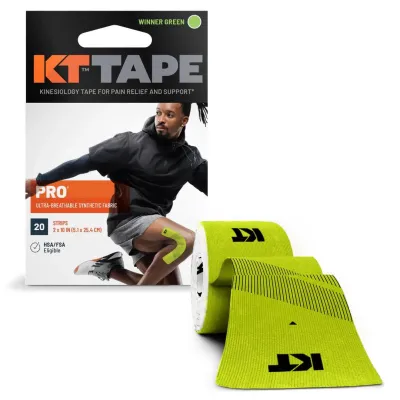
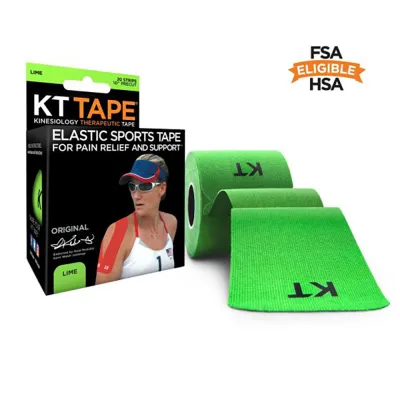
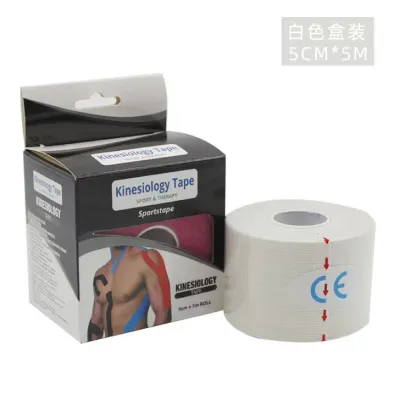
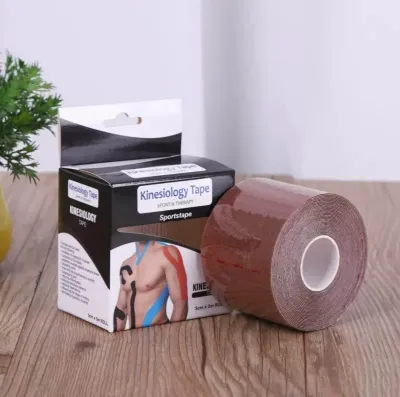
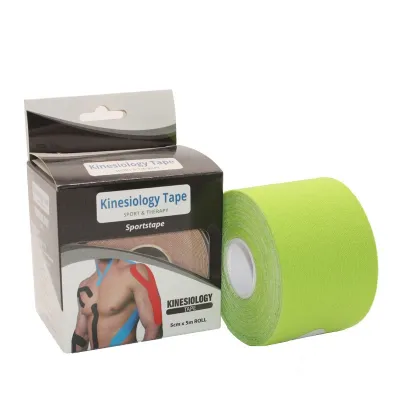
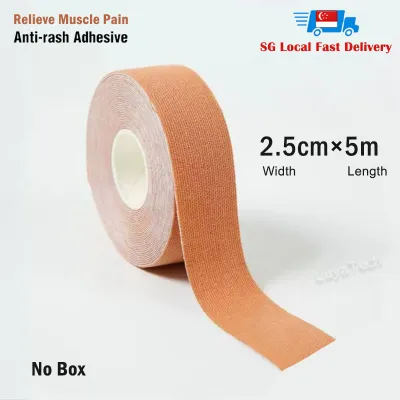
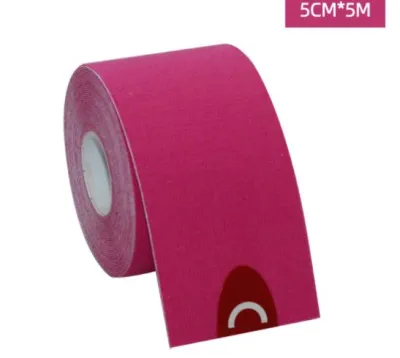
Prices are valid at publication and may change. Please refer to the product page for the latest price.
For those using tape for injury recovery and rehabilitation, the requirements are quite different. In these scenarios, the tape is often applied to support injured muscles or joints, reduce swelling, and manage pain under the guidance of a physiotherapist. The focus here is on gentle, consistent tension and skin comfort, especially since the tape may need to be worn continuously for several days. A tape with excessive adhesive strength might cause unnecessary skin trauma during frequent changes, making a standard or sensitive-skin formula more appropriate.
Everyday joint stabilization and posture correction represent a third distinct use case. If you spend long hours sitting at a desk and require tape to support your lower back or shoulders, or if you need mild stability for daily walking, your priority should be low-profile comfort. The tape should sit comfortably under clothing without catching, and the adhesive should be gentle enough for regular, daily use without causing cumulative skin irritation.
Your target body areas also influence your choice of tape width and stretch capacity. Standard two-inch (approximately five-centimeter) rolls are highly versatile and work well for common areas like the knees, shoulders, ankles, and lower back. However, if you are taping larger muscle groups like the hamstrings or quadriceps, you might require wider options, whereas smaller areas like fingers or wrists may require you to cut standard strips into narrower segments.
Finally, consider your frequency of use to determine the most cost-effective purchasing strategy. If you only require tape for occasional weekend hikes or minor, temporary strains, purchasing single-application packs or standard 5-meter rolls is highly practical. Conversely, if you are an athlete training multiple times a week or a chronic pain manager, looking for bulk rolls (such as 30-meter jumbo rolls) will significantly reduce your cost per application over time.
Key Material and Adhesion Features to Compare
The physical properties of kinesiology tape are determined by its backing material and the adhesive applied to it. In Singapore’s tropical climate, where high humidity and sweat are constant factors, understanding these material differences is essential to prevent the tape from peeling off prematurely or causing skin issues.

Cotton is the traditional material used in kinesiology tape. It is soft, highly breathable, and offers a comfortable, natural feel against the skin, making it an excellent choice for daily wear, light exercise, and individuals with sensitive skin. However, cotton fibers absorb and retain moisture. In a humid environment or during heavy exercise, a cotton tape can become saturated with sweat or water, taking a long time to dry, which can weigh down the tape and weaken the adhesive bond.
Synthetic blends, typically made of nylon or polyester, offer distinct performance advantages for active users. These synthetic materials are engineered to be highly water-resistant and quick-drying, allowing sweat to evaporate rapidly. They also possess a higher elastic recoil, meaning they provide stronger, more spring-like support and maintain their tension longer than cotton under dynamic movement. If you participate in swimming, triathlons, or intense outdoor training, synthetic tape is generally more reliable.
When comparing adhesives, look closely at the pattern and the chemical formulation. Most reputable brands use a medical-grade, acrylic-based adhesive applied in a wave-like pattern. This wave pattern is crucial because it allows air and moisture to escape, letting your skin breathe. For individuals with sensitive skin, eczema, or known adhesive allergies, it is vital to select tapes labeled as hypoallergenic, latex-free, and specifically formulated for sensitive skin.
For high-perspiration activities or water sports, standard adhesives may fail within hours. In these cases, look for products labeled as “extra strength,” “extreme,” or “active.” These tapes utilize a stronger adhesive formulation designed to withstand constant moisture and friction. However, keep in mind that stronger adhesives require much greater care during removal to avoid tearing or irritating the skin.
Rather than relying on vague marketing claims like “waterproof” or “long-lasting,” always verify the manufacturer’s specific ratings. Check the product packaging for explicit wear-time guidelines (such as “up to 3 days” or “up to 7 days”) and water-resistance levels. These specifications provide a more realistic expectation of how the tape will perform under real-world conditions.
Choosing the Right Format: Pre-Cut vs. Uncut Rolls
Kinesiology tape is primarily sold in two formats: pre-cut strips and uncut continuous rolls. Each format serves different user preferences, experience levels, and application scenarios.
Pre-cut strips offer the ultimate convenience, especially for beginners or those who need to apply tape quickly on the go. These rolls consist of individual, pre-measured strips (typically 10 inches or 25 centimeters in length) that you can easily tear off. A major advantage of pre-cut strips is that they come with machine-rounded corners. Rounded corners are highly functional because they prevent the edges of the tape from catching on your clothing or bedsheets, which is the most common cause of premature peeling.
Pre-cut strips are highly effective for straightforward applications on standard joint areas, such as a simple “I-strip” along the calf or a “Y-strip” around the kneecap. If you travel frequently, keep a roll of pre-cut strips in your gym bag for rapid, hassle-free application without needing to carry scissors.
Uncut continuous rolls, on the other hand, provide complete customization. This format allows you to cut the exact length of tape required for any body part, whether you need a very short strip for a finger joint or a long strip to run the entire length of your IT band. Uncut rolls are also essential for complex taping techniques, such as creating a “fan cut” to manage localized swelling and lymphatic drainage.
From a financial perspective, uncut rolls are generally more cost-effective per meter than pre-cut options. However, using uncut rolls requires you to manually round the corners of every strip you cut using sharp scissors. Leaving sharp, 90-degree corners on your tape will almost guarantee that the edges lift and peel within a day of application.
If you are new to kinesiology taping, there is a learning curve associated with self-application. Applying the correct amount of stretch to the tape while maintaining proper joint positioning can be challenging. For complex areas like the shoulder or upper back, self-application is nearly impossible without assistance. In such cases, starting with pre-cut strips can simplify the process, but seeking initial guidance from a physiotherapist or sports trainer is highly recommended to learn the correct techniques.
Purchasing Channels and Authenticity Checks in Singapore
Because kinesiology tape is applied directly to the skin for extended periods, ensuring the authenticity and quality of the product is critical. Counterfeit or poorly stored tapes can have degraded adhesives that either fail to stick or cause severe allergic contact dermatitis.
To secure genuine products, purchase your tape through reputable local channels. Established physical pharmacies, specialized sports retail stores, and verified official brand storefronts on major online marketplaces are the safest options. These retailers maintain proper storage conditions, ensuring the tape is not exposed to excessive heat or moisture before you buy it.
When purchasing tape, always perform a quick quality check on the packaging. Look for intact security seals, clear branding, and legible manufacturer batch codes. Most importantly, check for an expiration date. The adhesive on kinesiology tape has a limited shelf life; older rolls or those stored in hot warehouses can lose their adhesive properties or undergo chemical changes that increase the risk of skin irritation.
Be highly cautious when browsing general e-commerce platforms. Avoid unverified third-party sellers offering well-known brands at prices that seem too good to be true. These listings often lack clear return policies, authenticity guarantees, or proper product descriptions. Investing a few extra dollars in a verified product from an authorized retailer ensures safety, reliability, and peace of mind.
Safe Application, Skin Preparation, and Removal
Proper application and removal techniques are just as important as choosing the right brand. Even the highest-quality tape can cause skin damage or fail to adhere if the skin is not prepared correctly, or if the tape is removed carelessly.
Begin by preparing your skin thoroughly. Wash the target area with soap and water to remove natural body oils, sweat, and dirt. If you have been exercising, wait until your body has completely cooled down and stopped sweating before applying the tape. Ensure the skin is 100% dry. Do not apply any lotions, moisturizers, body oils, or sunscreens to the area, as these substances create a barrier that prevents the adhesive from bonding.
If the application area has dense body hair, it is highly recommended to trim the hair close to the skin. Shaving immediately before application is not advised, as it can create micro-cuts and increase skin sensitivity, leading to irritation under the adhesive. Trimming the hair ensures the tape makes direct contact with the skin, improving adhesion and making the eventual removal process significantly less painful.
If you have sensitive skin or are trying a new brand for the first time, always perform a patch test. Apply a small, two-inch strip of tape to a non-sensitive area, such as the inside of your forearm or the side of your thigh. Leave it on for 24 hours and monitor your skin. If you experience any itching, burning, redness, or discomfort, remove the tape immediately and do not proceed with a full application.
When applying the tape, remember that the anchor points—the first and last two inches of the strip—must always be applied with zero stretch. Applying tension to the ends of the tape pulls on the skin, which is the primary cause of skin shearing, redness, and painful blisters. Only apply the recommended level of stretch (usually between 25% and 50%) to the middle section of the tape over the target muscle or joint. Once applied, rub the tape vigorously from the center outward; the friction-generated heat activates the acrylic adhesive, securing the bond.
To remove the tape safely, never rip it off quickly like a standard plastic bandage. Doing so can tear the top layer of your skin. Instead, gently peel the tape back slowly, folding it over itself in the direction of hair growth. Press down on the skin immediately behind the peeling edge to support it. To make the process completely painless, saturate the tape with baby oil, mineral oil, or a specialized adhesive remover, and let it sit for 5 to 10 minutes to dissolve the adhesive before peeling.
If you experience any immediate itching, burning, redness, or blistering while wearing the tape, this is a clear stop condition. Remove the tape immediately, wash the area with mild soap and water, and allow the skin to heal completely. Do not reapply tape to irritated or broken skin.
Frequently Asked Questions (FAQ)
Can I sleep or shower while wearing KT tape?
Yes, most high-quality kinesiology tapes are designed to be water-resistant and can be worn while showering, swimming, or sleeping. After exposing the tape to water, do not rub it with a towel, as the friction can fray the edges and cause them to peel. Instead, gently pat the tape dry with a clean towel. Avoid using a hair dryer on a hot setting to dry the tape, as excessive heat can bake the adhesive into your skin, making removal highly difficult and painful. If the tape becomes thoroughly saturated and begins to lift significantly, it should be removed.
How long can I safely leave KT tape on my skin?
Generally, kinesiology tape can be safely left on the skin for 3 to 5 days. However, you should always check the specific product label for the manufacturer’s maximum recommended wear time, as some specialized formulas may have different limits. If you notice any skin irritation, itching, or if the tape loses its supportive tension and begins to peel, remove it immediately. It is highly recommended to give your skin a 24-hour break between applications to allow the skin barrier to recover and breathe.
Does the color of the tape affect its performance?
For almost all brands, the color of the tape is purely cosmetic and does not alter its stretch, thickness, or adhesive strength. The wide variety of colors allows you to match your sports team uniform, express personal style, or choose flesh-toned options for low visibility under clothing. However, some manufacturers may limit certain specialized product lines—such as extra-strength adhesive or highly sensitive skin formulas—to specific colors. Always read the product specifications on the packaging to confirm the material and adhesive properties rather than choosing based on color alone.
Community discussion
Share your experience or ask a question. Comments are reviewed before publication.