
Flying a large kite in Singapore is a spectacular way to enjoy the outdoors, but selecting the right brand requires more than just picking an eye-catching design. Because large kites generate substantial lift and drag, your choice must align with local wind patterns, safety regulations, and your personal handling experience. Whether you plan to fly at the breezy Marina Barrage or along the sandy stretches of East Coast Park, understanding the structural differences between manufacturers is essential. This guide provides a comprehensive framework to help you evaluate large kite brands, compare technical specifications, and select a model that offers the perfect balance of durability, performance, and safety for your budget.
Assessing Your Skill Level and Local Flying Conditions
Before comparing specific kite brands, you must honestly evaluate your flying experience. Large kites are generally categorized into three skill tiers: beginner, intermediate, and advanced. Beginner-friendly models typically feature single-line configurations, such as classic delta or diamond shapes, which are inherently stable and easy to launch. Intermediate flyers can step up to dual-line stunt kites or medium-sized parafoils that require active coordination to steer and perform basic aerial maneuvers. Advanced flyers often handle massive show kites, quad-line precision models, or large traction kites that generate immense pull and require specialized physical management.
Singapore’s unique wind profile plays a critical role in how different kite brands perform. The region experiences two distinct monsoon seasons: the Northeast Monsoon from December to March, which brings stronger, steadier breezes, and the Southwest Monsoon from June to September, which offers moderate sea breezes. The inter-monsoon months generally feature light, highly variable thermal drafts. Coastal locations like East Coast Park, West Coast Park, and Marina Barrage provide the most consistent wind conditions, making them ideal for larger kites. Conversely, inland areas like Bishan-Ang Mo Kio Park often suffer from turbulent, obstructed airflows caused by surrounding high-rise buildings, which can make heavy or poorly balanced kites difficult to keep aloft.
Products mentioned in this guide
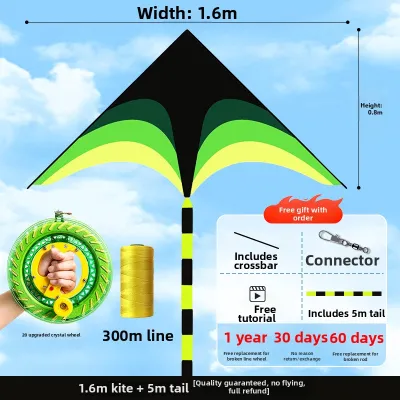
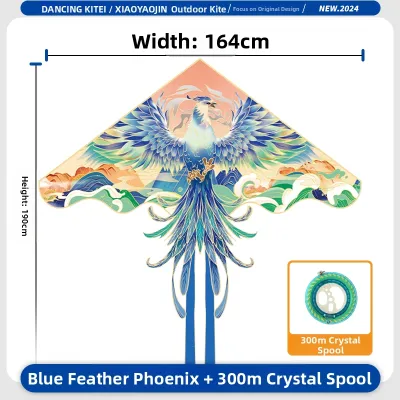
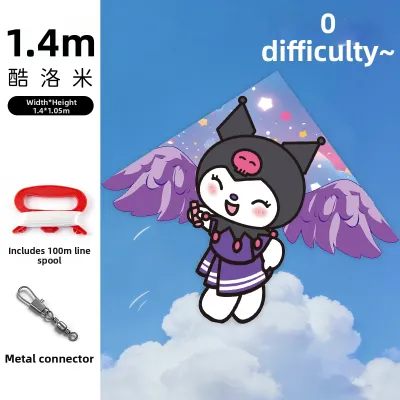

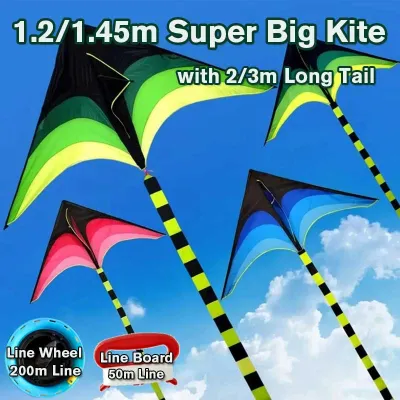
Prices are valid at publication and may change. Please refer to the product page for the latest price.
Safety and local regulations must guide your choice of kite size and flying location. The Civil Aviation Authority of Singapore (CAAS) strictly limits kite flying to a maximum height of 200 feet (approximately 60 meters) above ground level to ensure airspace safety. Furthermore, kite flying is entirely prohibited within 5 kilometers of military airbases and civilian airports, including Changi Airport, Paya Lebar Air Base, Tengah Air Base, and Sembawang Air Base. Because large kites are highly visible and can drift rapidly if a line snaps, always verify your location on official aviation maps and ensure you have sufficient open space away from trees, power lines, and crowded pathways before launching.
Key Structural Features to Compare Across Brands
When evaluating different manufacturers, the choice of frame material is one of the most critical factors influencing durability and flight performance. Budget-friendly brands often utilize fiberglass spars, which are highly flexible and resilient against hard crashes, making them excellent for beginners learning the ropes. However, fiberglass is relatively heavy and can bend excessively in strong winds, distorting the kite’s aerodynamic shape. Premium brands typically use carbon fiber spars, which are exceptionally stiff, lightweight, and responsive. Carbon fiber allows the kite to fly in much lighter breezes and maintain its structural integrity in high winds, though it is more brittle and can shatter upon high-speed impacts. Frameless designs, such as parafoils, eliminate spars entirely by using wind-inflated cells, offering unmatched portability and zero risk of frame breakage.

The sail fabric determines how well a large kite resists tearing and handles the elements. High-quality brands construct their sails from ripstop nylon or ripstop polyester, which feature a grid of thicker threads woven at regular intervals to prevent small punctures from spreading. Nylon is incredibly lightweight and elastic, allowing the sail to absorb sudden wind gusts smoothly, but it can absorb moisture and sag in Singapore’s high humidity. Polyester is slightly heavier but highly resistant to UV degradation and moisture absorption, ensuring the sail maintains its tension and flight characteristics even during humid coastal afternoons. When comparing brands, check the fabric’s denier rating; a higher denier indicates a thicker, more durable weave.
Size, wingspan, and wind range specifications must be carefully matched to your physical capability and local conditions. Large kites typically feature a wingspan exceeding 1.5 to 2 meters, which significantly increases the surface area catching the wind. Manufacturers provide a recommended wind range, usually stated in miles per hour, kilometers per hour, or knots. It is vital to choose a brand that clearly defines these limits and to never fly a kite outside its specified wind range. Excessive wind can warp the frame, tear the sail, or generate more pulling force than you can safely control.
Portability and assembly mechanisms are essential considerations for easy transport. Look for brands that design their large kites to fold down into compact carry bags that fit easily into a car trunk or can be carried comfortably on public transport. High-quality models feature intuitive assembly systems with durable aluminum or reinforced plastic ferrules (connectors), split caps, and secure pocket attachments for the spars. Avoid brands that rely on flimsy plastic connectors that can easily crack under tension or become lost in the sand.
Aligning Brand Tiers With Your Budget and Flying Goals
To simplify your purchasing decision, you can categorize the available market options into three distinct tiers based on price, materials, and intended use.
Entry-level and family-focused brands generally price their large kites between S$20 and S$60. These manufacturers prioritize durability, simple single-line assembly, and stable flight characteristics. They typically use fiberglass frames and standard ripstop polyester sails, making them highly forgiving of pilot errors and accidental crashes. These options are perfect for casual weekend outings at the park where the primary goal is straightforward, stress-free recreation.
Intermediate and enthusiast brands offer models priced from S$70 to S$180. These brands cater to flyers who want to develop their skills, offering dual-line stunt kites, medium-sized parafoils, and highly responsive deltas. You can expect a balance of improved materials, such as hybrid carbon-fiberglass frames, precision bridle systems, and high-grade ripstop nylon. These kites offer a wider wind range and greater maneuverability, allowing you to execute precise turns and basic aerial tricks.
Professional and display brands represent the premium tier, with prices ranging from S$200 to S$500 or more. These manufacturers specialize in massive show kites, quad-line precision models, or large traction parafoils. They utilize high-modulus carbon fiber, advanced aerodynamic profiles, and heavily reinforced attachment points to handle extreme tension. Operating these kites requires active physical management, specialized training, and a deep understanding of wind dynamics, making them suitable only for experienced flyers and dedicated hobbyists.
To validate the performance claims of any brand, learn to read their technical specification sheets rather than relying on vague marketing descriptions. Look for precise details such as the exact frame diameter, sail weight per square meter, bridle line material (such as low-stretch Dyneema or Dacron), and the rated breaking strength of the included flying line. Cross-reference these specifications with verified user feedback on independent forums or local kite-flying community groups to assess how the model performs in the light, humid air typical of Singapore’s coastal parks.
Where to Buy and What to Inspect Before Flying
Acquiring a large kite from a reputable source ensures you receive a genuine product backed by reliable customer support. Specialized local hobby shops in Singapore are excellent channels, as they allow you to inspect the materials firsthand and receive personalized recommendations from experienced staff who understand local wind conditions. Official brand websites offer the most comprehensive product catalogs and direct access to manufacturer warranties. General online marketplaces provide convenience and competitive pricing, but you must carefully vet individual seller ratings, read customer reviews, and avoid unbranded counterfeits that often use substandard materials and poorly calibrated bridles.
Before heading to your chosen flying location, conduct a thorough physical inspection of the equipment upon unboxing to ensure safety and structural integrity.
First, examine all frame joints and spars for any signs of hairline cracks, splinters, or loose end caps. Second, inspect the sail stitching, particularly around high-stress areas like the nose, wingtips, and bridle attachment points; look for double-stitched or zig-zag patterns with no loose or frayed threads. Third, check that the bridle lines are symmetrical, untangled, and securely knotted to the attachment points. Finally, inspect the included flying line for any frays or knots, and ensure the reel rotates smoothly without binding.
Review the seller’s return policy and warranty coverage before assembling the kite. Most reputable brands cover manufacturing defects, such as missing parts or stitching errors, but will not cover damage resulting from pilot error, crashes, tree snags, or flying in winds exceeding the recommended range. Knowing the boundaries of your warranty can save you unexpected expenses.
If you discover any structural flaws during your pre-flight inspection—such as a cracked carbon spar, a torn sail seam, or a frayed bridle line—stop assembly immediately. Do not attempt to fly a structurally compromised large kite. The immense wind pressure acting on a damaged frame can cause it to snap mid-flight, potentially sending sharp debris toward bystanders or causing the kite to drift out of control and create a safety hazard. Contact the seller or manufacturer immediately to arrange for replacement parts or a return.
Frequently Asked Questions (FAQ)
What is the ideal wind speed for flying a large kite?
The ideal wind speed depends on the specific design of your kite, but most large models fly best in steady winds between 8 and 15 knots (approximately 15 to 28 kilometers per hour). You can locate the recommended wind range printed on the kite’s storage bag or within the instruction manual. To estimate wind speed at your flying location, look for visual cues: if leaves and small twigs are in constant motion and lightweight flags are fully extended, the wind is generally suitable. If large branches are swaying or hand-held umbrellas are difficult to control, the wind is too strong. In Singapore, always ground your kite immediately if you see dark storm clouds approaching or hear thunder. Tropical squalls can bring sudden, violent wind gusts and lightning, posing an extreme safety hazard to anyone holding a wet kite line.
Do I need a special reel or heavy-duty line for a large kite?
Yes, large kites generate substantial pulling force and require lines and reels matched to their size and lift capacity. Always verify the manufacturer’s recommended line strength, which is measured in pounds or kilograms of breaking strength; for example, a medium-large kite may require a 150-pound test line, while massive show kites can require 300-pound line or higher. Standard plastic hand reels are highly unsuitable for large kites, as they can warp, crack, or lock up under intense tension. Instead, use heavy-duty hoop reels, metal spool reels, or padded straps and harnesses for traction models. When handling high-pull lines, always wear protective gloves made of leather or heavy-duty synthetic material. Never let a fast-moving kite line slide through your bare hands, as the friction can cause severe cuts or burns, and ensure bystanders remain at a safe distance from your flying line.
Community discussion
Share your experience or ask a question. Comments are reviewed before publication.