
Selecting the right leg support requires matching the accessory’s design to the specific physical demands of your activity. A support that excels during heavy weightlifting can restrict your stride during a long run, while a lightweight running sleeve will not provide the structural stability needed for high-impact court sports. By evaluating your movement patterns, joint impact levels, and the specific muscle groups under stress, you can identify a support that aids your performance without compromising safety or comfort.
Understanding Leg Support Structures and Compression Levels
Leg supports are generally categorized into compression sleeves, adjustable wraps, and rigid or hinged braces. Compression sleeves are pull-on elastic garments designed to provide mild, continuous pressure across a joint or muscle group, which helps promote blood flow and reduce minor swelling. Adjustable wraps use hook-and-loop fasteners, allowing you to customize the tightness and target specific areas of discomfort. Hinged braces incorporate metal or plastic side stays to physically restrict lateral movement, making them suitable for joint stabilization under professional guidance.
When reading product labels, pay close attention to the compression rating and material composition. Compression is often measured in millimeters of mercury (mmHg), with lower ranges (15–20 mmHg) suitable for daily activity and mild recovery, and higher ranges (20–30 mmHg or above) reserved for firm support during intense physical exertion. Look for material blends containing nylon, polyester, and elastane (Spandex) for a balance of stretch, durability, and moisture management. If you require targeted pressure rather than full-joint coverage, specialized options like patella straps apply direct pressure to the patellar tendon to help manage localized discomfort without wrapping the entire knee.
Products mentioned in this guide
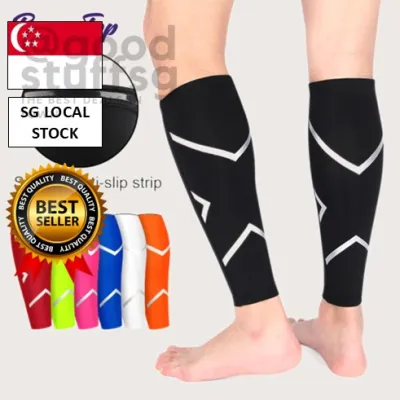
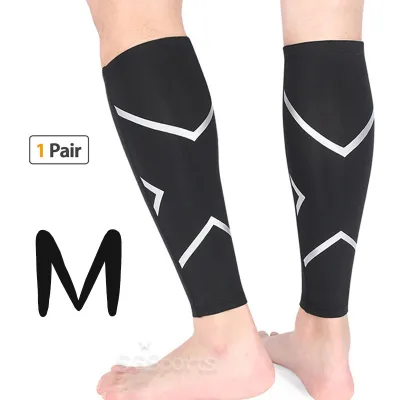
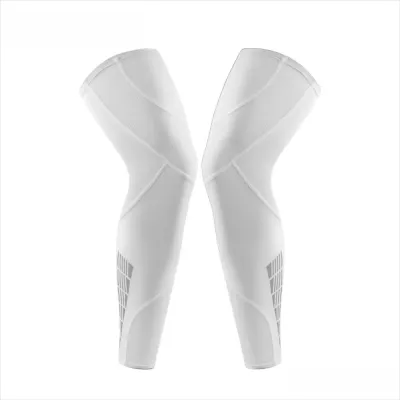
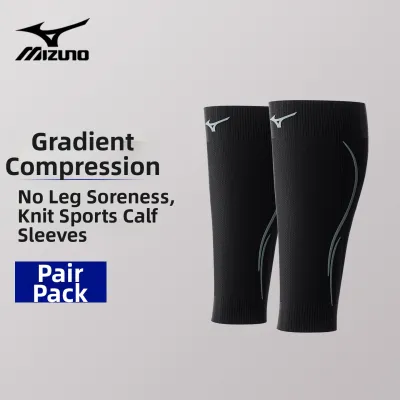
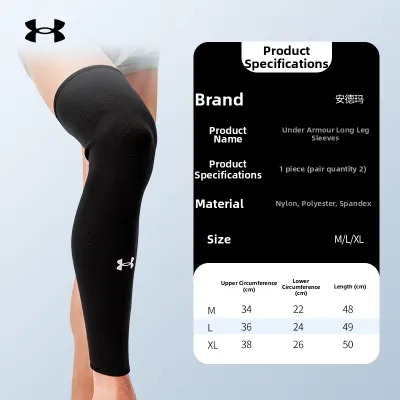
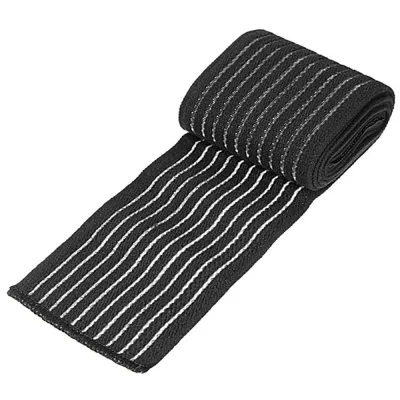
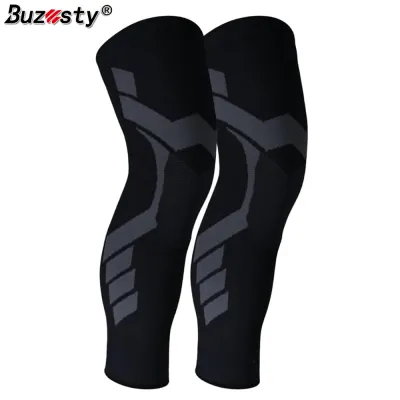
Prices are valid at publication and may change. Please refer to the product page for the latest price.
Matching Leg Supports to Your Specific Sport
A single leg support cannot accommodate every type of physical activity because different sports subject your lower limbs to vastly different forces. To find the right match, you must analyze three core variables: the direction of impact, the required range of motion, and the expected sweat accumulation. Aligning these factors with the design of the support ensures that the gear assists your movement rather than hindering it.

Running and Endurance Sports
Repetitive, linear impact over long distances requires a leg support that prioritizes lightweight breathability and continuous comfort. Heavy, bulky braces can alter your running gait, potentially leading to secondary strain in your hips or ankles. Look for moisture-wicking fabrics that pull sweat away from the skin to prevent chafing and blisters during extended sessions.
To ensure the support stays in place over thousands of strides, check for integrated non-slip silicone grips or ergonomic, multi-directional knitting along the upper and lower bands. When choosing between a calf sleeve and a knee sleeve, evaluate where you experience the most fatigue. Calf sleeves are designed to minimize muscle oscillation in the lower leg, while knee sleeves offer mild compression to support the joint through repetitive flexion and extension.
Gym Training and Weightlifting
Heavy load-bearing exercises like squats, deadlifts, and overhead presses place immense axial stress on your lower joints. For these activities, you need thicker, semi-rigid structures that can withstand high tension and deep joint flexion. Many weightlifters opt for 5mm or 7mm neoprene sleeves, which provide substantial warmth and compression to keep the joints lubricated and stable under load.
Before purchasing, check the manufacturer’s specifications regarding weight limits, joint mobility restrictions, and intended use cases. It is crucial to differentiate between standard knee sleeves, which offer warmth and mild joint feedback, and heavy-duty knee wraps. Wraps are designed to be tightly bound before a lift and removed immediately afterward, providing maximal mechanical assistance that is unsuitable for continuous wear during a general workout.
Court Sports and Agility Movements
Sports like basketball, tennis, and badminton demand rapid acceleration, sudden deceleration, and frequent lateral cuts. These multi-directional movements place high shear forces on the knees and ankles, requiring supports that offer enhanced lateral stability. Look for supports equipped with flexible side stabilizers, spiral stays, or built-in patella gel pads to help keep the kneecap tracking correctly during quick changes of direction.
The design must allow for deep, unrestricted ankle and hip mobility while remaining securely in place. Avoid bulky models that bunch up behind the knee, as this can pinch the skin and limit your agility. Additionally, if your sport involves frequent floor contact, diving, or physical collisions, verify whether the support features reinforced outer padding to protect against impact bruises and friction burns.
Cycling and Low-Impact Cardio
Cycling and stationary cardio machines involve highly repetitive, restricted-range motions where friction and bulk are your primary concerns. A thick or rigid brace can rub against your bike frame, catch on your cycling apparel, or pinch the skin behind your knee during the pedal stroke. For these activities, select low-profile, seamless designs that mimic a second skin.
Focus on supports that offer mild, graduated compression and thermal retention to keep the muscles warm, rather than rigid joint locking. Carefully inspect the seam placements and edge bindings of any potential sleeve. Flatlock seams or seamless construction are ideal for preventing painful chafing during continuous, high-cadence pedaling.
Verifying Fit, Care, and Safety Boundaries
An ill-fitting leg support can cause more harm than good, making precise measurement essential. Always measure your joint and muscle circumference using a flexible tape measure, following the specific brand’s sizing chart exactly. Do not rely on your standard clothing size, as sizing standards vary significantly between manufacturers, and a sleeve that is too tight can restrict blood flow.
While wearing the support, monitor your body for any observable signs of restricted circulation. Immediate warning signs include numbness, a tingling “pins and needles” sensation, cold toes, or deep, painful skin indentations after removal. To preserve the elastic integrity and compression strength of your support, follow the manufacturer’s washing instructions carefully, which typically involve hand washing with mild soap and air drying away from direct heat. If your physical pain worsens, the support shifts constantly during movement, or you notice increased swelling, stop using the accessory immediately and consult a qualified healthcare professional.
Can One Leg Support Work for Multiple Activities?
If your fitness routine consists of low-impact, similar activities—such as light walking, casual cycling, and basic stretching—a single, versatile compression sleeve may be sufficient. These low-profile sleeves offer mild support and warmth that transition easily between gentle movements. This approach allows you to manage a modest budget while still enjoying the benefits of light compression.
However, attempting to use highly specialized gear across contrasting sports can compromise both performance and safety. For example, wearing a thick, rigid weightlifting sleeve on a long-distance run can restrict your natural stride and cause severe chafing. Conversely, a lightweight running sleeve will not provide the structural reinforcement needed for heavy squats or high-impact court agility. When budget constraints arise, prioritize purchasing sport-specific safety gear for your highest-impact or highest-load activities first, rather than risking joint strain with an unsuitable compromise.
Frequently Asked Questions (FAQ)
Should I wear a leg support all day or only during my sport?
You should generally wear a leg support only during active physical exercise or for designated recovery periods immediately afterward. Check the manufacturer’s guidelines and product labels for the maximum recommended continuous wear time. Wearing compression gear for prolonged, unmonitored periods while resting can restrict circulation and cause fluid retention in your lower extremities.
How do I know if my leg support is too tight?
Your leg support is too tight if you experience physical symptoms such as tingling, numbness, coldness in your feet, or visible skin discoloration below the band. The support should feel snug and secure, not painful or restrictive. If you observe these signs, loosen the adjustable straps or consult the manufacturer’s sizing chart to select a larger size.
Community discussion
Share your experience or ask a question. Comments are reviewed before publication.