
Selecting the ideal thickness for your lululemon mat is a balance between joint comfort and stability. The right choice depends on your primary style of practice, where you train, and how you transport your gear. While a thicker mat offers cushioning for sensitive joints during slow, floor-based sessions, a thinner mat provides the solid ground connection needed for active, standing balance sequences. By understanding how different thicknesses affect your body’s alignment and stability, you can select a mat that supports your movement goals and fits seamlessly into your daily routine.
How Mat Thickness Affects Your Yoga Practice
Thin mats, typically ranging around 1.5mm to 3mm, are designed for high stability and portability. These options keep your hands and feet close to the hard floor, which minimizes wobble during complex standing balances, arm balances, and rapid transitions. If your practice involves fast-paced flows where you need to feel the ground to maintain your alignment, a thinner profile prevents your wrists and ankles from sinking into a soft surface.
Medium-thickness mats, often around 4mm to 5mm, serve as a versatile middle ground for everyday practice. This category balances cushioning with stability, making it suitable for dynamic flows that transition into seated or kneeling postures. It provides enough padding to protect your knees during low lunges while remaining firm enough to support your balance during standing postures.
Products mentioned in this guide

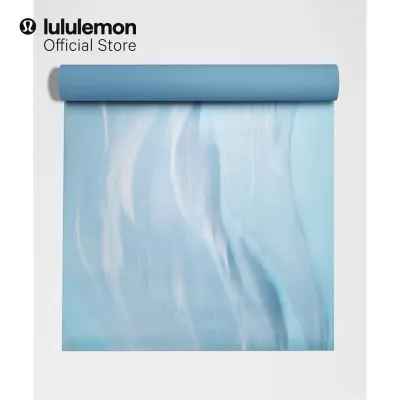
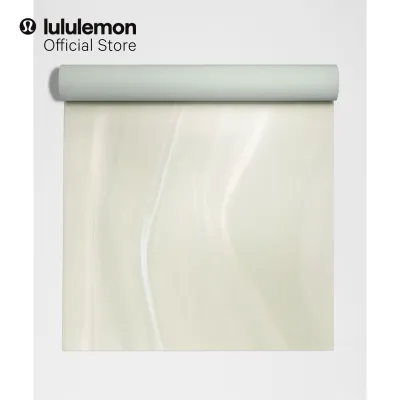
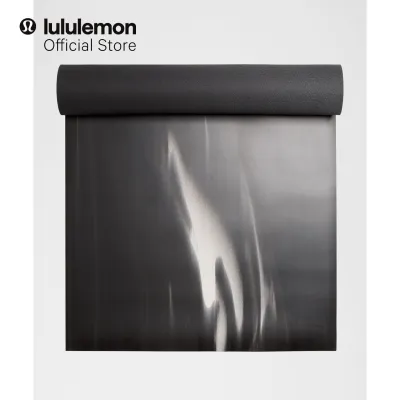
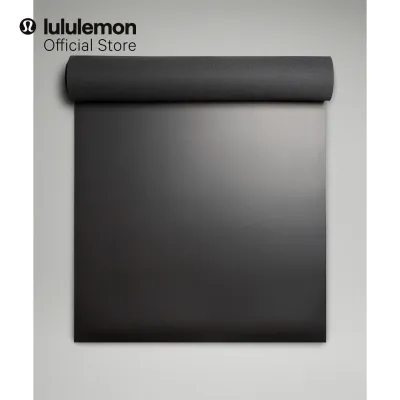

Prices are valid at publication and may change. Please refer to the product page for the latest price.
Thick mats, generally 6mm or more, prioritize joint protection and comfort. These mats are highly suited for restorative practices, Yin yoga, or floor-heavy routines where you spend extended periods kneeling, lying down, or holding deep stretches. The extra padding reduces pressure on the knees, hips, and spine, though it may introduce a slight challenge when attempting single-leg balance poses.
Comparing Lululemon Mat Options and Specifications
When shopping for a lululemon mat, it is essential to verify the exact specifications on the current product labels or official website listings. The brand offers several models, such as the Take Form Mat or the Everyday Mat, which feature distinct thicknesses, weights, and dimensions. Checking the official product tags ensures you know the exact millimeter measurement and total weight before making a purchase.

Surface materials and textures vary significantly across different models and are engineered for specific use cases. Some mats feature a smooth, polyurethane top layer designed to absorb moisture and provide grip during sweaty sessions, while others utilize textured natural rubber or blended materials for dry practices. Reviewing the manufacturer’s intended use case helps you match the surface texture to your typical perspiration levels and grip preferences.
Structural design and edge finishing also play a role in how a mat behaves during your practice. Some models are designed with rigid edges that lie completely flat immediately upon unrolling, while others may require a few moments to settle. Checking these physical characteristics helps ensure the mat rolls up compactly for storage and unrolls smoothly on the studio floor without curling at the corners.
Practical Checks for Comfort and Daily Use
Before finalizing your choice, evaluate your personal joint sensitivity, particularly in your knees, wrists, and ankles. If you experience discomfort or have a history of joint strain during floor work, prioritizing a thicker mat or planning to use a supportive knee pad is a practical step. Conversely, if your joints feel comfortable on firmer surfaces, a thinner mat will offer a more responsive foundation.
Logistical constraints are equally important, especially if you commute to local studios or travel frequently. A thicker mat is inherently heavier and bulkier, which can make carrying it on public transit or walking long distances more tiring. If you frequently move between home, work, and the studio, a lightweight, thinner travel mat might be more practical than a heavy, high-cushion model.
Always review the manufacturer’s specific care, cleaning, and storage instructions to ensure the mat fits your maintenance routine. Different materials require distinct cleaning methods; some surfaces can be damaged by alcohol-based sanitizers or excessive scrubbing. Verifying these guidelines beforehand helps preserve the mat’s grip and longevity over time.
Decision Framework: Which Thickness Should You Choose?
To make your final decision, assess your primary practice style and physical environment. If your routine consists mainly of active flows, standing balances, and rapid transitions, a thinner mat (such as a 3mm option) will provide the necessary stability and ground connection. This choice is also ideal if you prioritize a lightweight mat that is easy to carry during your daily commute.
If your practice is a mix of dynamic movement and restorative poses, or if you require moderate joint cushioning, a medium-thickness mat (such as a 5mm option) is generally the most adaptable choice. This thickness provides a reliable balance of comfort and stability for a wide range of yoga styles, making it a safe option for beginners and multi-discipline practitioners alike.
For those who focus on Yin yoga, restorative practices, or have highly sensitive joints, a thicker mat (such as a 6mm option) is the most suitable choice. Before purchasing, verify if you need to accommodate specific studio space limits, as thicker mats take up slightly more floor space and may not fit into standard studio storage cubbies or compact carrying bags.
Frequently Asked Questions (FAQ)
Is a thicker Lululemon mat better for hot yoga?
A thicker mat provides excellent cushioning, but hot yoga performance depends primarily on sweat management and slip resistance rather than thickness. For heated environments, look for mats with a moisture-absorbing polyurethane top layer, and consult the manufacturer’s care label to ensure the material can handle frequent heavy sweating and cleaning.
How should I clean my Lululemon mat to maintain its grip?
To maintain your mat’s grip, always follow the specific cleaning instructions on the product’s care tag. Generally, you should wipe the surface down with a damp cloth and a mild, non-abrasive soap, avoiding harsh chemicals, alcohol-based sprays, or machine washing unless the manufacturer explicitly approves them.
Do Lululemon mats come with a carrying strap?
Lululemon mats typically do not include a carrying strap or bag as a standard accessory. You should check the current product listing or packaging details at the time of purchase, as straps, wraps, and bags are generally sold separately or offered in specific promotional bundles.

Community discussion
Share your experience or ask a question. Comments are reviewed before publication.