
Selecting your first fishing reel can feel overwhelming, especially when navigating specialized brands. To choose a beginner-friendly Marfix spinning reel, focus on finding a versatile, mid-sized model—typically in the 2000 to 3000 size range—equipped with a moderate gear ratio between 5.0:1 and 6.2:1 and a smooth, adjustable front drag system. This combination provides the ideal balance of line capacity, retrieval speed, and control, allowing you to target a wide variety of species without fighting your equipment. By focusing on these core specifications, you can confidently select a reel that minimizes tangles, reduces fatigue, and helps you master casting and retrieving techniques.
While Marfix is highly regarded in the angling community for its specialized deep-sea overhead jigging reels, beginners looking for a versatile spinning setup must evaluate the brand’s spinning configurations carefully. A well-chosen spinning reel acts as the foundation of your fishing setup, forgiving common novice mistakes such as improper line tension or sudden, jerky hook sets. By understanding how to read specification sheets and inspect physical reels, you can secure a reliable tool that performs consistently on the water.
What Makes a Spinning Reel Beginner-Friendly?
A beginner-friendly spinning reel must minimize the learning curve and prevent common frustrations on the water, such as line twists, wind knots, and lost fish. For a novice angler, the reel should act as an intuitive extension of the arm, allowing you to focus on learning how to read the water and present your lure rather than troubleshooting mechanical issues. The design should prioritize simplicity, durability, and ease of operation over highly specialized, niche features.
Products mentioned in this guide
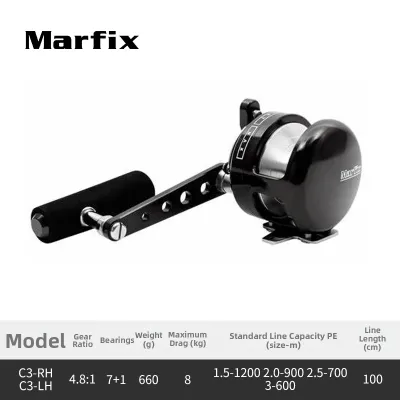
Prices are valid at publication and may change. Please refer to the product page for the latest price.
A forgiving drag system is perhaps the most critical component for a beginner. When a fish makes a sudden, unexpected run, a smooth drag releases line under tension without stuttering or binding. This mechanical buffer prevents the line from snapping, compensating for a beginner’s natural tendency to hold the rod too stiffly or react with excessive force. A drag system that engages smoothly ensures that even if your rod angle is less than perfect, the reel protects your line and keeps the fish pinned.
Manageable weight and ergonomic balance are equally important for long casting sessions. A reel that is too heavy quickly causes wrist and arm fatigue, which degrades your casting form and shortens your time on the water. A well-balanced reel keeps the center of gravity close to the rod handle, making the entire setup feel lighter and more responsive. Additionally, a reliable instant anti-reverse mechanism is essential; it eliminates handle back-play entirely, ensuring solid, immediate hook sets and preventing the line from wrapping loosely around the rotor.
Key Marfix Reel Specifications to Evaluate
When browsing Marfix product catalogs or inspecting boxes in a tackle shop, you will encounter a variety of technical specifications. Translating this technical jargon into practical fishing benefits is the first step toward making an informed purchase. Rather than assuming that more expensive materials or higher bearing counts always equate to a better beginner experience, you must evaluate how each specification impacts daily usability.

For entry-level anglers, the focus should be on structural integrity and smooth operation rather than ultra-lightweight, fragile components. While advanced professionals might demand magnesium bodies to shave off fractions of an ounce, a beginner is much better served by a robust aluminum or high-density carbon composite frame. These materials offer the rigidity required to keep internal gears perfectly aligned under load, ensuring the reel remains smooth and functional even after accidental bumps against jetty railings or boat gunwales.
Reel Size and Line Capacity
Spinning reels are categorized by numerical sizes, typically ranging from 1000 to 8000 or higher. For general-purpose beginner angling, the 2500 and 3000 sizes represent the absolute sweet spot. A 1000-size reel is highly specialized for ultralight fishing and holds very thin line, which tangles easily in inexperienced hands. Conversely, a 4000-size or larger reel adds unnecessary weight and bulk, making it tiring to cast repeatedly and poorly suited for light to medium action rods.
Before purchasing, check the spool’s stated line capacity, which is usually printed directly on the aluminum spool or the packaging. This specification tells you how many meters of a specific line diameter or breaking strain the spool can hold. For a beginner, the reel should comfortably hold at least 150 meters of your chosen mainline. This capacity ensures you have plenty of line to handle long casts and potential cut-offs while leaving a safe margin if a larger fish decides to run.
Pairing your reel size correctly with your target environment prevents casting difficulties. A 2500-size reel spooled with moderate-strength line provides enough versatility to transition from freshwater reservoirs to light coastal bait fishing. It keeps the overall tackle weight low, allowing you to practice casting mechanics with precision and comfort.
Gear Ratio and Retrieval Speed
The gear ratio of a spinning reel indicates how many times the rotor spins around the spool for every single full turn of the handle. For example, a gear ratio of 5.2:1 means the rotor completes 5.2 revolutions per handle turn. This ratio directly dictates your retrieval speed and the mechanical leverage you have over a fighting fish.
High-speed reels with ratios of 6.0:1 or higher retrieve line incredibly quickly, which is advantageous for working topwater lures or picking up slack line rapidly. However, they require more physical effort to turn when fighting a heavy fish or pulling high-resistance lures through the water. Low-speed reels, such as those with a 4.8:1 ratio, offer immense cranking power but can make retrieving lures tedious. A moderate, mid-range ratio between 5.0:1 and 5.8:1 provides the perfect compromise, offering enough speed for active lure fishing and sufficient torque for bait fishing.
When evaluating a reel, look for the Inches-Per-Turn (IPT) or Centimeters-Per-Turn (CPT) specification on the packaging. This figure represents the actual length of line retrieved with one turn of the handle when the spool is full. For a beginner, an IPT of roughly 28 to 33 inches (70 to 84 centimeters) provides a highly versatile retrieval rate that accommodates a wide variety of fishing techniques without requiring rapid, exhausting handle cranking.
Drag System and Smoothness
The drag system consists of a series of friction washers housed inside the spool, controlled by a knob on the front of the reel. Front drag configurations are highly recommended for beginners because they utilize larger washers than rear drag systems. This larger surface area results in superior heat dissipation, smoother performance under pressure, and a much higher maximum drag capability.
When inspecting a Marfix reel in a physical store, you can perform a simple check to evaluate the drag’s smoothness. Tighten the drag knob slightly, grip the line, and pull it off the spool steadily by hand. The line should release with a consistent, purring resistance without any sudden jerks, catches, or sticky points. A drag that stutters or requires a sudden spike in force to start moving is a major liability that will frequently result in snapped lines when fighting active fish.
Always verify the maximum drag rating on the specification sheet and ensure it aligns with your intended line class. For general-purpose fishing, a maximum drag rating of 4 to 7 kilograms is more than sufficient. Keep in mind that you will rarely set your actual drag to its maximum limit; standard practice is to set the drag to approximately one-third of the breaking strength of your mainline to ensure a safe operating buffer.
Matching the Reel to Your Fishing Environment in Singapore
To get the most out of your Marfix reel, you must match its specifications to the unique fishing environments and tropical climate of Singapore. The local angling scene ranges from highly humid, saltwater coastal jetties to pristine freshwater reservoirs, each presenting distinct challenges to your equipment. Selecting a reel with the appropriate protective features ensures longevity and reliable performance across these diverse settings.
If you plan to fish coastal saltwater spots such as Bedok Jetty, Labrador Park, or the southern islands, corrosion resistance must be your top priority. Singapore’s tropical marine environment is exceptionally harsh on metal components. Saltwater spray and high humidity can quickly penetrate unsealed gearboxes, leading to rust, salt crystallization, and eventual gear binding. When evaluating a reel for saltwater use, verify if it features sealed stainless-steel bearings, a corrosion-resistant frame, and a sealed drag knob to prevent saltwater intrusion.
For those targeting freshwater species like Peacock Bass in reservoirs such as MacRitchie, Pandan, or Bedok, casting accuracy and lightweight handling are paramount. Freshwater environments generally demand lighter lines and smaller lures, meaning your reel must have excellent line lay properties to prevent wind knots during repeated casting. A 2000 or 2500-size reel paired with a light, responsive rod allows you to make precise casts near structure where predatory fish love to hide.
Regardless of where you fish, the intense heat and humidity of Singapore require diligent gear care. High temperatures can cause low-quality lubricants inside the reel to thin out and migrate away from critical gear teeth. Choosing a reel with high-quality, temperature-stable synthetic grease ensures that the internal mechanisms remain fully lubricated and protected, even during long, hot afternoons on an unshaded jetty.
How to Verify Marfix Model Details and Avoid Fakes
As with any reputable fishing brand, counterfeit products and unauthorized replicas can occasionally find their way onto online marketplaces and unverified tackle stalls. Purchasing a counterfeit reel not only wastes your money but also guarantees mechanical failure when you hook a strong fish. Knowing how to verify the authenticity of a Marfix reel before handing over your money is crucial.
Start by carefully inspecting the packaging and physical presentation of the reel. Genuine Marfix products feature high-quality packaging with crisp, clear printing, accurate spelling, and official branding logos. Look for holographic security stickers, unique serial numbers, and official manufacturer bar codes on the box. If the printing on the box appears blurry, or if the reel is sold in a plain, unmarked cardboard box without an official user manual and parts diagram, treat it with extreme suspicion.
Next, cross-reference the physical characteristics of the reel in your hands with the manufacturer’s officially published specifications. Use a smartphone to check the official brand website or trusted dealer catalogs for the exact weight, bearing count, gear ratio, and color scheme of the specific model. Counterfeit reels often use cheaper, heavier metals, resulting in a physical weight that is noticeably higher than the official specification. Additionally, check the machining quality; genuine reels feature smooth, deburred edges, flawless anodizing on the spool, and a bail arm that clicks open and shut with a crisp, positive snap.
Finally, be highly skeptical of prices that seem too good to be true. If an online seller on a generic ecommerce platform is offering a brand-new Marfix reel at a fraction of the standard retail price found in established local tackle shops, it is highly likely to be a fake or a gray-market product with no warranty support. Purchasing from authorized, reputable local tackle shops in Singapore ensures you receive a genuine product, complete with local warranty coverage and access to original spare parts.
Essential Gear to Pair With Your Entry-Level Reel
To maximize the performance of your new Marfix spinning reel, you must pair it with complementary tackle that is balanced and suited to your target fishing style. A high-quality reel cannot perform to its full potential if it is mounted on an mismatched rod or spooled with poor-quality line. Creating a balanced outfit is key to achieving long, effortless casts and maintaining control during a fight.
Begin by selecting a compatible spinning rod. For a 2500 or 3000-size reel, look for a graphite composite rod measuring between 6 feet 6 inches and 7 feet 6 inches in length, with a medium-light to medium power rating and a fast action. This rod configuration provides the necessary backbone to set hooks effectively while remaining sensitive enough to detect subtle bites. Ensure the rod’s line rating (typically 8 to 17 pounds) matches the line class you plan to spool onto your reel.
When it comes to choosing your mainline, beginners have two primary options: monofilament or braided line. Monofilament is highly affordable, easy to knot, and features a natural stretch that acts as an extra cushion against aggressive fish runs, making it incredibly forgiving for novices. However, braided line is much thinner for the same breaking strength, allowing you to cast significantly further and pack more line onto your spool. If you choose braided line, always tie a 1-meter leader of fluorocarbon line to the end; this provides essential abrasion resistance against sharp rocks, structures, and fish teeth, while remaining virtually invisible underwater.
Finally, assemble a basic selection of terminal tackle and essential tools to complete your ready-to-fish kit. You will need a pair of aluminum line cutters or split-ring pliers to trim line tags, a selection of high-quality snap swivels to make lure changes quick and easy, and a basic assortment of hooks and sinkers if you plan to use live bait. Mastering two fundamental knots—the Uni knot for tying line to swivels or hooks, and the Double Uni knot for joining braid to a fluorocarbon leader—will give you a secure, reliable connection that won’t fail when tension is applied.
Frequently Asked Questions (FAQ)
How often should I clean and lubricate my Marfix spinning reel?
You should rinse your reel with a gentle stream of fresh water after every single saltwater outing to remove salt deposits before they dry and crystallize. Keep the drag knob tightened completely during the rinse to prevent water from entering the drag stack, and never submerge the reel entirely or use a high-pressure hose, as this forces water and contaminants deep into the internal gears. After rinsing, loosen the drag knob to relieve pressure on the washers, wipe the exterior dry with a clean microfiber cloth, and let it air dry in a shaded, well-ventilated area. For lubrication, apply a single drop of specialized reel oil to the line roller bearing and main shaft every few trips, and consult your manufacturer’s manual annually for a deeper grease application on the internal drive gears.
Can I upgrade the handle knob or spool on a beginner Marfix model?
Yes, many spinning reels allow for basic aftermarket upgrades, but you must verify compatibility by checking the manufacturer’s parts diagram or consulting an authorized dealer before purchasing parts. Upgrading to a lightweight aluminum or ergonomic EVA foam handle knob can improve grip comfort and reduce hand fatigue during long casting sessions. However, you should avoid adding excessively heavy aftermarket components, as they can disrupt the reel’s delicate balance, increase startup inertia, and potentially void your manufacturer’s warranty. For a beginner, prioritizing proper line spooling, mastering drag adjustments, and maintaining clean gear will improve your fishing success far more than cosmetic or weight-saving upgrades.
Community discussion
Share your experience or ask a question. Comments are reviewed before publication.