
Selecting the right Molten basketball requires matching the ball’s outer cover material to the specific court surface you play on. Indoor wooden courts and outdoor asphalt courts present completely different physical demands. Using a ball designed for one surface on the other can quickly ruin the ball or severely compromise your grip and control. To get the most value and performance out of your basketball, you must understand how Molten’s various materials—genuine leather, composite synthetic leather, and rubber—interact with different playing environments.
Why Court Surface Dictates Your Basketball Material
The physical interaction between a basketball’s cover and the playing court determines both the quality of your play and the lifespan of the ball. Indoor courts, typically made of polished hardwood or synthetic composite materials, are smooth and clean. However, they can accumulate fine dust and player sweat, which creates a slippery film. To counteract this, indoor basketballs require soft, tacky, and moisture-absorbing covers that can cling to the polished floor and provide a secure grip in a player’s hands.
Outdoor courts, such as public asphalt, concrete, or blacktop surfaces, are highly abrasive. These surfaces act like high-grit sandpaper against a basketball. When a soft indoor ball is used on asphalt, the friction rapidly grinds down the delicate outer cover. Within just a few sessions, the textured pebbles that provide grip are sheared off, leaving the ball smooth, unbalanced, and highly susceptible to peeling.
Products mentioned in this guide
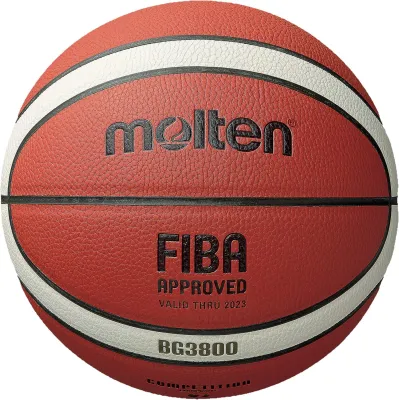
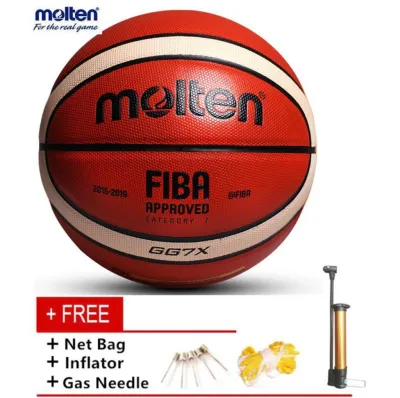
155 Lazada user ratings
🛠️Durability:Haven't tested on court, but leather feels legit good. 🏀Bounce:Great ✋Grip:Great Comes with a free pump and needle, High-quality…Read full reviewShow less
🛠️Durability:Haven't tested on court, but leather feels legit good. 🏀Bounce:Great ✋Grip:Great Comes with a free pump and needle, High-quality synthetic leather material, Fast delivery within 2-3 working days, Perfect size for men's training.
there is no grip and the skin has got wrinkles. don't look authentic and lightly like my old Molten can run flat quickly.
🏀Bounce: good 🛠️Durability: mid ✋Grip: bad Fast delivery within 2-3 working days, Free sling bag for easy carrying,
it is not bad. but after pumping it fully there were some wrinkles on the basketball
57 Lazada user ratings
ok, value for money, my son was very happy for it, come with free gifts.
So far so good Value for money...........................
🏀Bounce:Official FIBA approved basketball,
Fast delivery
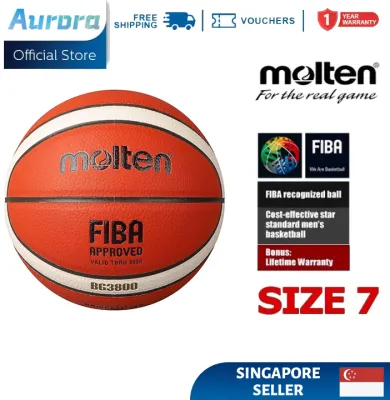
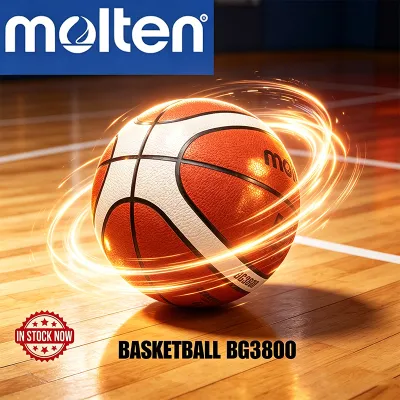
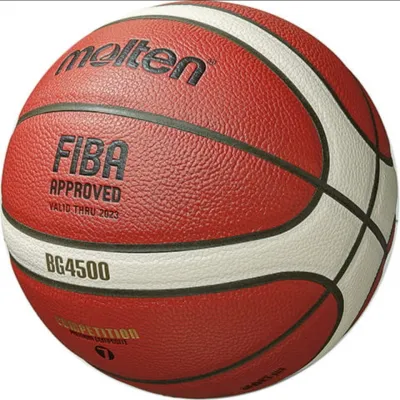
176 Lazada user ratings
Excellent! very fast delivery 100% satisfied thank you very much Excellent craftsmanship for reliable quality, Ideal weight for better handl…Read full reviewShow less
Excellent! very fast delivery 100% satisfied thank you very much Excellent craftsmanship for reliable quality, Ideal weight for better handling,
Hope it's legit. Good price if real. Good grip. And came not fully pumped but with net and needle. Super fast shipment.
Ball came deflated, but it is genuine and the grip is good. It has good bounce to it.
ordered on 12.12.23 and received on 14.12.23. my boy is very happy with the purchase
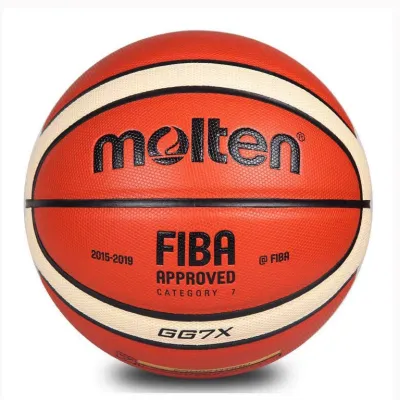
105 Lazada user ratings
🏀Bounce:good Suitable for all ages, Highly recommended,
Excellent bounce and responsiveness,
Good quality
Prices are valid at publication and may change. Please refer to the product page for the latest price.
Using an outdoor-engineered ball on a pristine indoor court presents the opposite problem. Outdoor balls are made of harder, non-porous materials designed to resist abrasion rather than absorb moisture. On a dusty indoor hardwood floor, these hard covers cannot establish adequate friction. The ball will feel slick, bounce unpredictably off the backboard, and easily slip out of your hands during fast passes or dribbling maneuvers.
Decoding Molten's Cover Materials and Surface Labels
To choose the correct ball, you must understand the three primary materials Molten uses for its basketball covers. Each material is engineered for specific durability levels, tactile feedback, and environmental conditions.
Genuine leather covers represent the premium tier of basketball construction. Molten uses natural leather for its top-tier competition balls, which are designed exclusively for indoor wooden courts. Natural leather requires a break-in period, during which the oils from your hands gradually soften the cover and improve its grip. This material is highly porous and sensitive; exposure to outdoor moisture, dirt, and rough asphalt will permanently dry out, warp, and ruin the leather.
Composite and synthetic leather covers offer a versatile middle ground. These materials are manufactured by bonding polyurethane (PU) or other synthetic fibers to a backing layer, mimicking the feel of genuine leather without requiring a break-in period. Molten produces various grades of composite balls. Some are engineered strictly for indoor use, featuring high moisture absorption and a very soft feel. Others are formulated as hybrid “indoor/outdoor” materials, utilizing a tougher synthetic blend that can withstand moderate outdoor wear while retaining a comfortable grip.
Rubber covers are the most durable option available. Engineered specifically for concrete, asphalt, and schoolyard playgrounds, these balls utilize vulcanized rubber to resist heavy abrasion and punctures. While rubber basketballs do not offer the soft, cushioned feel or moisture-wicking properties of leather, they maintain their structural integrity and grip under harsh outdoor conditions.
Before making a purchase, always verify the official surface recommendation. This information is typically printed on the ball’s packaging, stamped directly onto one of the panels near the inflation valve, or listed on the manufacturer’s official product specifications. Relying on visual appearance alone can lead to purchasing an indoor-only composite ball for outdoor use, resulting in rapid product degradation.
Matching Molten Models to Your Primary Playing Environment
To select the appropriate Molten basketball, evaluate where you spend the vast majority of your playing time. Choosing a ball based on your primary court type ensures you do not compromise on performance or waste money on a ball that wears out prematurely. If you play in multiple settings, you must carefully weigh the trade-offs of a single hybrid ball versus owning multiple dedicated models.
Dedicated Indoor Courts (Wood and Composite)
If you play exclusively in indoor gymnasiums with polished wood or high-quality synthetic floors, prioritize premium composite leather or genuine leather models. These environments allow you to utilize balls with advanced moisture-management technology. These covers actively absorb sweat from your hands, ensuring the ball remains tacky and controllable even during intense, high-sweat games.
When selecting an indoor model, look for specifications indicating “Indoor Use Only.” These balls often feature Molten’s signature 12-panel design, which provides additional seams for finger alignment and control. Because these models do not need to withstand abrasive asphalt, their construction focuses entirely on maximizing grip consistency, soft cushioning, and a perfectly balanced bounce.
Outdoor Asphalt and Concrete
For players who frequent outdoor community parks, street courts, or concrete driveways, durability must be your primary concern. The constant friction against rough ground and metal rims will quickly destroy premium materials. Therefore, you should prioritize Molten’s rubber models or heavy-duty outdoor-specific composite options.
Outdoor-engineered balls feature thicker outer covers and deeper channels. The deep black grooves between the panels help channel away dirt and outdoor dust, allowing your fingers to find purchase even when the court is less than clean. Additionally, the rugged rubber or reinforced synthetic cover ensures the ball resists scuffing and maintains its spherical shape despite repeated impacts on hard surfaces.
Mixed or Transitional Environments
If your playing routine alternates regularly between indoor leagues and outdoor pickup games, you face a unique challenge. One option is to select an “indoor/outdoor” rated composite ball. These hybrid models use a tougher polyurethane cover that resists asphalt wear better than pure indoor composites, while still offering a softer feel than a standard rubber ball. However, be aware of the compromise: using a hybrid ball outdoors will gradually smooth its texture, reducing its grip performance when you take it back indoors.
For the best long-term value and performance, consider the two-ball strategy. This involves purchasing a budget-friendly, highly durable rubber ball for your outdoor sessions, and keeping a separate, premium composite ball strictly in your gear bag for indoor games. In Singapore, where outdoor community courts are highly accessible but indoor court bookings are prized, this dual-ball approach ensures your premium indoor model remains in peak condition for your scheduled league games while your affordable rubber ball handles the daily wear of outdoor play.
Maintenance and Lifespan Expectations by Surface
Every basketball has a limited lifespan, but proper care can significantly extend its usability. You should regularly inspect your ball for visual and tactile signs of wear. If you notice the pebble texture smoothing out, the cover peeling at the seams, or the ball losing air pressure rapidly between sessions, the structural integrity is compromised, and it may be time to replace it.
To clean your Molten basketball, wipe it down with a damp cloth after every session. This is especially important for outdoor play, as fine dust settles into the pebbles and channels, making the ball slippery. Avoid using harsh chemical detergents, solvents, or submerging the ball entirely in water, as moisture can seep into the seams and degrade the internal adhesives holding the panels together. Always allow the ball to air dry naturally in a shaded, well-ventilated space.
Storage conditions play a critical role in preserving the ball’s materials. Never store your basketball in direct sunlight, damp outdoor areas, or inside a hot car trunk. Extreme heat causes the air inside the butyl bladder to expand, which can warp the ball’s shape or weaken the outer seams. Keep the ball in a cool, dry indoor closet, and maintain the manufacturer’s recommended inflation pressure—typically printed near the valve—using a reliable hand pump and pressure gauge.

Community discussion
Share your experience or ask a question. Comments are reviewed before publication.