
Selecting the ideal resistance band for your lower body workouts requires matching the band’s physical format, material composition, and tension range to your specific training objectives. Whether your focus is on activating your glutes before a heavy lifting session, building lower body strength in a compact home space, or rehabilitating a joint after an injury, the right band ensures your muscles are properly challenged without compromising your form. By understanding how different band designs interact with your body and movement patterns, you can make an informed choice that enhances your fitness routine while minimizing the risk of sudden snaps or slips.
Identify Your Leg Training and Recovery Goals
Before purchasing any fitness equipment, you must define the primary purpose of your lower body training. If your goal is strength building, you will require bands that can withstand high-force compound movements like squats, deadlifts, and hip thrusts. These exercises demand significant resistance to stimulate muscle growth and challenge larger muscle groups like the quadriceps and glutes. Conversely, if your focus is on mobility, active recovery, or physical therapy, your priority shifts toward lighter, highly elastic bands that allow for controlled, high-repetition movements to gently restore joint function and improve flexibility.
The specific exercises you plan to perform also dictate the required range of motion, which directly influences the necessary band length and shape. For instance, deep stretching and full-body mobility routines require long, highly stretchable bands that can loop around your feet and extend overhead. On the other hand, targeted hip and glute activation exercises require short, tight loops that remain securely positioned around your thighs or calves. Assessing your current fitness level and joint health establishes a vital baseline; starting with too much resistance can lead to compensation patterns where smaller, stabilizing muscles are bypassed, potentially straining your knees or lower back.
Products mentioned in this guide
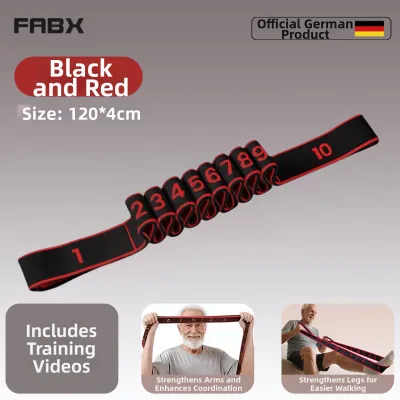
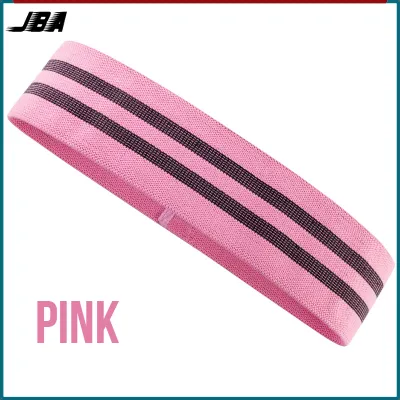
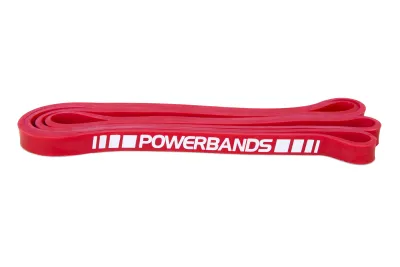
Prices are valid at publication and may change. Please refer to the product page for the latest price.
Choose the Right Band Format for Lower Body Movements
Resistance bands come in several distinct physical formats, each optimized for specific lower body movement patterns. Mini loop bands, which typically measure around 30 centimeters in length, are the standard choice for lateral walks, clamshells, and glute bridges. Their compact size allows them to sit snugly above the knees or around the ankles, providing continuous outward tension that forces the hip abductors and glutes to remain engaged throughout the movement. This makes them exceptionally efficient for warm-ups and targeted lower body activation.

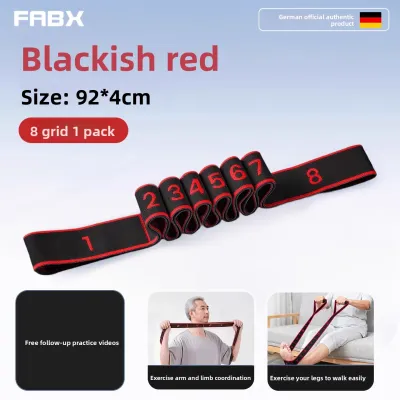
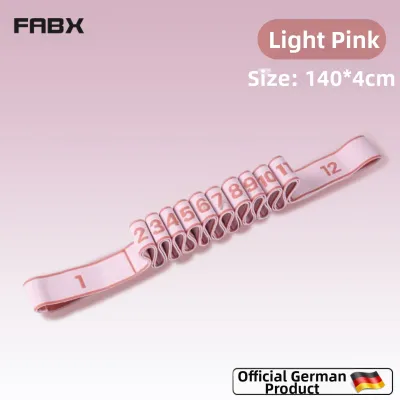
Long loop bands, often referred to as power bands, offer a much wider range of application due to their length, which is usually around one meter. These heavy-duty bands are excellent for adding progressive resistance to compound movements like squats and good mornings, as they can be anchored under your feet and looped over your shoulders. Additionally, they serve as valuable tools for assisted stretching, allowing you to gently pull your legs into deeper hamstring or hip flexor stretches while maintaining complete control over the tension.
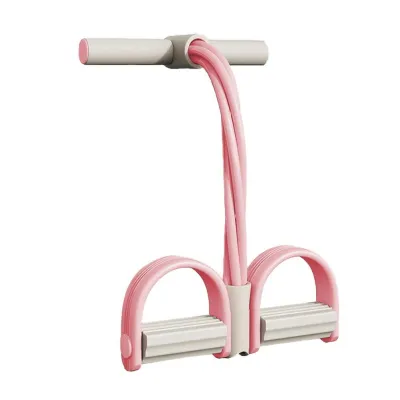
Tube bands with handles represent another common format, featuring rubber tubes equipped with plastic or foam grips at each end. While highly versatile for upper body training, tube bands have notable limitations when applied to heavy compound leg movements. They are difficult to position securely underfoot during squats without risking slippage, and the handles can be cumbersome. However, they remain useful for specific isolation exercises, such as standing leg curls or kickbacks, provided you have a secure low anchor point, such as a heavy door frame or a sturdy post, to attach the band safely.
Match the Resistance Level to Your Exercises
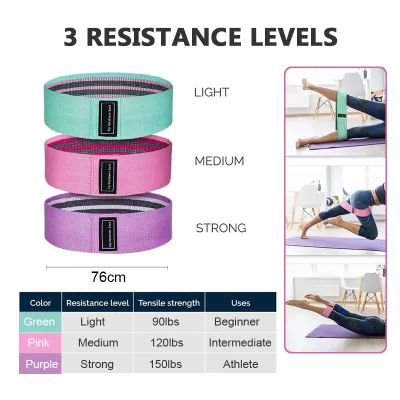
One of the most common mistakes when selecting a resistance band is relying solely on color coding to determine tension. Because there is no universal industry standard for band colors, a “heavy” blue band from one manufacturer might offer the same resistance as a “medium” red band from another. To avoid purchasing a band that is either too light to be effective or too stiff to use safely, always check the manufacturer’s packaging or product specifications for the estimated resistance range, which is typically measured in kilograms or pounds.
For isolation, warm-up, and recovery movements, you should match your exercises to lighter tension levels. Exercises like clamshells, lying leg raises, and ankle mobility drills target smaller stabilizing muscles that fatigue quickly. Using a band that is too heavy for these movements will force larger muscle groups to take over, defeating the purpose of the exercise and potentially straining delicate joints. A lighter band allows you to move through a complete, uncompromised range of motion while maintaining strict control over the tempo.
For compound movements that recruit multiple large muscle groups simultaneously, heavier tension is required. Banded squats, resisted glute bridges, and Romanian deadlifts benefit from thicker bands that provide substantial resistance at the peak of the movement. Investing in a high-quality set of bands, which typically costs between S$15 and S$40 in local fitness stores, is a cost-effective way to support progressive overload. This allows you to gradually increase the resistance as your lower body grows stronger, while also giving you the flexibility to switch between light bands for warm-ups and heavy bands for working sets.
Compare Fabric and Latex Materials for Lower Body Grip
The material of your resistance band plays a critical role in both comfort and performance, particularly during high-friction lower body movements. Fabric bands, which are typically woven from a blend of cotton, polyester, and elastic fibers, have become highly popular for leg workouts. Their primary advantage is their non-slip grip; the textured fabric clings securely to bare skin or smooth leggings, preventing the band from rolling up into a tight, painful cord during lateral walks or squats. This structural stability makes them exceptionally comfortable and durable, as they are highly resistant to tearing.
Latex or rubber bands, by contrast, offer superior versatility and stretch capacity. Unlike fabric bands, which often have a limited stretching range, latex bands can stretch to several times their original length, making them ideal for multi-joint routines and exercises that require a wide range of motion. They are also much easier to clean when used over dirty athletic shoes or outdoor surfaces. However, latex bands are prone to rolling, pinching the skin, and sliding out of place if they are not positioned perfectly, which can disrupt your focus during a challenging set.
When choosing between these materials, consider your workout environment, skin sensitivities, and maintenance preferences. In warm, humid climates, sweat exposure is a significant factor; fabric bands absorb sweat and require regular machine washing to prevent odors and bacteria buildup. Latex bands do not absorb moisture and can be quickly wiped down with a damp cloth after use, but they can degrade rapidly if exposed to direct sunlight or extreme heat. Furthermore, individuals with latex sensitivities must opt for fabric alternatives or specialized synthetic rubber bands to avoid allergic reactions.
Inspect and Maintain Your Bands for Safe Workouts
Because resistance bands store potential energy under tension, a sudden snap can cause painful welts or serious injury. To ensure your safety, establish a habit of inspecting your bands before every lower body session. Look closely for micro-tears, small punctures, thinning areas, or fraying along the edges. Even a tiny nick in a latex band can quickly turn into a complete tear under tension, so any band showing visible signs of wear should be discarded and replaced immediately.
Proper execution of your exercises also depends on using a band of the correct length. Never overstretch a band beyond the manufacturer’s recommended limits, which is typically no more than two to three times its resting length. Overstretching not only accelerates material fatigue but also increases the risk of the band snapping or slipping off your feet. If you find that you must stretch a band to its absolute limit to feel sufficient resistance, it is time to transition to a thicker band with a higher tension rating.
Proper maintenance will significantly extend the lifespan of your equipment. Store your bands in a cool, dry place away from direct sunlight, as ultraviolet rays and high temperatures dry out latex, causing it to become brittle and prone to cracking. If you use fabric bands, wash them on a gentle cycle in cold water and allow them to air dry completely before storing them. Finally, always stop your exercise immediately if you feel the band slipping unpredictably, rolling excessively, or making unusual stretching noises, as these are clear warning signs of impending structural failure.
Frequently Asked Questions (FAQ)
Can I use the same resistance band for both legs and upper body?
While some crossover is possible, different band formats are generally optimized for specific muscle groups. Long loop bands offer the greatest versatility, as they can be anchored underfoot for bicep curls and overhead presses, or looped around the shoulders for squats and assisted stretching. In contrast, mini loop bands are highly specialized for lower body work; their short length makes them excellent for glute and hip activation but limits their usability for most upper body movements, except for brief shoulder stability drills.
How do I know if my resistance band is too tight or too loose?
Your resistance band is at the correct tension when you can maintain constant muscle engagement throughout the entire exercise while still achieving a full range of motion with proper joint alignment. If the band loses tension and sags at the bottom of a movement, it is too loose, and you should shorten your grip or switch to a heavier band. Conversely, if the band is so tight that your knees collapse inward during a squat or you cannot complete the movement without jerking your body, the resistance is too high and should be reduced.
Are fabric resistance bands better for people with latex allergies?
Fabric resistance bands are generally a much safer alternative for individuals with latex allergies, as the outer woven material prevents direct contact with the skin. However, you must still exercise caution and check the manufacturer’s product specifications. Many fabric bands utilize an inner core of woven latex threads to provide their elasticity; if these threads wear through or if you have a severe allergy, exposure can still occur. Look for fabric bands explicitly labeled as completely latex-free or made with synthetic elastic materials.

Community discussion
Share your experience or ask a question. Comments are reviewed before publication.