
Selecting the right tension for your post-run routine is critical for effective muscle recovery. While searching for a thick rubber band might seem like the logical choice for durability and support, excessive tension can actually hinder recovery and strain fatigued muscles. Post-run recovery requires light to medium tension to promote blood flow and mobility without overloading fatigued muscles. This guide helps you decode band thickness, match resistance levels to your specific recovery needs, and choose the right material to safely restore mobility after your run.
After a humid run along the park connectors or a grueling trail session, your lower body muscles are fatigued and filled with metabolic waste. The primary goal of post-run recovery is gentle mobilization and active rest, not further muscle breakdown. Using a band with too much resistance forces your muscles to contract defensively, which can worsen micro-tears and prolong your recovery time. By understanding how thickness translates to tension, you can select a tool that supports your body’s natural healing process.
Understanding Band Thickness and Resistance Levels
Physical thickness in a resistance band directly correlates to the amount of force required to stretch it. A thick rubber band contains more material mass, which creates a steeper resistance curve. This means the further you stretch it, the more force it exerts back against your muscles. While this resistance is excellent for building raw strength, it is often counterproductive for the delicate process of post-run recovery.
Products mentioned in this guide
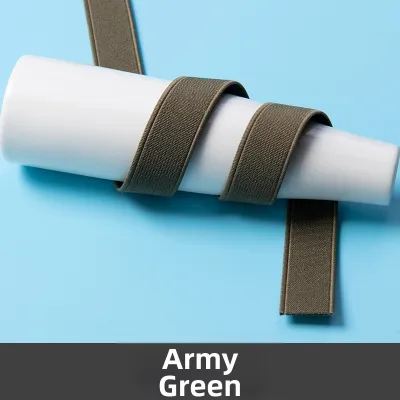
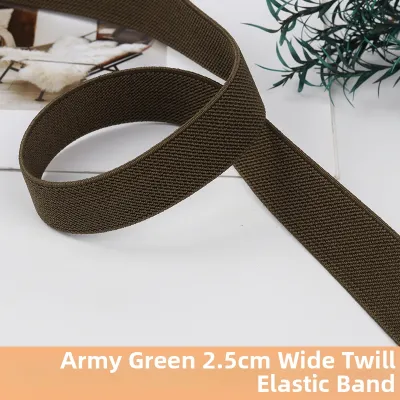
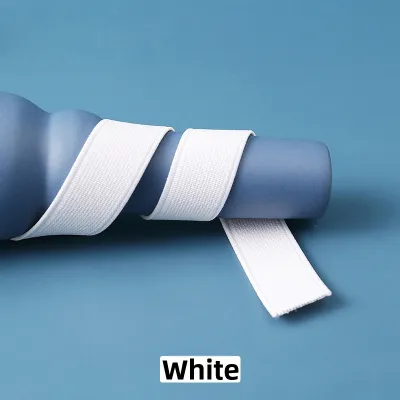

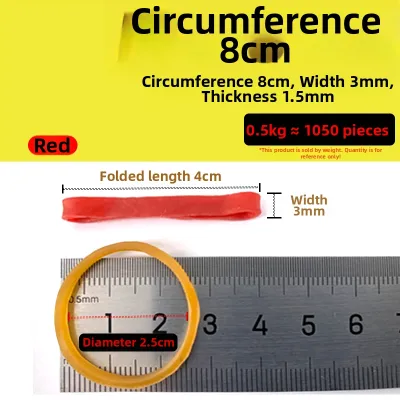
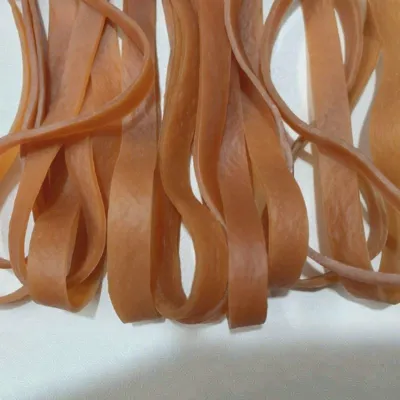
Prices are valid at publication and may change. Please refer to the product page for the latest price.
Many runners fall into the trap of assuming that a thicker band will deliver faster recovery results or provide better joint support. In reality, color-coding and physical thickness are not standardized across different manufacturers. A red band from one brand might offer light resistance, while a red band from another could be rated as heavy. Relying solely on visual thickness or color can lead to using a band that is far too stiff for your current physical state.
Using excessive tension on fatigued muscles carries distinct physiological risks. During a run, your muscle fibers experience microscopic damage, especially during high-impact eccentric movements like downhill running. If you apply a heavy, thick rubber band to these compromised tissues immediately afterward, your nervous system triggers a protective guarding mechanism. Instead of relaxing and lengthening, the muscle tenses up, which can lead to acute strains, joint compensation, and increased stiffness the following day.
Matching Thickness to Your Post-Run Recovery Goals
To choose the right band thickness, you must match the tension level to your immediate recovery objectives, the intensity of your run, and your overall fatigue levels. Dividing your recovery tools into distinct tension categories allows you to target different physiological systems safely.

Light to extra-light tension bands are typically thin, flat latex sheets or very thin loops. These bands are highly flexible and offer minimal resistance, making them perfect for gentle stretching and joint mobility work immediately after a long run. The low tension allows you to guide your limbs through a full range of motion without forcing the muscles to work hard. This gentle movement acts as a pump, promoting blood circulation to flush out metabolic byproducts without adding physical stress.
Medium tension bands are slightly thicker and offer moderate resistance. These are best utilized for targeted muscle activation rather than deep stretching. If you experience glute amnesia or hip instability after long periods of running, a medium band can help reactivate these stabilizing muscle groups. The moderate resistance is enough to wake up underactive fibers without overloading your tired primary movers, helping to restore proper pelvic alignment.
Heavy to extra-thick tension bands are generally reserved for progressive overload strength training rather than active recovery. However, they do have a place in specific, structured rehabilitation scenarios. For instance, if you are working through chronic tendon issues under the guidance of a physiotherapist, a thicker band can be used for isometric holds to stimulate tendon repair. For standard post-run routines, these heavy bands should be avoided to prevent accidental tissue damage.
Recommended Resistance Levels for Key Runner Recovery Exercises
To build a practical recovery routine, you must map specific band thicknesses to the movements you perform. Different muscle groups require different levels of support and resistance to recover effectively.
For hip flexor and hamstring stretches, lighter bands are highly recommended. When stretching these long muscle groups, the band should act as an extension of your arms, allowing you to lie back and relax your upper body. A thin, highly pliable band allows you to find a comfortable end-range of motion without pulling your joints into alignment-altering angles. If the band is too stiff, you will end up tensing your neck and shoulders to hold the stretch, defeating the purpose of the recovery session.
For lateral band walks and clamshells, medium loop bands provide the optimal level of resistance. These exercises target the gluteus medius and deep hip rotators, which are crucial for maintaining knee alignment and preventing runner’s knee. A medium band offers enough feedback to ensure these muscles fire correctly without causing compensatory movements, such as tilting your pelvis or collapsing your ankles inward.
When addressing tight calves and the IT band, extreme caution is required. The IT band is a thick band of fascia that cannot be stretched out like a muscle; instead, you must focus on mobilizing the surrounding muscles like the tensor fasciae latae and glutes. Using a light band allows you to perform gentle, dynamic leg drops across your body without compressing the sensitive lateral knee joint. Similarly, a light band wrapped around the ball of your foot provides a controlled calf stretch that does not over-stretch the Achilles tendon.
| Exercise | Target Area | Recommended Band Thickness / Tension | Primary Recovery Goal |
|---|---|---|---|
| Hamstring Stretch | Hamstrings & Calves | Light (Thin flat band) | Improve flexibility & blood flow |
| Lateral Band Walks | Gluteus Medius & Hips | Medium (Moderate loop band) | Muscle activation & hip stability |
| Clamshells | Glutes & External Rotators | Medium (Moderate loop band) | Correct alignment & joint tracking |
| Hip Flexor Mobilization | Hip Flexors & Psoas | Light to Medium (Long loop band) | Release tension after repetitive strides |
| Calf & Achilles Stretch | Gastrocnemius & Soleus | Light (Thin flat band) | Relieve tightness & restore ankle mobility |
What to Check Before Buying a Resistance Band
Before purchasing a resistance band for your recovery toolkit, it is important to evaluate several key material and safety features. Investing a small amount, typically between S$15 to S$30, in a high-quality set can significantly improve your recovery experience and prevent injuries.
First, consider the material composition of the band. Natural latex and rubber bands offer a highly progressive stretch and are excellent for full-body mobility work. However, in warm, humid climates, natural rubber can degrade quickly if exposed to sweat and heat. Fabric or cotton-blend bands, which feature elastic threads woven into soft fabric, are highly durable and do not roll up or pinch your skin during lower-body exercises. While fabric bands are incredibly comfortable for hip and thigh work, they have limited stretch length compared to rubber options.
Second, evaluate the surface texture and grip of the band. If you plan to use the band on bare skin or over slick running tights, look for rubber bands with a textured, non-slip finish. Many modern fabric loop bands feature inner silicone gripping strips that prevent the band from sliding down your thighs during dynamic movements. A band that stays securely in place allows you to focus entirely on your form rather than constantly adjusting your equipment.
Third, establish a habit of inspecting your bands for wear and tear before every single use. Rubber and latex bands are susceptible to micro-tears, small punctures, and dry rotting over time. If a compromised band is stretched under tension, it can snap violently, causing painful skin welts or facial injuries. Inspect the edges of the band carefully, and immediately discard any band that shows signs of cracking, thinning, or discoloration.
Finally, always read the manufacturer labels and specifications rather than relying on visual thickness. Look for the stated resistance range, which is usually printed on the packaging or the band itself. A high-density material can make a visually thin band feel incredibly stiff, while a low-density compound can make a thick band feel surprisingly loose. Verifying the actual tension rating ensures you select a tool that matches your specific recovery needs.
Frequently Asked Questions (FAQ)
Can I use the same thick band for both strength training and post-run recovery?
Using a single, highly resistant thick rubber band for both strength training and post-run recovery is not recommended. Strength training requires high tension to stimulate muscle hypertrophy and power, whereas recovery demands low tension to facilitate blood flow and gentle joint mobilization. Attempting to use a heavy strength band on fatigued, micro-teared muscles after a run can lead to acute muscle strain and joint compensation. It is highly beneficial to purchase a multi-band set, allowing you to use thicker bands for your gym sessions and thinner, lighter bands for your post-run stretching routines.
How do I know if my resistance band is too thick for my current recovery routine?
Your body will provide clear physical feedback if the band tension is too high. If you find yourself holding your breath, shaking uncontrollably, or tensing your neck and shoulders to complete a stretch, the band is too thick. Another common sign is joint misalignment, such as your knee collapsing inward during lateral walks. If you experience any sharp joint pain, muscle cramping, or a loss of smooth, controlled movement, you must stop the exercise immediately and downgrade to a thinner, lighter band to prevent injury.
Are fabric resistance bands better than rubber ones for runners?
Fabric resistance bands are generally superior for lower-body loop exercises, such as clamshells, lateral walks, and glute bridges. Their wide design and woven material prevent them from rolling up, pinching your skin, or sliding down your running tights. However, traditional rubber or latex bands are much more versatile for full-body mobility routines. Because rubber bands can stretch to several times their original length, they are far better suited for hamstring stretches, calf releases, and upper-body mobility work where a wider range of motion is required.

Community discussion
Share your experience or ask a question. Comments are reviewed before publication.