
The best Rhinowalk bag for your Park Connector Network (PCN) commute in Singapore depends entirely on your daily cargo volume and your bicycle’s geometry. For carrying laptops and office attire, a rear pannier is the most practical choice. If you only need to carry small essentials like keys, a phone, and a compact repair kit, a streamlined frame bag or saddle bag keeps your ride light and agile. Handlebar bags offer a balanced middle ground, providing quick access to items like rain gear or snacks during your journey.
The flat, paved paths of the PCN are ideal for cycling, but they also require navigating shared spaces with pedestrians and managing sudden tropical downpours. Selecting the right bag style ensures your gear remains secure and dry without compromising your bicycle’s handling or your comfort.
Assess Your Commuting Cargo and Bike Geometry
Before browsing specific bag models, you must evaluate your bicycle’s physical layout and list the items you plan to carry. Not every bicycle frame can accommodate every bag style, and overloading can compromise your safety on shared paths.
Products mentioned in this guide
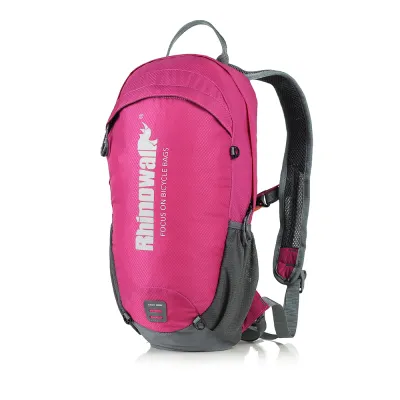
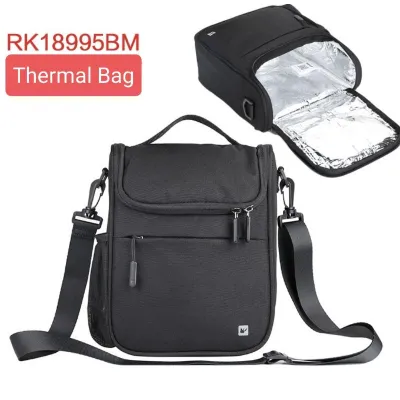
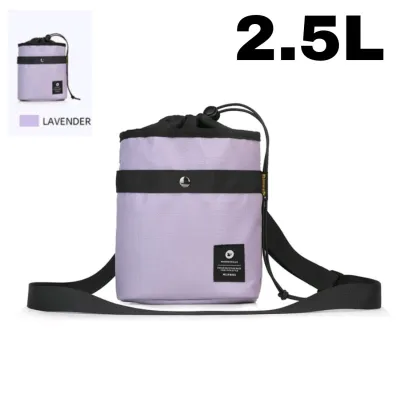
Prices are valid at publication and may change. Please refer to the product page for the latest price.
Start by measuring the interior clearance of your frame triangle if you are considering a frame bag. Take note of the positions of your bottle cage mounts, external cable routing, and any rear suspension linkages that might reduce the available space.
For panniers, inspect your bicycle for rear or front rack compatibility. Look for dedicated mounting eyelets near the rear dropouts and seatstays, and verify the rack manufacturer’s maximum weight limits to ensure they can support your daily load.
Finally, categorize your daily commuting cargo into three main groups: small essentials like keys and phones, work gear such as laptops and a change of clothes, and essential repair tools. This categorization establishes your baseline volume requirement and guides you toward the correct bag category.
Comparing Bag Types for Park Connector Network Rides
The Park Connector Network features paved, flat surfaces but requires frequent stops, navigation around pedestrians, and negotiation of shared paths. Choosing the right bag type ensures your cargo remains secure without disrupting your balance or steering on these active routes.

Frame Bags for Streamlined Essentials
Frame bags position your gear directly within the main triangle of your bicycle, keeping the center of gravity low and centered. This placement is ideal for maintaining stable handling on winding PCN paths, especially when carrying flat, heavy items like portable power banks, wallets, and tools.
However, you must check the width of the bag when fully packed to prevent knee strikes while pedaling. On smaller frame sizes, a packed frame bag can bulge outward, causing uncomfortable friction against your legs.
Additionally, inspect the strap placement of the bag against your frame. Ensure the hook-and-loop fasteners do not pinch exposed gear cables, rub excessively against your frame’s paintwork, or interfere with the folding hinges of a folding bicycle.
Panniers for Laptops and Heavy Work Gear
If your daily commute involves carrying a laptop, office shoes, and a fresh change of clothes, a rear pannier bag provides the necessary volume and structure. These bags mount directly to a rear rack, keeping the weight off your back to prevent excessive sweating in Singapore’s humid climate.
When selecting a pannier, verify that the mounting hooks are adjustable to fit your specific rack tubing diameter. You must also adjust the bag’s horizontal position on the rack to ensure adequate heel clearance, preventing your shoes from striking the bag with every pedal stroke.
Look for models featuring a secure quick-release mounting system and an integrated padded laptop sleeve to protect your electronics from road vibrations. A detachable shoulder strap is also highly beneficial, allowing you to convert the pannier into a convenient carry-on bag once you arrive at the office.
Saddle Bags for Minimalist Repair Kits
For commuters who prefer to keep their bicycle lightweight and only need to carry emergency repair tools, a saddle bag is the most efficient option. These bags tuck neatly beneath your saddle rails, keeping your frame clear and maintaining a streamlined profile.
Before purchasing, measure the distance between your saddle rails and the top of your rear tire. You must ensure there is sufficient clearance to prevent the bag from sagging and rubbing against the tire when riding over speed bumps or uneven path transitions.
Look for saddle bags with robust internal compartments or elastic loops to secure your multi-tool, tire levers, and spare inner tubes. Proper internal organization prevents these heavy metal items from rattling loudly and shifting weight during your ride. Ensure the mounting straps wrap tightly around both the saddle rails and the seat post to eliminate annoying side-to-side sway.
Handlebar Bags for Quick-Access Items
Handlebar bags position your gear directly in front of you, making them excellent for items you need to access quickly, such as your phone, a map, or small snacks. This setup is highly convenient for navigating unfamiliar sections of the PCN.
You must verify that the bag’s mounting straps or brackets are compatible with your handlebar diameter and leave enough room for your brake levers, gear shifters, and front safety lights. A poorly positioned handlebar bag can pinch housing cables or block your headlight’s beam.
Keep in mind that adding weight to your handlebars directly affects steering responsiveness, making the front end feel heavier at slow speeds. For quick access, zippered openings are convenient, but a roll-top closure offers superior protection against sudden downpours.
Verifying Weather Protection and Material Durability
Singapore’s tropical climate is characterized by sudden, heavy downpours and consistently high humidity. When selecting a commuting bag, you must carefully evaluate the level of weather protection it offers to keep your electronics and spare clothes dry.
Do not confuse water-resistant coatings with fully waterproof construction. Water-resistant fabrics can withstand light drizzle for a short period, but heavy tropical rain will eventually penetrate the stitched seams. For reliable protection, look for bags constructed with fully waterproof materials, such as TPU or heavy-duty PVC, featuring high-frequency welded seams instead of traditional stitching.
The closure system also plays a critical role in keeping water out. Roll-top closures are highly reliable because they create a physical barrier that water cannot easily bypass, whereas waterproof zippers offer faster access but can degrade or leak over time if not properly maintained.
Finally, check the durability specifications of the bag’s fabric, often measured in denier (D). A higher denier rating indicates a thicker, more abrasion-resistant material. Look for bags with reinforced base panels, as these areas experience the most wear and tear when placing the bag on concrete surfaces or public transport floors during a multi-modal commute.
Final Compatibility and Safety Checks Before Purchase
Before finalizing your purchase, you must perform a thorough compatibility check with your existing bicycle accessories. Ensure that the bag’s mounting straps or hooks do not interfere with your mudguards, kickstand operation, or rear child seats.
Safety is paramount when riding on shared PCN paths, especially during early morning or evening commutes. Verify that the bag features highly visible reflective elements on the rear and sides. Additionally, look for dedicated attachment loops that allow you to clip on auxiliary safety lights, ensuring you remain visible to other path users.
Lastly, always review the manufacturer’s maximum load limits for both the bag and your bicycle’s components. Overloading a handlebar bag or a rear rack can severely compromise your bicycle’s handling, increase braking distances, and put undue stress on your frame, leading to potential equipment failure.
Frequently Asked Questions (FAQ)
Can I use a frame bag on a step-through or folding bicycle?
Step-through and folding bicycles often lack the traditional top tube required to mount a standard triangular frame bag. If you ride this type of bicycle, you can look for specialized, compact frame bags designed to mount vertically along the seat tube or use alternative mounting adapters. For folding bicycles, you must carefully check that the bag does not block the folding hinges or interfere with the quick-release clamps. Always test the folding mechanism slowly after mounting any bag to ensure it can fold completely without pinching the fabric or damaging the frame.
Do I need a fully waterproof bag if I only commute on dry days?
Even if you plan to commute only when the weather forecast is clear, Singapore’s tropical weather remains highly unpredictable. Sudden afternoon showers can occur without warning, and road splash from wet PCN surfaces can quickly soak the underside of your bags. Additionally, high ambient humidity can cause moisture to build up inside less breathable, water-resistant fabrics. If you choose a water-resistant bag instead of a fully waterproof one, it is highly recommended to pack your sensitive electronics and clothes inside separate lightweight dry bags or waterproof internal liners to ensure they remain dry.
Community discussion
Share your experience or ask a question. Comments are reviewed before publication.