
To find the right size and capacity for your bicycle frame bag, you must match the physical dimensions of your bike’s front triangle with your specific storage needs. A bag that is too large will bulge, rub against your knees, or interfere with your water bottles, while a bag that is too small wastes valuable carrying capacity. By taking precise measurements of your frame’s inner tubes and evaluating what you plan to carry, you can select a bag that fits securely and preserves your bicycle’s handling characteristics.
Assess Your Bicycle Frame Geometry and Clearance
Determining the physical limits of your bike’s front triangle is the first step in choosing a frame bag. To start, use a flexible measuring tape to measure the inside edges of your top tube, down tube, and seat tube. Be sure to measure the actual open space, keeping clear of frame welds, gussets, or cable ports that might reduce the usable area. These three measurements will give you the basic triangular dimensions needed to compare against manufacturer sizing charts.
Clearance during active riding is just as important as static fit. A fully loaded frame bag can bulge outward, especially if packed with bulky items. You must ensure the bag’s width does not interfere with your knees while pedaling, which can cause discomfort during long rides along the Park Connector Network or on road routes. Additionally, check that the front of the bag does not restrict the movement of your fork or rub against the front wheel when making sharp turns.
Products mentioned in this guide
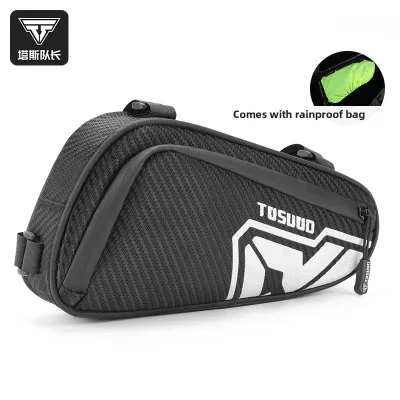
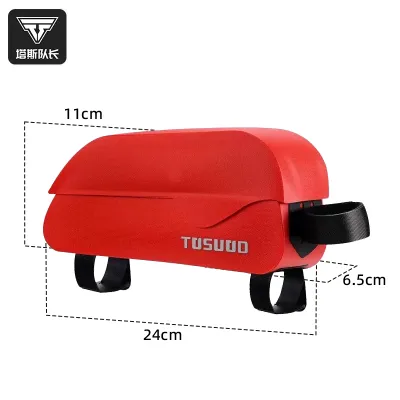
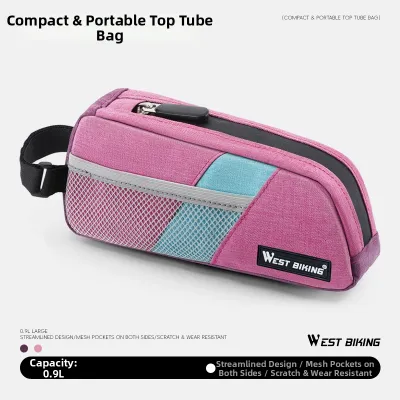
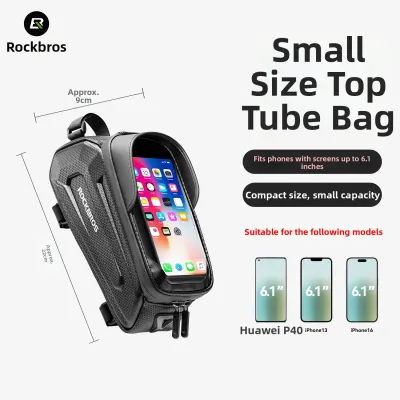
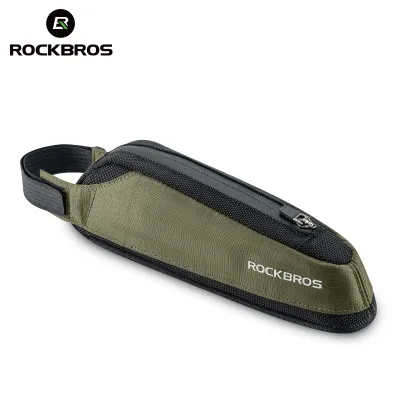
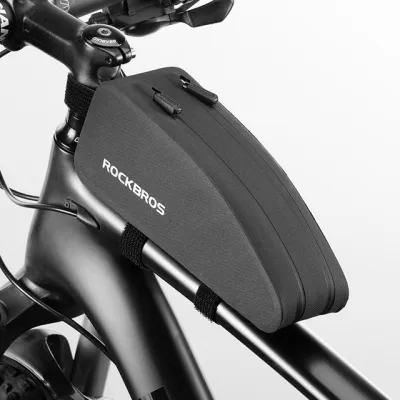
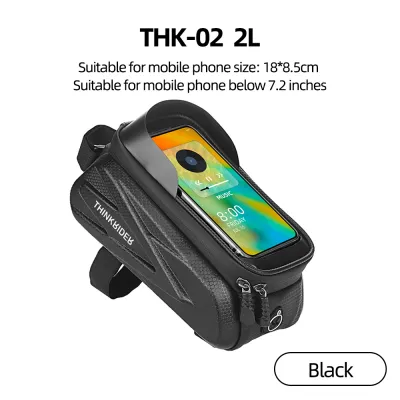
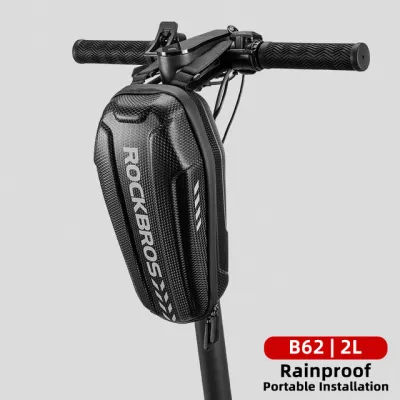
Prices are valid at publication and may change. Please refer to the product page for the latest price.
Existing frame hardware can also complicate bag installation. Identify the locations of your bottle cages, internal cable routing ports, and brake hoses. A full-frame bag will completely cover your bottle cages, requiring you to find alternative hydration storage or use a hydration bladder inside the bag. If you choose a half-frame bag, verify that you have enough vertical clearance to slide your water bottles in and out, which often requires switching to side-loading bottle cages.
Define Your Storage Needs Based on Ride Type
Your typical riding style and duration dictate the volume and organization features your frame bag should have. For short recreational rides or daily commutes, a compact half-frame bag with a capacity of 1.5 to 3 liters is usually sufficient. This size easily accommodates essential items like a multi-tool, spare inner tube, tire levers, keys, and small snacks, while leaving your bottle cages fully accessible.

For multi-day bikepacking trips or self-supported touring, a full-frame bag with a capacity of 4 to 8 liters or more is highly beneficial. This larger volume allows you to carry heavier, denser gear such as camp stoves, tent poles, spare clothing, and large water bladders. Utilizing this central space keeps the bike’s center of gravity low, which significantly improves stability and handling on technical terrain compared to overloading your handlebars or seat post.
Access style is another key consideration when evaluating storage. Top-opening zippers or roll-top closures are excellent for retrieving items quickly while on the move, such as snacks or a windbreaker. Side-opening panels, often featuring dual zippers and internal dividers, are better suited for organizing heavier tools and gear that you only need to access when stopped. When packing, always place your heaviest items at the very bottom of the bag, close to the bottom bracket, to maintain balanced handling.
Evaluate Frame Bag Styles and Fit Options
When selecting a frame bag, you will generally choose between universal-fit, semi-custom, and fully custom designs. Universal-fit bags are widely available and use adjustable hook-and-loop straps or lace-up systems to secure the bag to various frame shapes. These bags are highly versatile, allowing you to swap them between different bicycles in your collection, though they may leave some unused gaps in your front triangle.
Custom-fit bags are tailored to the exact dimensions of your specific bike frame. While they maximize every square centimeter of storage space and offer a clean aesthetic, they are typically more expensive and cannot be easily transferred to another bike. Semi-custom bags offer a middle ground, designed to fit popular frame categories like gravel bikes or hardtail mountain bikes with reasonable accuracy.
Regardless of the style you choose, inspect the strap placement and attachment methods carefully. Look for bags with modular or movable straps so you can position them away from cable stops, front derailleur clamps, or frame protection decals. The materials should also match your riding environment; look for durable, water-resistant fabrics such as ripstop nylon or laminated sailcloth, along with robust, sealed zippers to protect your gear from sudden tropical downpours.
Test Fit and Finalize Your Selection
Before making a final purchase, it is highly recommended to perform a physical test fit using a simple cardboard template. Draw the exact dimensions of the frame bag you are considering onto a piece of cardboard or heavy paper and cut it out. Place this template inside your bike’s front triangle to visually confirm how the bag will fit alongside your water bottles, cables, and suspension components.
This physical mockup allows you to cross-reference the manufacturer’s sizing charts with real-world clearance. Pay close attention to the width of the bag when filled; if the template suggests a tight fit near your knees, you may want to look for a slimmer model. If your bike has a compact frame geometry, a small frame size, or a full-suspension design, you might find that a standard frame bag severely limits your bottle access or does not fit at all.
If space inside your front triangle is too restricted, consider alternative or complementary storage solutions. Top tube bags, which mount on top of the top tube behind the stem, offer easily accessible storage for small electronics and snacks. Handlebar bags and seat packs can carry larger, lighter items like sleeping gear or spare clothing, allowing you to reserve the limited frame space for heavy tools or water.
Frequently Asked Questions (FAQ)
Will a frame bag scratch my bicycle's paint?
Yes, a frame bag can scratch your bicycle’s paint if grit, dust, or mud gets trapped between the straps and the frame. As you ride, the natural movement of the bag creates friction, acting like sandpaper against the finish. To prevent this, apply clear protective tape or frame protection decals to all contact points on your frame before mounting the bag. Additionally, ensure the straps are pulled tight to minimize shifting, and regularly clean both the frame and the back of the bag’s straps after riding in dusty or muddy conditions.
Can I use a frame bag on a full-suspension mountain bike?
Yes, you can use a frame bag on a full-suspension mountain bike, but you must choose a model specifically designed for compact triangles and moving suspension linkages. Before riding, compress your rear suspension fully to ensure the bag does not interfere with the rear shock, pivot points, or tire clearance. Avoid routing mounting straps directly over moving suspension pivots, as this can restrict suspension travel or damage the straps. Many riders opt for specialized, smaller wedge-shaped bags that fit neatly in the remaining open space of a full-suspension frame.
How do I keep my phone accessible while using a frame bag?
To keep your phone accessible, look for a frame bag that features a dedicated, easy-access side pocket or an integrated top-tube compartment. Some bags include a clear, touchscreen-compatible sleeve on the top surface, allowing you to view navigation maps without removing the phone. If you prefer to keep your phone inside the main compartment to protect it from the elements, look for a bag with an integrated cable routing port. This allows you to run a charging cable from an internal power bank to your phone mounted on your handlebars while riding.
Community discussion
Share your experience or ask a question. Comments are reviewed before publication.