
A standard mini stepper machine typically occupies a compact footprint of about 30 cm by 50 cm, making it an exceptionally space-efficient cardio option for a Singapore HDB flat. However, fitting one into a shared living room without creating clutter requires looking beyond the physical base of the machine. You must account for active clearance zones, vertical movement, and storage strategies to ensure your workout routine does not disrupt daily household traffic or compromise safety.
In a typical HDB layout, the living room serves multiple purposes, acting as a dining area, a workspace, and a relaxation zone. Choosing the right size requires balancing the physical dimensions of the machine with your personal height, stepping style, and storage habits. By focusing on exact measurements and clearance requirements, you can maintain an active lifestyle at home without sacrificing valuable common space.
Measuring Your Living Room Space and Clearance Needs
Before purchasing any fitness equipment, you must accurately assess your living room’s usable floor area. The static footprint of a mini stepper machine is deceptively small, but the active zone required during a workout is significantly larger. When you step, your body moves dynamically, requiring a clear floor area that extends at least 50 cm beyond the machine on all sides. This buffer zone prevents your feet, knees, or hips from striking nearby furniture, coffee tables, or TV consoles during a workout.
Products mentioned in this guide
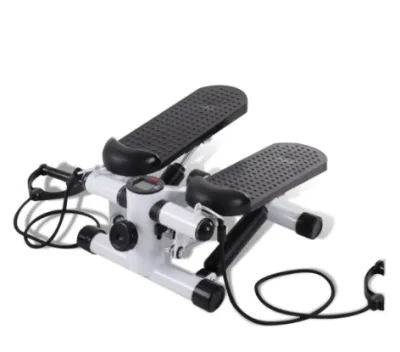
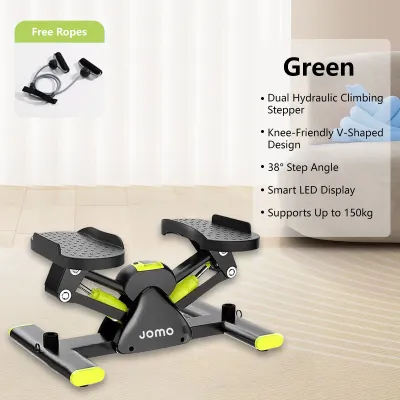
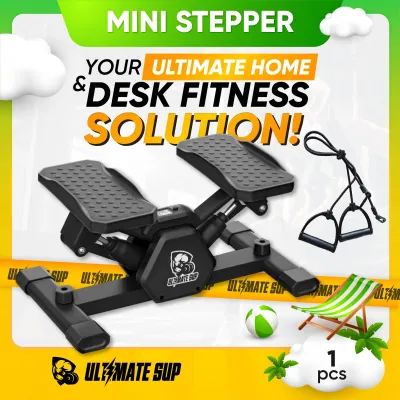
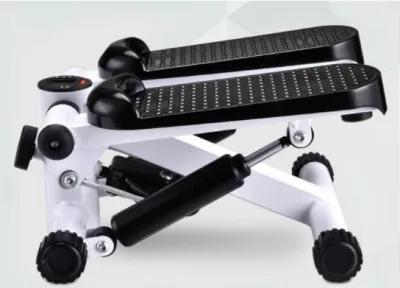
Prices are valid at publication and may change. Please refer to the product page for the latest price.
If you plan to use resistance bands or swing your arms naturally for balance, your active width requirement increases. Ensure there is enough lateral clearance so your hands do not clip walls, shelving, or standing lamps. Measuring this active zone beforehand prevents you from having to rearrange your entire living room every time you want to exercise.
Vertical space is another critical factor that is often overlooked. When you stand on a mini stepper, you are elevated by 15 cm to 30 cm depending on the pedal height at its peak. If you are tall or have low false ceilings, verify that your head will not come too close to ceiling fans, light fixtures, or air conditioning units. This is especially critical if you choose a model with a high-stepping motion or integrated handlebars.
Finally, check the pathway widths and traffic flow in your flat. Avoid placing the stepper in high-traffic corridors, directly in front of the main door, or blocking access to the kitchen or bedrooms. Ensure that even when the machine is set up, family members can walk past comfortably without having to squeeze or step over the equipment.
Comparing Mini Stepper Footprints and Design Profiles
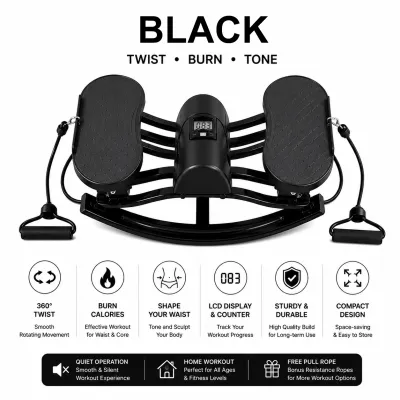
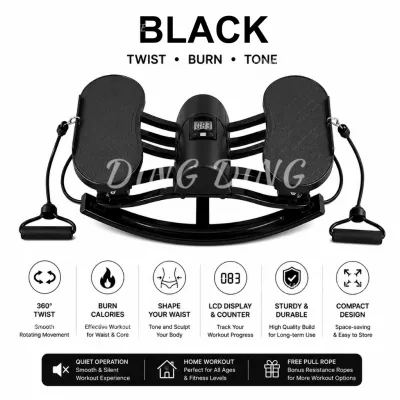
Standard mini steppers are highly compact, often resembling a simple pair of pedals on a small metal frame. Twist steppers, which move in a slight lateral or diagonal motion, sometimes require a slightly wider base to accommodate the side-to-side swing. Models with attached handlebars naturally demand more vertical and horizontal space, as the frame extends upward and often flares outward at the grips.

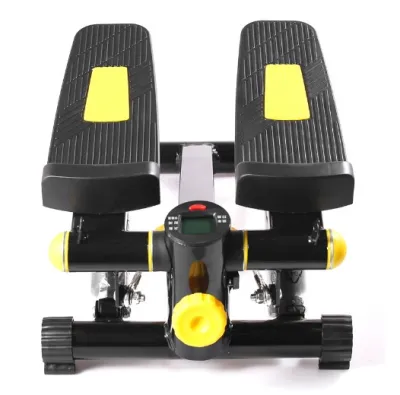
The height of the machine during active use varies. Some models allow you to adjust the step height via a knob. A higher step height increases your vertical travel, which requires more overhead clearance but can offer a more intense workout. Conversely, a shallower step height keeps your profile lower, which is ideal for rooms with lower ceilings or hanging light fixtures.
Never rely solely on generic marketing terms like “ultra-compact” or “space-saving.” Always check the product manual or official specifications for the exact length, width, and height in centimeters. Compare these dimensions against your measured floor space before making a purchase. This verification step ensures you do not buy a machine that is unexpectedly bulky or too small for your foot size.
Planning for Storage and Multi-Use Living Areas
If you do not want your mini stepper machine to be a permanent fixture in your living room, look for models designed for easy storage. Some units feature detachable handlebars or folding mechanisms that allow the frame to collapse. A flat, low-profile base is highly desirable, as it allows you to slide the machine under a sofa, a TV console, or a bed when your workout is complete.
A stepper that is too heavy will likely end up sitting in the middle of the room permanently. Check the machine’s weight in the specifications. A weight of 6 kg to 9 kg is generally manageable for most users to lift and carry short distances. Look for built-in carrying handles or lightweight frames if you plan to move the equipment between the living room and a storage closet daily.
Consider how the machine looks when left out. Brightly colored fitness equipment can clash with a minimalist or modern HDB interior, making the space feel cluttered even if the physical footprint is small. Choosing neutral colors like black, grey, or white can help the machine blend into the background, maintaining a clean and cohesive living environment.
Verifying Stability and Weight Limits in Compact Models
Compact size should never come at the expense of safety. Always verify the manufacturer’s stated maximum weight capacity against your own weight. A frame that is too light or poorly constructed may flex, squeak, or fail under load. Ensuring the machine is rated for your weight category prevents premature wear and mechanical issues.
Look for a mini stepper machine with a wide, stable base and robust non-slip rubber feet. The rubber feet prevent the machine from sliding across the floor during vigorous stepping sessions, which is crucial for maintaining balance. A wider base stance provides better lateral stability, reducing the risk of the machine tipping sideways when you shift your weight.
While an extremely small stepper is easy to store, it may have smaller pedals or a narrower base. Users with larger feet might find small pedals uncomfortable or unstable. Additionally, ultra-compact models may use smaller hydraulic cylinders that heat up quickly, limiting your continuous workout time. Balance your need for a small footprint with the structural stability required for a safe and effective workout.
Common Space-Planning Mistakes to Avoid
A common mistake is assuming all mini steppers are identical in size. Even a difference of 5 cm in width or length can determine whether a machine fits under your specific sofa or inside a particular cabinet. Always measure your intended storage space and compare it directly to the product’s folded or flat dimensions.
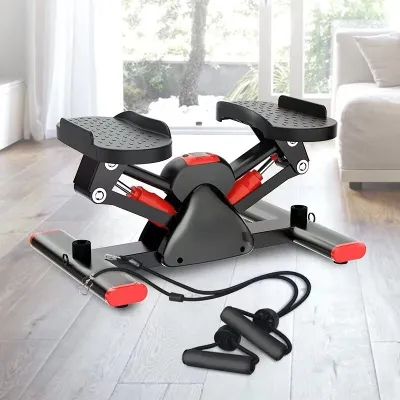
If your stepper comes with resistance bands, you must account for the space needed to stretch them. Pulling the bands outward or upward requires additional lateral and vertical clearance. Failing to plan for this can result in hitting nearby walls, furniture, or light fixtures during your workout.
Hydraulic cylinders on mini steppers generate heat during use. Placing the machine too close to walls, heavy curtains, or sensitive electronics can restrict airflow and cause the cylinders to overheat, which may degrade the hydraulic fluid and shorten the machine’s lifespan. Keep the stepper in a well-ventilated area with clear space around the base to allow heat to dissipate safely.
Frequently Asked Questions (FAQ)
Can I use a mini stepper directly on a laminate or vinyl floor?
Using a mini stepper machine directly on laminate or vinyl flooring is not recommended. The repetitive downward force and slight shifting of the machine can scratch, scuff, or dent these surfaces over time. Additionally, check your flooring warranty or building guidelines, as some materials are sensitive to concentrated pressure and friction.
To protect your floor and reduce noise, place a dense, non-slip equipment mat underneath the stepper. A dedicated mat helps distribute the machine’s weight, prevents slipping, and dampens the operational vibrations and mechanical noise, which is especially important for maintaining good relations with your downstairs neighbors in an HDB block.
Does a mini stepper with handlebars take up significantly more space?
Yes, a mini stepper with fixed handlebars has a much larger spatial impact than a standard model. The handlebar frame increases the overall height of the machine, making it highly visible and difficult to store under low furniture. It also increases the visual clutter in a small living room, as it cannot be easily tucked away out of sight.
If you require handlebars for balance or support but have limited space, look for models with detachable or folding handlebars. These designs allow you to enjoy the stability of a handlebar during your workout while retaining the ability to collapse or disassemble the frame for compact storage in a closet or under a bed.

Community discussion
Share your experience or ask a question. Comments are reviewed before publication.