
Finding the right pair of Speedo goggles for men requires matching the lens type, gasket material, and frame profile to your specific swimming environment. Whether you are training in an outdoor public pool in Singapore, preparing for a competitive race, or enjoying a casual weekend swim, your choice of eyewear directly impacts your comfort and performance. There is no single model that suits every swimmer; instead, the ideal selection depends on your facial structure, training frequency, and the lighting conditions of your venue.
Selecting the wrong pair can lead to persistent leaks, fogged lenses, or painful pressure marks around your eyes. By understanding how different designs cater to specific activities, you can make an informed decision that enhances your time in the water. This guide breaks down the primary categories of Speedo goggles, the essential features to evaluate, and how to ensure a secure, comfortable fit for your swimming routine.
Understanding Your Swimming Needs
Before browsing the retail shelves or online marketplaces, evaluate where and how often you swim. Swimmers who train under the intense tropical sun of outdoor pools require different lens specifications than those who practice in indoor facilities under bright fluorescent lights. The duration of your sessions also dictates the level of cushioning you need around your eyes.
Products mentioned in this guide
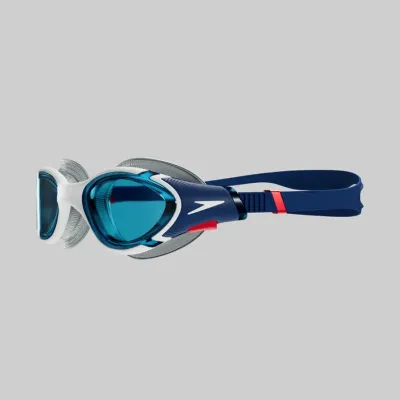
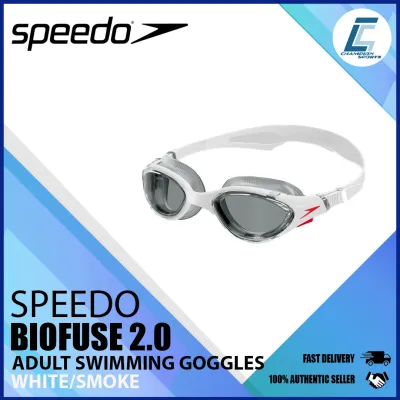
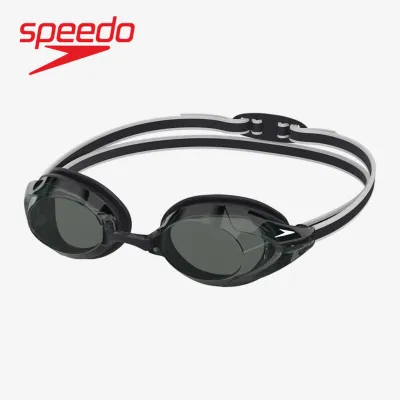
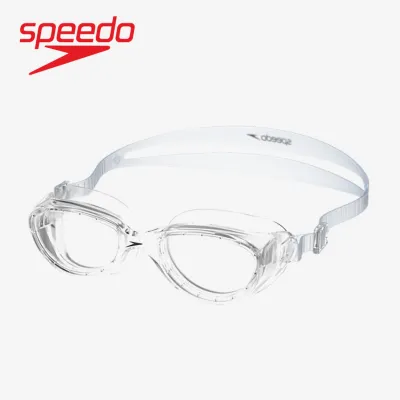
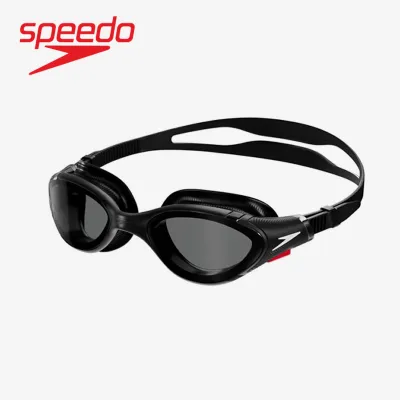
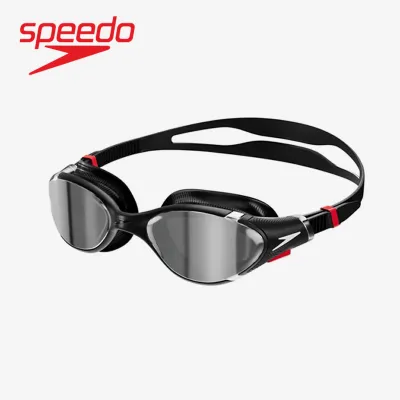
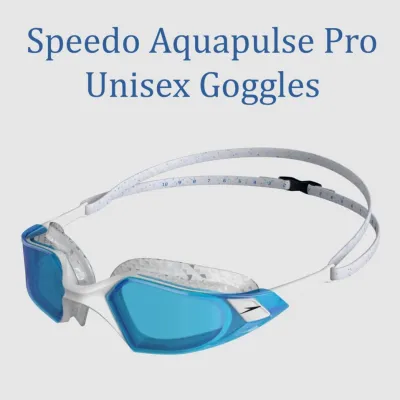
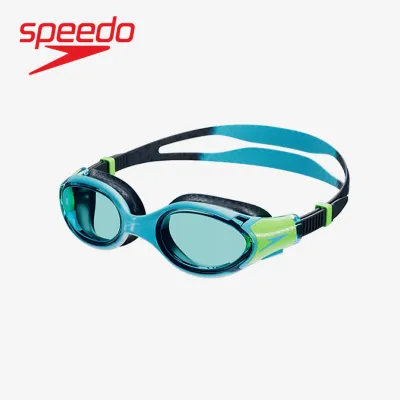
Prices are valid at publication and may change. Please refer to the product page for the latest price.
If you swim multiple times a week for fitness, durability and long-term comfort are your primary concerns. For occasional leisure swimmers, ease of adjustment and a soft, pressure-free fit take precedence. Competitive athletes, on the other hand, must prioritize hydrodynamics and a secure seal that can withstand the force of a dive. Understanding these personal parameters helps narrow down the extensive Speedo lineup to the options that will serve you best.
Additionally, consider your individual facial anatomy. The distance between your eyes, the depth of your eye sockets, and the width of your nasal bridge all influence how a goggle frame sits on your face. A model that fits a lane partner perfectly might leak on you, highlighting the importance of personal fit over general popularity.
Speedo Goggle Categories by Activity
Speedo organizes its eyewear collection into distinct categories tailored to specific aquatic pursuits. By aligning your primary swimming activity with the corresponding category, you can ensure that the goggles you choose possess the necessary design elements for your sport.

Competition and Racing
Racing goggles are engineered with a low-profile design to minimize water resistance and drag. These models, such as the Speedo Fastskin or Socket series, sit tightly within the eye socket to ensure they remain secure during high-speed starts, dives, and flip turns. The gaskets are typically thin, rigid, or made of hard materials to maintain their shape under hydrodynamic pressure.
While these features are excellent for shaving fractions of a second off your lap times, they often sacrifice long-term comfort. The tight, socket-based fit can cause pressure points during extended use, making them less suitable for long training sessions. Swimmers should verify that they have the technical skill to adjust these low-profile straps correctly, as improper tension can lead to water leakage or discomfort during a race.
Furthermore, racing models often feature a highly streamlined strap system, sometimes with a tension scale printed directly on the silicone. This allows competitive swimmers to replicate their preferred tightness precisely on race day. If you choose a racing model, practice wearing it during high-intensity training sets to ensure you are accustomed to the firmer fit before your competition.
Lap Training and Fitness
For the everyday fitness swimmer, training goggles offer a balanced combination of comfort, durability, and visibility. Models in this category, such as the Speedo Vanquisher or Hydrospex series, feature thicker silicone gaskets that distribute pressure more evenly around the orbital bone. This design allows you to swim laps for an hour or more without experiencing severe discomfort or deep red marks.
These hybrid options often incorporate wider lenses to provide better peripheral vision, helping you stay aware of other swimmers in your lane. The straps are typically made of durable, high-grade silicone designed to withstand daily exposure to chlorine and pool chemicals. When selecting a training model, look for adjustable nose bridges that allow you to customize the distance between the lenses to match your facial structure.
Because fitness training involves repetitive movement and varying intensities, these goggles must remain secure without requiring constant readjustment. A double silicone strap that splits at the back of the head is common in this category, providing a stable anchor point that prevents the goggles from sliding down during flip turns or vigorous sets.
Casual and Leisure Swimming
If your pool time consists of recreational swimming, family outings, or light water aerobics, leisure goggles are the most practical choice. These models prioritize a soft, cushioned fit over hydrodynamic performance. They often feature larger frames, sometimes resembling small swim masks, which distribute suction over a wider surface area of the face.
Leisure goggles are designed for easy on-and-off wear, utilizing simple strap adjustment mechanisms that do not require complex tension calculations. The lenses are generally flat and clear, providing straightforward, undistorted vision for casual pool activities. While they are not built for high-speed turns or intense training, their user-friendly design makes them highly accessible for recreational swimmers.
The softer, wider gaskets used in leisure models are also highly forgiving for swimmers who find traditional, socket-style goggles claustrophobic. They exert less direct pressure on the delicate skin around the eyes, making them an excellent choice for relaxed, low-impact water activities where speed is not a factor.
Essential Features to Evaluate
When comparing different Speedo models, several key technical features warrant close inspection to ensure they meet your environmental and physical requirements.
Lens color and coating are critical for visibility and eye protection. Mirrored lenses are highly effective at reflecting bright light and reducing glare, making them the preferred choice for outdoor pools under the bright Singapore sun. Tinted or smoke lenses offer a similar glare-reduction benefit in moderate outdoor light or highly illuminated indoor pools. Clear lenses provide maximum light transmission, which is ideal for early morning swims, evening sessions, or dimly lit indoor facilities. Polarized lenses, which filter out horizontal light waves, are particularly useful for open-water swimmers who need to navigate surface glare.
The gasket material determines how the goggles seal against your skin. Liquid silicone gaskets are highly flexible, hypoallergenic, and conform easily to various face shapes, providing a reliable seal with minimal tension. Thermoplastic rubber (TPR) gaskets offer a slightly firmer seal, which can be beneficial for maintaining structure during active swimming. Always check the manufacturer’s material specifications if you have sensitive skin or specific material allergies.
Nose bridge design is another vital factor in achieving a leak-free fit. Many Speedo models come with interchangeable nose pieces of varying widths, allowing you to adjust the frame to the exact width of your nasal bridge. Other models feature a flexible, self-adjusting nose bridge that stretches to fit your face automatically. If you have a prominent or narrow nose bridge, interchangeable options generally provide a more reliable, customized fit.
Finally, evaluate the strap adjustment mechanism. Some goggles feature side clips that allow for quick adjustments while wearing them, while others use a rear buckle that requires you to take the goggles off to change the tension. Choose a system that matches your preference for convenience versus a streamlined profile.
Ensuring the Right Fit and Comfort
A proper fit is the most important factor in preventing leaks and ensuring a comfortable swim. To determine if a pair of goggles fits your face shape, perform a simple suction test before adjusting the straps.
Press the goggle lenses gently against your eye sockets without placing the strap over your head. If the goggles stick to your face and maintain a seal for a second or two before releasing, the frame shape is a good match for your facial structure. If they fall off immediately, air is escaping through a gap, indicating that water will likely leak in during your swim.
Once you establish a good seal, adjust the strap tension. The strap’s purpose is to hold the goggles in place, not to create the seal through sheer force. Over-tightening the straps can warp the gaskets, causing leaks rather than preventing them, and can lead to headaches or eye strain. The strap should rest comfortably flat against the back of your head, split slightly to distribute pressure evenly.
If you experience leaking during your swim, do not immediately tighten the strap. Instead, check the alignment of the nose bridge. A nose bridge that is too wide will cause the outer corners of the goggles to lift, while one that is too narrow will pull the inner corners away from your skin. Adjusting the nose bridge width is often the key to resolving persistent leaks.
Care and Maintenance for Longevity
Proper maintenance is essential to preserve the integrity of your goggles and extend the life of their anti-fog coatings. Chlorine, salt, and body oils can degrade silicone gaskets and cloud lenses over time if not managed correctly.
After every swim, rinse your goggles thoroughly with clean, cold tap water to remove pool chemicals or salt. Avoid using hot water, as high temperatures can warp the silicone frame and damage the lens coatings. Never use soap, dishwashing liquid, or abrasive cleaners on the lenses, as these substances will strip away the factory-applied anti-fog layer.
Allow your goggles to air dry completely in a shaded, well-ventilated area before storing them. In humid environments like Singapore, leaving damp goggles in a closed swim bag can encourage mold growth and degrade the materials. Avoid leaving them in direct sunlight, such as on a balcony or car dashboard, as UV exposure and extreme heat can dry out and crack the silicone straps and gaskets. Store them in a soft protective pouch to prevent the lenses from scratching against other gear in your bag.
Additionally, avoid touching the inside of the lenses with your fingers, towels, or cloths. The anti-fog coating is highly delicate, and even a soft microfiber cloth can scratch or rub it off. If you must clean the outer surface of the lenses, use a specialized lens cleaning cloth and handle the goggles only by the frame or straps.
Frequently Asked Questions (FAQ)
How do I know if my Speedo goggles are too tight?
If you experience headaches, localized pain around your eye sockets, or deep red indentations that persist for more than an hour after swimming, your goggles are too tight. The seal should rely on the suction of the gasket against your skin, not the tension of the strap. Loosen the strap incrementally until you find a balance where the goggles remain secure without causing discomfort.
Can I use training goggles for a casual swim?
Yes, training goggles are highly versatile and can easily be used for casual or leisure swimming. They offer excellent durability and a comfortable seal that is well-suited for relaxed pool sessions. While they may feature a slightly sleeker profile than dedicated leisure models, their high-quality silicone gaskets make them a comfortable option for any recreational activity.
What should I do if the anti-fog coating wears off?
When the factory anti-fog coating inevitably degrades, you can restore visibility by using a dedicated aftermarket anti-fog spray designed for swim goggles. Apply the spray according to the product instructions, rinse gently, and allow it to dry. Alternatively, applying a highly diluted drop of baby shampoo to the inside of the lens and rinsing it out before your swim can temporarily prevent fogging. Never rub or wipe the inside of the lenses with your fingers or a towel, as this can permanently scratch the plastic.

Community discussion
Share your experience or ask a question. Comments are reviewed before publication.