
Runners in Singapore face unique physical demands, from pounding the pavement along East Coast Park to navigating the undulating trails of MacRitchie Reservoir. The repetitive impact of running can lead to muscle tightness, joint stiffness, and postural imbalances that hinder performance and increase the risk of overuse injuries. While many athletes reach for standard foam rollers, the stretch pole has emerged as a highly effective tool specifically designed to address spinal alignment and deep myofascial release. Choosing the right stretch pole requires understanding how different materials, shapes, and densities interact with your body’s unique biomechanics and recovery goals. This guide will walk you through the essential factors to evaluate, helping you select a recovery tool that fits seamlessly into your training routine and withstands Singapore’s tropical climate.
Why Runners Use Stretch Poles for Recovery
Running is a linear, repetitive sport that places significant stress on the lower limbs and the spine. Over time, the fascia—the connective tissue surrounding muscles—can become tight and restricted, leading to reduced mobility and altered running mechanics. A stretch pole works by utilizing your body weight to apply targeted pressure to these restricted areas, facilitating myofascial release. This process helps restore tissue elasticity, improves local blood circulation, and promotes faster muscle recovery after intense training sessions.
Unlike shorter rollers, a full-length stretch pole allows you to lie along its length, supporting your entire spine from the head to the tailbone. This position encourages the chest to open and the shoulders to drop, directly counteracting the forward-leaning posture that runners often adopt when fatigued. By promoting passive spinal alignment, the pole helps decompress the vertebrae and relieve tension in the thoracic spine, which is crucial for maintaining an upright, efficient running posture.
Products mentioned in this guide

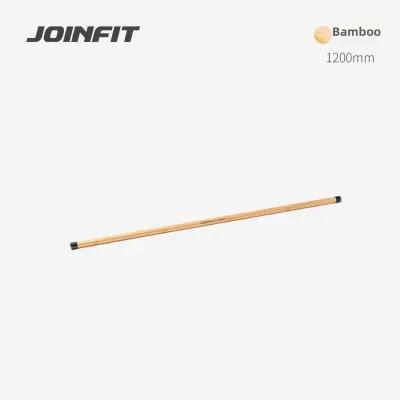


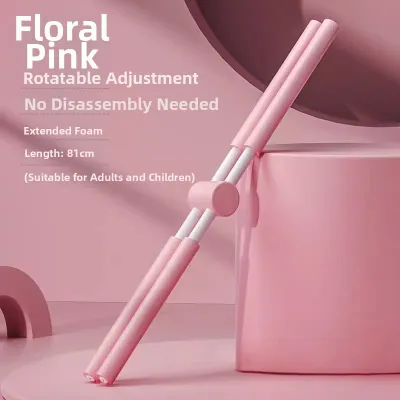
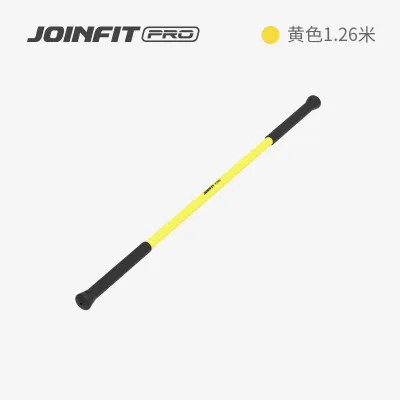
Prices are valid at publication and may change. Please refer to the product page for the latest price.
Runners frequently experience tightness in specific muscle groups, including the iliotibial (IT) band, calves, hamstrings, and glutes. The stretch pole provides a stable platform to address these areas systematically. For instance, rolling the calves on a pole can alleviate tension in the gastrocnemius and soleus muscles, which are heavily taxed during the push-off phase of your stride. Similarly, gentle mobilization of the thoracic spine helps maintain the rotational mobility required for proper arm swing and breathing efficiency.
It is important to distinguish stretch poles from other popular recovery tools like standard foam rollers or massage guns. Standard foam rollers are typically shorter and firmer, designed primarily for aggressive, localized muscle rolling rather than postural alignment. Massage guns offer rapid, percussive therapy that is excellent for targeting deep, localized knots but lacks the ability to stretch large muscle groups or support spinal decompression. A stretch pole bridges this gap by offering a longer, often more supportive surface that combines passive stretching with gentle, controlled myofascial release, making it a more holistic tool for overall structural recovery.
Key Features to Evaluate When Choosing a Stretch Pole
The density of a stretch pole determines how much it compresses under your body weight and how intensely you will feel the pressure. Beginners or runners with highly sensitive muscles should look for softer, more forgiving foam densities. A softer pole allows the body to relax into the stretch without triggering protective muscle guarding, which can defeat the purpose of recovery. Conversely, experienced runners or those with denser muscle mass may prefer a firm or high-density pole that can penetrate deeper tissue layers without flattening over time.

Length and diameter are critical structural dimensions that dictate how you can use the pole. A standard full-length stretch pole typically measures around 90 to 100 centimeters. This length is essential if you plan to lie along the pole vertically to align your spine, as it must support both your head and sacrum simultaneously. Shorter poles, ranging from 30 to 45 centimeters, are highly portable and excellent for targeted work on the calves or glutes, but they cannot be used for full spinal alignment exercises. The diameter, usually around 15 centimeters, provides the necessary height to allow your shoulders to drape over the sides, though smaller diameters are available for individuals seeking a lower profile and greater stability closer to the floor.
The texture of the pole’s surface influences both the grip and the type of sensory feedback you receive during use. Smooth stretch poles distribute pressure evenly across the muscle tissue, making them ideal for gentle, sliding movements and sensitive areas. Textured poles, featuring ridges, bumps, or grid patterns, are designed to mimic the hands of a massage therapist. These patterns can grip the skin and underlying fascia more effectively, allowing for targeted shear forces that help break up stubborn adhesions, though they may feel too intense for daily recovery or highly sensitive skin.
For runners who train at tracks, gyms, or travel frequently for races, the weight and portability of the pole are practical considerations. Lightweight foam poles are easy to toss into a car or carry in a sports bag, but they can be bulky to transport on public transit. If portability is a priority, look for hollow-core designs or modular, travel-sized options that offer a balance between structural integrity and ease of transport. However, ensure that any lightweight or hollow model still meets your weight capacity requirements to prevent warping during use.
Comparing Stretch Pole Shapes and Materials
Stretch poles generally come in two primary shapes: full-round and half-round. A full-round pole is a complete cylinder that rolls freely, offering a dynamic surface that challenges your core stability while allowing for deep, rolling massage movements. This shape is highly versatile but requires a certain level of balance and control. A half-round pole is flat on one side and curved on the other, providing a completely stable, non-slip base. This shape is excellent for beginners, individuals with balance concerns, or runners focusing purely on static spinal stretching and gentle chest-opening exercises without the rolling motion.
The material composition of the pole directly affects its durability, feel, and lifespan. Expanded Polyethylene (EPE) is a common, cost-effective foam that offers a softer feel, but it tends to lose its shape and compress permanently with heavy, long-term use. Ethylene-Vinyl Acetate (EVA) is a highly durable, resilient material that maintains its shape well, offering a slightly rubbery texture that grips the floor and skin comfortably. Expanded Polypropylene (EPP) is a very firm, lightweight plastic foam that provides intense pressure and exceptional durability, making it suitable for runners who prefer deep tissue work and require a pole that will not degrade under heavy loads. Hybrid cores, which combine a rigid inner tube with a softer outer foam layer, offer the best of both worlds by ensuring structural longevity while maintaining a comfortable contact surface.
Singapore’s tropical climate, characterized by high humidity and heat, places unique demands on sports equipment. Materials that are highly porous can absorb sweat, body oils, and ambient moisture, leading to rapid bacterial growth, unpleasant odors, and material degradation. When selecting a stretch pole for use in Singapore, prioritize non-porous, closed-cell foams like high-quality EVA or EPP. These materials do not absorb moisture, making them much easier to wipe down and sanitize after a sweaty post-run session. Additionally, check that the material is UV-resistant if you plan to use or store it in areas exposed to direct sunlight, as heat and UV rays can cause cheaper foams to become brittle and crumble.
How to Safely Use a Stretch Pole for Running Recovery
Before beginning any recovery session, perform a quick inspection of your stretch pole and your workout environment. Check the pole for any deep cracks, permanent warping, or soft spots that could compromise its structural integrity during use. Ensure that the floor surface is flat, clean, and non-slippery; using a yoga mat underneath the pole can provide excellent traction and prevent the pole from sliding out from under you. If you are using a full-round pole, clear the surrounding area of any sharp objects or furniture to prevent injury in case you lose your balance.
When using a stretch pole, the key is to move slowly and maintain controlled, deep breathing. To align your spine, sit on one end of a full-length pole and slowly lower your back until your entire spine and head are supported. Let your arms rest on the floor, palms facing up, to open your chest and shoulders. For targeted muscle release on the calves or glutes, position the muscle over the pole and use your arms to support your body weight as you slowly roll back and forth over the tight areas. Pause on particularly tender spots for 20 to 30 seconds, breathing deeply to allow the muscle to release.
While mild discomfort or a “good hurt” sensation is common during myofascial release, you must never push through sharp, shooting, or radiating pain. Avoid rolling directly over bony prominences, joints, or the lower back (lumbar spine), as the lack of rib cage support in these areas can place excessive stress on the vertebrae and internal organs. If you experience numbness, tingling, or bruising, stop using the pole immediately. Remember that recovery tools are meant to support your body, not replace professional medical advice; if you have persistent pain or an active running injury, consult a qualified physiotherapist before continuing use.
Purchasing and Maintenance in Singapore
Runners in Singapore have several options for sourcing high-quality stretch poles. Specialty running and sports stores often carry a curated selection of reputable brands, allowing you to feel the density and texture in person before purchasing. Major department stores and dedicated fitness equipment retailers also stock various models. For convenience, online e-commerce platforms and official brand stores offer a wide range of options, often accompanied by user reviews that can help you gauge long-term durability. When buying online, ensure you are purchasing from an authorized seller to avoid counterfeit products made from low-grade, toxic, or easily degradable foams.
The price of stretch poles in Singapore generally ranges from S$20 for basic, entry-level EPE models to over S$80 for premium, high-density EVA or hybrid-core poles. While a lower-priced pole may be tempting for occasional use, investing in a mid-range or premium option (typically between S$40 and S$70) often yields better value. These higher-priced poles utilize closed-cell, resilient materials that maintain their shape and hygiene standards over years of regular use, whereas cheap foams may need replacement within a few months due to flattening or odor retention.
Proper maintenance is essential to prolong the life of your stretch pole, especially in Singapore’s humid environment. After every use, wipe down the entire surface of the pole with a damp cloth and a mild, non-abrasive soap or a specialized sports equipment disinfectant spray. Avoid using harsh chemicals, bleach, or alcohol-based cleaners, as these can dry out and degrade the foam material. Allow the pole to air dry completely in a well-ventilated, shaded indoor area before storing it. Never store your pole in direct sunlight, near heat sources, or in damp, unventilated cupboards, as this can encourage mold growth and accelerate material breakdown.
Frequently Asked Questions (FAQ)
Can I use a stretch pole every day after running?
Yes, you can use a stretch pole daily, provided you focus on gentle stretching, spinal alignment, and light myofascial release. Daily use can help maintain flexibility and counteract the postural strain of running. However, avoid aggressive, deep-tissue rolling on the same muscle groups every day, as your muscles need time to recover from the pressure. If you feel persistent soreness or notice bruising, reduce the frequency and intensity of your sessions.
Is a stretch pole better than a foam roller for IT band pain?
A stretch pole is often a safer and more manageable tool for addressing tightness around the IT band. The IT band itself is a thick, fibrous band of tissue that should not be aggressively rolled with a hard foam roller, as this can increase inflammation. A stretch pole, particularly a softer or half-round model, allows you to gently target the surrounding muscles—such as the tensor fasciae latae (TFL) and glutes—without placing direct, painful pressure on the IT band itself.
How do I know if my stretch pole is too firm?
Your stretch pole is too firm if using it causes you to hold your breath, tense your muscles, or bruise. Effective myofascial release requires your body to relax; if the pressure is so intense that you are actively resisting it, your muscles will guard themselves, preventing any real benefit. If you find yourself grimacing or unable to breathe naturally, consider switching to a softer foam density or using a towel over the pole to cushion the pressure.
Community discussion
Share your experience or ask a question. Comments are reviewed before publication.