
Choosing the right swim bag is essential for maintaining a seamless swimming routine. Unlike standard backpacks or casual totes, a dedicated swim bag is engineered to handle the unique challenges of wet environments, chlorine exposure, and heavy gear. Whether you are a casual lap swimmer visiting local public pools, a competitive athlete training for meets, or an outdoor enthusiast heading to coastal beaches, your bag must balance capacity, comfort, and moisture management. Selecting the wrong style can lead to damp clothes, lingering odors, and damaged electronics, making it vital to match your bag to your specific routine.
Identify Your Swimming Environment and Needs
Your primary swimming venue dictates the type of bag that will serve you most effectively. In urban environments like Singapore, many swimmers rely on public transport, such as the MRT or buses, to reach ActiveSG pools or private fitness clubs. For these commuters, a compact, upright bag is highly practical, as it must fit easily into overhead racks, under seats, or within tight locker spaces without causing an obstruction to other passengers.
Competitive swimmers face a different set of demands. Training sessions and meets often require carrying multiple swimsuits, caps, goggles, warm-up apparel, and specialized training aids. These events can last several hours or even days, meaning the bag must serve as a mobile base camp with highly organized compartments for nutrition, hydration, and personal items.
Products mentioned in this guide
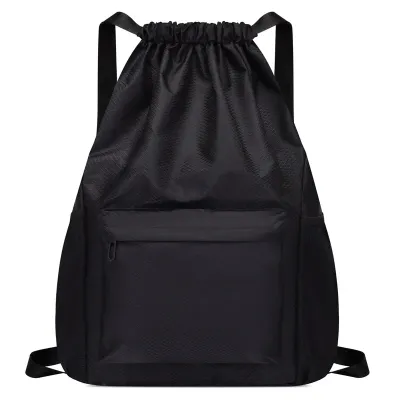
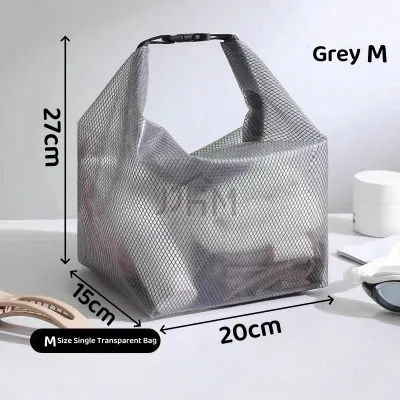
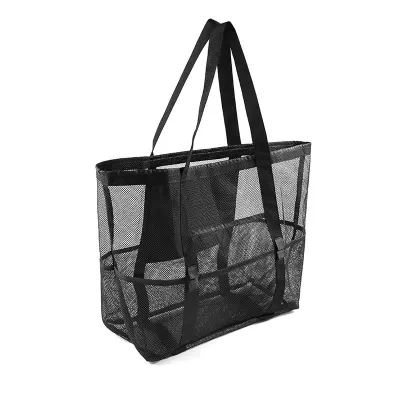


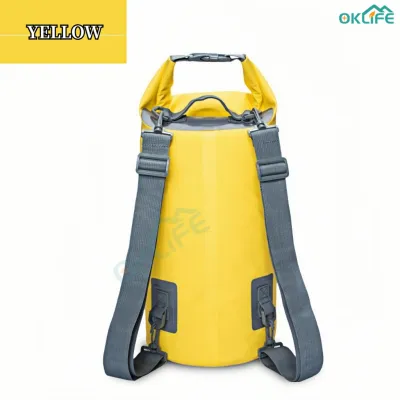

Prices are valid at publication and may change. Please refer to the product page for the latest price.
Swimming in open water, such as at East Coast Park or Sentosa, introduces elements like sand, salt water, and intense sun exposure. Bags used in these environments must be exceptionally rugged, easy to rinse clean, and resistant to UV degradation. Sand management is a primary concern, requiring bags that can shake out debris easily or feature sealed compartments to keep sand away from clean clothes.
Your method of transport also influences the ideal bag shape. If you cycle or walk to your swimming venue, a backpack with ergonomic shoulder straps and a chest clip helps distribute weight evenly across your torso. For those who drive, a large duffel bag that can sit flat in the car boot offers easy access to all your gear at once without worrying about vertical packing constraints.
Main Types of Swim Bags and Their Primary Uses
Different structural designs serve distinct swimming routines, making it important to understand the strengths and limitations of each category before making a decision.

Mesh Bags for Quick Draining
Mesh bags are characterized by their open-weave construction, which allows air to circulate freely and water to drain instantly. This design is highly effective for carrying wet training equipment such as kickboards, fins, hand paddles, and pull buoys. Because moisture does not pool inside, these bags help prevent the rapid buildup of mold and mildew on your gear.
However, the open nature of mesh means these bags offer minimal protection against external elements. If it rains during your commute, or if you place the bag on a wet pool deck, the contents will inevitably get wet. Furthermore, mesh bags provide no privacy for your personal items and lack secure, dry compartments for sensitive electronics like smartphones or smartwatches. They are best utilized as secondary organizers inside a larger, water-resistant bag.
Backpacks for Daily Pool Commutes
Swim-specific backpacks are the workhorses of daily lap swimmers. These bags are designed to sit vertically on your back, keeping your hands free and making them highly suitable for active commutes. They typically feature a reinforced, waterproof base that allows you to set the bag down on wet pool decks without moisture seeping upward into your dry belongings.
Organization is a major benefit of these backpacks. They often include dedicated wet compartments at the bottom or front, keeping damp swimwear completely isolated from dry clothes, work documents, or laptops stored in the main compartment. External mesh pockets are also common, providing a convenient spot to store water bottles or wet goggles so they can air dry on the go.
Duffel and Tote Bags for Travel and Beach Days
Duffel bags offer a high-capacity, wide-opening design that makes them excellent for multi-day swim trips, family outings, or carrying exceptionally bulky gear. The horizontal layout allows you to see all your equipment at a glance, eliminating the need to dig through layers of gear to find a specific item. Many swim duffels also feature convertible straps, allowing them to be carried as a backpack when needed.
Tote bags, on the other hand, provide a more casual, open-top design that is highly suited for leisure swimming and resort holidays. They allow for rapid packing and unpacking, making them ideal for beach days where you are frequently reaching for sunscreen, sunglasses, or a book. However, their open tops offer less security and minimal protection from sudden tropical downpours.
A key consideration with both duffels and totes is the potential for physical strain. Carrying a heavy, water-logged load over one shoulder can cause muscle imbalance and discomfort during long walks. To mitigate this, look for bags with wide, heavily padded shoulder straps, or opt for a convertible duffel that allows you to distribute the weight across both shoulders.
Essential Features to Evaluate
When shopping for a swim bag, look beyond basic aesthetics and focus on the functional specifications that distinguish dedicated aquatic gear from standard luggage.
Wet and Dry Separation
Effective wet and dry separation is the defining feature of a quality swim bag. This is typically achieved through internal dividers made of waterproof materials, such as polyurethane-coated nylon or heavy-duty vinyl. These compartments prevent moisture from migrating from your wet swimsuit and towel into the dry sections of your bag, protecting your clean clothes and electronics.
When evaluating a bag, inspect the seams of the wet compartment. High-quality bags feature taped or welded seams that block water from leaking through the stitching. Additionally, look for drainage grommets—small metal or plastic eyelets at the bottom of the wet pocket—which allow pooled water to escape rather than sitting inside the compartment.
It is important to check the manufacturer’s labels regarding water resistance. Many bags are marketed as water-resistant, which means they can repel light splashes or brief rain, but they are rarely fully waterproof or submersible. Do not submerge the bag in water, and always double-check that sensitive electronics are stored in a completely sealed, dry pocket away from damp gear.
Material Durability and Water Resistance
Swim bags must endure harsh environments, including exposure to chlorinated pool water, abrasive concrete decks, salt water, and intense UV rays. To ensure longevity, look for bags constructed from high-denier polyester or nylon blends, such as 600D polyester. These fabrics offer excellent tear resistance and do not degrade quickly when exposed to pool chemicals.
The base of the bag requires special attention, as it is frequently placed on rough, wet surfaces. A reinforced bottom made of tarpaulin, rubber, or heavy-duty thermoplastic polyurethane (TPU) provides a vital barrier against abrasion and moisture. This feature prevents the bottom of your bag from wearing out prematurely and keeps ground moisture from seeping inside.
Hardware durability is another critical factor. Metal zippers and clips can corrode rapidly when exposed to chlorine and salt water. Opt for bags with heavy-duty plastic zippers or those with specialized anti-corrosion coatings. Smooth-gliding, oversized zippers are also easier to operate when your hands are cold or wet after a long swim.
Ventilation and Odor Control
High humidity and damp gear create an ideal environment for mold, mildew, and unpleasant odors to develop. To combat this, quality swim bags incorporate ventilation features such as mesh panels, breathable linings, and ventilation grommets. These elements encourage airflow, helping to dissipate moisture and keep the interior of the bag fresher.
The design of the openings also plays a role in ventilation. Bags with wide-mouth openings or full-length zippers allow you to open the compartments completely when you return home, facilitating thorough air drying. Some bags also feature specialized antimicrobial treatments on the inner linings to help inhibit the growth of odor-causing bacteria.
However, it is crucial to understand that built-in ventilation is a preventative aid, not a complete solution. Leaving wet towels and swimwear inside a ventilated bag for extended periods will still result in mildew and odors. The bag’s ventilation features are designed to manage moisture during your commute, but you must still remove and wash your wet gear promptly.
Matching Capacity to Your Gear List
Selecting the right bag capacity requires a realistic assessment of your daily gear list. Swim bags are typically measured in liters, and choosing the correct volume ensures you have enough space without carrying unnecessary bulk. A bag that is too small will force you to cram wet and dry items together, while an oversized bag can be cumbersome to transport.
For minimalists or casual fitness swimmers who only carry swimwear, goggles, a cap, and a compact microfiber towel, a bag with a capacity of 15 to 20 liters is usually sufficient. This size is lightweight, easy to store in small lockers, and highly portable for quick trips to the local pool.
Regular lap swimmers who carry a standard cotton towel, a change of clothes, toiletries, and small training aids like hand paddles or a pull buoy will find the sweet spot in the 25 to 35-liter range. This capacity offers a balanced compromise, providing ample space for daily essentials while remaining compact enough for public transport commutes.
Competitive swimmers, coaches, and those who train with extensive gear—such as swim fins, kickboards, snorkels, and multiple changes of apparel—should look for bags with a capacity of 40 liters or more. These larger bags often feature external bungee cords, daisy chains, or deep side pockets designed specifically to secure awkwardly shaped training equipment to the exterior, preserving valuable internal space.
Pre-Purchase Checklist and Maintenance
Before purchasing a swim bag, perform a few physical checks to ensure its quality and suitability. Test the zippers to ensure they glide smoothly without catching on the fabric lining. Inspect the shoulder straps and back panel for adequate padding and breathable mesh, which are essential for comfort during warm, humid commutes. Check the stitching at high-stress points, such as where the straps attach to the bag, to ensure it is reinforced.
Proper maintenance is key to extending the lifespan of your swim bag. After swimming in chlorinated pools or salt water, wipe down the interior and exterior of the bag with a damp cloth and fresh water to remove chemical residues that can degrade the fabric over time. Always hang the bag completely open in a well-ventilated, shaded area to dry; avoid leaving it in direct, intense sunlight, as UV rays can weaken the materials and fade the colors.
Finally, establish clear stop conditions for your bag’s usage. If you notice that the waterproof lining has begun to peel, the seams are splitting, or the zippers are failing to close securely, it is time to replace the bag. Continuing to use a compromised bag risks water leaking into dry compartments, potentially damaging expensive electronics, work documents, or clean clothing.
Frequently Asked Questions (FAQ)
Can I use a regular gym bag for swimming?
While you can technically use a regular gym bag, it is not recommended for regular swimming routines. Standard gym bags typically lack the specialized waterproof compartments, sealed seams, and drainage features found in dedicated swim bags. Without these features, moisture from your wet gear will quickly seep into dry sections, risking damage to electronics and clean clothes. Additionally, standard gym fabrics absorb moisture and odors easily, leading to rapid mold and mildew growth. If you must use a regular gym bag, it is highly advisable to pair it with independent, high-quality dry bags or waterproof pouches to isolate your wet swimwear and towels.
How do I prevent my swim bag from smelling?
Preventing odors requires a consistent post-swim routine. The most effective step is to remove all wet gear, towels, and swimwear from your bag immediately upon returning home and hang them up to dry. Leave all the compartments of your swim bag fully unzipped and open in a well-ventilated area to allow any residual moisture to evaporate. Clean the interior of the bag regularly by wiping it down with a mild soap and warm water solution, following the manufacturer’s care instructions. Never use harsh chemicals, bleach, or fabric softeners, as these can strip away the water-resistant coatings and damage the structural integrity of the fabric.
Community discussion
Share your experience or ask a question. Comments are reviewed before publication.