
Choosing the right tennis overgrip is one of the simplest yet most impactful adjustments a beginner can make to improve their comfort, control, and overall confidence on the court. An overgrip is a thin, protective wrap applied directly over the racket’s original base grip. It serves as your direct point of contact with the racket, meaning its texture, thickness, and material properties will heavily influence how secure your hold feels during a swing. For beginners, finding the right match prevents the racket from twisting during off-center hits and helps protect hands from painful blisters.
The ideal overgrip for you depends on your individual physical traits, your playing style, and the environment where you play. For instance, players on outdoor courts in hot, humid climates will have very different requirements than those playing in cool, indoor facilities. By understanding how different overgrip types interact with sweat and grip pressure, you can make an informed choice that supports your development as a player.
Assess Your Playing Style and Physical Needs
Before looking at product labels, take a moment to evaluate your physical traits and on-court habits. The first and most critical factor to assess is your hand sweat level. If you play in a tropical or highly humid climate, such as on outdoor courts in Singapore, you will likely experience rapid perspiration. High humidity prevents sweat from evaporating quickly, meaning moisture will pool on your hands and the racket handle. If you naturally sweat a lot, or if you play during the hottest hours of the day, managing moisture must be your top priority to prevent the racket from slipping out of your hand.
Products mentioned in this guide
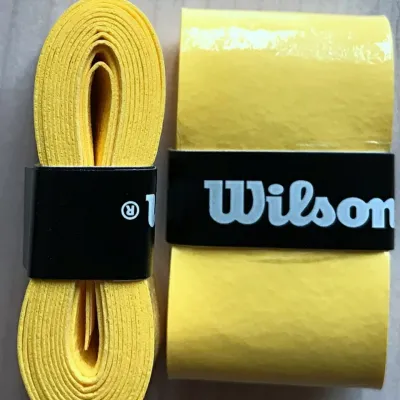
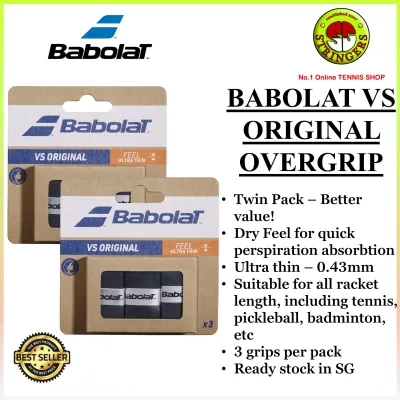
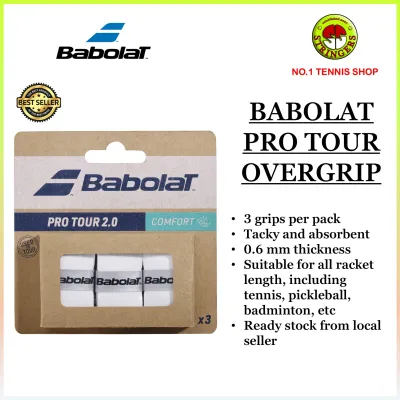
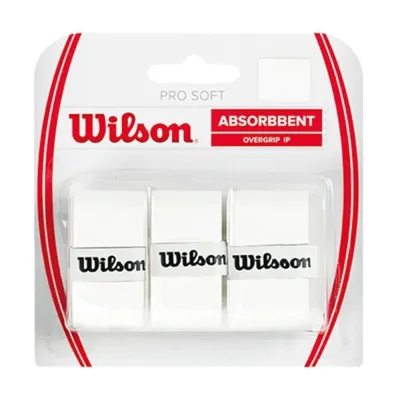
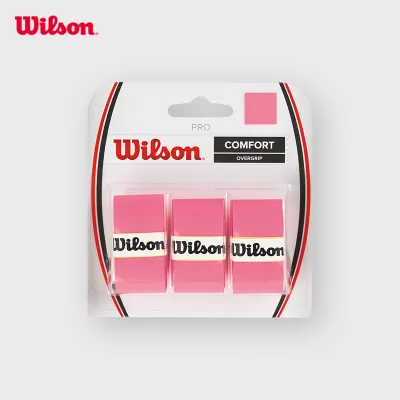
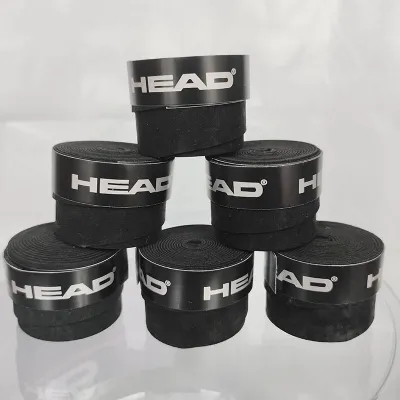
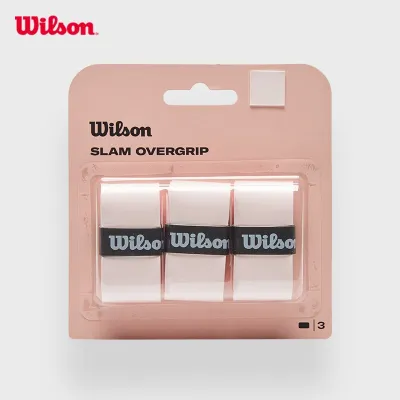
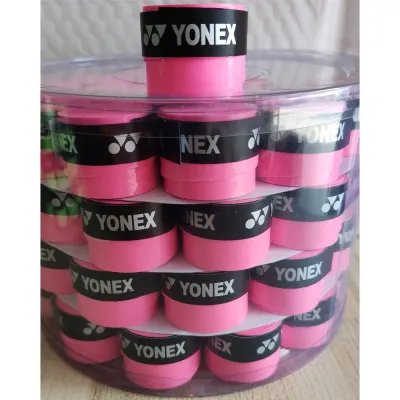
Prices are valid at publication and may change. Please refer to the product page for the latest price.
Next, analyze your grip pressure and general playing style. Beginners frequently make the mistake of holding the racket too tightly, especially when trying to hit the ball with power. This excessive grip pressure can lead to rapid forearm fatigue and tension, which hinders your ability to execute smooth, fluid strokes. If you naturally have a lighter grip or want to train yourself to hold the racket more relaxed, you will need an overgrip that provides high surface friction. This friction allows you to maintain a secure hold without having to squeeze the handle tightly.
Finally, check the physical condition of your hands after a practice session. Because beginners are still adapting to the repetitive friction of gripping and swinging a racket, they are highly susceptible to developing blisters, calluses, and skin irritation. If you notice tender red spots on your palm or fingers, or if you already have sensitive skin, you will need an overgrip that prioritizes padding and shock absorption. Identifying these physical needs early on ensures you select a wrap that protects your hands while you build up your court hours.
Understanding the Main Types of Tennis Overgrips
Tennis overgrips generally fall into three primary categories based on their material texture, surface treatment, and thickness: tacky, dry, and cushioned. Each category is engineered to solve specific on-court challenges, from managing extreme moisture to dampening harsh frame vibrations. While some modern hybrid options attempt to offer a blend of these features, beginners should first focus on understanding the baseline characteristics of the main three types to find their ideal starting point.

Tacky Overgrips
Tacky overgrips are designed with a smooth, glossy polyurethane surface that feels sticky or adhesive to the touch. This high-friction surface is highly effective at keeping the racket stable in your hand, allowing you to maintain a relaxed grip pressure during your swings. Because the material naturally clings to your skin, you do not need to squeeze the handle tightly to keep the racket from twisting on off-center hits.
However, tacky overgrips rely on a dry surface to maintain their adhesive quality. In high humidity or during intense play where hand sweat is heavy, moisture can pool on top of the non-porous surface, causing the grip to feel slick and lose its tackiness quickly. This makes tacky grips highly suitable for beginners who play in cooler environments, indoor courts, or those who naturally have dry hands and struggle with the racket slipping during swings.
Dry Overgrips
Dry overgrips feature a matte, paper-like, or slightly brushed texture designed specifically to absorb moisture rather than repel it. Instead of feeling sticky, they feel soft and dry, working similarly to a towel by pulling sweat away from your skin to maintain a secure hold. This moisture-wicking capability ensures that your hands do not slide around on the handle, even during long rallies in challenging weather.
The trade-off is that dry overgrips can feel somewhat slippery or chalky if your hands are completely dry. If you do not sweat much, you might find it difficult to maintain a secure hold without squeezing harder, as there is no surface tackiness to assist your grip. These wraps are highly recommended for players who sweat heavily or regularly play on outdoor courts in hot, humid conditions.
Cushioned Overgrips
Cushioned overgrips are noticeably thicker than standard tacky or dry wraps, often incorporating a foam center, textured ridges, or a thicker polyurethane layer. This added material acts as a shock absorber, significantly reducing the impact vibrations that travel up the racket shaft into your wrist and elbow. This extra padding is highly beneficial for preventing blisters and reducing hand fatigue during long practice sessions.
The primary trade-off with a cushioned grip is a reduction in tactile feedback. Because there is more material between your hand and the wooden or composite bevels of the racket handle, it can be harder to feel the exact orientation of the racket face, which is a critical skill for developing clean ball-striking. Despite this, cushioned wraps are excellent for players with joint sensitivity, tennis elbow concerns, or those transitioning from smaller grip sizes who need a more comfortable hold.
How to Match Your Overgrip to Your Conditions
To select the right overgrip, you can use a simple conditional framework based on your physical needs and playing environment. If you play in a hot, humid climate and experience heavy hand sweat, your primary choice should be a dry overgrip to prevent dangerous slipping during high-velocity swings. If you have dry hands and want to maintain a relaxed, effortless hold on the handle, a tacky overgrip will provide the necessary surface friction. If you suffer from hand fatigue, joint discomfort, or blister formation, prioritize a cushioned overgrip to maximize shock absorption.
When shopping at a local sports outlet or an online marketplace, always check the product packaging or manufacturer specifications for thickness measurements. Standard overgrips typically range from 0.4mm to 0.6mm in thickness, while cushioned options can exceed 0.75mm. Checking these specifications ensures you do not accidentally alter your racket’s handle size beyond what is comfortable for your hand span.
As a beginner, your preferences will likely evolve as you spend more hours on the court. Instead of purchasing a large bulk pack of a single type, look for a small variety pack containing one of each style, which typically costs around S$5 to S$15. Testing different textures over several sessions is the most reliable way to discover which material matches your natural sweat levels and grip style.
When to Replace Your Tennis Overgrip
An overgrip is a consumable accessory designed to wear out over time. You can easily identify when it is time for a replacement by looking for clear visual and tactile signs. These include peeling or fraying edges along the wrap lines, a complete loss of tackiness on a tacky grip, a hardened or crusty texture on a dry grip, and visible discoloration from dirt and sweat buildup.
Continuing to play with a worn-out overgrip is more than just an aesthetic issue; it can actively harm your technique and physical health. When a grip loses its friction or absorption properties, you will naturally begin to squeeze the handle much harder to prevent it from slipping. This chronic over-squeezing increases tension in your wrist and forearm, which can lead to muscle fatigue, blisters, and eventually tennis elbow.
Rather than relying on strict calendar dates, base your replacement frequency on actual playing hours and environmental conditions. A good general guideline for recreational beginners is to replace the overgrip every 6 to 10 hours of play. However, if you play frequently on hot outdoor courts, you may need to change it more often to maintain optimal safety and control.
Frequently Asked Questions (FAQ)
Can I use an overgrip directly on the bare racket handle?
No, you should not apply an overgrip directly onto the bare wooden or composite handle of your racket. Overgrips are designed to be extremely thin and lack the structural padding required to protect your hand from the hard edges of the racket bevels. Doing so will result in poor shock absorption, an uncomfortably small handle size, and a high risk of developing severe blisters. Always ensure there is a thicker base replacement grip installed on the handle before wrapping your overgrip.
How do I know if I need to build up my grip size with an overgrip?
You can determine if your grip size is too small by holding your racket in a normal Eastern forehand grip. There should be a gap roughly equal to the width of your index finger between your ring finger and the palm of your hand. If your fingers press firmly into your palm, the grip is too small, which can cause hand strain. Adding one or two overgrips is an easy, cost-effective way to increase the handle size by a fraction of an inch to achieve a more comfortable and secure fit.

Community discussion
Share your experience or ask a question. Comments are reviewed before publication.