
Selecting the right Tourna grip for your badminton racket depends on balancing your sweat level, hand size, and playing environment. Because badminton requires rapid finger adjustments and precise racket face control, a slipping handle can compromise your shots. By matching your physical needs—whether you require extreme moisture absorption, a thicker cushioned feel, or high initial tackiness—with the specific material characteristics of Tourna’s lineup, you can maintain a secure hold and prevent the racket from twisting during high-speed rallies.
Assess Your Sweat Level and Court Conditions
Your body’s natural perspiration rate and the environment where you play are the primary factors in choosing an overgrip. During intense badminton rallies, your hands naturally sweat as you transition between tight net shots and powerful rear-court smashes. If you find yourself constantly wiping your hands on your shorts or if your grip feels slick after just one game, you fall into the heavy perspiration category. Moderate and low sweaters might only notice mild dampness after extended play, which requires a different grip texture altogether.
The playing venue significantly influences how moisture behaves on your handle. Playing in a non-air-conditioned community club hall exposes you to high ambient humidity, which accelerates sweating and prevents moisture from evaporating quickly. In these humid environments, a standard grip can quickly turn into a slippery surface. Conversely, playing in a modern, air-conditioned indoor sports complex keeps the air dry, meaning your sweat evaporates faster, and you might require a grip that focuses more on tackiness rather than pure absorption.
Products mentioned in this guide
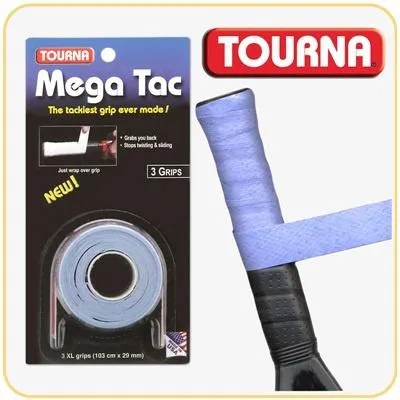
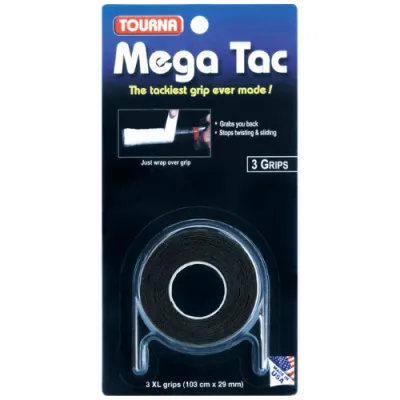
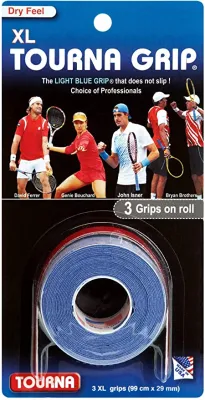
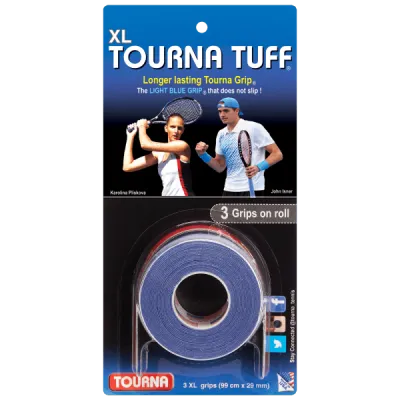
Prices are valid at publication and may change. Please refer to the product page for the latest price.
Recognizing the physical signs of a slipping racket handle is crucial before a critical point is lost. If you feel the racket twisting slightly in your palm when making off-center contact, or if you have to squeeze the handle tighter than usual to keep it secure, your current grip is failing to manage moisture. This extra squeezing tension not only tires out your forearm muscles prematurely but also limits your wrist flexibility, making it harder to execute deceptive drops and quick defensive blocks.
Evaluate Your Hand Size and Thickness Preference
Finding the correct grip thickness is a highly personal decision that directly affects your control over the racket’s bevels. To start, evaluate your hand size and finger length. Players with larger hands or longer fingers often find that a standard thin overgrip leaves the handle feeling too small, forcing the fingers to overlap awkwardly and restricting comfortable movement. For these players, choosing an extra-long or thicker variant helps fill the palm comfortably, allowing for a relaxed yet secure hold.

The thickness of your grip also involves a direct trade-off between tactile feedback and physical comfort. A thin overgrip preserves the sharp bevels of the wooden handle underneath, which is essential for competitive players who rely on feeling the racket’s orientation to switch quickly between forehand and backhand grips. On the other hand, a cushioned overgrip provides excellent shock absorption, reducing the vibrations that travel up your arm during heavy smashes. This added comfort is highly beneficial for players recovering from joint sensitivity or those who prefer a softer, more forgiving feel.
However, you must consider how adding multiple layers of overgrip or choosing an exceptionally thick variant alters your racket’s specifications. Wrapping multiple overgrips over the factory handle increases the weight at the bottom of the racket. This shift can alter the overall balance point, making a head-heavy racket feel more even-balanced or head-light. While this might make the racket feel quicker in defensive drives, it can slightly reduce the power of your smashes, so any adjustments to thickness should be made gradually.
Match Your Profile to Tourna Grip Variants
Tourna offers several distinct grip formulations, each engineered to address specific combinations of moisture control, thickness, and tactile feel. Rather than choosing a grip based solely on popularity, you should cross-reference your personal sweat profile and handle thickness preferences with the specific material designs detailed below to find your ideal match.
Tourna Original (The Classic Blue)
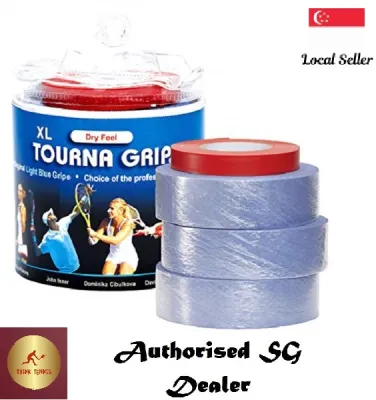
The Tourna Original, widely recognized by its signature light blue color, is designed specifically for high-moisture situations. Unlike traditional grips that become slippery when wet, this proprietary dry-feel grip utilizes a specialized material that actually becomes more slip-resistant as it absorbs sweat. It performs like a sponge, pulling moisture away from your palm to maintain a consistent, dry holding surface throughout long, intense matches.
This makes the Original variant the primary choice for heavy sweaters, especially those playing in humid, non-air-conditioned halls where sweat buildup is inevitable. Because it is designed to be relatively thin, it does not bulk up your handle, allowing you to feel the precise edges of the racket bevels. This thin profile is highly valued by advanced players who rely on subtle finger adjustments to change the angle of the racket face at the last fraction of a second.
Tourna Dry Feel and Mega Dry
For players who want reliable moisture management but prefer a slightly different texture or thickness than the classic formulation, Tourna provides specialized dry alternatives. The standard Dry Feel grip offers a smooth, dry surface that focuses on quick moisture evaporation. If you find the classic blue variant slightly too thin or want a grip that offers a more substantial barrier between your hand and the wooden handle, these alternatives provide an excellent middle ground.
The Mega Dry variant is engineered to be thicker and more absorbent than the Original, offering enhanced absorption capacity for extended playing sessions. This is highly suitable for players who sweat moderately to heavily but dislike the ultra-thin feel of the classic grip. When selecting these variants, it is highly recommended to check the manufacturer’s packaging or product specifications to verify the exact thickness and surface texture, ensuring it aligns with your comfort preferences before purchasing.
Tourna Cushioned and Quik Tac
If your hands do not sweat heavily, or if you primarily play in cool, air-conditioned indoor courts, your grip requirements shift from moisture absorption to comfort and immediate tackiness. The Cushioned variant features a foam-like backing or integrated ribs that absorb impact vibrations. This design is excellent for recreational players, seniors, or anyone seeking to minimize joint strain during long sessions of play, though it will noticeably round off the sharp bevels of the handle.
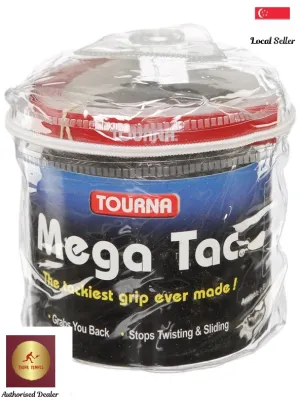
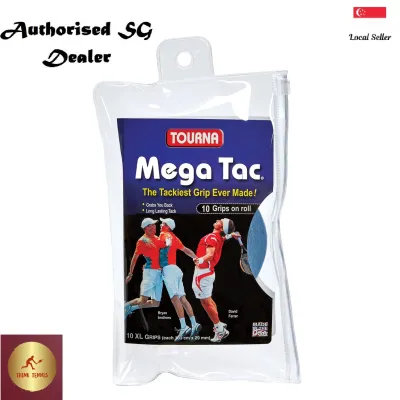
The Quik Tac variant, on the other hand, is formulated to deliver a high level of initial stickiness. This tacky surface provides an immediate, secure bond with your hand, requiring very little grip pressure to keep the racket from flying out of your hand during fast swings. However, players must be aware that highly tacky or heavily cushioned grips do not manage heavy sweat well; once saturated, the smooth surface can become slippery much faster than dry-feel variants, making them less suitable for humid conditions.
When to Replace and How to Maintain Your Grip
To maintain optimal control over your badminton racket, you must monitor the physical condition of your overgrip and replace it regularly. Observable signs of wear include peeling edges, a noticeable loss of tackiness or dry friction, visible dirt buildup, or tearing along the bevel lines where your fingers exert the most pressure. Playing with a worn-out grip forces you to grip the handle harder, which stiffens your wrist and increases the risk of muscle strain.
When installing a new Tourna overgrip, using the correct wrapping technique is essential to prevent it from shifting during play. Start from the bottom of the handle, keeping a consistent, moderate tension on the grip tape as you wrap upward. Overlap each turn by approximately two to three millimeters to ensure even coverage without creating bulky ridges. Secure the top of the grip firmly with the provided finishing tape, ensuring it is wrapped tightly enough to withstand the twisting forces of powerful smashes.
Proper storage also plays a vital role in preserving the material integrity of your grips. Avoid leaving your racket bag in hot environments, such as the trunk of a car parked in the sun, as extreme heat can degrade the synthetic compounds, causing tacky grips to become gooey and dry grips to lose their elasticity. Store your rackets in a cool, dry place inside your home, and consider leaving your racket bag slightly unzipped after a sweaty session to allow residual moisture to evaporate.
Frequently Asked Questions (FAQ)
Can I apply a Tourna overgrip directly over the factory base grip?
Yes, you can apply an overgrip directly over the factory base grip, which is the standard practice for most badminton players. An overgrip is designed to be thin and is meant to be wrapped over a thicker base grip to provide the final texture and sweat absorption. Before wrapping, ensure you remove the protective plastic wrap that comes on the factory grip, and check that the underlying base grip is clean and firmly secured to the wooden handle to prevent slipping.
How do I know which Tourna grip offers the best value for my budget?
To find the best value, compare the price per individual grip by looking at multi-packs or bulk rolls on online sports marketplaces rather than buying single packs. Additionally, consider your personal replacement frequency; if you sweat heavily, a cheaper tacky grip might slip quickly and require frequent replacement, whereas a highly absorbent dry grip that lasts longer will eventually be more cost-effective over several months of regular play.

Community discussion
Share your experience or ask a question. Comments are reviewed before publication.