
Keeping a plaster or fiberglass cast dry is essential for proper bone healing and skin health, yet daily routines like showering can feel incredibly challenging when managing an injury. A reliable waterproof cast cover acts as a protective shield, allowing you to maintain personal hygiene and stay active without risking water damage. Choosing the wrong cover can lead to leaks, skin irritation, or even a ruined cast that requires an expensive replacement at the clinic. To find the right fit, you must evaluate your specific injury, take precise physical measurements, and select a sealing mechanism that matches your planned level of water exposure.
Identify Your Cast Type and Coverage Area
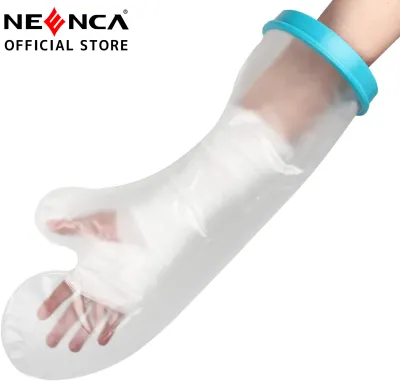
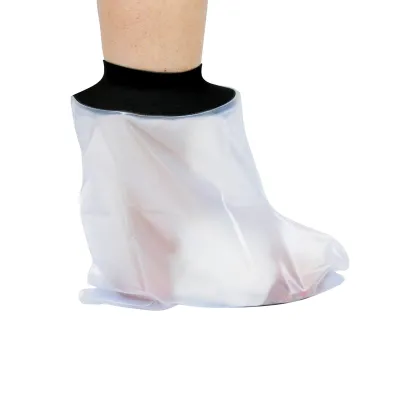
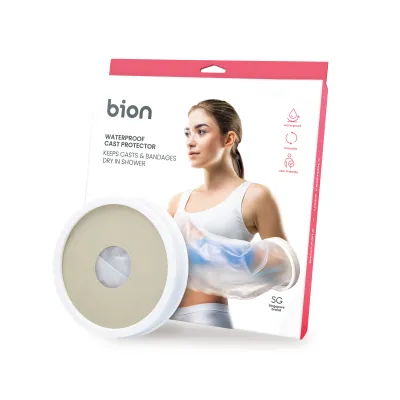
The first step in selecting a waterproof cast cover is identifying the exact style required for your specific injury and cast configuration. Manufacturers design these protective sleeves to match the unique contours of different limbs, meaning an arm cover cannot be safely adapted for a leg injury. Arm covers are generally lighter and shaped to accommodate the natural bend of the elbow, whereas leg covers feature reinforced bottoms to handle minimal contact with the floor.
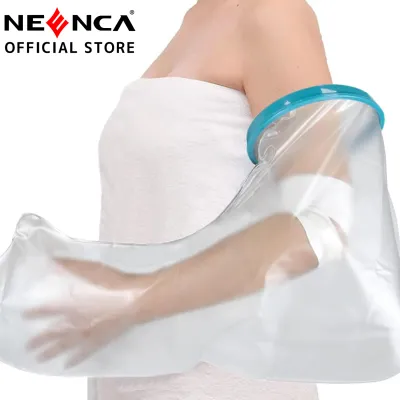
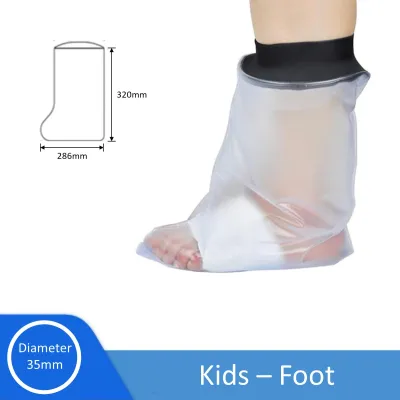
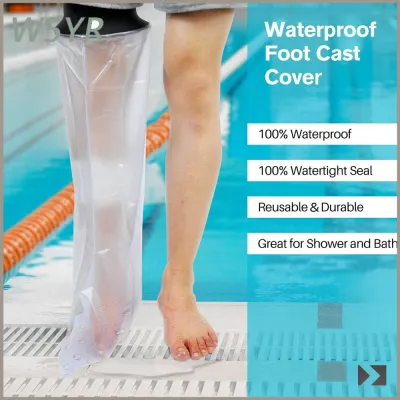
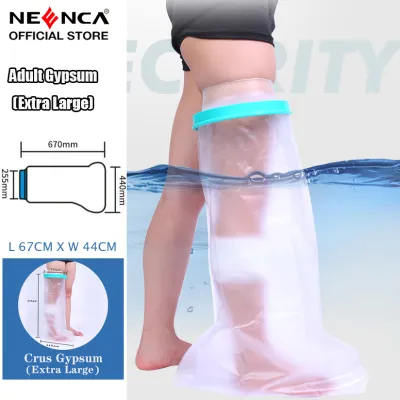
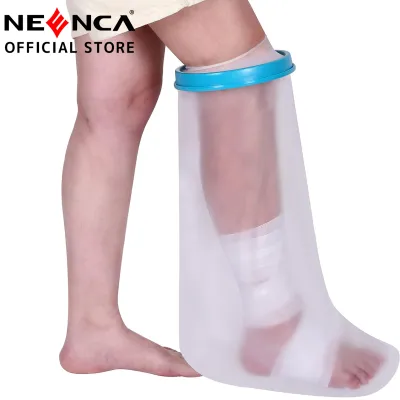
Within these broad categories, you must determine whether you need a half-limb or full-limb cover. A half-arm cover typically ends below the elbow and is ideal for wrist fractures, while a full-arm cover extends to the shoulder to protect casts that immobilize the elbow. Similarly, leg injuries require a choice between below-knee covers and full-leg covers extending to the thigh. Choosing a cover that is too short leaves the top edge exposed, while an excessively long cover will bunch up, compromising the watertight seal.
Products mentioned in this guide
Prices are valid at publication and may change. Please refer to the product page for the latest price.
Specialized orthopedic casts also require dedicated cover designs. If you have a thumb spica cast, a standard hand cover might stretch too tightly or tear at the thumb joint. Bulky fiberglass casts, which feature rough edges and extra padding around the heel or elbow, require wider entry ports and more interior volume than standard plaster casts. Always check the product specifications to confirm if the sleeve is designed to accommodate these specialized or high-volume orthopedic applications.
Measure Your Limb and Cast for the Right Size
Achieving a watertight seal depends entirely on accurate physical measurements rather than your typical clothing or shoe size. Because orthopedic casts add significant bulk, relying on standard retail sizing will almost certainly result in a cover that is either too tight to pull on or too loose to keep water out. You will need a flexible measuring tape and a helper to gather precise dimensions before making a purchase.

Start by measuring the circumference of your bare skin exactly two to three inches above the top edge of your cast. This is where the seal must rest against your skin to block water. If you place the seal directly over the cast material, water will seep through the porous padding. Next, measure the widest circumference of the cast itself, which is often around the heel or elbow. The opening of the cover must stretch wide enough to pass over this bulky section without tearing.
After recording the circumferences, measure the total length required from the tip of your fingers or toes to the point where the seal will sit. It is safer to choose a cover that is slightly longer than your measured length, as excess material can bunch up inside the sleeve without affecting the seal. However, the cover must never be so long that the sealing ring sits on a joint like the knee or elbow, where movement will break the vacuum. Compare your measurements against the manufacturer’s sizing chart.
Choose the Right Seal Mechanism for Your Activity
The sealing mechanism is the most critical component of any waterproof cast cover, as it determines how much water pressure the sleeve can withstand. Silicone ring seals are popular for daily showering and light bathing. These covers feature a rigid plastic ring fitted with a flexible, stretchy silicone diaphragm that conforms tightly to your limb. They are highly reusable, easy to clean, and stretch easily over bulky casts, though they can feel somewhat restrictive if worn for extended periods.
For more active water movements, such as light swimming or wading in a pool, a vacuum pump system offers a more secure fit. These systems utilize a hand pump to extract excess air from inside the sleeve, pulling the durable material tight against the cast to create a reliable vacuum seal. While vacuum covers are more expensive, often ranging from S$30 to S$60 in local specialty shops, they prevent the cover from shifting or ballooning when submerged.
If you are looking for a budget-friendly or temporary solution for quick daily washes, adjustable drawstring, velcro, or medical-grade adhesive tape seals are viable alternatives. These designs allow you to manually adjust the tightness of the closure around your limb, making them highly adaptable to varying swelling levels. However, manual seals are more prone to user error and typically do not offer the same level of submersion protection as silicone rings.
Regardless of the sealing mechanism, the condition of your skin at the contact point plays a vital role in preventing leaks. The seal must sit flat against a smooth, clean, and hair-free surface. Thick body hair, deep skin folds, or scars can create microscopic channels that allow water to slowly seep into the cover. If you have dense hair where the seal rests, gently shaving or trimming the area can significantly improve the reliability of the waterproof barrier.
Evaluate Material Durability and Skin Safety
A waterproof cast cover must be robust enough to withstand accidental bumps, scrapes, and the rough texture of fiberglass casts without puncturing. Look for covers constructed from heavy-duty polyvinyl chloride (PVC) or thermoplastic polyurethane (TPU). TPU is often preferred for outdoor or active use because it remains highly flexible in cold water, resists tears, and is less prone to developing pinhole leaks over time.
Skin safety is another critical consideration, especially since the microclimate inside a sealed plastic sleeve quickly becomes warm and humid. If you have a known sensitivity or allergy to natural rubber latex, you must verify that both the sleeve material and the sealing ring are explicitly certified as latex-free. Wearing a latex-containing cover against sweaty, sensitive skin can rapidly trigger contact dermatitis, compounding the discomfort of your injury.
Additionally, inspect the seam construction of the cover before purchasing. High-quality waterproof covers feature radio-frequency (RF) welded seams, which fuse the materials together at a molecular level to create a single, seamless barrier. Stitched seams, even when covered with tape, are inherently weaker and more likely to split under the pressure of stretching the cover over a bulky cast. Welded seams ensure the sleeve can handle repeated stretching without failing.
How to Put On and Remove the Cover Safely
Applying and removing a waterproof cast cover requires a careful, methodical approach to avoid damaging the sleeve or putting unnecessary stress on your healing limb. Before you begin, ensure your skin is completely dry and free of any lotions, oils, or sweat, as moisture and greasy residues will cause the seal to slip. If your cast has sharp fiberglass edges, cover them with a clean sock or wrap them in a soft bandage first to prevent them from puncturing the inner lining.
To put the cover on, use your fingers to gently stretch the elastic or silicone opening outward, creating a wide passage. Slide your limb slowly into the sleeve, taking care not to let the rough cast material drag against the thin outer walls. Once the cover is fully in place, position the sealing ring flat against your bare skin, ensuring there are no folds, wrinkles, or trapped clothing underneath. Gently press out any excess air from the sleeve before finalizing the seal to prevent the cover from ballooning.
When it is time to remove the cover, never pull or yank on the main body of the sleeve, as this can easily tear the material or pull on your injured joint. Instead, slide a finger gently under the sealing ring to break the vacuum and allow air to enter. Once the seal is broken, carefully stretch the opening outward and slide the cover off your limb in a slow, controlled motion. Immediately inspect the top edge of your cast to ensure no moisture managed to bypass the seal.
Recognize Safety Limits and When to Stop Use
While a high-quality cast cover provides excellent protection, it is not an absolute guarantee of safety, and you must recognize when to stop using it. Before every single use, perform a quick dry test by stuffing the cover with a small towel, sealing it, and submerging it in a sink or basin for a few minutes. If the towel emerges damp, or if you spot any visible tears, pinholes, or stretched-out seals, discard the cover immediately and do not risk exposing your cast to water.
Environmental conditions also dictate the safety of your cast cover. Avoid submerging your covered limb in hot tubs, natural hot springs, or heavily chlorinated pools unless the manufacturer’s instructions explicitly state it is safe to do so. High temperatures can cause the air inside the sleeve to expand, breaking the seal, while harsh chemicals or saltwater can degrade the silicone and PVC materials over time.
Most importantly, medical safety must always take precedence over recreational activities. Consult your orthopedic doctor or surgeon before attempting to swim or submerge your limb, especially if you have open surgical wounds, external pins, or stitches under the cast. If you experience reduced sensation, numbness, increased pain, or a cold feeling in your fingers or toes while wearing the cover, remove it immediately, as the tight seal may restrict your blood circulation.
Frequently Asked Questions (FAQ)
Can I swim or bathe with any waterproof cast cover?
No, not all waterproof cast covers are designed for full submersion or swimming. Many basic models are rated only for light splashing in the shower and will leak if subjected to the water pressure of a bath or swimming pool. Always check the product packaging for specific depth ratings and activity limits, and choose a vacuum-sealed or heavy-duty silicone ring model if you plan to submerge the limb.
How do I clean and store the cast cover after use?
To maintain the integrity of the seal and prevent mold growth, rinse the cover thoroughly with clean, fresh water inside and out after each use to remove soap residue, chlorine, or salt. Hang the cover to air-dry completely in a well-ventilated area away from direct sunlight or heating elements, which can warp the silicone. Once dry, store it flat in a cool drawer without folding or creasing the sealing ring.
Community discussion
Share your experience or ask a question. Comments are reviewed before publication.