
Fitting a workout bench into a Housing & Development Board (HDB) flat requires balancing your training needs with the realities of compact apartment living. To exercise comfortably without turning your bedroom or living room into an impassable obstacle course, you must look beyond the basic length and width of the equipment. The right bench dimensions depend on your height, the exercises you perform, and your home’s layout. By evaluating both the active footprint during a workout and the storage footprint when the gear is put away, you can maintain a functional, safe, and uncluttered living space.
How to Measure Your Space for a Workout Bench
Before browsing online marketplaces or visiting local fitness showrooms, you must establish the exact physical boundaries of your designated workout area. This process begins by distinguishing between the “in-use” footprint and the “stored” footprint. The in-use footprint represents the total area occupied by the bench, your body, and any weights during an active session. In contrast, the stored footprint is the collapsed or upright dimensions of the bench when it is tucked away out of sight.
To map out these zones, grab a measuring tape and identify the architectural constraints of your chosen room. In typical HDB bedrooms, you must account for the swing radius of bedroom doors, wardrobe doors, and cabinet drawers. Ensure that even when the bench is fully extended, you can still access your clothing or exit the room safely. Ceiling height is another critical factor, especially if you plan to perform seated overhead presses or if you intend to store the bench vertically in a utility closet or household shelter.
Products mentioned in this guide
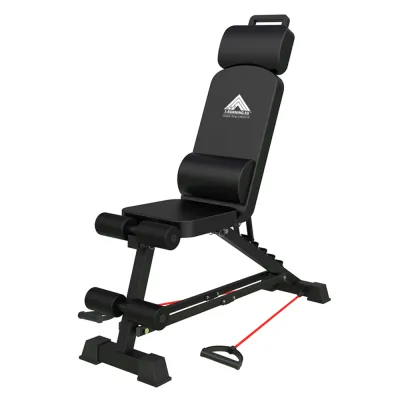
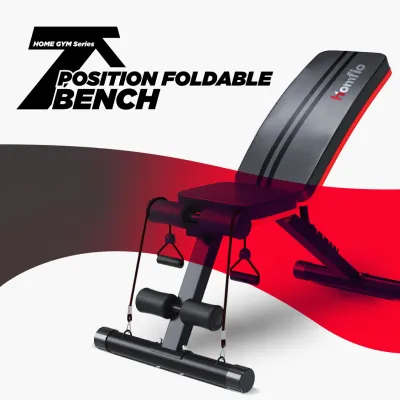
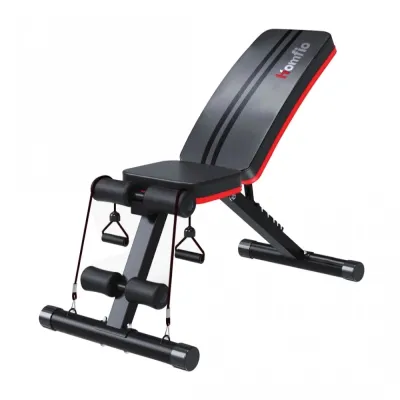
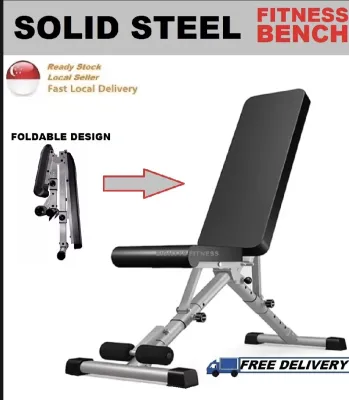
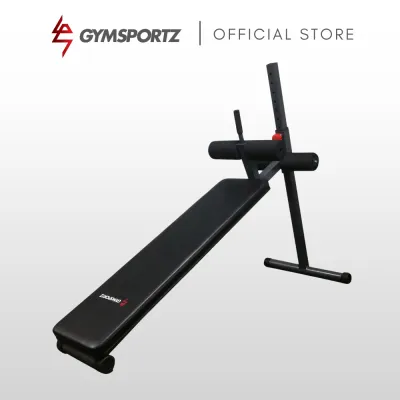
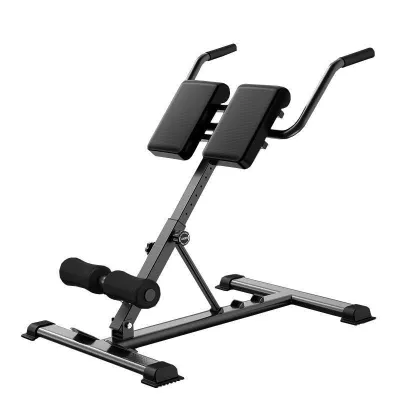
Prices are valid at publication and may change. Please refer to the product page for the latest price.
Using masking tape to outline the maximum allowable length and width of the bench on your floor helps verify that it does not block primary walking pathways or create a tripping hazard. This physical boundary serves as your hard limit when comparing product specifications, preventing the mistake of purchasing equipment that is simply too large for your room.
Understanding Bench Dimensions for Small Rooms
When evaluating workout benches, understanding how individual component dimensions affect both your exercise form and your room’s layout is essential. The two most critical components are the backrest length and the seat pad width. A backrest that is too short will fail to support your head and neck during flat or incline presses, which can compromise safety. Conversely, an excessively wide or long bench unnecessarily consumes valuable floor space and can restrict your shoulder movement during chest flies or rows.

Your personal height is the primary guide for determining the minimum required bench length. For most users, a total bench length of approximately 110 to 130 centimetres provides sufficient support from the hips to the head. The height of the bench from the floor is equally important; it should allow your feet to plant firmly on the ground to establish a stable base of support. A standard bench height of 40 to 45 centimetres is generally suitable for most individuals, allowing for proper knee alignment and leverage during heavy lifts.
Always cross-reference the manufacturer’s detailed specification sheets with your pre-measured room limits rather than relying on generic product photos. Pay close attention to the width of the stabilizer feet, as a wider base offers greater lateral stability but also increases the physical footprint on your floor.
Space-Saving Bench Features to Consider
In a compact HDB flat, selecting a bench with dedicated space-saving features can make the difference between a highly functional home gym and a cluttered, frustrating living environment. Folding mechanisms are among the most popular solutions for small spaces. Flat-folding benches collapse down to a low profile, allowing you to slide them under a bed frame or behind a sofa. Upright-folding benches, on the other hand, fold upward and stand vertically on their own feet, which is ideal for tucking into narrow gaps next to wardrobes or inside a household shelter.
While folding designs offer excellent space savings, they do introduce trade-offs in terms of stability and setup time. A folding bench relies on pins, hinges, and locking mechanisms that must be securely engaged before every workout. Over time, these moving parts can experience wear, so it is vital to inspect them regularly for any play or looseness.
To ease the transition between workout mode and storage mode, look for benches equipped with integrated transport wheels and a convenient grab handle. These wheels allow you to roll the bench effortlessly across laminate, vinyl, or tiled floors without scratching the surface or straining your back. Some advanced modular benches also feature removable attachments, such as leg developers or preacher curl pads, which can be detached and stored separately to keep the main bench frame as compact as possible.
Planning Safety Clearances and Movement Zones
A workout bench does not exist in a vacuum; you must plan for the dynamic movement zones required to perform exercises safely. When you lie on a bench to perform dumbbell chest presses, your arms and the weights extend well beyond the physical edges of the vinyl pads. You should allocate a safety clearance of at least 50 to 60 centimetres on either side of the bench to prevent your dumbbells from striking walls, glass windows, or nearby furniture.
If you plan to use a barbell setup, the clearance requirements increase significantly. You must leave enough space at the ends of the barbell to slide weight plates on and off safely without hitting obstacles. Furthermore, consider the placement of your ceiling fan, which is a common fixture in Singapore homes to combat the warm, humid climate. Ensure that your hands, dumbbells, or barbells remain well clear of the fan’s spinning blades during overhead movements or incline presses.
Airflow and ventilation are also crucial for a comfortable home workout. Finally, never compromise on safety pathways; always ensure that the bench does not obstruct the main exit route from the room, allowing for a quick and clear path out of the flat in the event of an emergency.
Common Sizing and Placement Mistakes to Avoid
One of the most frequent mistakes home gym enthusiasts make is ignoring the spatial requirements of accompanying equipment. A workout bench is rarely used alone; it is typically paired with dumbbells, adjustable barbells, resistance bands, or a power rack.
Another common oversight is failing to plan for the footprint of protective flooring. Placing a heavy steel bench directly onto delicate HDB vinyl or parquet flooring can cause permanent indentations, scratches, or discoloration over time. Protective rubber or foam mats are essential, but they add to the overall visual and physical footprint of your workout zone. You must measure and plan for these mats to ensure they fit neatly within your room’s layout without curling up against walls or blocking doors.
Lastly, avoid the temptation to choose a bench based solely on its ultra-compact stored dimensions while neglecting the space required for actual exercise. A bench that folds down to a tiny package is of little use if its fully extended length is too short to support your spine safely during a workout. Always prioritize your physical safety and ergonomic needs first, and then find a storage solution that accommodates those non-negotiable dimensions.
Frequently Asked Questions (FAQ)
Do I need a special floor mat for a workout bench in an HDB flat?
Yes, using a protective floor mat is highly recommended when setting up a workout bench in an HDB flat. Heavy steel equipment, combined with your body weight and external loads, can exert significant pressure on your flooring, potentially leading to scratches on parquet or deep indentations on vinyl sheets. A dense rubber or high-density foam mat helps distribute this weight evenly, protects the floor from sweat, and dampens the sound of weights being set down. Additionally, you should review your tenancy agreement or estate guidelines to ensure your home setup complies with any noise-damping or property maintenance expectations.
Can I keep my workout bench permanently set up in a small bedroom?
Keeping a workout bench permanently set up is highly convenient, but it can significantly impact the livability of a small bedroom. A permanent setup can restrict natural light, disrupt the room’s airflow, and make daily tasks like making the bed or opening wardrobe doors frustrating. If you choose a permanent layout, consider using visual zoning strategies, such as placing a light room divider or arranging your furniture to clearly separate your sleeping area from your fitness zone. This helps maintain a balanced, relaxing atmosphere in your bedroom while keeping your training space ready for action.
Community discussion
Share your experience or ask a question. Comments are reviewed before publication.