
Selecting the right wrist splint is a balancing act between stabilizing the joint and preserving the mobility required for your sport. A splint that is too rigid can hinder your performance in racquet sports, while a simple compression sleeve will fail to protect your wrist during high-impact activities like skateboarding or heavy weightlifting. To find the ideal match, you must evaluate the specific physical demands of your activity, the level of structural support your joint requires, and how the splint manages moisture during intense physical exertion.
Understanding Wrist Splint Support Levels
Wrist splints generally fall into three distinct categories based on the level of stabilization they provide. Understanding these levels allows you to match the brace to the severity of your discomfort or the physical demands of your sport.
Mild support options, often designed as elastic or neoprene compression sleeves, offer the lowest level of physical restriction. These sleeves do not use rigid inserts; instead, they rely on snug, elasticated fabric to apply gentle pressure around the joint. This compression helps retain local therapeutic warmth, which can ease minor stiffness and promote blood flow. Additionally, the constant physical contact of the sleeve against your skin enhances proprioception—your body’s natural awareness of joint positioning—helping you maintain better form during repetitive movements.
Products mentioned in this guide
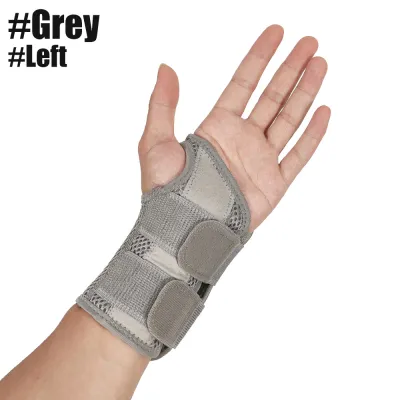
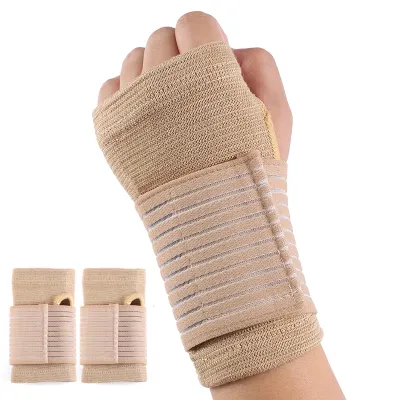
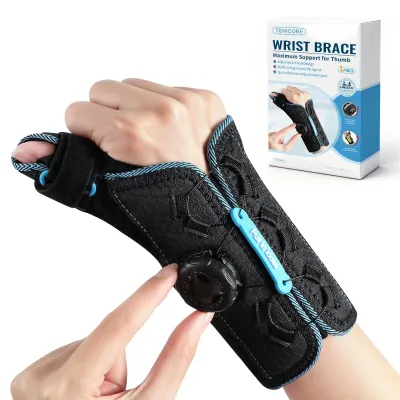
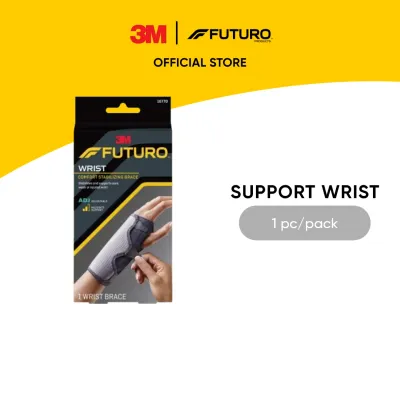
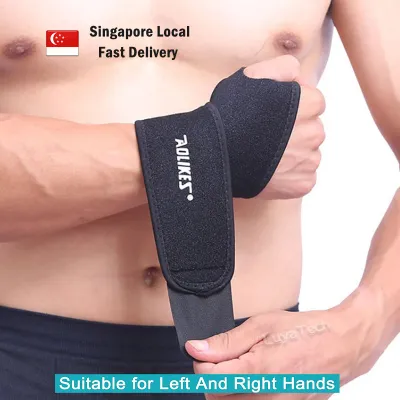
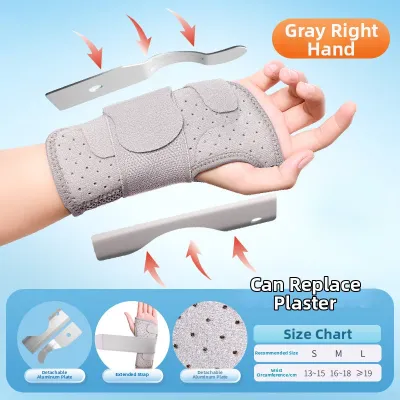
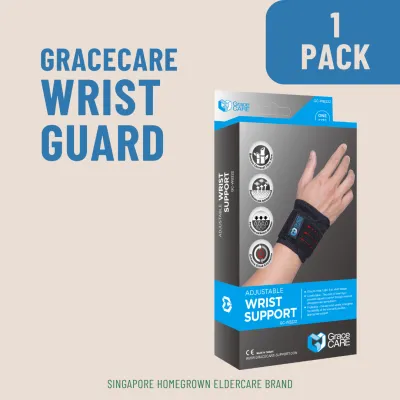
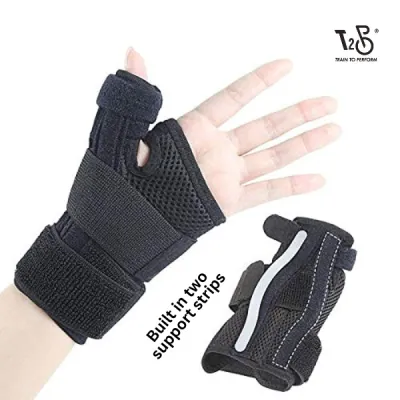
Prices are valid at publication and may change. Please refer to the product page for the latest price.
Moderate support splints introduce adjustable straps, hook-and-loop closures, or flexible stays made of materials like spiral steel or dense plastics. These designs allow you to customize the tightness and compression level depending on your immediate needs. They are highly favored by athletes who require a reliable safeguard against minor instability but still need to bend and rotate their wrists to execute precise movements, such as gripping a racquet or handling a ball.
Rigid or heavy support splints are engineered for maximum immobilization. These braces feature solid metal or hard plastic stays, often positioned along the palm (palmar) or the back of the hand (dorsal), to prevent the wrist from bending in any direction. This level of support is typically reserved for recovering from moderate-to-severe sprains, managing chronic conditions under medical guidance, or protecting the joint during post-operative rehabilitation. Because they severely limit movement, they are generally unsuitable for active play in sports that require manual dexterity, unless specifically prescribed by a healthcare professional.
Matching Splint Types to Specific Sports and Activities
Every sport places unique biomechanical stresses on the wrist joint. Matching the design of your splint to these specific movements is essential for both safety and performance.

For high-impact and load-bearing sports like weightlifting, powerlifting, or gymnastics, the primary risk is hyperextension—where the wrist is forced backward under heavy loads. Athletes in these disciplines benefit most from heavy-duty wrap-around wrist wraps or splints with rigid dorsal stays. These supports act as a physical stop, preventing the joint from bending past a safe angle when supporting barbell loads or performing handstands. Look for wide, non-elastic straps that can be tightened securely during a lift and loosened easily between sets to restore normal circulation.
Racquet and throwing sports, such as tennis, badminton, squash, and baseball, demand a delicate balance between stability and flexibility. A splint that is too stiff will ruin your swing mechanics and weaken your grip. For these activities, choose a moderate-support splint featuring adjustable compression straps and a low-profile design. This setup stabilizes the ulnar and radial sides of the wrist during high-velocity impacts without restricting the rapid wrist snaps required for serves, overheads, or throws.
Contact and extreme sports, including skateboarding, rollerblading, snowboarding, and certain martial arts, present a high risk of sudden, high-velocity falls. In these scenarios, the natural instinct is to break the fall with an outstretched hand, which can lead to severe fractures or sprains. Specialized wrist guards with thick, impact-resistant palmar plates are crucial here. These hard plastic plates are designed to slide along the ground upon impact, dispersing the force of the fall away from the delicate bones of the wrist and up into the forearm.
Endurance and repetitive sports, such as long-distance cycling, rowing, or kayaking, subject the wrists to prolonged vibration and repetitive friction rather than sudden impacts. For these activities, look for lightweight, highly breathable compression sleeves equipped with integrated gel padding along the palm. The gel pads absorb road vibrations and handle the constant pressure of gripping handlebars or oars, while the light compression prevents fluid buildup and keeps the joint warm and mobile over long distances.
Key Fit and Comfort Checks Before You Buy
An ill-fitting wrist splint can do more harm than good, potentially restricting blood circulation, causing skin irritation, or failing to provide the necessary joint stabilization. Performing a few systematic checks before finalizing your purchase ensures optimal performance and comfort.
First, consult the manufacturer’s specific sizing standards rather than relying on generic small, medium, or large labels. Use a flexible measuring tape to measure the circumference of your wrist joint at its narrowest point, just below the hand bones. Some brands also require a measurement of your palm width or hand circumference. If your measurements fall between two sizes, consider the primary use: a smaller size may offer tighter compression but risk restricting blood flow, while a larger size might not provide sufficient stabilization.
Second, evaluate the materials and breathability of the splint, especially if you train in Singapore’s hot and humid climate. Heavy, non-breathable materials can trap sweat against your skin, leading to chafing, fungal infections, or severe skin irritation. Look for splints constructed from moisture-wicking fabrics, perforated neoprene, or lightweight mesh panels. These designs facilitate continuous airflow, allowing sweat to evaporate quickly during intense workouts.
Third, perform a comprehensive range of motion test once you try on the splint. Put on the brace and simulate the exact movements of your sport. If you are a cyclist, mimic gripping a handlebar; if you play tennis, practice your grip and swing motion. Check for any sharp edges digging into your skin, particularly in the web space between your thumb and index finger. The splint should feel snug and supportive without causing numbness, tingling, or coldness in your fingers, which are clear signs of restricted circulation.
When to Stop and Seek Professional Advice
While a wrist splint is an excellent tool for support and injury prevention, it is not a substitute for professional medical care. Knowing when to step away from your sport and consult a healthcare provider is vital for long-term joint health.
You must stop your activity immediately and seek professional medical evaluation if you experience any red-flag symptoms. These include persistent, sharp, or worsening pain that does not subside with rest, significant localized swelling, visible joint deformity, or an inability to bear weight through your hand. Furthermore, neurological symptoms such as numbness, tingling, or a “pins and needles” sensation in your fingers indicate potential nerve compression, which requires immediate medical attention.
It is also important to recognize the inherent limitations of any wrist splint. A brace is designed to assist your joint temporarily; it cannot correct poor athletic technique, nor can it replace the structural strength of your muscles and ligaments. Relying solely on a splint to mask pain while continuing to play can lead to chronic joint instability or more severe tissue damage over time.
If you experience increased discomfort, skin rashes, or a worsening of your original symptoms while wearing the splint, discontinue its use immediately. Consult a physical therapist, sports physician, or orthopedic specialist to obtain an accurate diagnosis and a customized rehabilitation plan that includes targeted strengthening exercises for your forearm and hand muscles.
Frequently Asked Questions (FAQ)
Can I use the same wrist splint for different sports?
Using a single wrist splint across multiple sports is generally not recommended unless the activities share very similar physical demands. A lightweight, flexible compression sleeve designed for the repetitive grip of cycling will not provide the rigid hyperextension protection needed for heavy weightlifting or the impact-resistant palmar plating required for skateboarding. Using an incorrect splint type can compromise your safety or severely restrict the range of motion needed to play effectively. Always evaluate the specific support and mobility requirements of each sport before deciding to reuse a brace.
How long should I wear a wrist splint during recovery?
The duration of splint wear depends entirely on the nature of your injury and the specific guidance of your doctor or physical therapist. For acute sprains, a rigid splint may be recommended for continuous wear during the initial healing phase to prevent movement. However, prolonged and unnecessary reliance on a rigid brace can lead to muscle atrophy, tendon shortening, and joint stiffness. As healing progresses, professionals typically recommend transitioning to a lighter, more flexible support or removing the splint entirely during non-strenuous activities to encourage natural movement and muscle rebuilding.
How do I clean and maintain my wrist splint?
To preserve the structural integrity and hygiene of your wrist splint, always check the manufacturer’s care label first. Most sports splints should be hand-washed in cool water using a mild, hypoallergenic detergent to prevent skin irritation from leftover soap residue. Before washing, remove any detachable metal or plastic stays. Gently squeeze out excess water without wringing or twisting the fabric, as this can stretch out the elastic fibers. Lay the splint flat to air-dry in a well-ventilated area away from direct sunlight and high-heat sources like dryers, which can degrade the hook-and-loop fasteners and synthetic materials.

Community discussion
Share your experience or ask a question. Comments are reviewed before publication.