
A yoga block acts as an essential extension of your arms, but the most suitable brand for your practice depends entirely on your unique body mechanics, experience level, and personal goals. Rather than relying on generic rankings or popularity contests, finding the right block requires a structured evaluation of material properties, density, and dimensions. The market offers a vast array of options, from ultra-lightweight foams to heavy, solid wood blocks, each designed to serve different structural purposes in a sequence.
Selecting the wrong block can lead to instability during balancing poses or discomfort during restorative practices. By understanding how different manufacturing standards affect the performance of these props, you can build a personalized shortlist that safely supports your alignment and progression. This guide breaks down the essential physical characteristics of yoga blocks, helping you match them to your specific practice environment, whether you are practicing in a humid home studio or an air-conditioned commercial space.
Evaluate Yoga Block Materials and Core Structural Features
The material composition of a yoga block is the single most critical factor determining its weight, durability, and grip. The three most common materials used by manufacturers are ethylene-vinyl acetate (EVA) foam, natural cork, and wood or bamboo. Each material presents distinct physical characteristics that alter how the block behaves under load and how it feels against your skin.
Products mentioned in this guide
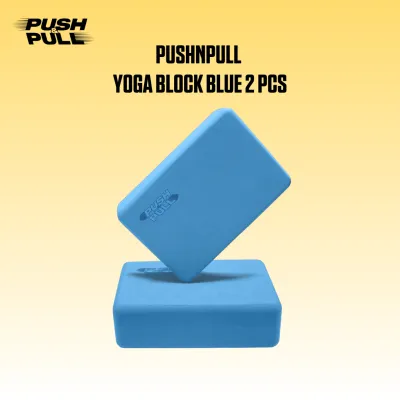
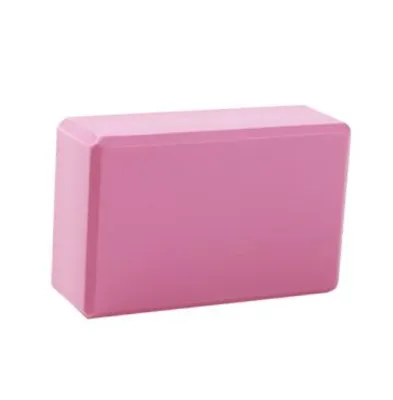
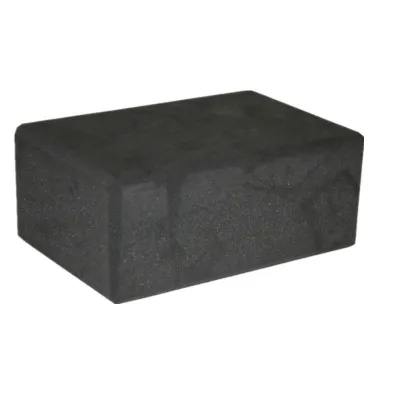
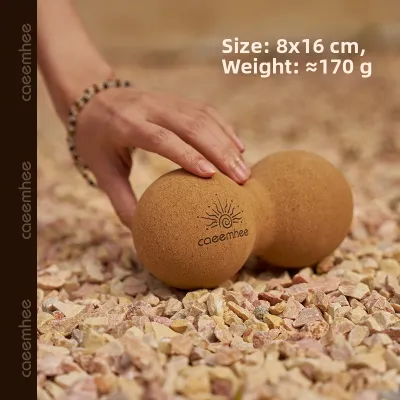
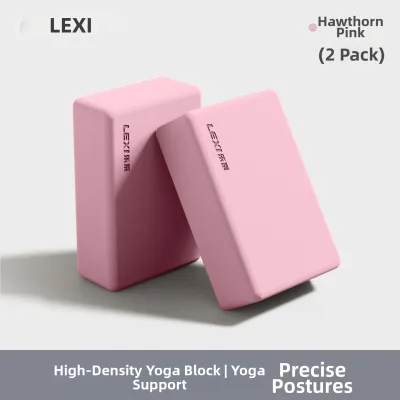
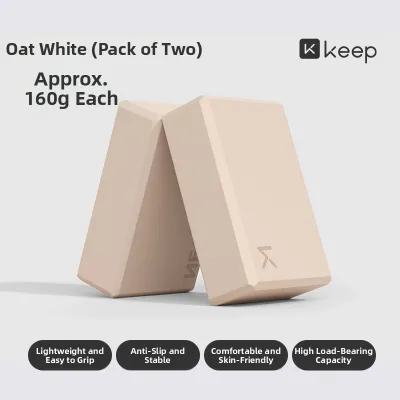
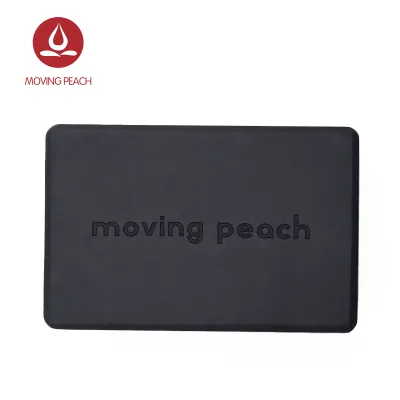
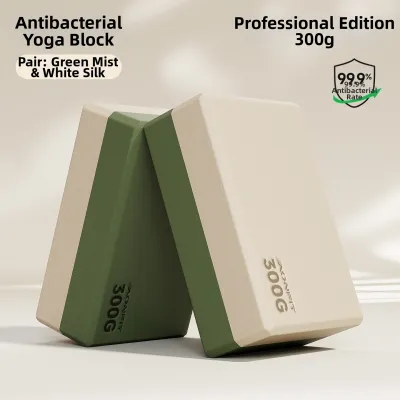
Prices are valid at publication and may change. Please refer to the product page for the latest price.
EVA foam blocks are highly popular due to their lightweight nature and soft, forgiving texture. These blocks are easy to transport in a yoga bag, making them excellent for practitioners who commute to local studios. However, foam blocks can vary significantly in density; low-cost options often compress too easily under body weight, which can compromise your balance during standing postures.
Cork blocks offer a firmer, more substantial alternative that strikes a balance between stability and comfort. Harvested from the bark of cork oak trees, this natural material provides a textured, non-slip surface that actually becomes grippier when exposed to moisture or sweat. Cork is heavier than foam, which anchors the block securely to the mat, but it is less forgiving when placed under sensitive bony areas like the sacrum or spine.
Wood and bamboo blocks represent the most traditional and durable option available. These blocks are virtually indestructible and offer absolute rigidity, ensuring they will not compress even under maximum body weight. The primary trade-offs are their heavy weight, which makes them less portable, and their hard, unyielding surface, which can cause discomfort if used directly under the back or hips without a blanket.
Beyond the raw material, you must evaluate the structural finish of the block, particularly the edges. High-quality brands typically feature beveled or rounded edges rather than sharp, 90-degree angles. Beveled edges reduce pressure points on your hands and feet when you grip the block, and they prevent the corners from chipping or degrading over time.
Standard block dimensions typically measure 9 by 6 by 4 inches (approximately 23 by 15 by 10 centimeters). However, many brands offer variations, such as slim blocks measuring 3 inches in thickness or oversized blocks measuring 5 inches. Understanding these dimensional variations allows you to select a size that matches your hand span and physical proportions.
Match Block Firmness and Weight to Your Practice Level
Your current experience level and the style of yoga you practice should directly dictate the firmness and weight of the blocks you choose. Beginners often require a different set of physical attributes than advanced practitioners who use blocks for deep backbends or arm balances. Aligning these factors ensures your props support your development rather than hindering it.

For those beginning their yoga journey, prioritizing lightweight, medium-density foam blocks is generally the most practical choice. In the early stages of practice, blocks are primarily used to bring the floor closer in foundational poses like Triangle or Half Moon. A softer foam block provides a comfortable, non-intimidating surface for hands that are still building strength and flexibility.
As you transition to intermediate and advanced practices, the demand on your props shifts from simple height assistance to active weight-bearing support. For these levels, look for brands that offer high-density foam, cork, or wood blocks. When performing advanced arm balances or deep inversions, any compression in the block can cause a sudden shift in your center of gravity, increasing the risk of wrist strain or falls.
The style of yoga you practice also plays a decisive role in material selection. If your routine consists primarily of active, fast-paced styles like Vinyasa, Power Yoga, or Ashtanga, you need a block that can keep up with rapid transitions. Lightweight, high-density foam blocks are highly practical here, as they can be quickly repositioned with one hand without disrupting the flow of your sequence.
Conversely, restorative yoga, Yin yoga, and therapeutic practices require props that facilitate deep relaxation and prolonged passive holds. For these styles, look for brands that offer softer, low-density foam blocks or specialized contoured shapes. A block with a curved surface or a gentle yield is far more comfortable when placed under the pelvis, chest, or head for ten minutes at a time.
If you practice hot yoga or sweat heavily, the weight and moisture absorption of the block become safety factors. Lightweight foam blocks can easily slide on a wet mat, whereas heavier cork blocks remain firmly planted. Always verify the manufacturer’s specifications regarding moisture resistance and slip ratings if you intend to use the blocks in high-humidity environments.
Adjust Dimensions and Texture for Your Body Type and Flexibility
Physical proportions, such as arm length, torso length, and shoulder width, greatly influence how a yoga block interacts with your body. A standard-sized block may work well for one person but prove completely inadequate for another with different skeletal dimensions. Selecting a block that matches your anatomy is crucial for maintaining a neutral spine and preventing joint strain.
Practitioners with shorter arms or tighter hamstrings often struggle to reach a standard 4-inch block while maintaining proper alignment in standing forward folds. If you have this body type, look for brands that offer oversized blocks, which typically provide an extra inch of height. This small increase can mean the difference between a rounded, strained lower back and a long, healthy spine.
Conversely, if you have smaller hands, a standard 4-inch block can be difficult to grip securely, leading to hand fatigue or instability. In this scenario, a slim block with a 3-inch thickness is highly beneficial. It allows your fingers to wrap comfortably around the edges, giving you a more secure hold and greater confidence during balancing postures.
Using multiple blocks or purchasing adjustable brand sets can significantly enhance your progressive flexibility training. For deep stretches, having a matching pair of blocks allows you to support both sides of the body symmetrically. Some brands offer modular systems or interlocking designs, which can be useful for gradually lowering the height as your flexibility improves over time.
Surface texture is another critical variable that affects your grip and overall comfort. Smooth, polished wood blocks look beautiful but can become incredibly slippery if your hands sweat. If you choose wood, look for brands that apply a matte, non-slip finish, or plan to drape a yoga towel over the block during active sessions.
Cork blocks naturally possess a textured, high-friction surface that offers excellent grip even when wet. Foam blocks, on the other hand, can feature either a smooth, glossy finish or a textured, embossed pattern. Opt for brands that utilize a textured surface on their foam blocks, as this prevents the block from squirming out from under your hands during sweaty practices.
Build Your Brand Shortlist: Pre-Purchase Checks and Verification
Once you have identified the ideal material, density, and dimensions for your practice, you can begin evaluating specific brands. Because manufacturing standards vary widely, performing a few pre-purchase checks will help you avoid low-quality products that degrade quickly or emit unpleasant chemical odors.
First, verify any material certifications and sustainability claims directly on the product packaging or the manufacturer’s official website. If you are purchasing a cork or wood block, look for certifications indicating that the raw materials were harvested from sustainably managed forests. For foam blocks, check for labels certifying that the material is free from harmful phthalates, heavy metals, and toxic PVC.
Next, examine user feedback specifically for indicators of long-term durability. For foam blocks, look for reports of edge chipping, permanent indentation, or warping under pressure. For cork blocks, pay close attention to reviews mentioning crumbling, flaking, or shedding, which are common signs of low-grade cork binders or poor manufacturing processes.
Odor off-gassing is another common issue, particularly with synthetic foam and some natural rubber-blended blocks. Read user reviews to see if customers complain about strong, persistent chemical smells that do not dissipate after airing out. A high-quality block should have minimal to no odor right out of the packaging, ensuring a pleasant experience during close-contact poses.
Finally, evaluate the brand’s return policies and warranty terms before making your purchase. This is especially important if you are trying a new material, such as transitioning from foam to cork, or if you are investing in premium wood blocks. A brand that stands behind its product with a reasonable warranty or a hassle-free return window provides peace of mind and protects your investment.
Frequently Asked Questions (FAQ)
Can I use two different yoga block brands together?
While it is physically possible to use different brands together, it is generally not recommended for bilateral poses where symmetry is critical. Even if two blocks are advertised with the same nominal dimensions, manufacturing tolerances vary, resulting in slight height discrepancies that can throw off your alignment. Furthermore, mixing a soft foam block with a firm cork block creates an uneven foundation, which can lead to joint strain or muscle compensation. If you require two blocks for a pose, ensure they are the exact same brand, model, and material to maintain a safe, balanced practice.
How do I clean and maintain cork versus foam yoga blocks?
Proper maintenance is essential for preserving the grip and structural integrity of your blocks. For cork blocks, which are naturally antimicrobial but porous, avoid submerging them in water or using harsh chemical cleaners. Instead, gently wipe them down with a damp cloth and a mild, highly diluted soap solution, then allow them to air dry completely in a shaded area to prevent crumbling. For closed-cell foam blocks, you can use a mild dish soap solution or a specialized yoga mat spray to wipe away sweat and oils. Avoid using abrasive sponges or exposing either material to direct sunlight for extended periods, as UV rays can degrade the foam structure and dry out cork.
Community discussion
Share your experience or ask a question. Comments are reviewed before publication.