
Selecting the right exercise block brand requires matching the block’s material, density, and dimensions to your current flexibility, joint sensitivity, and practice style. Beginners generally benefit from lightweight, forgiving materials that assist with reach and alignment, while advanced practitioners require dense, unyielding structures to support complex balances and deep stretches. Rather than relying on generic marketing claims, finding the right block involves verifying manufacturing standards, checking edge finishes, and selecting a weight that matches your local practice environment—whether that is a breezy home studio or a humid, high-intensity class. By focusing on observable material properties and structural integrity, you can build a reliable practice setup that supports your progression over time.
Understanding Yoga Block Materials and Density
The material of your exercise block directly dictates its stability, weight, and tactile feedback during a session. The four most common materials available on the market are ethylene-vinyl acetate (EVA) foam, cork, bamboo, and solid wood. Foam blocks are exceptionally lightweight, making them easy to transport in a gym bag, and they offer a soft, cushioned surface that is gentle on sensitive joints, such as the knees, elbows, or sacrum. However, low-density foam can compress excessively under heavy weight-bearing pressure, which can compromise wrist alignment during demanding poses.
Cork blocks provide a middle ground, offering a heavier weight and a much firmer structure that does not compress under body weight. The natural texture of cork delivers an excellent grip that actually improves when exposed to light moisture, making it highly suitable for warm, humid climates where sweaty hands are common. The trade-off is that cork is less forgiving against bony prominences, and cheap cork blocks can sometimes crumble at the corners if they are not manufactured with high-quality binders.
Products mentioned in this guide
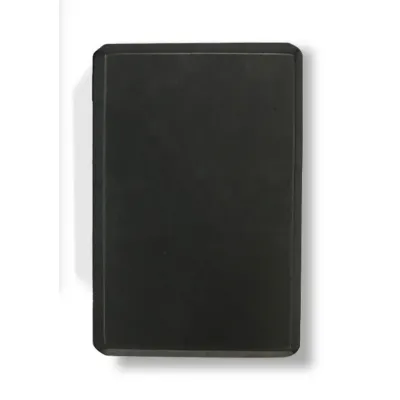

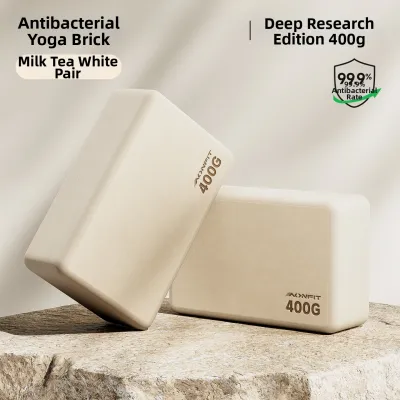
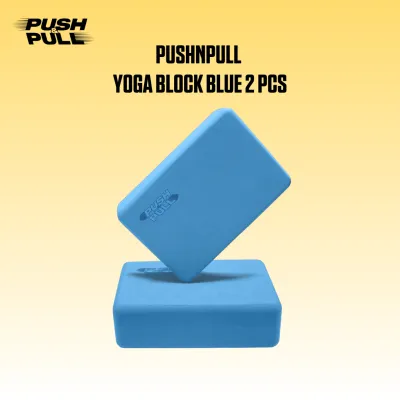
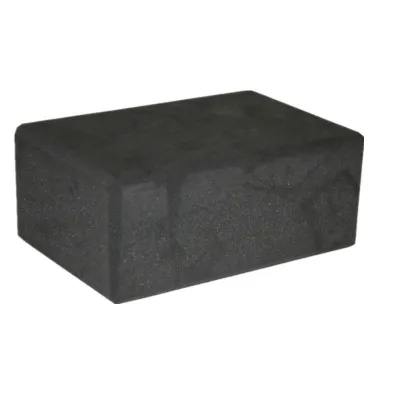
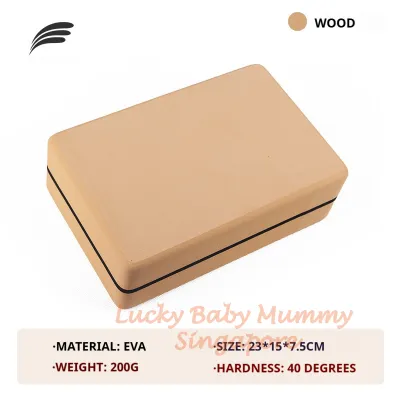
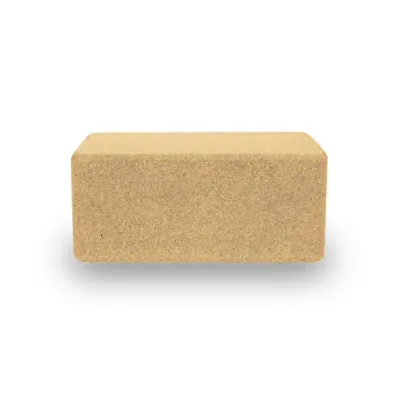
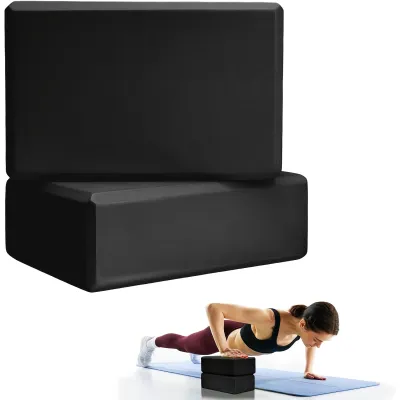
Prices are valid at publication and may change. Please refer to the product page for the latest price.
Wood and bamboo blocks represent the most rigid and durable options available. These blocks are virtually indestructible and provide absolute stability, ensuring that your hands or feet remain on a perfectly flat, unyielding plane. This rigidity is highly valued for precise alignment and advanced balance work, but it makes them uncomfortable for restorative poses where the block must support the weight of the spine or pelvis. Additionally, wood blocks are heavy and can be noisy if dropped on hard studio floors.
Density is just as critical as the material itself, as it determines how much the block yields under pressure. High-density foam blocks can mimic some of the stability of cork while retaining a lightweight profile, whereas low-density foam is best reserved strictly for passive, restorative practices. When evaluating blocks, check the manufacturer’s specifications for density ratings or weight; a heavier foam block typically indicates a higher density and greater structural support.
Maintenance requirements also vary significantly between porous and non-porous surfaces. Non-porous EVA foam blocks are highly resistant to moisture absorption, allowing you to quickly wipe them down with a damp cloth and mild soap after a sweaty session. Porous materials like cork and unsealed wood require more careful maintenance, as they can absorb sweat and oils from your skin. These blocks must be air-dried completely in a well-ventilated space to prevent mold growth, and they should never be submerged in water or cleaned with harsh chemical solvents that could degrade the natural fibers.
Sizing and Dimensions for Different Body Types and Flexibility
Choosing the correct block dimensions is essential for maintaining safe alignment and preventing overstretching. The standard size for an exercise block is typically 4 inches by 6 inches by 9 inches (approximately 10 cm by 15 cm by 23 cm). This rectangular design is intentional, as it offers three distinct heights depending on how you orient the block on your mat. By flipping the block to its high, medium, or low face, you can gradually adjust the level of support as your flexibility improves over time.

For individuals with smaller frames, shorter limbs, or higher baseline flexibility, a thinner block measuring 3 inches by 6 inches by 9 inches may be more appropriate. These thinner blocks are also popular as travel blocks because they take up less space in a backpack or suitcase. However, practitioners with tight hamstrings, hips, or shoulders should avoid undersized blocks, as they may not bring the floor close enough to prevent the spine from rounding in standing forward folds.
To ensure safe usage, you should perform specific alignment checks based on the posture you are practicing. In seated poses, such as Virasana (Hero Pose), the block should be placed flat under your sit bones to elevate your hips and relieve pressure on your knees; verify that the block is wide enough to support both sit bones evenly without tilting. In standing poses like Trikonasana (Triangle Pose), place the block directly under your shoulder line to avoid leaning forward or straining your lower back. For inverted or supported backbends, such as a supported bridge pose, the block must be placed flat under your sacrum—never the lower back—and you should verify that it feels completely stable before releasing your weight onto it.
As your flexibility and strength develop, your relationship with your exercise block will naturally evolve. You might start by using two blocks on their highest setting to support your hands in a low lunge, and gradually transition to the medium and lowest settings as your hips open up. Eventually, you may find that you only need the blocks for specific challenging transitions or to add an extra challenge, such as placing a block under your feet in a standing forward fold to deepen the stretch, provided you have the balance and flexibility to do so safely. Regularly assessing your alignment in a mirror or asking an instructor for feedback can help you decide when it is time to adjust your block height or transition to a different density.
Evaluating Brand Quality and Manufacturing Standards
With numerous brands offering exercise blocks online, it is crucial to look past marketing buzzwords and evaluate concrete manufacturing standards. When shopping, start by checking the product labels for material sourcing and safety certifications. For foam blocks, look for brands that specify the use of non-toxic, phthalate-free, and heavy-metal-free EVA foam, often backed by independent testing certifications. For cork and wood blocks, reputable brands will often highlight sustainable harvesting practices, such as sourcing cork from managed forests where the bark is stripped without harming the tree.
The physical construction of the block is a direct indicator of manufacturing care. Inspect the edges of the block; high-quality brands always feature beveled or rounded edges rather than sharp, 90-degree cuts. Beveled edges prevent the block from digging painfully into your hands or back during deep poses and make the block much easier to grip securely. Additionally, examine the surface texture; a premium block should have a slip-resistant, slightly textured finish that provides traction even when your hands are damp.
Before making a purchase, especially from online marketplaces, take the time to verify the brand’s customer service policies and retail channels. Check if the brand offers a clear warranty against manufacturing defects, such as warping, uneven surfaces, or premature crumbling of cork. Reliable brands typically sell through authorized distributors or their official websites, ensuring that you receive an authentic product rather than a cheap counterfeit made with low-grade chemical fillers. Reading the return policy is also essential, as a block that does not sit perfectly flat on a hard floor can wobble during use, posing a safety risk during balance poses.
Building Your Shortlist by Practice Level
To simplify your decision-making process, you can categorize your options based on your current practice level and specific training goals. Beginners should prioritize high-grip, forgiving foam blocks that focus on safety and comfort. At this stage, your primary goal is to learn proper alignment without straining your muscles, and a lightweight foam block provides a gentle, non-intimidating introduction. Look for high-density EVA foam blocks that offer a balance of affordability—often costing between S$15 and S$25—and sufficient firmness to support your weight without collapsing.
Intermediate practitioners who are beginning to explore arm balances, inversions, and deeper standing poses should consider transitioning to cork or premium, ultra-high-density foam blocks. Poses like Bakasana (Crow Pose) require you to place significant weight onto the blocks, and any shifting or compression can lead to a fall or wrist strain. A cork block provides the necessary weight (typically weighing between 500 and 800 grams) to act as a solid, unmoving anchor on your mat. The superior grip of cork is also highly beneficial as your practices become more intense and sweatier.
Advanced practitioners often require the absolute precision and rigidity offered by solid wood, bamboo, or exceptionally dense cork blocks. When performing advanced variations, such as oversplits or handstand press-ups, even a millimeter of compression in a foam block can disrupt your balance and alignment. Wood and bamboo blocks provide a completely stable, non-yielding surface that allows for precise micro-adjustments in your hands and feet. While these blocks require a higher initial investment, their near-infinite lifespan and unmatched stability make them a valuable tool for dedicated, long-term practitioners.
Frequently Asked Questions (FAQ)
Can I use the same exercise block for both restorative and power yoga?
While it is possible to use a single block for multiple styles of yoga, you will face distinct trade-offs. A soft, lightweight foam block is ideal for restorative yoga because it cushions your body comfortably during long, passive holds, but it may feel unstable and compress too much during the active, weight-bearing poses of power yoga. Conversely, a firm cork or wood block provides excellent stability for power yoga but can feel uncomfortably hard when placed under your spine or head in restorative poses. If you practice both styles regularly and want to purchase only one block, a high-density, premium foam block offers the best compromise of moderate cushioning and decent stability. Alternatively, investing in a diverse set—one foam and one cork—will give you the ideal tool for every session.
How do I clean a cork yoga block without damaging it?
Because cork is a natural, porous material, it requires gentle cleaning techniques to prevent water damage and preserve its structural integrity. To clean your cork block, simply wipe the surface with a damp cloth and a very mild, diluted solution of water and organic soap. Avoid using harsh chemical cleaners, bleach, or essential oils, as these can break down the natural binders in the cork and cause it to crumble over time. Never submerge a cork block in water, place it under a running tap, or put it in a washing machine, as excessive moisture will saturate the core and lead to mold growth. After wiping it down, always allow the block to air-dry completely in a shaded, well-ventilated area before storing it away in your closet or yoga bag.
Community discussion
Share your experience or ask a question. Comments are reviewed before publication.