
Selecting the right gloves for gym training in Singapore requires balancing grip enhancement, skin protection, and wrist stabilization under heavy loads. In a tropical, high-humidity climate, sweat accumulation inside a glove can severely compromise your grip on a barbell, making material breathability just as critical as palm traction. The ideal pair must align with your specific lifting discipline, whether you are performing high-volume hypertrophy work in a commercial gym or executing heavy compound lifts that demand maximum tactile feedback. By understanding how different palm materials, padding thicknesses, and wrist support mechanisms interact with your hands and the barbell, you can make an informed decision that protects your skin without compromising your lifting mechanics.
Core Requirements for Weightlifting Gloves
Weightlifting places unique physical demands on your hands that differ significantly from general fitness activities like cardiovascular training, bodyweight calisthenics, or light dumbbell exercises. When you transition to heavy barbell lifting, the sheer force of the load creates intense friction and pressure points across your palms and fingers. General fitness gloves often feature thin, uniform fabrics designed primarily for basic comfort, which quickly wear through under the abrasive knurling of a standard Olympic barbell.
Barbell knurling—the crosshatched pattern etched into the steel—is designed to bite into your skin to prevent the bar from slipping during a lift. While this texture is essential for security, repetitive heavy sessions can cause painful calluses, blisters, or skin tears that disrupt your training consistency. Weightlifting-specific gloves act as a protective barrier, absorbing the friction of the knurling while distributing the pressure of the load more evenly across your hand.
Products mentioned in this guide
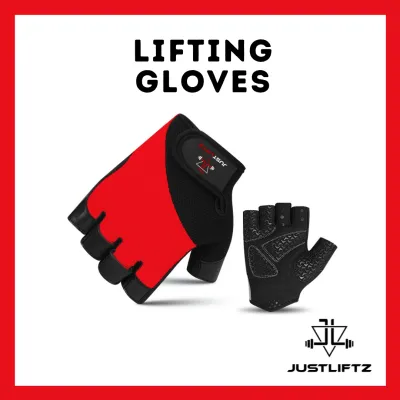
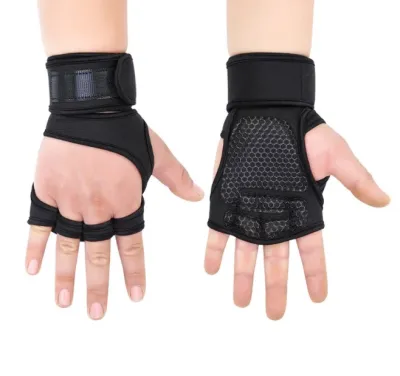
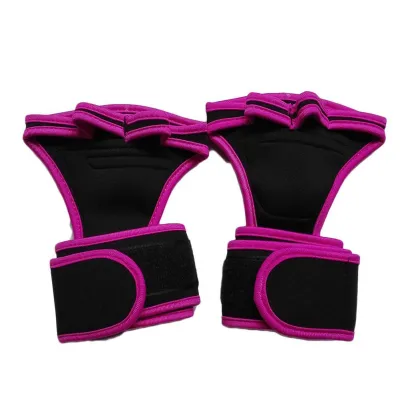
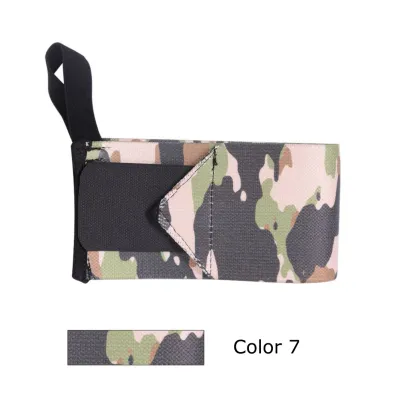
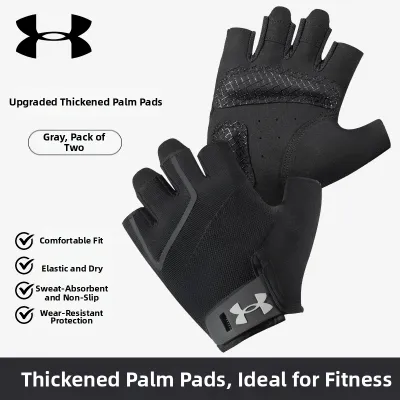
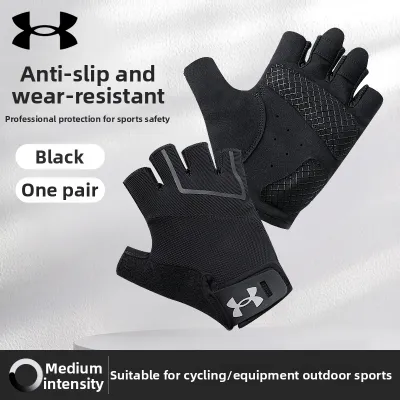
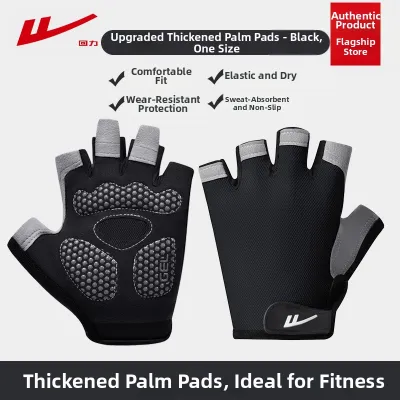
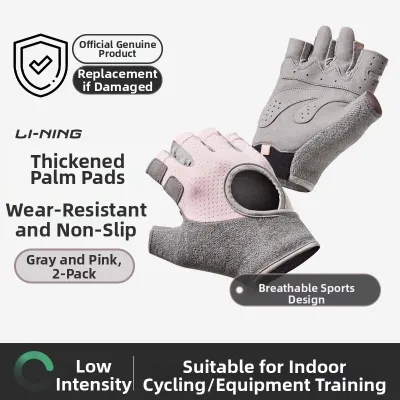
Prices are valid at publication and may change. Please refer to the product page for the latest price.
Beyond skin protection, heavy axial loading—such as during overhead presses, bench presses, or squats—places immense structural stress on your wrist joints. Without proper alignment, the wrist can easily hyperextend under a heavy load, leading to joint fatigue or acute strain. Dedicated weightlifting gloves often incorporate specialized wrist stabilization features designed to reinforce the joint, helping you maintain a neutral wrist position throughout your working sets.
Evaluating Grip Materials and Palm Construction
The palm of a gym glove is the primary interface between your hand and the weight, making its material composition the most critical factor for grip security. Genuine leather remains a traditional favorite for heavy lifting due to its exceptional durability and natural ability to conform to the shape of your hand over time. However, leather tends to absorb moisture and can become stiff and slick if exposed to heavy sweat without proper drying, which is a frequent challenge in Singapore’s humid climate.

Synthetic leather alternatives, such as polyurethane or microfiber blends, offer a highly consistent texture and generally handle moisture better than genuine leather. These materials often dry faster and remain pliable after multiple wash cycles, making them highly practical for daily gym-goers. To enhance traction, many synthetic gloves feature patterned silicone overlays across the palm, which provide high-friction grip on smooth metal handles but can sometimes feel overly sticky or prone to peeling under extreme shearing forces.
Palm padding thickness is a double-edged sword that directly impacts your grip strength and bar control. Thick gel or foam padding provides maximum comfort and pressure relief, which is highly beneficial when pushing heavy dumbbells or using selectorized machines. However, excess padding increases the effective diameter of the barbell, making it harder for your fingers to wrap securely around the shaft and potentially fatiguing your forearm muscles prematurely.
For serious barbell training, a thinner, high-density palm lining is generally preferred over thick padding because it preserves tactile feedback. Feeling the bar settle into the correct position in your hand allows for micro-adjustments during a lift, which is essential for maintaining a safe and efficient bar path. Additionally, look for gloves that incorporate mesh panels or perforated materials on the back of the hand to facilitate airflow and sweat evaporation, keeping your hands cool and dry during intense workouts.
Understanding Wrist Support Mechanisms
Wrist support in gym gloves ranges from simple elastic cuffs to integrated, heavy-duty wrap systems designed to mimic standalone powerlifting wraps. Standard elastic cuffs provide minimal joint stabilization, serving primarily to keep the glove securely in place while allowing complete freedom of movement. This style is highly suitable for lifters who prefer to rely on their natural joint strength or who perform exercises that require high wrist mobility, such as kettlebell snatches or front squats.
Integrated extended wrist wraps feature a long, non-elastic or semi-elastic strap that wraps around the wrist joint multiple times before securing with a hook-and-loop fastener. This design allows you to customize the level of tension and support based on the exercise you are performing. For heavy pressing movements, you can pull the strap tight to lock the wrist in a neutral, upright position, and then loosen it between sets to restore blood flow and mobility.
When evaluating these integrated wraps, pay close attention to the width of the strap and the quality of the Velcro closure. A wider strap distributes pressure more evenly across the wrist bones, reducing the risk of localized pinching or circulation restriction. The Velcro must be robust and securely stitched to the glove body, as the constant tension and sweat exposure during heavy lifts will quickly degrade low-quality fasteners, causing them to slip mid-set.
It is important to recognize when integrated glove wraps may not be the optimal choice for your training. If you regularly perform lifts that require rapid wrist transition or deep extension, such as the clean and jerk, highly rigid wraps can interfere with your technique. In such cases, using minimalist gloves paired with separate, specialized wrist wraps—or training with bare wrists to build natural joint stability—may offer a better balance of protection and performance.
Matching Glove Designs to Lifting Disciplines
No single glove design excels across every style of weight training, as different lifting disciplines prioritize distinct physical attributes. A glove that provides excellent comfort during a high-volume bodybuilding workout may prove cumbersome or even unsafe during high-velocity Olympic lifts. Understanding these discipline-specific trade-offs is essential for selecting a pair that supports, rather than hinders, your specific training goals.
Gloves for Bodybuilding and Hypertrophy
Bodybuilding routines typically involve high-volume training with a wide variety of equipment, including dumbbells, barbells, cable attachments, and selectorized machines. For this style of training, gloves with moderate, strategically placed palm padding are highly beneficial. The padding helps cushion the hands against the repetitive pressure of multiple sets and angles, reducing hand fatigue and preventing the formation of deep calluses.
Because bodybuilding sessions can be lengthy and involve continuous movement, breathability is a major priority to prevent sweat buildup. Look for gloves featuring lightweight, moisture-wicking fabrics on the back of the hand and open-finger designs that maximize airflow. While integrated wrist wraps can assist during heavy chest and shoulder presses, many hypertrophy-focused lifters prefer a simpler, low-profile cuff that allows for quick transitions between different exercises and machines.
Gloves for Powerlifting and Heavy Compounds
Powerlifting focuses on maximizing strength in the squat, bench press, and deadlift, where bar control and tactile feedback are paramount. For these heavy compound movements, thick palm padding is generally counterproductive because it distances your hand from the steel, reducing your grip security and altering your leverage. Powerlifters who choose to wear gloves typically opt for minimalist designs with ultra-thin, high-grip palms that protect the skin without adding bulk.
In heavy pressing movements like the bench press, integrated wrist wraps provide valuable joint reinforcement to keep the wrist from collapsing backward under extreme loads. However, for pulling movements like the deadlift, many lifters find that any glove material can slip against the bar under maximum weight. In these scenarios, transitioning to bare hands paired with lifting chalk, or utilizing dedicated lifting straps for high-volume pulling sets, often provides a more secure connection than standard gym gloves.
Considerations for Olympic Weightlifting
Olympic weightlifting consists of highly dynamic, explosive movements—specifically the snatch and the clean and jerk—that require rapid hand transitions and precise bar rotation. Standard gym gloves are generally not recommended for these lifts because the added material interferes with the hook grip, a specialized gripping technique where the fingers wrap over the thumb to lock the hand onto the bar. Palm padding can prevent a secure hook grip, increasing the risk of the barbell slipping during the explosive pull phase.
Furthermore, Olympic lifts demand extreme wrist flexibility, particularly during the catch phase of the clean or when holding the bar overhead in a snatch. Rigid, integrated wrist wraps can severely restrict this necessary mobility, forcing the lifter into awkward, potentially injurious positions. If you require hand protection during dynamic barbell cycling, minimalist palm protectors or specialized athletic tape are generally much more effective alternatives than traditional weightlifting gloves.
Sizing, Fit, and Pre-Purchase Checks
An improperly fitting gym glove can cause more harm than good, leading to blisters from material bunching or restricted circulation from an overly tight fit. To find your correct size, start by measuring your hand circumference using a flexible measuring tape. Wrap the tape around your dominant hand just below the knuckles, excluding the thumb, and compare this measurement against the manufacturer’s specific sizing chart, as sizing can vary significantly between brands.
When trying on a pair of gloves, pay close attention to how the finger openings align with your knuckles and how the fabric sits in the palm. The finger sleeves should end comfortably below your first joint without pinching or cutting off circulation when you make a tight fist. There should be no excess material bunching up in the palm when you mimic gripping a barbell, as this extra fabric will create painful pressure points and compromise your grip stability during actual lifts.
It is also important to check the finger gussets—the flexible fabric panels between the fingers—to ensure they allow for a full range of motion without pulling the glove taut across the back of your hand. If you are purchasing gloves made of genuine leather, keep in mind that the material will naturally stretch and conform to your hand shape over a brief break-in period. For leather options, a snug, slightly tight initial fit is usually preferred, whereas synthetic gloves should fit comfortably right out of the box as they do not stretch significantly over time.
Navigating Retail and Online Options in Singapore
When shopping for weightlifting gloves in Singapore, utilizing a mix of physical retail visits and online research is the most reliable way to secure a high-quality pair. Visiting physical sports equipment stores—such as those located in major shopping hubs or specialized fitness outlets—allows you to physically inspect the stitching, feel the thickness of the palm padding, and try on different sizes to verify the fit before committing to a purchase. While basic gloves may cost under S$20, high-quality pairs with integrated wrist support typically range higher, making it a worthwhile investment for long-term joint protection.
If you prefer the convenience of shopping via online marketplaces or official brand stores, it is crucial to carefully review the return and exchange policies. Because glove sizing is highly brand-dependent, ensure the seller offers hassle-free exchanges in case the fit is not perfect. Always cross-reference your hand measurements with the specific manufacturer sizing chart provided on the product page, rather than relying on generic small, medium, or large designations.
Additionally, take the time to read through user reviews, paying close attention to feedback from buyers living in warm, humid climates. Look for comments regarding how well the gloves handle sweat, whether the dye bleeds onto the skin when wet, and how the materials hold up after being washed. Reports of premature stitching failure, Velcro degradation, or significant shrinkage after washing are key indicators of low-quality construction that you should avoid.
Frequently Asked Questions (FAQ)
Should I use lifting straps instead of gloves for heavy deadlifts?
Lifting straps and gym gloves serve entirely different purposes in strength training and should not be viewed as direct substitutes. Gym gloves are designed to protect the skin of your palms from friction and calluses while providing mild wrist support across a wide range of exercises. In contrast, lifting straps are specialized tools intended solely to secure your grip to the barbell during heavy pulling movements, such as deadlifts or heavy rows, when your grip strength becomes the limiting factor. If your primary goal is to protect your skin or stabilize your wrists during pressing movements, gloves are the appropriate choice. However, if your grip is failing on heavy deadlifts before your target muscles are fully fatigued, transitioning to lifting straps is highly beneficial, provided you also practice safe release techniques in the event of a failed lift.
How do I clean and maintain leather weightlifting gloves?
Proper maintenance is essential to extend the lifespan of leather weightlifting gloves, especially when training in Singapore’s humid environment. After every workout, avoid leaving your damp gloves crumpled inside a dark gym bag, as this creates an ideal breeding ground for bacteria and mold. Instead, pull them inside out and allow them to air dry completely in a well-ventilated area away from direct sunlight, which can dry out and crack the leather. Always check the manufacturer’s care label for specific washing instructions; most leather gloves should not be machine washed or submerged in water. Instead, gently wipe down the exterior with a damp cloth and a mild, leather-safe soap, then allow them to air dry. If you notice the leather becoming stiff, dry, or showing signs of cracking, or if the stitching begins to unravel, it is time to replace the gloves to ensure continued safety and grip performance.

Community discussion
Share your experience or ask a question. Comments are reviewed before publication.