
Running a marathon in Singapore’s tropical climate presents a unique physiological challenge. The combination of high temperatures and relative humidity levels that frequently exceed 80 percent severely limits sweat evaporation, which is your body’s primary method of cooling down. As your core temperature rises, your sweat rate increases dramatically, leading to rapid fluid and electrolyte loss. To sustain your pace and avoid dehydration, carrying a customized mix of hydration and fuel in a marathon vest is essential.
However, carrying these supplies is only half the battle; you must also consume them in a way that your body can actually process under heat stress. When you run in hot and humid conditions, your body diverts blood flow away from your digestive system to your skin to help dissipate heat. This reduction in gastrointestinal blood flow makes it much harder to digest concentrated carbohydrates. Successfully combining energy gels and electrolyte drinks requires a precise packing layout, a clear understanding of your personal sweat rate, and a disciplined intake schedule.
Assessing Your Fueling Needs in Hot and Humid Conditions
Before packing your marathon vest, you must estimate your baseline fluid and carbohydrate requirements. Sweat rates vary widely among runners, and the tropical climate will inevitably elevate your fluid needs compared to training in cooler environments. To get a baseline estimate, weigh yourself before and after a one-hour training run in typical local conditions without drinking water. Every kilogram of weight lost equates to approximately one liter of sweat that needs to be replaced, though you should aim to replace about 60 to 80 percent of this loss during the actual race to avoid overhydration.
Products mentioned in this guide
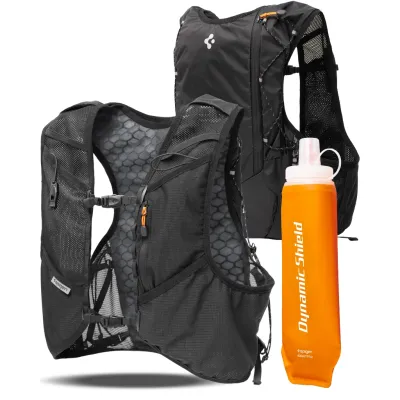
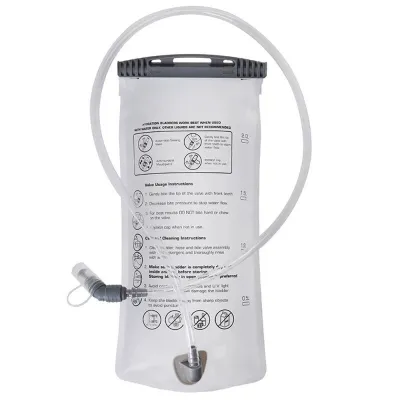
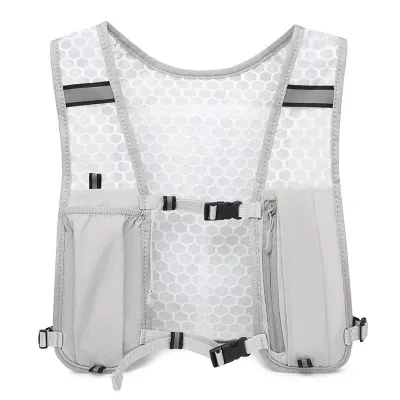
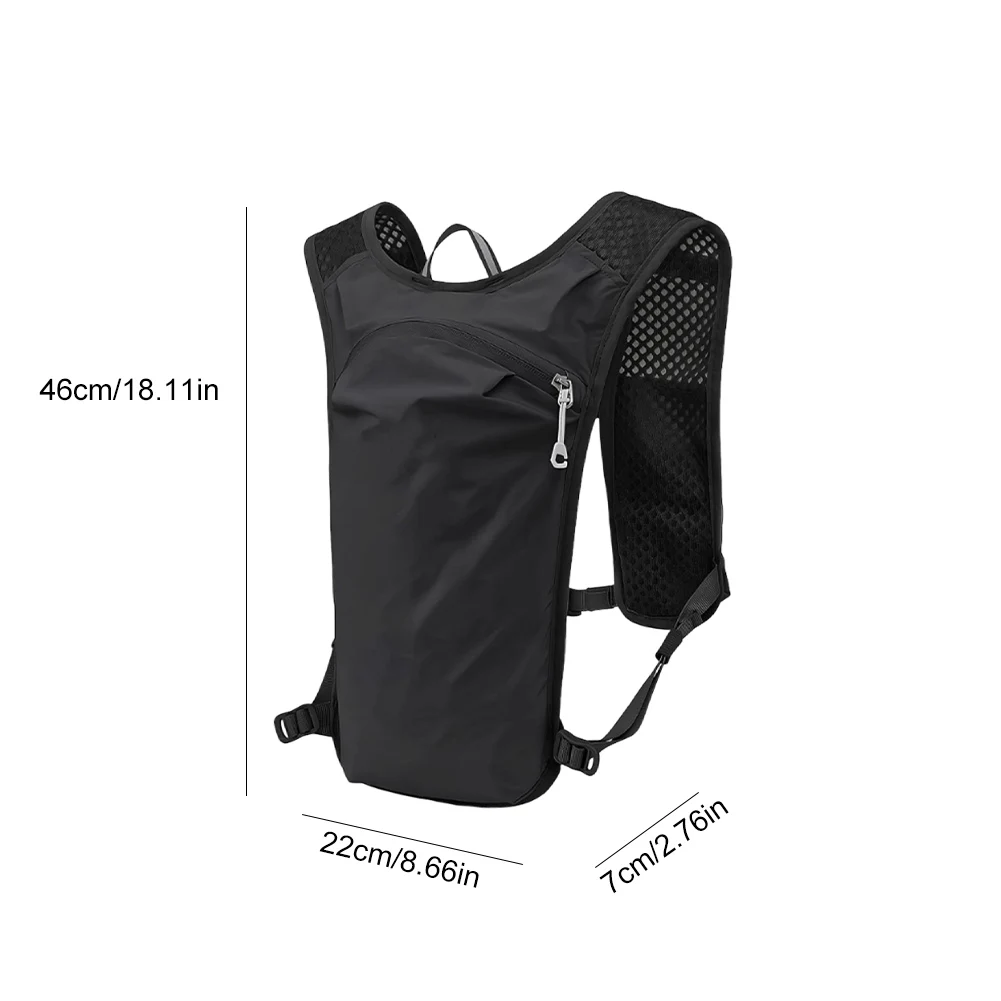
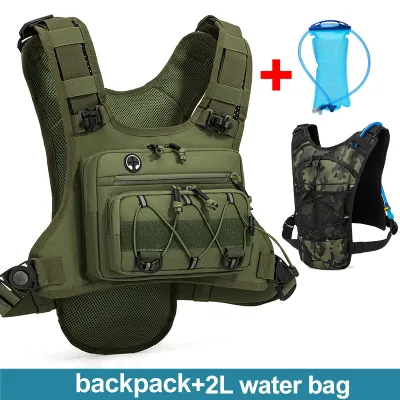

Prices are valid at publication and may change. Please refer to the product page for the latest price.
Observing your running gear after a long training session provides valuable clues about your sodium loss. If you notice white, powdery salt residue on your singlet, cap, or face, you are likely a “salty sweater.” This means you lose a higher concentration of sodium in your sweat and must prioritize electrolyte replacement alongside your fluids to prevent hyponatremia and muscle cramping. If your gear shows no visible salt stains, your sodium losses may be more moderate, but you will still require consistent electrolyte intake due to the sheer volume of sweat generated in the humidity.
Once you understand your fluid and sodium needs, read the nutritional labels on your energy gels and electrolyte products. Gels typically provide concentrated carbohydrates, often ranging from 20 to 30 grams per packet, while electrolyte drinks focus primarily on sodium, potassium, and magnesium. Take note of the carbohydrate content in your electrolyte drinks as well; some sports drinks contain significant sugars, which must be factored into your total hourly carbohydrate target to prevent overloading your stomach.
Organizing Your Marathon Vest for Quick Access
An organized marathon vest distributes weight evenly across your torso, minimizing energy-wasting bounce and reducing the risk of skin chafing. Most modern vests feature front harness pockets designed specifically for soft flasks, which typically hold 500 milliliters of fluid each. Placing one flask on each side of your chest balances the liquid weight, preventing asymmetrical strain on your shoulders and upper back as you run. If you prefer using a rear hydration bladder for larger fluid volumes, ensure it is secured tightly against your spine so it does not shift laterally.

Map out your vest’s storage zones so that your most frequently used items are accessible with one hand while you are moving. Dedicate the lower front pockets or side mesh pockets to your energy gels, ensuring you can slide a gel out without having to unzip a pocket or stop running. If you use electrolyte tablets or salt capsules, store them in a small, waterproof zip-top bag in a secure, sweat-resistant pocket to prevent them from dissolving prematurely due to humidity or sweat.
As you consume your fluids and gels during the marathon, the physical load of your vest will change. Adjust the front sternum straps periodically to keep the vest snug against your body as the flasks empty. Additionally, designate a specific pocket—ideally a stretch-mesh side pocket—solely for discarded gel wrappers. Keeping sticky, empty packaging separate from your clean gear prevents your vest from becoming sticky and makes post-race cleanup much easier.
Designing Your Gel and Electrolyte Pairing Strategy
To maintain steady energy levels without experiencing stomach cramps, you must understand how carbohydrate density and fluid volume interact in your digestive tract. Your stomach can only process nutrients efficiently when they are diluted to a specific concentration. Introducing highly concentrated sugars into a dehydrated gut can stall digestion, leading to bloating, nausea, and severe gastrointestinal distress.
Balancing Carbohydrate and Sodium Intake
To keep your stomach functioning smoothly, check the labels of your chosen products to ensure their combined osmolarity remains stomach-friendly. When you consume a highly concentrated energy gel, your stomach requires water to dilute the sugars before they can pass into the small intestine for absorption. If you wash down a concentrated gel with a strong, pre-mixed electrolyte drink, you create an overly concentrated mixture in your stomach, which can draw water out of your bloodstream and cause cramping.
If you carry pre-mixed, highly concentrated electrolyte drinks in your soft flasks, always carry plain water in a separate flask or bladder. Use the plain water exclusively to wash down your energy gels, ensuring the gel is properly diluted in your stomach. Alternatively, if you prefer to drink only electrolyte fluids from your flasks, adjust the dilution of your electrolyte powders or tablets. Mixing them at a slightly lower concentration than the manufacturer’s standard recommendation allows you to consume gels and fluids closer together without overloading your digestive system.
Timing Your Intake During the Run
Establishing a strict, time-based schedule is far more effective than relying on distance markers, especially in tropical heat where your pace may vary. Set a recurring alarm on your running watch to vibrate every 15 minutes as a reminder to take a few sips of your electrolyte drink. For energy gels, aim for a consistent interval of every 30 to 45 minutes, depending on your target carbohydrate intake and how well your stomach tolerates the fuel during long runs.
Stagger your intake of gels and electrolyte drinks to maintain a steady rate of absorption. For example, if you take a gel at the 40-minute mark, wash it down with plain water, and wait at least 10 to 15 minutes before sipping your concentrated electrolyte drink again. This gap gives your stomach time to empty the gel mixture before introducing more solutes. Be prepared to modify this schedule based on real-time feedback; if you feel early signs of heat stress or nausea, slow your pace, reduce your gel intake, and focus on sipping plain water or light electrolytes until your stomach settles.
Avoiding Common Packing and Mixing Mistakes
One of the most common mistakes runners make is consuming a concentrated energy gel and a strong sports drink simultaneously. This combination creates a hypertonic environment in the gut, which delays gastric emptying and often leads to sudden, painful stomach cramps. Always separate the consumption of these two concentrated sources, or ensure you have enough plain water on hand to dilute them immediately.
Another frequent issue is the buildup of sticky residue and mold inside hydration bladders and drinking tubes. Avoid mixing sugary electrolyte powders or squeezing energy gels directly into your primary hydration bladder. The narrow tubes and bite valves are incredibly difficult to clean thoroughly, and in Singapore’s warm, humid climate, any leftover sugar residue will quickly breed mold and bacteria. Keep your bladder filled strictly with plain water, and use your front soft flasks for flavored or electrolyte-rich drinks, as flasks are much easier to wash and dry.
Before mixing any sports drinks in your hydration gear, check the manufacturer’s guidelines for bladder and flask compatibility. Some materials can be degraded or permanently stained by highly acidic, colored, or heavily sweetened sports drinks. Additionally, certain plastic materials can retain the flavor of strong electrolyte powders long after they have been washed, which can ruin the taste of plain water on subsequent runs.
Building Your Race-Day Fueling Checklist
To ensure a stress-free race morning, create a comprehensive packing checklist based on your projected finish time and your vest’s capacity. If you expect to finish the marathon in four hours and plan to take a gel every 40 minutes, you will need to pack seven gels. Always pack one or two extra gels to account for dropped packets or unexpected delays on the course. Verify that all these gels fit comfortably into your vest’s accessible pockets without restricting your chest expansion or breathing.
Optimize the weight of your marathon vest by planning your hydration around the official race-day aid stations. You do not need to carry all your fluid requirements from the start line, which would make your vest incredibly heavy and increase the risk of shoulder strain. Instead, carry enough electrolyte mix in your soft flasks to last between the major stations, and plan to grab plain water from the volunteers to wash down your carried gels. This hybrid approach keeps your carried weight to a minimum while ensuring you always have your preferred electrolyte concentration on hand.
Finally, create a simple, visual timeline of your fueling plan and secure it where you can easily see it during the race. You can write your target gel and hydration times on a piece of waterproof medical tape and stick it to your marathon vest strap, forearm, or the back of your phone case. During the late stages of a marathon, mental fatigue can make simple math difficult; having a clear, pre-calculated schedule prevents you from forgetting to fuel or accidentally double-dosing under pressure.
Frequently Asked Questions (FAQ)
Can I mix energy gel directly into my hydration bladder?
Mixing energy gels directly into a hydration bladder is highly discouraged. The thick, viscous consistency of energy gels can easily clog the bladder’s drinking tube, connector ports, and bite valve, potentially cutting off your fluid supply during the run. Furthermore, pre-mixing gels and fluids makes it impossible to adjust your hydration and carbohydrate intake independently; if you need more water due to rising heat, you would be forced to consume more sugar as well. It is much safer and more effective to carry your gels in your vest pockets and reserve your bladder for plain water.
How do I prevent chafing from a fully loaded marathon vest in the heat?
To prevent chafing in high humidity, start by wearing a snug, moisture-wicking base layer with flat or seamless construction under your marathon vest. Apply a generous layer of high-quality, sweat-resistant anti-chafe balm to high-friction areas, including your collarbones, lower ribs, underarms, and neck. Ensure your vest is adjusted snugly so it does not bounce or slide against your skin, and make minor adjustments to the tension straps as you drink your fluids and the overall weight of the pack decreases.
Community discussion
Share your experience or ask a question. Comments are reviewed before publication.